

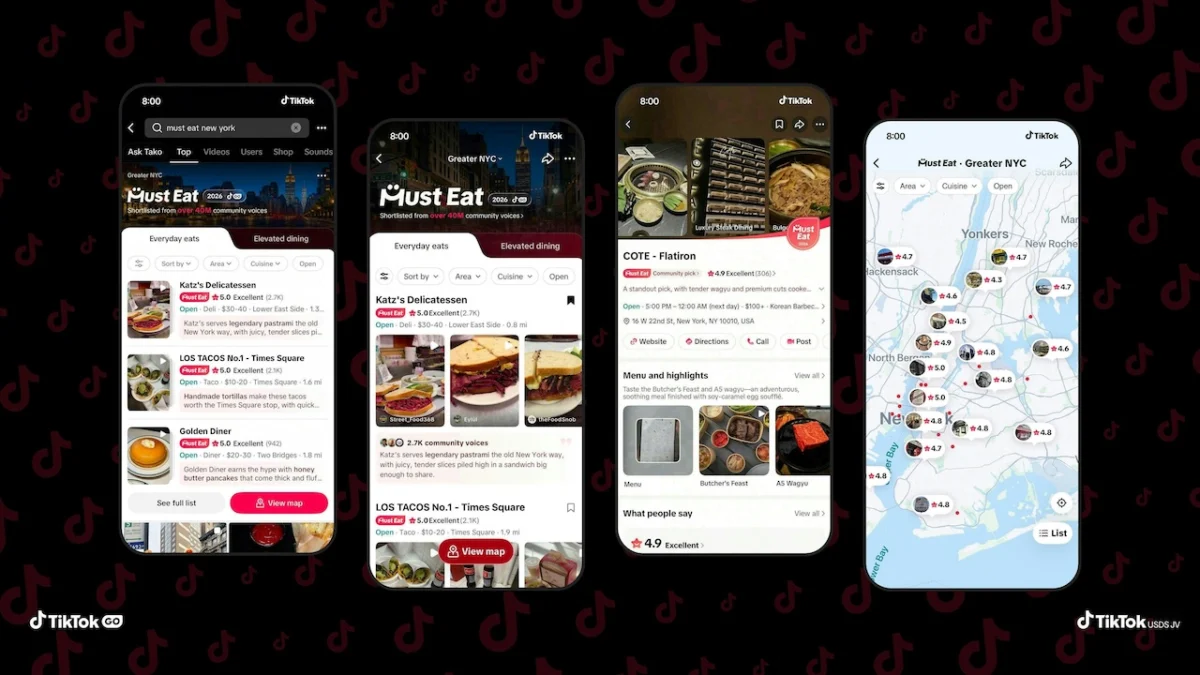
TikTok has officially entered the culinary recommendation space with the launch of "Must Eat," a new dining guide that aggregates millions of user-generated posts, reviews, and comments to curate restaurant lists. Unveiled this week, the initiative initially focuses on metropolitan areas including New York City, Los Angeles, and the San Francisco Bay Area, categorizing recommendations into "Everyday Eats" and "Elevated Dining" to cater to diverse dining preferences and occasions. This move marks a significant expansion of TikTok’s efforts to connect its vast user base with local businesses, building upon the foundational features of its existing "TikTok GO" platform.
The Genesis of a Digital Culinary Compendium
The creation of "Must Eat" is rooted in the platform’s inherent ability to foster and amplify trends, particularly within the food and beverage sector. For years, TikTok has been a fertile ground for discovering hidden gems, viral recipes, and trending eateries. Restaurants, from bustling street food vendors to upscale establishments, have leveraged the platform’s short-form video format to showcase their ambiance, signature dishes, and unique offerings, often reaching audiences far beyond their immediate geographic vicinity. This organic discovery process, fueled by authentic user experiences and creator enthusiasm, laid the groundwork for a more structured and comprehensive dining guide.
Adam Presser, CEO of TikTok USDS Joint Venture, articulated the vision behind "Must Eat" at a media event in New York City. He described it as "the compilation of all of the conversation that’s happening on the TikTok platform across creators, restaurateurs, even just individuals that are going out into the world and discovering new restaurants that they come to love." This emphasis on organic discovery underscores TikTok’s commitment to showcasing genuine community recommendations rather than paid placements.
A Data-Driven Approach to Culinary Discovery
The sheer volume of data informing "Must Eat" is a testament to its unique positioning. The guide is built upon more than 40 million posts, reviews, and comments, providing a robust foundation for its recommendations. This extensive dataset allows TikTok to identify patterns, popular dishes, and consistently highly-rated establishments. The platform’s algorithms likely play a crucial role in analyzing sentiment, engagement metrics, and the overall virality of content associated with specific restaurants.
The "Everyday Eats" category is designed to highlight more casual dining spots and those that consistently garner a high volume of recommendations from the TikTok community. These are often the go-to places for a quick bite, a casual lunch, or a regular hangout. In contrast, "Elevated Dining" focuses on restaurants deemed worthy of special occasions, celebrations, or a more refined evening out. This distinction acknowledges the multifaceted nature of dining out and the diverse needs of consumers.
Crucially, TikTok has emphasized that "no restaurant can pay to be featured" on "Must Eat." This commitment to authenticity is a significant differentiator in the crowded online review space, where sponsored content and paid promotions can sometimes blur the lines of genuine endorsement. The platform asserts that the lists reflect what the community has organically discovered and consistently returned to, ensuring a level of trust and credibility for users seeking genuine recommendations. Before any list goes live, restaurants are reportedly reviewed to confirm they are open, operating, and in good standing, adding an essential layer of due diligence.
Strategic Expansion and Integration
The launch of "Must Eat" is not an isolated event but rather a strategic expansion of TikTok’s broader "TikTok GO" initiative, which debuted in May. TikTok GO aims to connect users with businesses they discover on the platform, facilitating bookings and reservations for a range of services, including hotels, tours, and attractions. The dining guide directly builds upon this existing infrastructure, making it significantly easier for users to transition from discovery to experience.
A key feature of "Must Eat" is its integration with OpenTable. This partnership allows users to directly book a table at a newly discovered restaurant without leaving the TikTok app. This seamless booking process removes a potential friction point in the customer journey, encouraging more spontaneous dining decisions and directly benefiting the featured establishments. For restaurateurs, this integration offers a direct channel to a highly engaged and often impulsive audience, potentially driving significant foot traffic and revenue.
Quantifiable Impact on Local Economies
The influence of TikTok on local economies is already demonstrably significant. According to TikTok’s own data, 27 million Americans have visited an independent restaurant, café, or shop for the first time after discovering it on the platform. This engagement has translated into an estimated $4.7 billion in local spending, underscoring the platform’s power as an economic engine for small and medium-sized businesses. "Must Eat" is poised to amplify this impact by providing a more centralized and accessible discovery tool, further incentivizing users to explore and support local establishments.
The focus on independent restaurants and local specialties is a deliberate choice that aligns with current consumer trends favoring authentic experiences and supporting community businesses. In an era where chain restaurants are ubiquitous, platforms that can highlight unique, locally-owned establishments hold significant appeal. By prioritizing these businesses, "Must Eat" taps into a desire for genuine culinary exploration and a commitment to supporting the economic vitality of neighborhoods.
Accessibility and User Experience
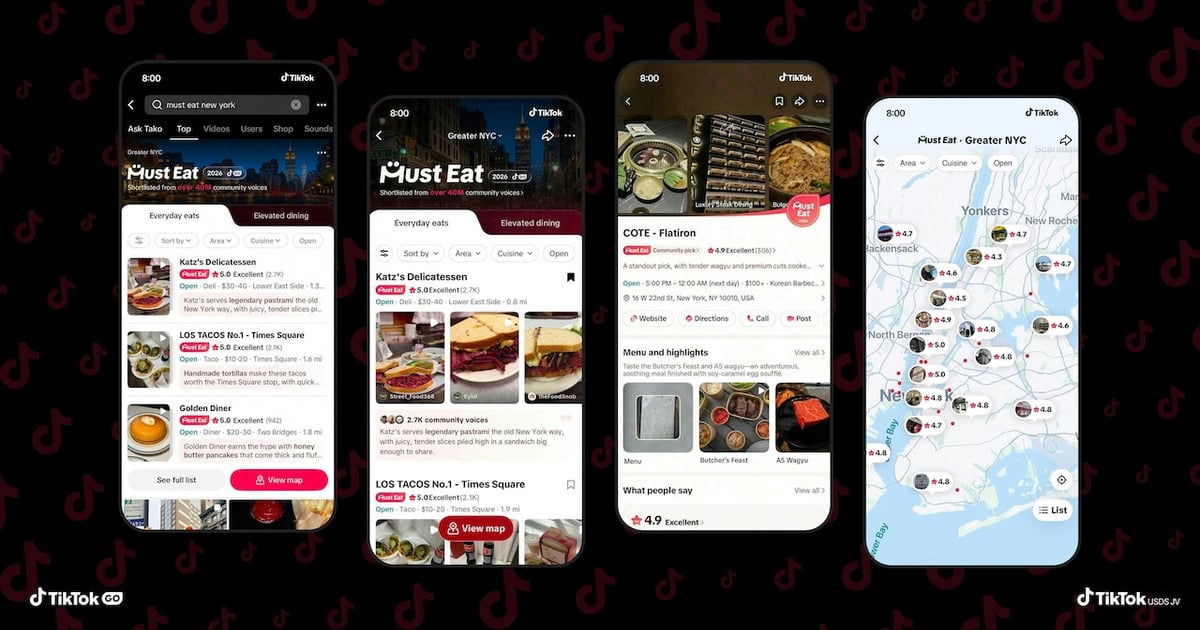
The "Must Eat" guide is designed to be easily accessible within the TikTok ecosystem. Users can find it through the TikTok search bar, the "Local Feed" tab, points-of-interest pages, and location anchors on videos directly associated with listed restaurants. This multi-pronged approach ensures that the dining guide is discoverable across various user interaction points on the app, maximizing its visibility and utility.
Each restaurant listing within "Must Eat" is intended to provide helpful details, including price range, location, specific reasons for recommendation, and links to relevant TikTok content. This comprehensive information empowers users to make informed decisions and tailor their dining choices to their specific needs and preferences. The inclusion of related TikTok content further enriches the user experience, allowing them to visualize the dishes, experience the ambiance, and gain a more immersive understanding of what the restaurant offers.
Broader Implications for the Restaurant Industry
The launch of "Must Eat" has several significant implications for the restaurant industry. Firstly, it solidifies TikTok’s position as a powerful force in culinary discovery, rivaling or even surpassing traditional review sites and food blogs for certain demographics. Restaurants that can effectively leverage short-form video content and engage with the TikTok community are likely to see increased visibility and customer acquisition.
Secondly, the platform’s emphasis on organic discovery and its stringent "no paid placement" policy could set a new standard for online restaurant recommendations. This could pressure other platforms to re-evaluate their monetization strategies and prioritize genuine user experiences.
Thirdly, the integration with booking platforms like OpenTable highlights the growing trend of "discovery commerce," where online platforms seamlessly guide users from initial interest to transaction. This seamless integration is crucial for driving tangible business results for restaurants.
Finally, "Must Eat" represents a sophisticated data play by TikTok, demonstrating its ability to harness user-generated content for commercial purposes while simultaneously providing a valuable service to its users and supporting local businesses. As the platform continues to evolve, its influence on consumer behavior and local economies is likely to grow, making it an indispensable tool for both diners and restaurateurs alike. The success of "Must Eat" will undoubtedly be watched closely by competitors and industry stakeholders as it reshapes how people find and experience their next meal.
