

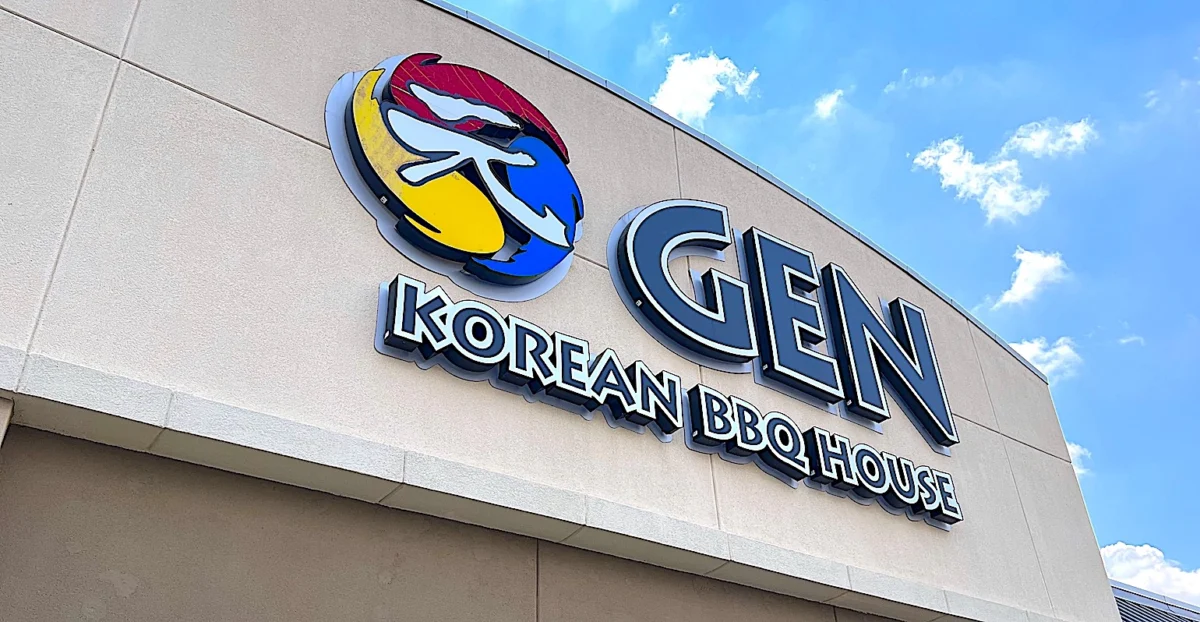
Chubby Cattle Group, a prominent Los Angeles-based restaurant conglomerate celebrated for its diverse portfolio of meat-centric Asian dining concepts, is poised to significantly expand its footprint by acquiring Gen Korean BBQ in a phased transaction valued at $100 million. This strategic acquisition, announced earlier this month, will see Chubby Cattle Group absorb all 70 Gen Korean BBQ locations, with a comprehensive rebranding and conversion strategy set to unfold over the next twelve months. The deal marks a pivotal moment for both entities, signaling a substantial shift in the landscape of Korean BBQ dining and restaurant group consolidation.
A Transformative Acquisition and Strategic Funding
The acquisition of Gen Korean BBQ by Chubby Cattle Group is structured as a phased integration, with the initial transfer of 12 locations scheduled for November 1st. The remaining Gen Korean BBQ restaurants will follow in subsequent waves throughout the upcoming year. This significant expansion will see Chubby Cattle Group’s current portfolio of 70 units grow by nearly 75%, solidifying its position as a major player in the Asian dining sector.
Integral to the execution of this ambitious acquisition and future growth plans, Chubby Cattle Group recently secured $50 million in Series A funding. The investment was led by Prysym Capital, a venture capital firm known for its strategic investments in technology startups, including those in the restaurant technology platform space like Chowbus, as well as AI software and financial technology companies. This infusion of capital is earmarked for several key initiatives: completing the conversion and rebranding of the acquired Gen Korean BBQ locations, bolstering the company’s supply chain infrastructure, and supporting the development and launch of new restaurant concepts under the Chubby Cattle umbrella.
Rebranding and Diversification Strategy
A cornerstone of the acquisition is the strategic rebranding and operational transformation of the Gen Korean BBQ outlets. The top-performing locations will be rebranded as "Gen X BBQ," suggesting an evolution and modernization of the existing concept. The remaining Gen Korean BBQ restaurants will be converted to other existing or new Chubby Cattle concepts, reflecting the group’s strategy of leveraging its diversified brand portfolio to cater to varied market demands and optimize profitability. This approach allows Chubby Cattle to adapt to shifting consumer preferences and market dynamics, a stark contrast to a singular brand focus.
David Zhou, co-founder of Chubby Cattle Group, highlighted this diversification as a key differentiator. He explained that traditional restaurant groups often face challenges when their sole reliance on one brand, price point, or customer demographic leads to stagnation. "If a restaurant group focuses on one brand, one price point, one customer demographic, [then that’s going to happen]," Zhou stated in an interview with Nation’s Restaurant News. "We have almost 30 brands and we can move up and down price points and change up concepts based on what customers are looking for. We’re constantly adjusting." This agile, multi-brand strategy is central to Chubby Cattle’s operational philosophy.
A Proven Track Record of Revitalization
Chubby Cattle Group’s interest in Gen Korean BBQ is not entirely new. Prior to this comprehensive acquisition, the group had a prior working relationship with Gen Korean, having successfully intervened to revitalize some underperforming locations in California. Zhou recounted a specific instance where a Gen Korean location, previously generating approximately $2 million in annual revenue, saw its performance multiply significantly—to about six times that amount—after Chubby Cattle took over and implemented their operational expertise. This prior success likely informed the current decision, demonstrating Chubby Cattle’s ability to identify and rectify operational inefficiencies.
"The ownership of Gen’s saw declines in their stores, and there was no way for them to adjust," Zhou commented, pointing to the inherent risks of a singular brand strategy. The success in these prior conversions underscores Chubby Cattle’s confidence in its ability to not only maintain but significantly enhance the performance of the acquired Gen Korean BBQ outlets.
The Chubby Cattle Ecosystem: Vertical Integration and Supply Chain Mastery
A defining characteristic of Chubby Cattle Group is its vertically integrated operational model, which extends beyond traditional restaurant management. Upon joining the Chubby Cattle ecosystem, Gen Korean restaurants, particularly those rebranded as Gen X BBQ, will benefit from direct access to the group’s robust meat supply chain and its innovative, modular restaurant design solutions. This integration allows individual brands within the group to "shop" for pre-fabricated modular designs and procure high-quality beef directly from the parent company, including the highly sought-after A5 Wagyu that has become a hallmark of many Chubby Cattle concepts.
This control over the supply chain is a significant competitive advantage. "We work directly with the ranches, buy the whole carcass of the cattle, and store them at our warehouse when we import them from Australia and Japan," explained Zhou. "We control the quality of the beef. For every other restaurant, they can’t control the quality at that scale. Most steakhouses just rely on Sysco." This direct sourcing and warehousing model ensures consistent quality and potentially better cost control compared to relying on third-party distributors like Sysco, which often supply a wide range of food service establishments.
Zhou further elaborated on this unique model, drawing parallels to established industry giants. He described Chubby Cattle’s approach as akin to Netflix’s vertical integration in content production, Costco’s bulk purchasing power, and eventually, Amazon’s extensive warehousing network. This analogy highlights the company’s ambition to create a self-sustaining ecosystem that provides not only culinary concepts but also the essential business infrastructure required for their success. "This is why we vertically integrate, and why we say we’re not just a restaurant group," Zhou asserted. "We’re building all the b2b infrastructure to support restaurants, and then we actually get to onboard cool culinary concepts, provide them financing, construction, and the supply chain. We get to see how far these brands will go."
Enhancements for Gen X BBQ
The rebranding to Gen X BBQ signifies more than just a name change. Zhou indicated that under the Chubby Cattle umbrella, these upgraded locations will feature enhanced menus, a higher quality of proteins, and revamped interiors. Furthermore, buffet stations offering a variety of vegetables and side dishes will be introduced, mirroring successful elements from other Chubby Cattle concepts like Wagyu Factory. These enhancements are designed to elevate the dining experience, attract a broader customer base, and increase per-customer spending.
The acquisition and subsequent rebranding efforts are expected to significantly impact the market. Gen Korean BBQ, with its established presence, will gain access to Chubby Cattle’s operational expertise, financial backing, and supply chain efficiencies. This could lead to a revitalized and more competitive offering in the Korean BBQ segment.
Future Growth and Expansion Outlook
Looking ahead, Chubby Cattle Group has set an ambitious target of surpassing 200 locations within the next two years. The company is actively exploring further acquisitions and partnerships, indicating ongoing discussions with other restaurant groups interested in joining its integrated ecosystem. "If there is a concept that can use our supply chain, can use our expansion assistance, our backup support, and our hospitality team, we’re going to put them on," Zhou stated, underscoring the group’s open-door policy for synergistic collaborations.
This aggressive expansion strategy, fueled by strategic acquisitions and robust funding, positions Chubby Cattle Group for substantial growth. The integration of Gen Korean BBQ represents a significant step in this journey, demonstrating the group’s capability to execute large-scale deals and effectively transform acquired assets into thriving components of its broader business model. The success of this venture could set a precedent for how restaurant groups consolidate and innovate in an increasingly dynamic and competitive industry.
Broader Industry Implications
The Chubby Cattle Group’s acquisition of Gen Korean BBQ has several implications for the broader restaurant industry. Firstly, it highlights a trend towards consolidation, where larger, well-capitalized groups are acquiring smaller or struggling chains to gain market share and operational efficiencies. Secondly, the emphasis on vertical integration and supply chain control by Chubby Cattle signals a shift towards more self-sufficient business models, reducing reliance on external suppliers and offering greater control over quality and costs. This approach can be particularly advantageous in managing supply chain disruptions and fluctuating ingredient prices, issues that have plagued the industry in recent years.
Furthermore, the rebranding and conversion strategy employed by Chubby Cattle demonstrates a commitment to adapting and evolving existing concepts to meet contemporary consumer demands. By diversifying its portfolio and offering flexibility in brand adaptation, Chubby Cattle is positioning itself to weather market shifts and capitalize on emerging trends. The success of Gen X BBQ and the converted locations will be closely watched as indicators of the viability of this integrated, multi-brand approach in the highly competitive restaurant sector. The capital raised will also enable Chubby Cattle to continue its aggressive growth trajectory, potentially making it a formidable competitor across various dining segments. The company’s strategic vision, as articulated by Zhou, suggests a long-term commitment to building a comprehensive B2B infrastructure that supports culinary innovation and brand expansion.
