

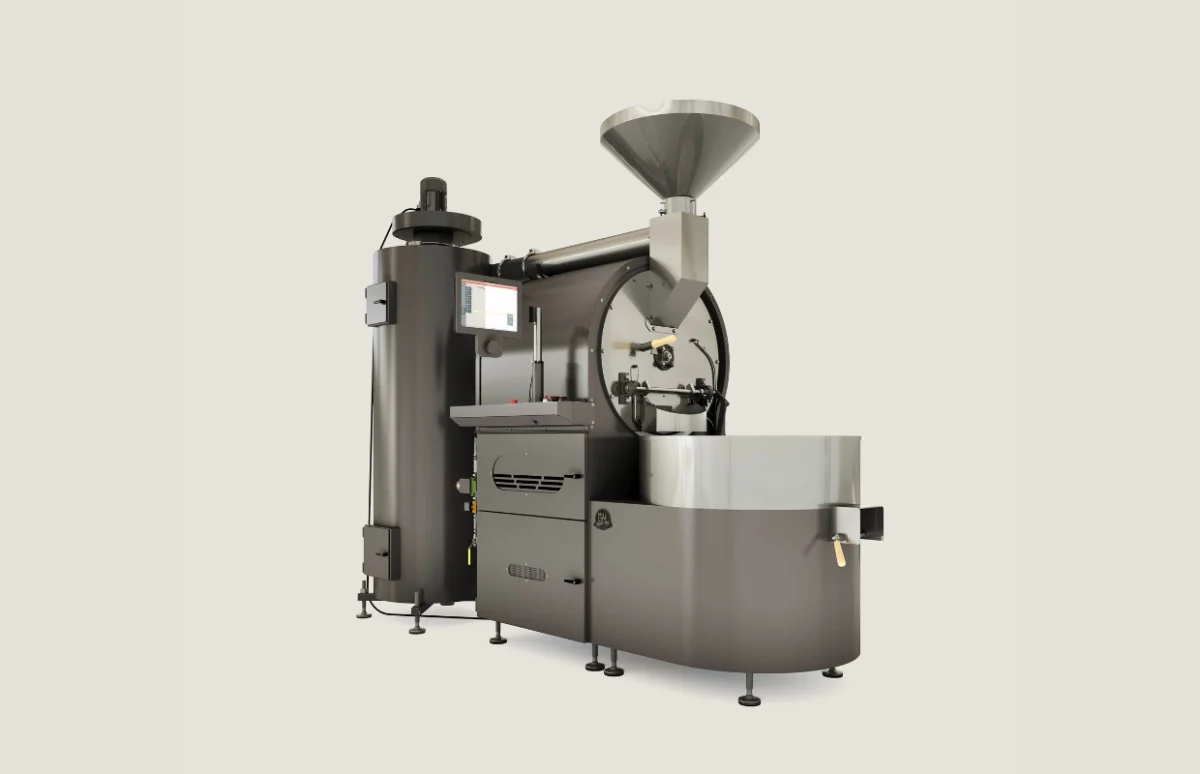
Mill City Roasters announced the successful shipment of its inaugural 20-kilogram M-Series roasters on October 9th, marking a significant expansion of its production capabilities. These larger-capacity machines now join the company’s established 6- and 10-kilogram models, which have already been delivered to a growing customer base. The Minneapolis-based manufacturer, which brought its manufacturing processes in-house earlier this year, introduced the M-Series with a focus on advanced technology and user control. The roasters are equipped with RoastPath touchscreen controls, comprehensive data logging features, and remote diagnostic capabilities, underscoring Mill City’s commitment to innovation and customer support. Looking ahead, the company plans to commence production of its first 30-kilogram model in January 2027, with further enhancements to the RoastPath system, including integrated inventory management, slated for early 2027. This strategic expansion signifies Mill City Roasters’ ambition to cater to a broader spectrum of roasters, from emerging micro-roasters to established commercial operations seeking increased throughput and sophisticated control.
The introduction of larger roaster models by Mill City Roasters comes at a time of dynamic evolution within the coffee industry. Factors such as increasing consumer demand for specialty coffee, the growing number of independent roasteries, and the ongoing pursuit of greater efficiency and quality control are driving the market for more advanced roasting equipment. The M-Series, with its integrated technology, addresses these trends by offering roasters enhanced precision, repeatability, and data-driven insights. This allows for finer tuning of roast profiles, leading to more consistent and higher-quality coffee production. The in-house manufacturing approach also suggests a commitment to quality assurance and potentially faster turnaround times for custom orders or repairs, further bolstering Mill City’s competitive position.
Compass Coffee Founders’ Dispute Concludes with Confidential Settlement
A protracted legal dispute between Compass Coffee co-founder Harrison Suarez and his business partners, Michael and Robert Haft, has reached a resolution. On October 8th, a confidential settlement agreement was filed, leading to the voluntary dismissal of the lawsuit in federal court in Washington D.C. Suarez initiated legal action in January 2025, leveling allegations of fraud and ownership-related misconduct against the Haft brothers, claims that were consistently denied by the defendants. This settlement follows a turbulent period for Compass Coffee, which included separate bankruptcy proceedings and the subsequent sale of its assets to Caffè Nero earlier this year. The terms of the settlement remain undisclosed, preserving the privacy of the parties involved while bringing a close to a significant chapter of internal conflict for the coffee chain.
The resolution of this lawsuit is a critical step for Compass Coffee, regardless of its current ownership structure. Legal battles, particularly those involving allegations of fraud, can cast a long shadow over a company’s reputation, impacting customer trust, employee morale, and investor confidence. The confidential nature of the settlement suggests a mutual desire to move forward without further public scrutiny. For the Haft brothers, the conclusion of this litigation allows them to focus on the integration of Compass Coffee’s assets into Caffè Nero’s operations. For Harrison Suarez, the settlement provides a definitive end to the legal entanglement, though the details of his future involvement in the coffee industry remain unstated. The broader implications for the coffee retail landscape, particularly concerning the competitive positioning of Caffè Nero following its acquisition, will become clearer in the coming months.
Swiss Coffee Traders Reassess Supply Chain Strategies Amidst Global Conflicts
Recent reports from Swissinfo highlight a significant strategic reevaluation underway within the Swiss coffee trading sector. Driven by persistent shipping disruptions, escalating geopolitical conflicts, and the consequent rise in transportation costs, Swiss coffee traders are actively exploring alternative shipping routes and bolstering their inventory levels. Discussions at the Swiss Coffee Trade Association’s annual forum revealed that the extended transit times associated with current global shipping challenges are not only tying up substantial working capital but also complicating procurement strategies. A survey of forum attendees identified "war" as the paramount concern influencing their business operations, underscoring the profound impact of international instability on the coffee supply chain.
The coffee industry, particularly for import-dependent nations like Switzerland, is intricately linked to global trade routes and geopolitical stability. The current environment, characterized by regional conflicts and their ripple effects on maritime and air cargo, presents unprecedented challenges. Longer shipping durations mean that capital invested in inventory is tied up for extended periods, impacting cash flow and the ability to respond quickly to market fluctuations. Furthermore, the unpredictability of transit times makes it difficult to forecast inventory needs and ensure a consistent supply of green coffee to roasters. The Swiss traders’ response – diversifying routes and increasing buffer stocks – represents a pragmatic adaptation to these volatile conditions. This approach, while potentially increasing storage costs, aims to mitigate the risk of stockouts and maintain a stable supply for the domestic market. The long-term implications could include a shift in sourcing strategies towards more resilient and geographically diversified origins, and a greater emphasis on inventory management technologies.
ODI Warns of Potential Market Exclusion for Ethiopian Coffee Under EUDR
A new policy paper released by ODI Global raises serious concerns regarding the potential exclusion of Ethiopian small-scale coffee farmers from European markets due to the stringent traceability and legal documentation requirements of the European Union’s Deforestation Regulation (EUDR). This latest report builds upon previous analyses that have highlighted the vulnerability of Ethiopian coffee to a "green squeeze" stemming from these new regulations. The EUDR, designed to combat deforestation and promote sustainable land use, mandates that commodities imported into the EU must be produced on land that is not subject to deforestation after December 31, 2020.
For smallholder farmers in Ethiopia, who often operate with limited access to technology and formal documentation, meeting these requirements presents a significant hurdle. Establishing clear geographical origins, verifying land use history, and providing legally compliant documentation for every batch of coffee can be an arduous and costly process. The paper suggests that without adequate support and streamlined mechanisms, these regulatory demands could inadvertently marginalize a substantial portion of Ethiopia’s coffee-producing population, impacting their livelihoods and the country’s export economy. The implications extend beyond mere market access; they touch upon the delicate balance between environmental protection and the economic well-being of vulnerable farming communities. The findings of the ODI report are likely to spur further discussions among policymakers, industry stakeholders, and international development organizations on how to implement the EUDR in a manner that is inclusive and supportive of smallholder producers.
European Coffee Federation Releases Comprehensive Container Guidance for Green Coffee Transit
In an effort to safeguard the quality of green coffee during ocean transport, the European Coffee Federation (ECF) has published detailed container-handling guidance. This resource, presented in the form of a downloadable infographic, offers practical advice covering critical aspects of container management. Key areas addressed include ensuring container cleanliness, mitigating moisture and odor issues, optimizing loading arrangements for stability and airflow, and the importance of accurate documentation. The guidance also thoughtfully references the European Standard Contract for Coffee, a framework that clearly delineates responsibilities and allocates risks between parties involved in coffee trade transactions.
The ocean transit of green coffee is a complex logistical undertaking where quality can be significantly compromised by inadequate handling and environmental factors within shipping containers. Issues such as residual odors from previous cargo, moisture ingress leading to mold or fermentation, and improper stacking can all degrade the quality of the beans, impacting their flavor profile and market value. The ECF’s initiative to provide standardized guidance is a proactive step towards promoting best practices across the industry. By offering a clear, visual resource, the Federation aims to equip all stakeholders, from exporters to importers and shipping lines, with the knowledge necessary to protect this valuable commodity. The integration of this guidance with the European Standard Contract for Coffee further strengthens the framework for quality assurance, promoting accountability and minimizing disputes related to transit damage.
FAO Event Explores Financing Models for Forest-Friendly Coffee Production
The Food and Agriculture Organization of the United Nations (FAO), in collaboration with the World Bank, UNDP, and the UN-REDD Programme, is co-organizing a significant two-day hybrid event titled "Investable Beans: De-risking and Financing Forest-Positive Supply Chains." This important gathering is dedicated to exploring innovative financing mechanisms for sustainable coffee and cocoa production. The event aims to foster a deeper understanding of the business cases for environmentally responsible agriculture, address the investment risks associated with these practices, and identify policies that can effectively support supply chains committed to forest preservation.
The coffee and cocoa sectors, while vital to the economies of many developing nations, are often associated with deforestation and land degradation. The drive towards more sustainable production methods, which prioritize forest conservation and biodiversity, requires substantial investment and a shift in traditional financing paradigms. "Investable Beans" seeks to bridge this gap by bringing together investors, financial institutions, policymakers, and producers to discuss practical solutions. The event will delve into strategies for de-risking investments in forest-positive supply chains, making them more attractive to private capital. Discussions are expected to cover a range of topics, including blended finance models, impact investing, and the role of public-private partnerships in catalyzing the transition to sustainable coffee and cocoa farming. The outcomes of this event could significantly influence the flow of capital towards more environmentally sound agricultural practices globally.
Blue Bottle Workers Announce Union Drive in New York
Workers at the World Trade Center location of Blue Bottle Coffee have announced their intention to organize with the Blue Bottle Independent Union, marking a significant expansion of unionization efforts for the specialty coffee chain. The announcement, made on October 21st, followed the submission of authorization cards signed by a supermajority of the employees. The workers have formally requested voluntary recognition from the company, citing key concerns including wages, inconsistent scheduling, and disciplinary practices. This organizing drive signifies the union’s growing presence and its ambition to extend its reach into New York City, building on the momentum of successful union elections at Blue Bottle cafes in the Boston area during 2024.
The move by Blue Bottle workers in New York reflects a broader trend of increasing unionization activity within the service and retail sectors, particularly in prominent urban centers. For Blue Bottle, this represents a new front in labor relations, following the unionization of several locations in Boston. The workers’ stated reasons – wages, scheduling, and disciplinary procedures – are common themes in service industry organizing campaigns, highlighting persistent challenges in these areas. The request for voluntary recognition, if granted by Blue Bottle management, could expedite the process and foster a more collaborative relationship between the company and its employees. However, if voluntary recognition is not forthcoming, the union will likely pursue formal elections through the National Labor Relations Board. The outcome of this organizing effort will be closely watched by both industry employers and labor advocates across the country.
Blueprint Coffee Passes Tariff Refunds to Customers Through Discount Codes
St. Louis-based Blueprint Coffee has implemented a customer-centric approach to passing on tariff refunds, offering a 5% discount code on roasted coffee purchased through their website. The company announced that its importing partners have successfully secured refunds, utilizing a combination of direct cash reimbursements and credits towards future green coffee purchases. This initiative allows Blueprint Coffee to directly benefit its customer base, making high-quality roasted coffee more accessible. Wholesale and online customers are eligible to utilize the discount code up to ten times per customer, ensuring broad accessibility to this promotional benefit.
The implementation of tariffs on imported goods can significantly impact the cost of doing business for coffee companies. By actively seeking and distributing these refunds, Blueprint Coffee demonstrates a commitment to transparency and customer value. This strategy not only alleviates some of the cost pressures associated with tariffs but also serves as a marketing tool, encouraging repeat business and fostering customer loyalty. The 5% discount, while seemingly modest, can represent a tangible saving for regular consumers of specialty coffee. Furthermore, the company’s proactive engagement with its importing partners to secure these refunds highlights a dedication to navigating complex trade regulations in a way that benefits their end consumers. This approach sets a positive precedent for how businesses can manage the financial implications of trade policies and translate them into tangible benefits for their clientele.
Smart Care Launches Atlas Troubleshooting App for Field Technicians
Smart Care Solutions, a prominent provider of commercial equipment service, has launched Atlas by Smart Care, an innovative mobile application designed to empower field technicians with enhanced technical information and troubleshooting guidance. This new app aims to streamline service operations and improve the efficiency of repair and maintenance for commercial coffee equipment. The introduction of Atlas follows Smart Care’s strategic consolidation of five previously distinct coffee equipment and speed-oven service businesses under the unified Turbo Tech brand, a move that occurred in September 2026.
The Atlas app is poised to become an indispensable tool for technicians in the field. By providing immediate access to technical manuals, diagnostic procedures, common issue resolutions, and schematics, it can significantly reduce the time required to identify and fix problems. This not only improves customer satisfaction through faster service but also enhances technician productivity and confidence. The integration of this app within the newly consolidated Turbo Tech service network suggests a commitment to leveraging technology to standardize and elevate the quality of service delivery across all acquired brands. In an industry where downtime for essential equipment can translate into significant revenue loss for businesses, a robust and accessible troubleshooting tool like Atlas is a valuable asset.
The Roasters Pack Unveils Rare and Competition Coffee Advent Calendar
The Roasters Pack, a Toronto-based purveyor of curated coffee experiences, has introduced its highly anticipated 2026 Rare & Competition Coffee Advent Calendar. This unique offering features a collection of 12 distinct coffees, each sourced from a different international roaster, providing a daily journey through exceptional and award-winning brews. Highlights within the calendar include coffees from Axil Coffee Roasters, renowned for their association with Jack Simpson, the 2025 World Barista Champion, and POMA, a roaster pushing boundaries by cultivating coffee in a controlled research environment in Denmark. Each carefully selected coffee is presented in a 32-gram portion, allowing enthusiasts to savor a diverse range of flavor profiles and roasting styles leading up to the holiday season.
Advent calendars have become a popular tradition across various consumer goods, and their expansion into the specialty coffee market reflects the growing consumer interest in curated experiences and high-quality products. The Roasters Pack’s offering stands out by focusing on rare and competition-grade coffees, appealing to a discerning audience of coffee connoisseurs and professionals. The inclusion of coffees from globally recognized roasters and champions underscores the calendar’s commitment to showcasing excellence in the coffee world. Each 32-gram portion is sufficient for a single brewing session, enabling consumers to explore a variety of origins, processing methods, and roasting philosophies. This initiative not only provides an enjoyable festive experience but also serves as an educational tool, exposing consumers to the breadth and depth of the global specialty coffee landscape.
New Opportunities Emerge on CoffeeIndustryJobs.com
The coffee industry continues to be a dynamic sector with a constant demand for skilled professionals. CoffeeIndustryJobs.com, a leading platform for career opportunities within the coffee sector, regularly features a diverse range of openings. From barista positions and café management roles to specialized positions in roasting, green coffee sourcing, quality control, and equipment maintenance, the platform serves as a crucial nexus for both employers seeking talent and individuals looking to advance their careers in the coffee world. Recent listings, while not detailed in this specific update, typically reflect the evolving needs of the industry, including roles in sustainability, marketing, and e-commerce, as companies adapt to changing consumer preferences and operational demands. The platform’s comprehensive listings provide valuable insights into current hiring trends and skill requirements across the global coffee market.
In Memoriam and Industry Milestones: A Look Back at Recent News
The coffee community recently mourned the passing of Dr. Joseph John, a pivotal figure in the promotion of Indian coffee and espresso in the United States. Dr. John, a former nuclear physicist, co-founded Josuma Coffee Company and dedicated a significant portion of his life to educating others about the nuances of Indian coffee and the art of espresso. His contributions extended to mentorship and advocacy, leaving a lasting legacy within the industry. He passed away at the age of 88.
On the research front, the University of Hawaiʻi at Mānoa has been selected to lead a new federally funded research program focused on coffee and cacao. With an initial allocation of $8 million for its first year, the program aims to address critical challenges facing these industries. Key priorities include developing disease- and drought-resistant varieties, improving farm management practices, and advancing post-harvest processing techniques. This significant investment underscores the growing recognition of the importance of agricultural research in ensuring the future sustainability and resilience of these vital crops.
In regional coffee news, Little Nest Coffee Roasters has successfully established its presence outside Detroit, opening a new 3,400-square-foot facility in Grosse Pointe Woods, Michigan. This expansion includes an in-house roasting operation seamlessly integrated with a dedicated play area for young children, alongside a classroom space designed for community programming. This unique concept highlights a growing trend of creating multi-functional coffee spaces that cater to diverse community needs.
However, the industry also faces challenges, as evidenced by the closure of a Haraz Coffee House near Syracuse University. The establishment shuttered less than a year after its opening, reportedly due to a franchise dispute that has escalated to legal proceedings. The local operators are facing a lawsuit from the chain’s franchising company, alleging various violations of the franchise agreement, including issues related to approved suppliers, outstanding invoices, and royalty payments. Such disputes can have significant repercussions for both franchisees and franchisors, impacting brand reputation and operational stability.
In a testament to the versatility of specialized equipment, American Scale Co.’s rugged wireless LE Scale, initially developed for athletic competitions and later adapted for agricultural use, is now finding new applications within commercial roasteries. This pivot highlights the adaptability of robust industrial tools to meet the precise demands of the coffee roasting process, where accurate weight measurement is paramount for consistency and quality control.
Roast Magazine has announced its esteemed 2027 Roaster of the Year award recipients. Dessert Oasis Coffee Roasters, based in Michigan, has been recognized in the Micro category, while Utopian Coffee of Fort Wayne, Indiana, has earned the award in the Macro category. These accolades celebrate excellence in roasting operations and highlight the innovative practices of leading roasters.
The ongoing legal scrutiny in the "100% Kona" coffee fraud case in Hawaii has intensified with the addition of four federal tax charges to a superseding indictment. Patricia "Trish" Johnson, who is accused of selling foreign-grown coffee as authentic Kona coffee, now faces an expanded 28-count indictment. Her legal defense maintains her innocence, and the case continues to unfold within the federal court system.
These diverse developments, from pioneering research and innovative business models to legal challenges and the passing of industry luminaries, collectively paint a picture of a vibrant, evolving, and complex global coffee industry.
For those seeking to contribute to this dynamic sector, CoffeeIndustryJobs.com remains the premier destination for career opportunities. To stay abreast of all the latest news and developments shaping the coffee world, subscribing to the DCN newsletter is highly recommended.
