


The emergence of zucchini fritters, particularly those infused with the vibrant flavors of feta and mint, represents a significant trend in contemporary summer cuisine, reflecting a broader societal shift towards healthy, seasonal, and culturally rich eating. This dish, celebrated for its versatility and nutritional benefits, serves as both a delectable appetizer and a satisfying light meal, embodying the essence of Mediterranean culinary traditions adapted for modern palates. Its growing popularity underscores an appreciation for ingredients that are both accessible during peak season and capable of delivering complex flavor profiles with relatively simple preparation.
Historical and Cultural Roots of Fritters and Key Ingredients
Fritters, in their myriad forms, boast a rich culinary history spanning continents and centuries. Derived from the Latin "frictura," meaning "a fry," these fried dough or batter preparations have been staples in diets worldwide, from savory vegetable-based versions to sweet dessert variants. Historically, fritters provided an economical and efficient way to utilize available ingredients, often seasonal produce or leftover meats, transforming them into palatable and satisfying meals. The concept of binding shredded vegetables with a simple batter and frying them is ancient, found in various guises across European, Asian, and Middle Eastern cuisines.

Zucchini, the star ingredient, originated in the Americas but gained prominence in Europe, particularly Italy, where it was cultivated and refined. Its introduction to global agriculture saw it become a ubiquitous summer vegetable, prized for its mild flavor and prolific growth. The sheer abundance of zucchini during the warmer months often leads home cooks and professional chefs alike to seek innovative ways to incorporate it into meals, addressing the perennial "zucchini overflow" challenge with creative solutions like fritters.
Feta cheese, a cornerstone of Greek cuisine, contributes a distinctive salty tang and creamy texture that elevates the fritters beyond a simple vegetable dish. Its Protected Designation of Origin (PDO) status in the European Union highlights its cultural significance and traditional production methods. Made from sheep’s milk, or a mixture of sheep’s and goat’s milk, feta’s crumbly texture and piquant flavor have made it a beloved ingredient in salads, pastries, and main courses throughout the Mediterranean region. Mint, another quintessential Mediterranean herb, provides a refreshing, aromatic counterpoint to the richness of the cheese and the earthy notes of the zucchini. Historically, mint has been used not only for its culinary properties but also for its medicinal qualities, valued across ancient civilizations for its digestive aid and invigorating scent. The combination of feta and mint in a savory context is a classic pairing, deeply rooted in the culinary heritage of Greece and the broader Levant.
Nutritional Profile and Health Benefits
The zucchini fritter, particularly when prepared with fresh, whole ingredients, aligns closely with public health recommendations for balanced nutrition. Zucchini itself is a low-calorie, nutrient-dense vegetable, rich in vitamins A and C, potassium, and dietary fiber. Its high water content contributes to hydration and satiety, making it an excellent component of weight management strategies. The fiber content aids in digestive health and can help regulate blood sugar levels.

Feta cheese, while contributing flavor and texture, also provides essential protein and calcium, crucial for bone health. Although it contains saturated fat and sodium, its strong flavor means that smaller quantities are often sufficient to impart significant taste, allowing for moderation. When paired with the lean protein found in the eggs and flour used in fritter recipes, the dish offers a good balance of macronutrients.
The inclusion of fresh mint not only enhances flavor but also introduces beneficial antioxidants and anti-inflammatory compounds. The overall composition of these fritters, especially when served with a light, yogurt-based sauce like tzatziki, mirrors many principles of the Mediterranean diet. This dietary pattern, consistently lauded by nutritionists and health organizations worldwide, emphasizes plant-based foods, healthy fats, and moderate consumption of dairy and lean proteins, and is associated with reduced risks of heart disease, stroke, and certain cancers. The fritters offer a flavorful way to increase vegetable intake, a common goal for individuals seeking to improve their dietary habits.
Seasonal Appeal and Sustainable Eating Practices
The burgeoning popularity of zucchini fritters with feta and mint is intrinsically linked to seasonal eating and the broader movement towards sustainable food consumption. Zucchini reaches its peak harvest during the summer months, often leading to an abundant supply that can be overwhelming for home gardeners and local farmers alike. Recipes that effectively utilize this seasonal bounty are not only economically advantageous but also play a role in reducing food waste. By transforming excess zucchini into a desirable dish, consumers and producers contribute to a more efficient food system.

Supporting local agriculture by purchasing seasonal zucchini from farmers’ markets or growing it in home gardens also minimizes the environmental footprint associated with food transportation and large-scale industrial farming. This conscious choice resonates with a growing segment of the population that prioritizes freshness, flavor, and ecological responsibility in their food selections. The emphasis on fresh herbs like mint, which is also easily grown at home, further enhances the sustainability aspect of this dish. The ability to harvest ingredients directly from a garden or local source reinforces a connection to food production and the natural cycles of agriculture.
Culinary Versatility and Adaptations for Diverse Palates
One of the key attributes contributing to the enduring appeal of zucchini fritters with feta and mint is their remarkable culinary versatility. They seamlessly transition across various meal categories, making them suitable for an array of dining occasions. As an appetizer, their crisp exterior and flavorful interior make them an inviting start to any meal, often served with a cooling dip. Paired with a fresh salad or grilled protein, they transform into a satisfying side dish. For lighter fare, a generous serving of these fritters, perhaps accompanied by a substantial dollop of tzatziki or a fresh tomato salad, constitutes a delightful and wholesome main course, perfect for warm summer evenings.
Beyond their functional flexibility, the basic recipe for these fritters offers numerous opportunities for adaptation, catering to diverse dietary needs and personal preferences. For those avoiding gluten, alternative flours such as chickpea flour or a gluten-free all-purpose blend can be successfully incorporated, often enhancing the fritters’ crispness. Individuals seeking to reduce dairy can explore plant-based feta alternatives, which have become increasingly sophisticated in flavor and texture. The herb profile can also be customized; while mint provides a distinct Mediterranean character, other fresh herbs like dill or parsley can introduce different aromatic nuances. Spices such as a pinch of chili flakes can add a subtle heat, while lemon zest can brighten the overall flavor profile. This adaptability ensures that the dish remains accessible and appealing to a broad spectrum of eaters, from those with specific dietary restrictions to culinary adventurers seeking new flavor combinations.

Expert Perspectives on Mediterranean-Inspired Healthy Eating
Leading nutritionists and culinary experts frequently commend dishes like zucchini fritters with feta and mint for their embodiment of healthy eating principles. Dr. Elena Petrova, a renowned dietitian specializing in Mediterranean diets, notes, "These fritters are a perfect example of how traditional flavors can be leveraged for modern health goals. They’re rich in vegetables, offer a good source of fiber, and incorporate beneficial herbs. The judicious use of feta provides intense flavor without overwhelming the nutritional balance, especially when portion sizes are considered and they are paired with a fresh, cooling sauce."
Chef Marco Rossi, an advocate for farm-to-table cuisine, emphasizes the dish’s sensory appeal. "The combination of the zucchini’s delicate earthiness, the sharp saltiness of feta, and the bright, uplifting notes of fresh mint creates a symphony of flavors that is both comforting and sophisticated. It’s a testament to the power of simple, high-quality ingredients. Furthermore, it’s an incredibly accessible dish for home cooks, allowing them to transform garden produce into something truly special with minimal effort." These expert endorsements highlight both the nutritional integrity and the gastronomic pleasure derived from such well-balanced and flavorful preparations.
Economic Considerations for the Home Cook
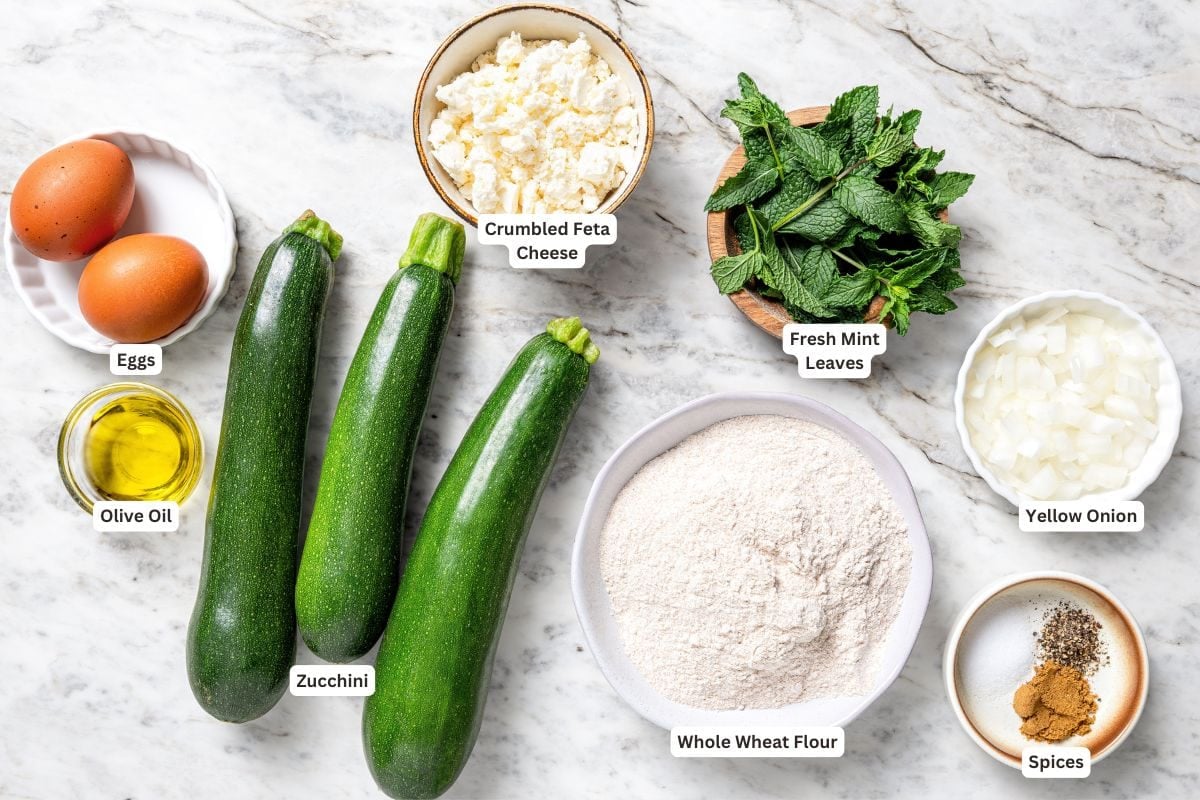
In an era where food costs are a significant concern for many households, the economic viability of preparing dishes like zucchini fritters with feta and mint adds another layer to their appeal. Zucchini, particularly during its peak season, is one of the most affordable vegetables available. This affordability, combined with the relative inexpensiveness of other staple ingredients such as flour, eggs, and common spices, positions the fritters as a budget-friendly meal option. The original estimation of approximately $1.66 per serving, as noted in previous culinary discussions, illustrates the cost-effectiveness, which can be further reduced for individuals who grow their own zucchini and mint.
This affordability makes healthy eating more attainable for a wider demographic, challenging the misconception that nutritious meals must be expensive. It aligns with broader consumer trends favoring economical yet wholesome home-cooked solutions over more costly takeout or processed food options. The concept of utilizing garden abundance or inexpensive seasonal produce to create flavorful meals is a cornerstone of prudent household management and contributes to a more sustainable personal economy.
Broader Impact on Home Cooking and Culinary Innovation
The enduring popularity of dishes like zucchini fritters with feta and mint signifies a broader impact on home cooking and culinary innovation. It empowers home cooks to experiment with fresh ingredients and traditional flavor combinations, fostering confidence in the kitchen. Recipes that offer both simplicity and delicious results encourage individuals to engage more actively in meal preparation, moving away from reliance on convenience foods. This engagement often leads to a greater appreciation for the provenance of food and the art of cooking.
Furthermore, such dishes inspire culinary creativity. They serve as a foundational concept upon which variations can be built, encouraging experimentation with different vegetables, cheeses, and herbs. This continuous innovation within home kitchens contributes to a dynamic food culture, where traditional recipes are preserved and reimagined for contemporary tastes and dietary needs. The sharing of these recipes, whether through digital platforms or community gatherings, also strengthens social bonds and cultural exchange, making food a central element of community life.
Preparation and Serving Suggestions
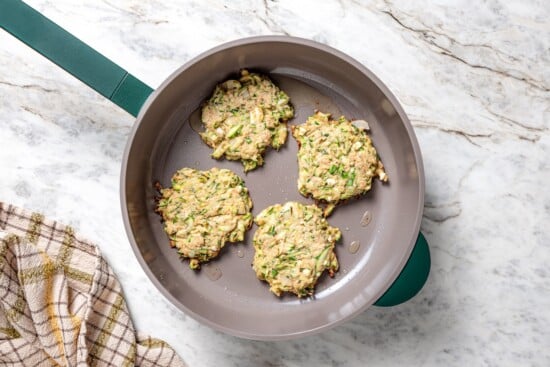
The preparation of these fritters typically involves grating fresh zucchini, often with a crucial step of extracting excess moisture to ensure a crisp texture. This liquid removal prevents the fritters from becoming soggy, a common pitfall. The shredded zucchini is then combined with crumbled feta cheese, finely chopped fresh mint, an egg or two to act as a binder, and a small amount of flour or breadcrumbs to achieve the desired consistency. A touch of cumin is often included to enhance the Mediterranean character, adding warmth and depth. The mixture is then portioned into small patties and pan-fried until golden brown and crispy on both sides.
Serving these fritters traditionally involves a cooling accompaniment. Tzatziki sauce, a creamy blend of Greek yogurt, cucumber, garlic, and dill, is a classic pairing that beautifully complements the savory fritters. Alternatively, a simple lemon-yogurt dip or even a fresh tomato salsa can provide a refreshing contrast. They can be presented as part of a meze platter with olives and hummus, or alongside grilled chicken or fish for a more substantial meal. The vibrant green of the zucchini and mint, contrasted with the white of the feta and the golden-brown crust, also makes them visually appealing, adding to their overall culinary charm.

In conclusion, zucchini fritters with feta and mint are more than just a recipe; they are a culinary phenomenon reflecting a harmonious blend of historical tradition, nutritional wisdom, and modern eating preferences. Their affordability, versatility, and alignment with sustainable practices make them a staple for summer dining. As consumers continue to seek wholesome, flavorful, and accessible meal options, this Mediterranean-inspired dish stands out as a testament to the enduring appeal of simple ingredients transformed into an extraordinary culinary experience.
