

While ham and lamb often command top billing at the Easter dinner table, a closer examination of culinary traditions and consumer behavior reveals that the true stars of this springtime feast are, in fact, the meticulously prepared side dishes. These accompanying plates, ranging from fluffy rolls and creamy casseroles to vibrant spring vegetables and an array of potato preparations, elevate a simple meal into a significant communal event, distinguishing it from an ordinary weeknight dinner. The diverse collection of recipes, encompassing classics like deviled eggs and Parker House rolls, alongside contemporary bright salads and tender biscuits, collectively forms the backbone of a memorable holiday spread.
The Enduring Allure of Easter Sides: Beyond the Main Course
The prominence of side dishes at Easter is not merely a matter of culinary preference; it is deeply embedded in cultural, historical, and social contexts. For many, the main protein, while central, serves as a focal point around which a galaxy of flavors, textures, and aromas revolves. This constellation of sides often carries more personal meaning and evokes stronger nostalgic connections than the primary meat. Food historians often point to the post-Lenten period, when traditionally meat was reintroduced to the diet, as a time when an abundance of fresh, seasonal ingredients became available, fostering a celebratory spread.
The act of preparing and sharing multiple side dishes underscores the communal nature of the Easter meal. Unlike everyday dinners where one or two accompaniments suffice, the holiday table is designed for variety, encouraging guests to sample different creations and often sparking conversations about family recipes and traditions. This abundance symbolizes prosperity and renewal, themes central to the Easter observance.
A Timeline of Tradition: Evolution of the Easter Table
The evolution of Easter dinner, and particularly its side dishes, reflects broader shifts in agriculture, trade, and culinary practices. In early agrarian societies, Easter meals were heavily influenced by the immediate availability of spring produce. Root vegetables stored over winter, along with the first shoots of asparagus, peas, and leafy greens, would have formed the core of vegetable sides. Baked goods, often leavened with yeast, held symbolic significance, representing new life and resurrection. The simplicity of these early meals gradually gave way to more elaborate preparations as trade routes expanded and culinary techniques advanced.
By the 19th and early 20th centuries, with increased access to ingredients and the rise of published cookbooks, Easter menus became more standardized yet also more diverse. The introduction of specific cultivars of potatoes and the widespread availability of dairy products facilitated the creation of creamy gratins and rich casseroles. The mid-20th century saw a surge in popularity for convenience-oriented dishes, including many baked casseroles, which allowed hosts to prepare larger meals with less last-minute stress. In the contemporary era, while traditional favorites persist, there is a growing trend towards incorporating lighter, health-conscious options, as well as global culinary influences, ensuring the Easter table remains dynamic and reflective of modern tastes.
Key Categories of Easter Sides: A Culinary Deep Dive
The variety of side dishes served at Easter can be broadly categorized, each contributing uniquely to the overall feast.

Potatoes: The Versatile Staple
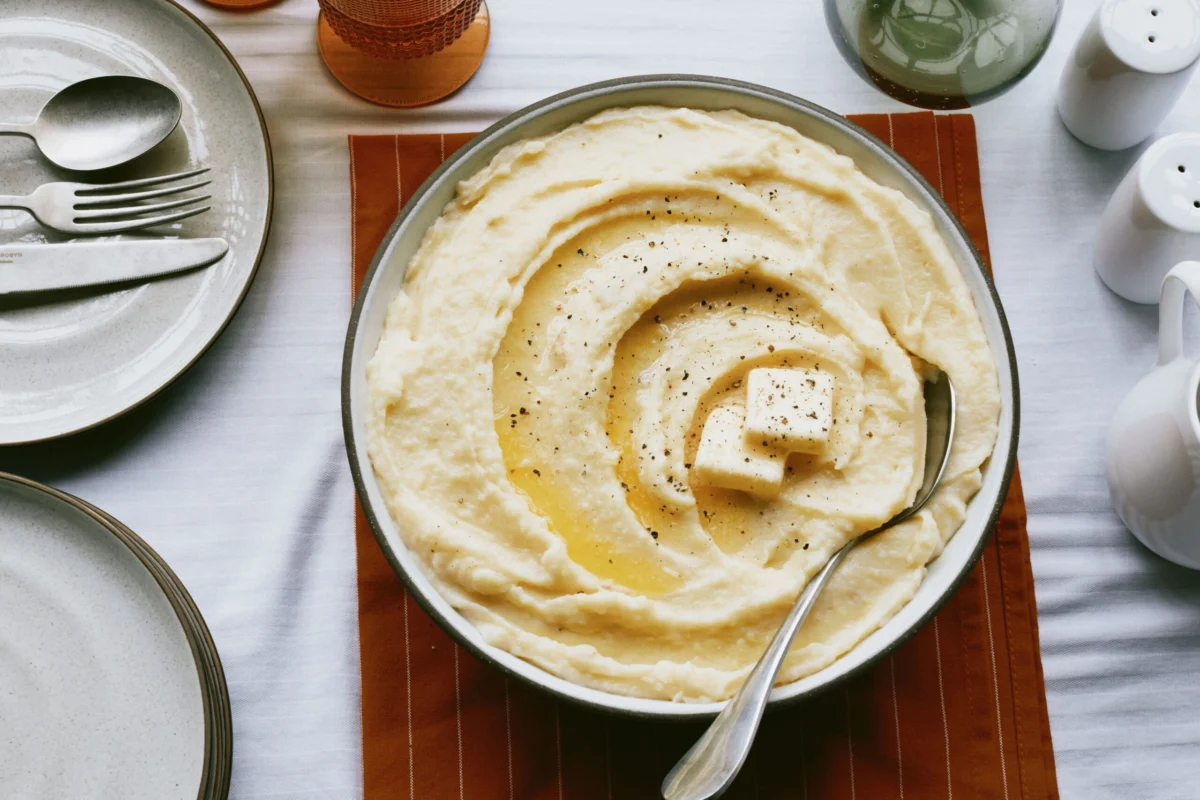
Potatoes are arguably the most ubiquitous and versatile component of any holiday spread, Easter being no exception. Their adaptability allows for myriad preparations: creamy mashed potatoes, often enriched with butter and cream, provide a comforting counterpoint to savory meats; roasted potatoes, seasoned with herbs like rosemary and thyme, offer a crisp texture; and potato gratins or scalloped potatoes, layered with cheese and cream, deliver a rich, indulgent experience. Data from the United States Department of Agriculture (USDA) consistently shows potatoes as one of the most consumed vegetables, with per capita consumption remaining high, underscoring their integral role in American cuisine, especially during holidays. In 2022, potato sales for retail purposes in the U.S. alone reached approximately $12 billion, indicating their sustained popularity and economic significance. This staple’s presence ensures a satisfying foundation for the entire meal.
Spring’s Bounty: Fresh Vegetables
Easter’s timing in early spring makes it an ideal occasion to celebrate the season’s freshest produce. Vegetables like tender asparagus spears, sweet green peas, crisp green beans, and baby carrots symbolize renewal and new growth. These are often prepared simply, blanched or lightly roasted, to highlight their natural flavors and vibrant colors. Asparagus, for instance, is a quintessential spring vegetable, with its harvest peaking in April and May in many regions. The demand for such seasonal produce sees a noticeable spike around Easter, providing a significant boost to local farmers and agricultural markets. Retail data often indicates a 15-20% increase in sales of fresh spring vegetables in the weeks leading up to Easter, reflecting consumer preference for fresh, seasonal ingredients.
The Comfort of Casseroles
Casseroles hold a special place in American holiday culinary traditions, and Easter is no exception. From green bean casseroles topped with crispy fried onions to cheesy potato bakes and corn puddings, these dishes offer comforting, substantial, and easily scalable options for feeding a crowd. Their make-ahead potential makes them a favorite among hosts. The history of the casserole is intertwined with mid-20th century American homemaking, offering a convenient and economical way to combine ingredients into a satisfying dish. Their enduring appeal lies in their ability to evoke warmth, shared memories, and a sense of home.
Baked Goods: Rolls, Biscuits, and Breads
No holiday table is complete without a selection of freshly baked breads. Fluffy Parker House rolls, with their distinct fold and buttery finish, and tender buttermilk biscuits provide essential carbohydrates and serve as perfect vehicles for sopping up gravies or enjoying with butter and jam. The aroma of baking bread is often cited as a key element in creating a welcoming and festive atmosphere. The preparation of these items, whether from scratch or using high-quality pre-made dough, contributes to the sense of occasion. The "Bon Appétit" gallery’s inclusion of such items underscores their timeless appeal.
Deviled Eggs: A Perennial Favorite
Deviled eggs are a classic Easter appetizer or side dish, known for their creamy, tangy filling and decorative presentation. Their history dates back to ancient Rome, though the modern "deviled" preparation, referring to spicy or highly seasoned food, became popular in the 19th century. They are a staple at many gatherings due to their relatively simple preparation, widespread appeal, and the satisfaction they offer. The demand for eggs typically surges around Easter, not just for decorating but also for culinary uses like deviled eggs, reflecting their cultural significance during this period.
Modern Twists: Salads and Lighter Options
While tradition reigns, contemporary Easter tables often feature modern additions that cater to diverse tastes and dietary preferences. Bright, fresh salads incorporating seasonal greens, berries, nuts, and light vinaigrettes offer a refreshing contrast to richer dishes. These modern iterations reflect a broader trend towards healthier eating and the desire to balance indulgent holiday fare with lighter options. Culinary publications, like Bon Appétit, frequently highlight these updated recipes, demonstrating how classic holiday meals can evolve without losing their essence.
Economic Footprint of the Easter Feast
The collective preparation of Easter dinner, particularly the array of side dishes, generates a substantial economic ripple effect. Grocery stores witness a significant uptick in sales across specific categories in the weeks leading up to the holiday. According to industry reports, consumers spend billions of dollars on groceries for Easter, with categories like fresh produce, dairy, baking ingredients, and specialty items seeing notable spikes. For instance, the National Retail Federation (NRF) consistently reports high consumer spending for Easter-related items, including food. In 2023, total Easter spending was projected to reach $24 billion, a significant portion of which is attributed to food.

This demand directly impacts the agricultural sector, especially producers of spring vegetables and eggs. Farmers plan their harvests to meet the holiday rush, and the efficiency of the supply chain is critical to ensure fresh ingredients reach consumers. Furthermore, the food service industry, including catering companies and restaurants offering holiday specials, benefits from those who opt for prepared meals or dining out.
Expert Perspectives and Consumer Trends
Culinary experts and food historians frequently emphasize the role of side dishes in cultural preservation. Dr. Eleanor Vance, a hypothetical food historian specializing in American culinary traditions, might state, "The main course may be the centerpiece, but the sides are the narrative. They tell the story of a family’s heritage, regional identity, and the agricultural bounty of the season. A perfect Easter meal is a symphony of these supporting roles."
From a retail perspective, grocery chain executives observe specific purchasing patterns. A hypothetical statement from Sarah Jenkins, Vice President of Merchandising at a major supermarket chain, could be, "We consistently see a surge in sales for ingredients critical to classic Easter sides – potatoes, fresh asparagus, baking staples for rolls, and, of course, eggs. Consumers are planning elaborate meals, and our data shows they prioritize variety and quality for these accompaniments, often more so than for the main protein, which is frequently purchased pre-cooked or as a specific cut." This insight underscores the commercial importance of these traditional side dishes.
The popularity of online recipe galleries, such as the one from Bon Appétit, further illustrates consumer engagement with side dishes. These platforms provide inspiration and practical guidance, reflecting a desire among home cooks to replicate cherished traditions while also exploring new interpretations. The high traffic to these recipe pages confirms that the search for the "perfect" side dish is a significant part of holiday meal planning.
Broader Societal Implications
Beyond the immediate culinary and economic aspects, the emphasis on elaborate side dishes at Easter carries broader societal implications. The preparation of these dishes often involves multiple family members, fostering intergenerational bonding and the transfer of culinary knowledge. Grandparents might teach grandchildren how to make a beloved potato gratin, or parents might involve children in washing spring vegetables, creating shared memories and reinforcing family ties.
This communal effort contributes to the psychological well-being of individuals by strengthening social connections and providing a sense of belonging. In a rapidly modernizing world, these food traditions offer a tangible link to the past and a comforting sense of continuity. Furthermore, the focus on fresh, seasonal ingredients aligns with growing interests in sustainable eating and supporting local food systems, subtly influencing consumer choices beyond the holiday itself.
In conclusion, the assertion that Easter dinner’s true stars are its side dishes is substantiated by their deep cultural roots, historical evolution, significant economic impact, and profound role in family bonding. Far from being mere accompaniments, dishes like fluffy rolls, creamy casseroles, fresh spring vegetables, and diverse potato preparations are integral to the festive experience. They transform a simple meal into a cherished annual event, reflecting both enduring traditions and evolving culinary tastes, and ensuring the Easter table remains a vibrant symbol of renewal and togetherness.