

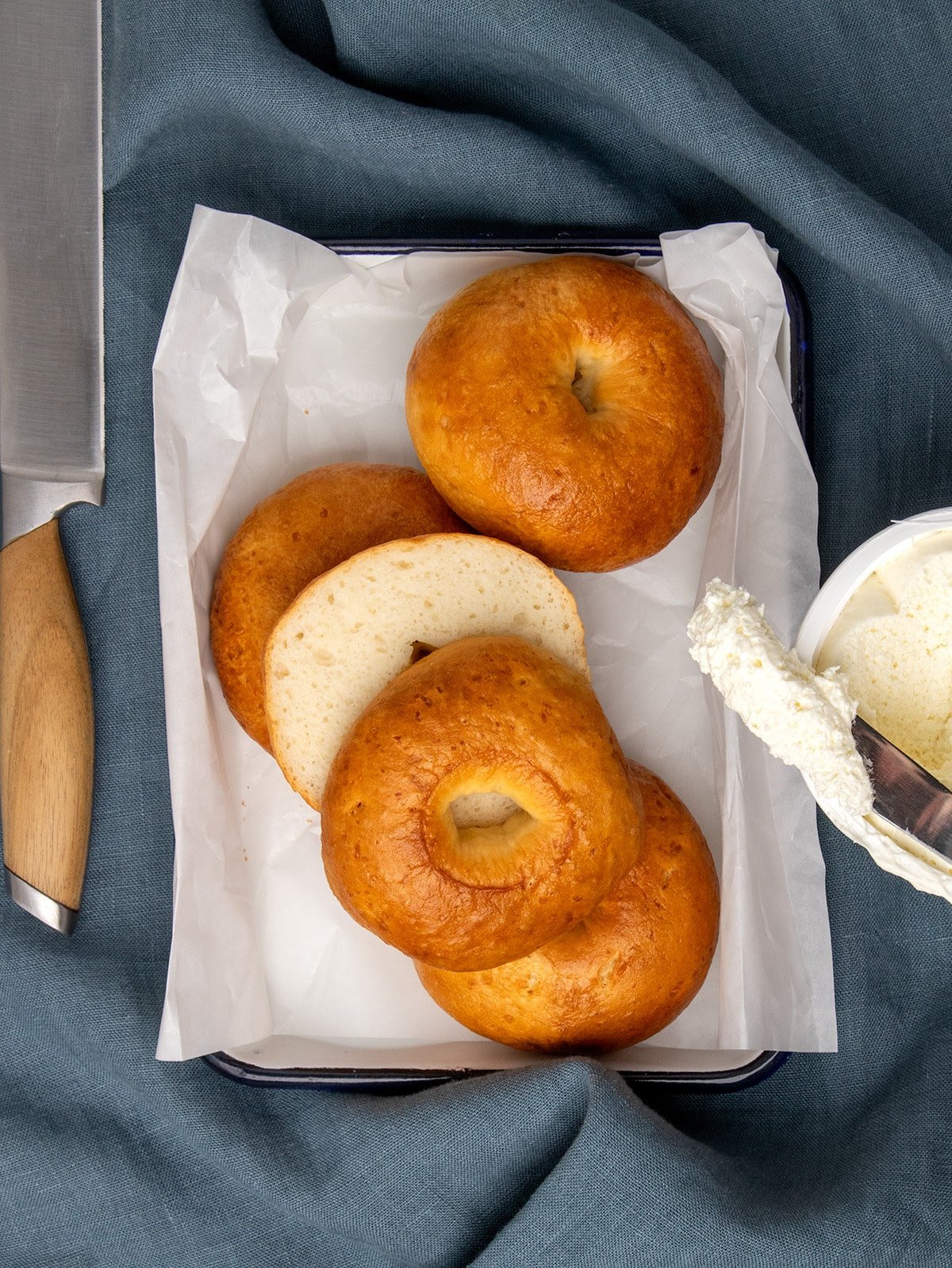
For many, the quest for a truly authentic gluten-free bagel has been a long and often disappointing journey. However, a new recipe promises to deliver the chewy crust and satisfyingly dense interior that New Yorkers, and bagel aficionados worldwide, have come to expect. Developed with a deep understanding of traditional bagel-making techniques, this gluten-free version incorporates specific methods and ingredients designed to replicate the iconic taste and texture of a classic New York bagel, a staple that many believed was unattainable in a gluten-free format.
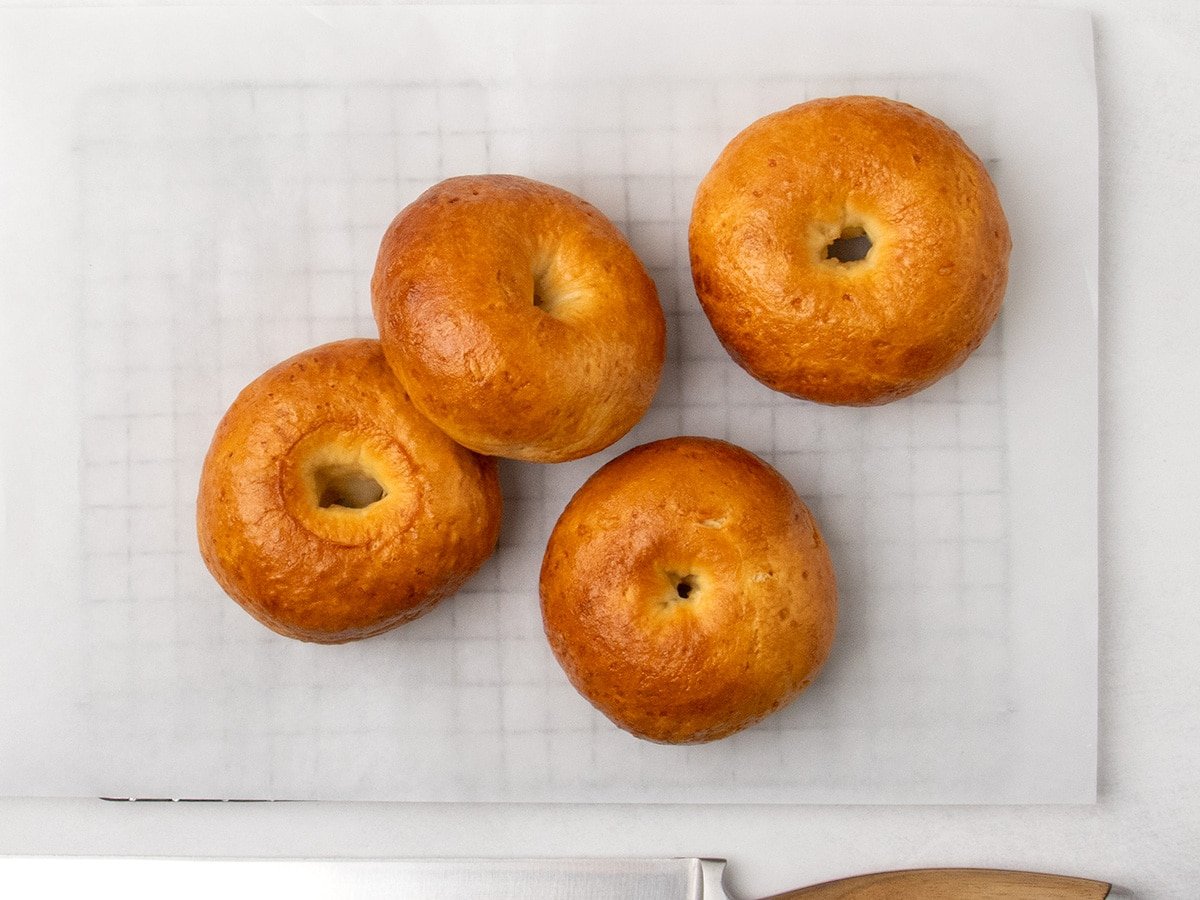
The Secret to a Perfect Gluten-Free Bagel
The key to this recipe’s success lies in a two-pronged approach: a cold rise for dough manageability and a crucial boiling step before baking. The author, a self-proclaimed born-and-raised New Yorker, emphasizes that the dough’s texture is significantly improved by a period of refrigeration. This cold rise not only makes the dough easier to handle and shape but also allows for the development of a richer, more complex yeasty flavor. This technique is a departure from many gluten-free recipes that often require immediate shaping and baking to prevent dough breakdown.
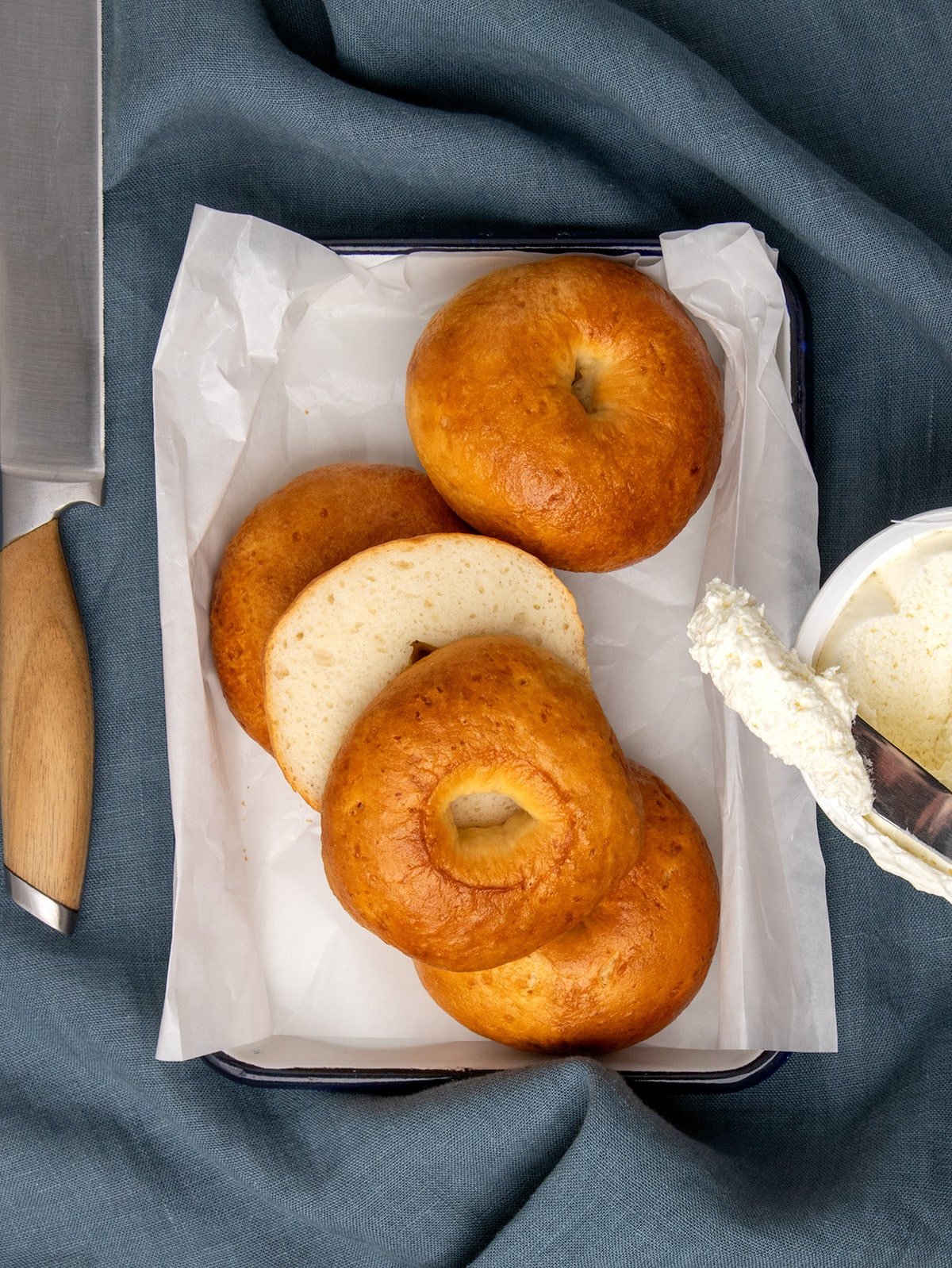
The second critical element is the boiling bath. Before hitting the oven, the shaped bagels are submerged in a solution of water and unsulfured molasses. This step is fundamental to achieving the characteristic chewy crust and slightly crisp exterior that defines a New York bagel. The boiling process gelatinizes the starches on the surface of the dough, which then sets during baking, preventing the excessive puffing that can occur with oven-baked goods and contributing to that desirable dense, chewy texture.
A Recipe Rooted in Tradition and Innovation
This recipe aims to bridge the gap for individuals with gluten sensitivities or celiac disease who miss out on one of America’s most beloved baked goods. The author highlights that the recipe incorporates ingredients specifically chosen to aid in browning, such as an egg wash applied before baking, and extra tapioca starch, which is vital for achieving the signature chewiness. These elements, combined with the cold rise and boiling technique, are presented as the pillars of this gluten-free bagel triumph.
The versatility of these gluten-free bagels is also a significant selling point. They can be enjoyed in a multitude of ways: plain, toasted with butter or cream cheese, or as the foundation for elaborate sandwiches. For those seeking a sweeter option, the article suggests topping them with sesame or poppy seeds, everything seasoning, or even a cinnamon-sugar blend after the egg wash. This adaptability ensures that the gluten-free bagel can seamlessly integrate into various meal occasions and culinary preferences.
Understanding the Key Ingredients
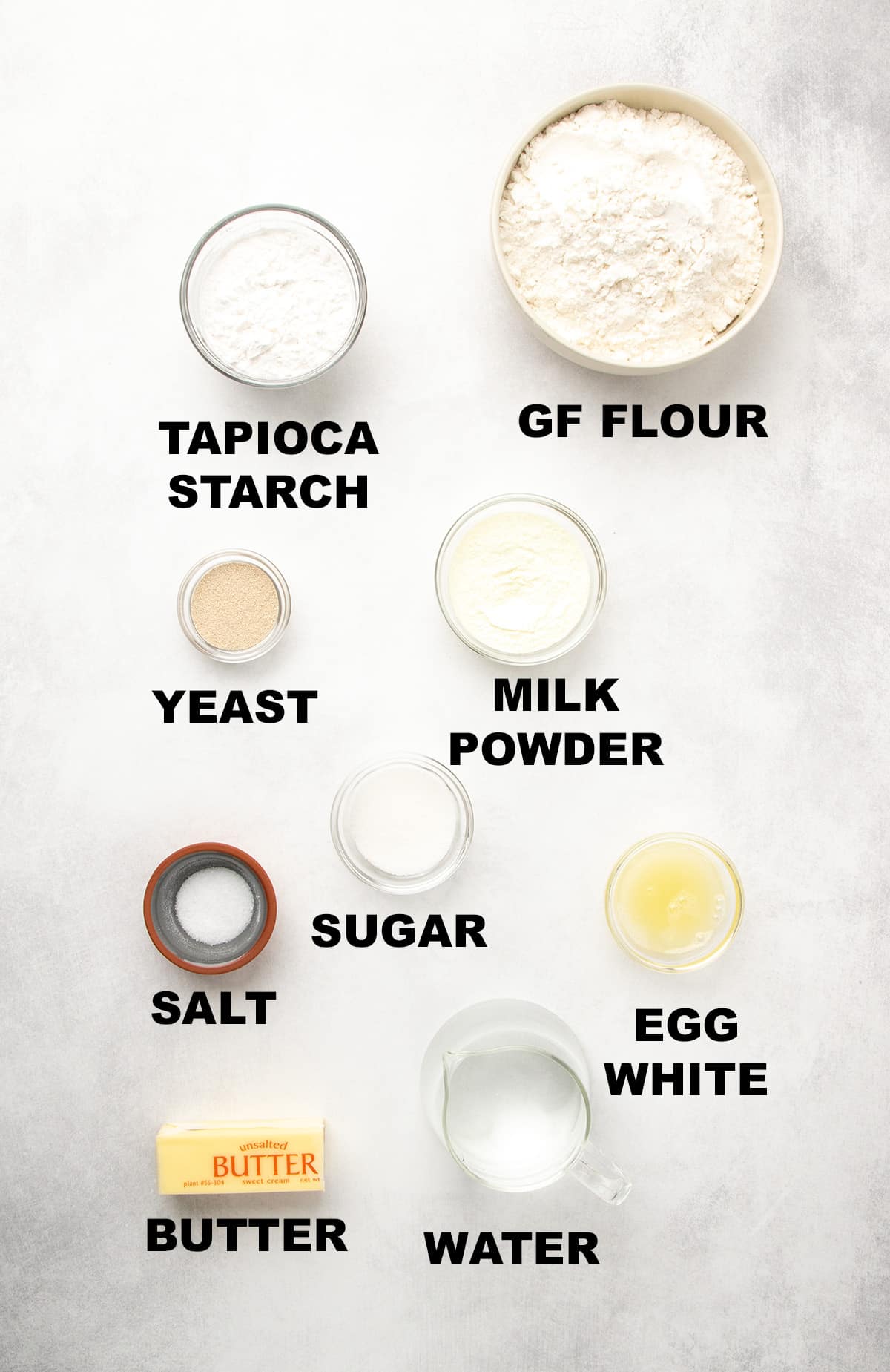
The success of any recipe hinges on the quality and understanding of its ingredients. This gluten-free bagel recipe utilizes a blend of components, each playing a specific role in achieving the desired outcome:
- Gluten-Free Flour Blend with Xanthan Gum: The base of the dough, a well-balanced blend is crucial. The author recommends specific blends known for their performance in yeast-leavened baked goods, emphasizing that not all gluten-free flour blends are created equal and can significantly impact the final texture and structure of the bagels. Xanthan gum acts as a binder, mimicking the role of gluten in traditional baking.
- Tapioca Starch: This ingredient is highlighted as particularly important for providing structure, stretch, and a smooth texture to the gluten-free dough. The recipe calls for an additional amount beyond what might be present in a standard flour blend, underscoring its significance.
- Milk Powder: This ingredient contributes to browning and a tender crumb. For dairy-free adaptations, coconut milk powder is suggested as a viable alternative.
- Yeast: Essential for leavening, the recipe specifies instant yeast for ease of use, though active dry yeast can be substituted with an adjustment for proofing.
- Salt: Crucial for flavor and controlling yeast activity, it is added separately to prevent direct contact with the yeast, which can inhibit its growth.
- Sugar: Feeds the yeast, aiding in fermentation and contributing to browning.
- Butter: Adds richness and tenderness to the dough. For dairy-free options, vegan butter alternatives are recommended.
- Water: The liquid component that hydrates the flour and activates the yeast. The temperature of the water is important for optimal yeast activity.
- Egg White: Used both in the dough for structure and in the egg wash for a glossy, golden-brown finish. Aquafaba is suggested as an egg-free alternative for the dough, and melted butter or cream for the egg wash.
- Unsulfured Molasses: This is the secret ingredient for the boiling bath, contributing to the characteristic flavor and color of the boiled crust.
A Step-by-Step Guide to Crafting Gluten-Free Bagels
The process of making these gluten-free bagels involves several distinct stages, each meticulously outlined to guide the baker:
Making the Raw Dough
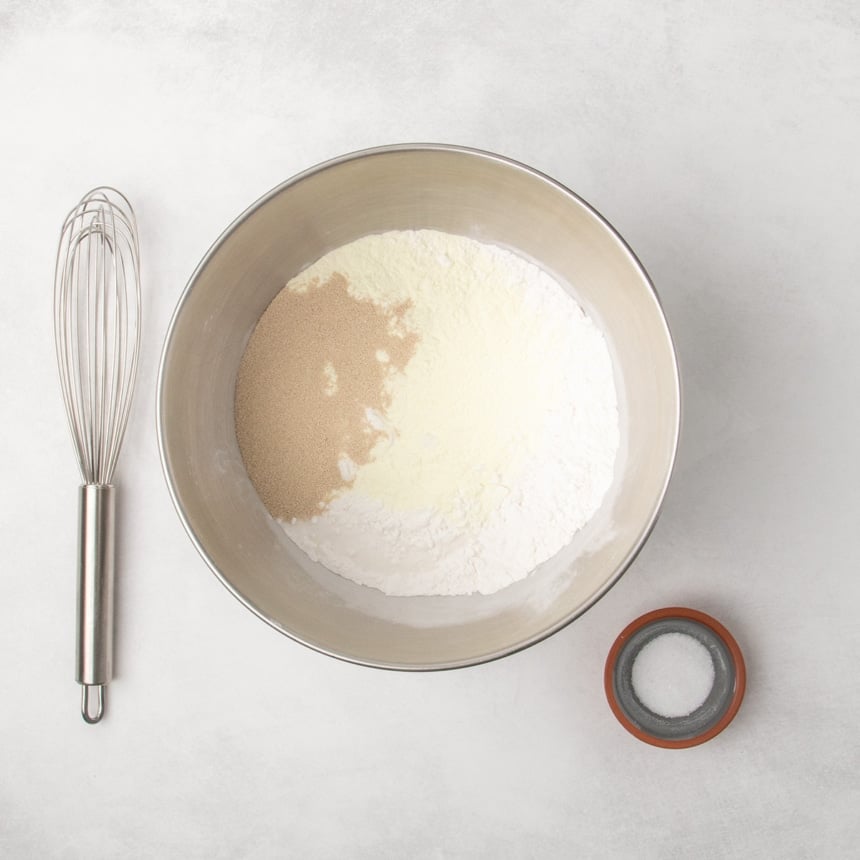
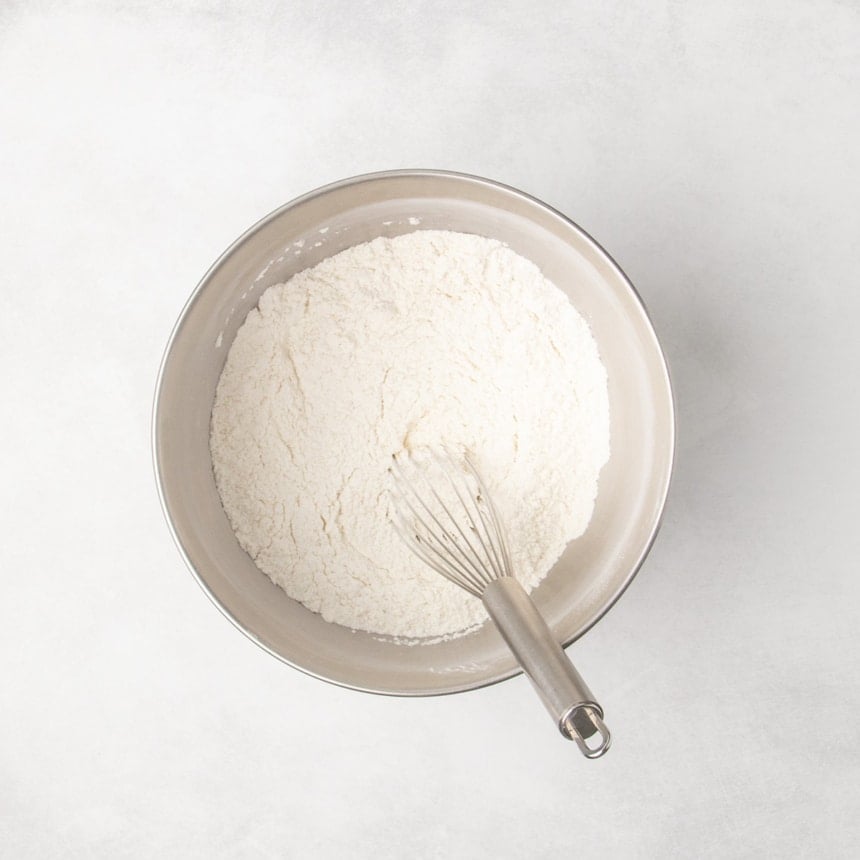
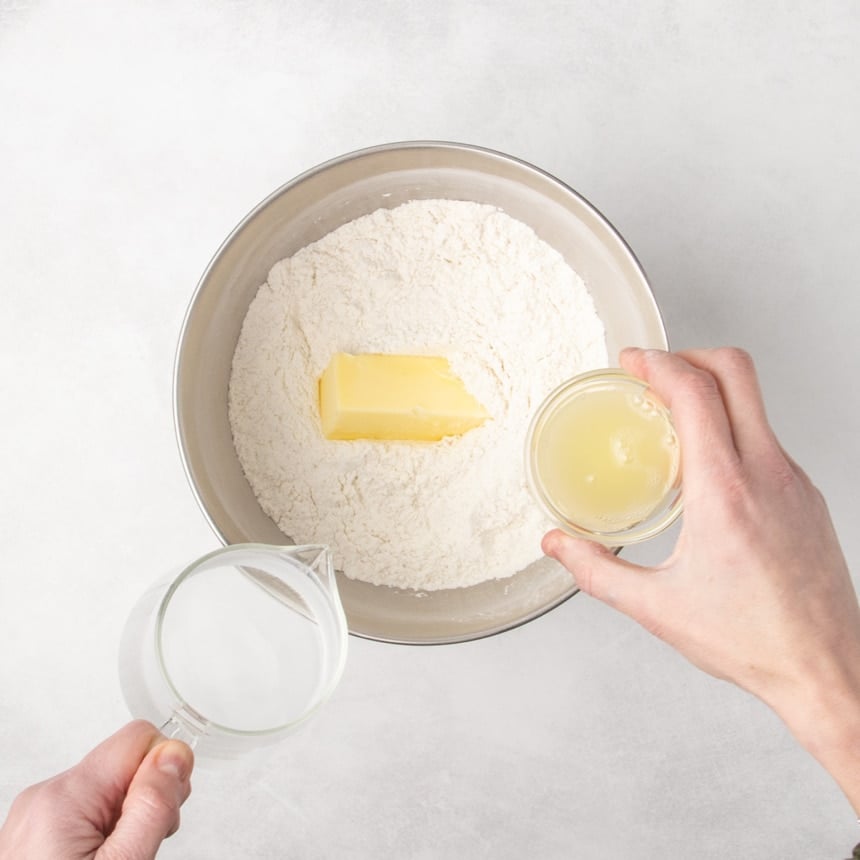
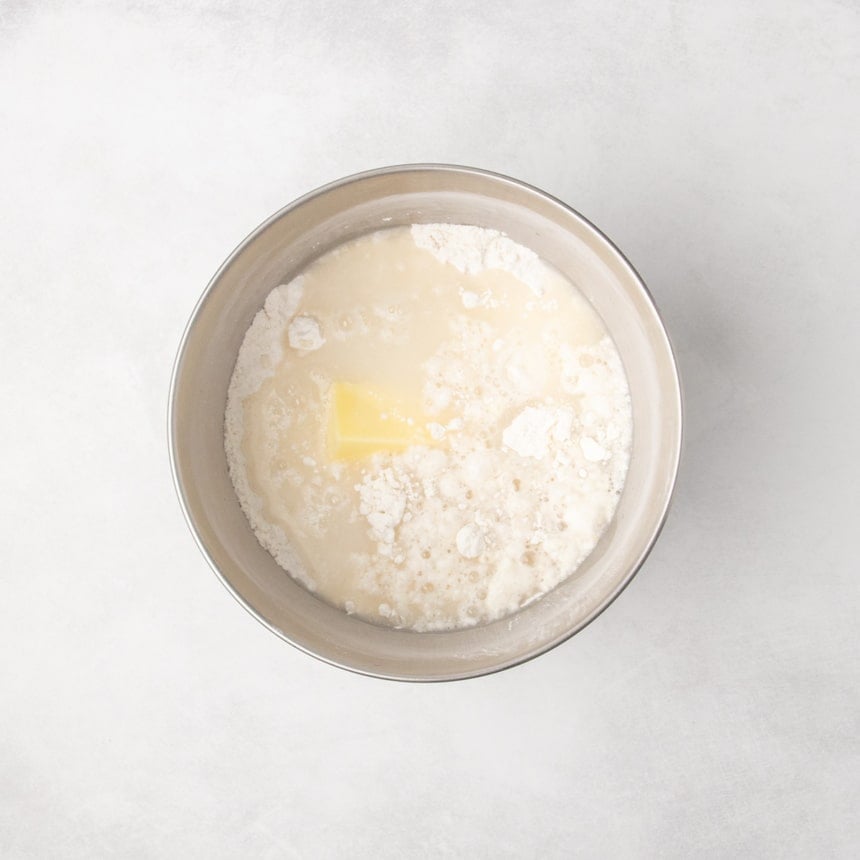
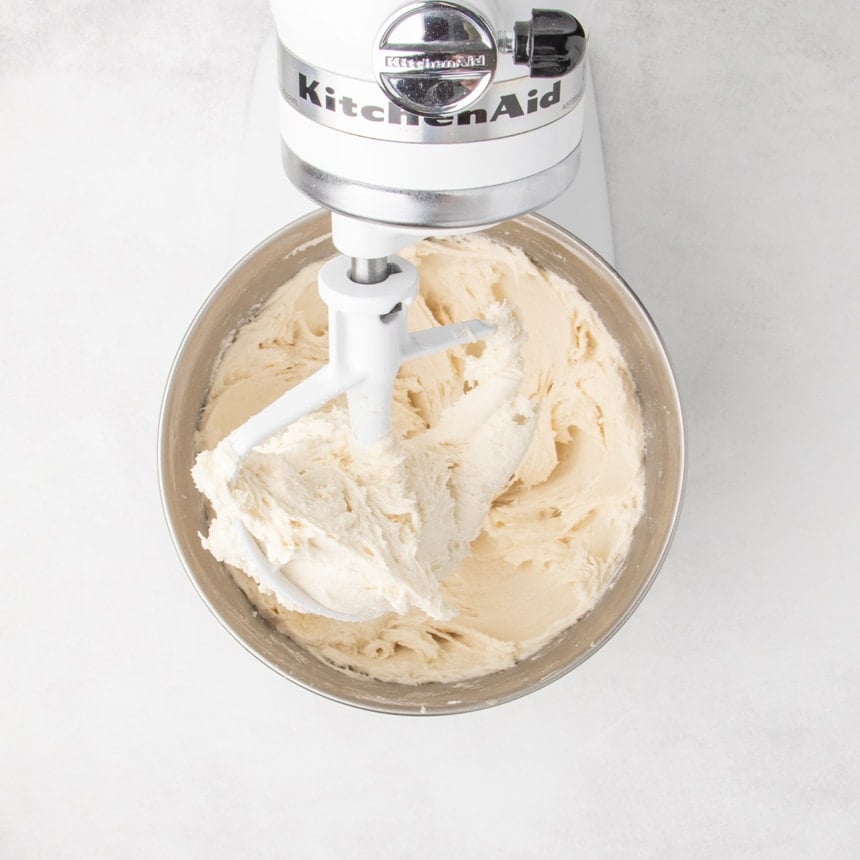
The initial step involves combining the dry ingredients in a stand mixer bowl, ensuring even distribution. Salt is added after the other dry components to avoid direct contact with the yeast. Softened butter, a room-temperature egg white, and warm water are then introduced. The dough is mixed on medium-low speed until moistened, then on medium-high speed for approximately four minutes. The goal is a cohesive dough that clings to the sides of the bowl and exhibits an airy, whipped appearance. This extended mixing time is crucial for developing the structure in gluten-free dough, which lacks the gluten network of traditional bread.
Chilling the Unshaped Dough
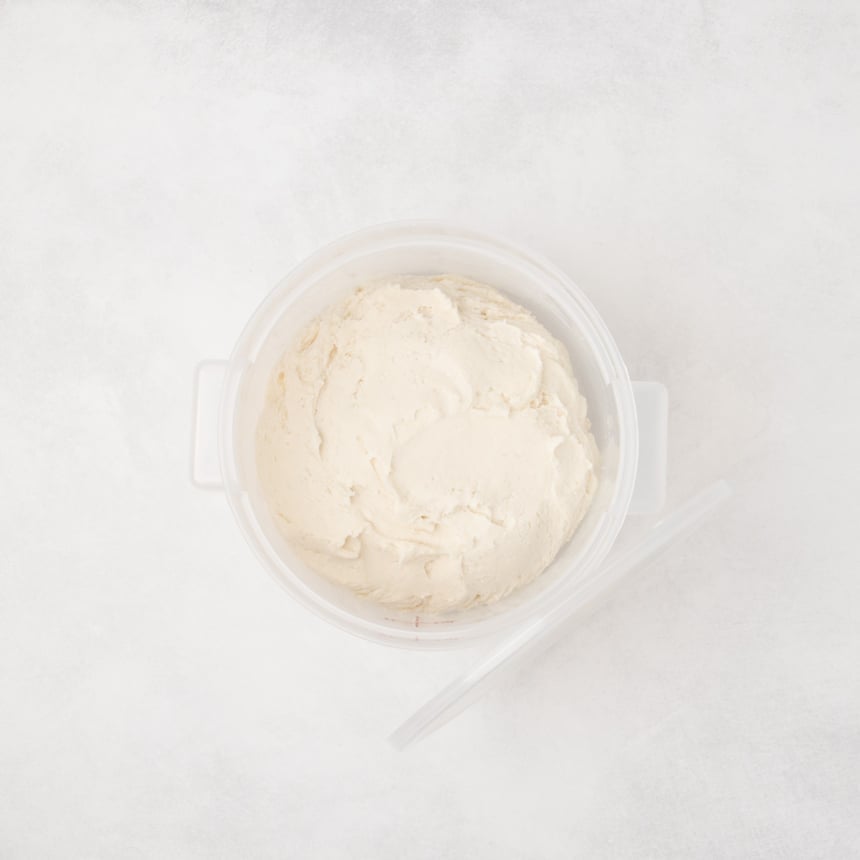
Once mixed, the raw dough is transferred to a container, covered tightly, and refrigerated for at least 30 minutes, and up to two days. This cold rise is a critical step that allows the flavors to develop and the flours to fully absorb moisture. It also firms up the butter, making the dough significantly easier to handle and shape. This period of rest is a hallmark of artisanal bread-making, contributing depth of flavor and improved texture.
Shaping the Bagels
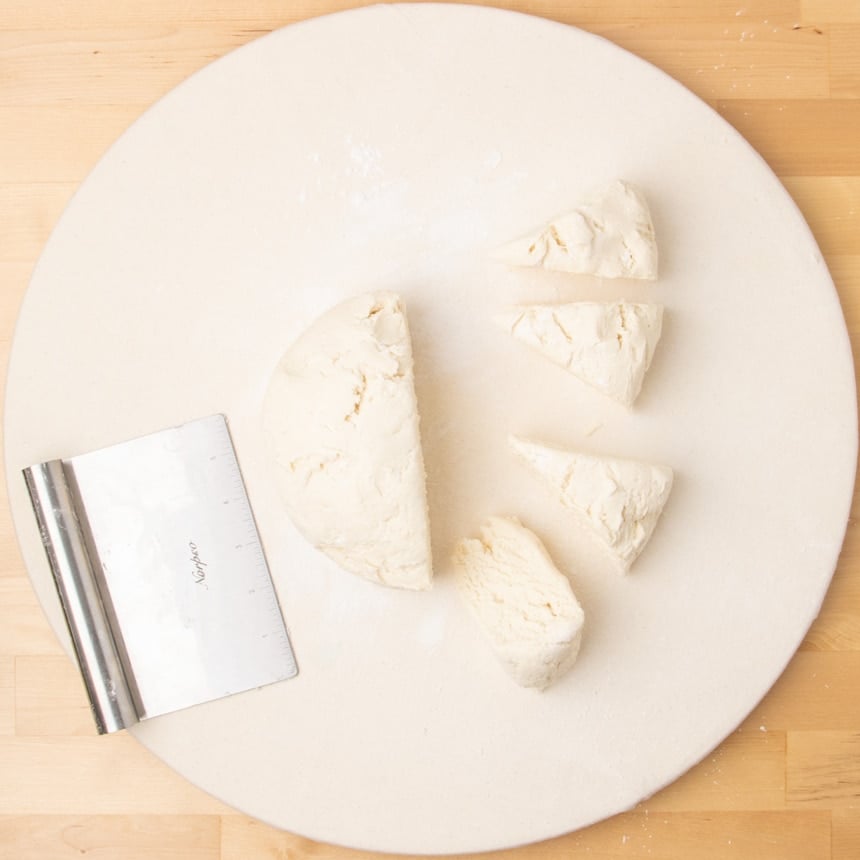
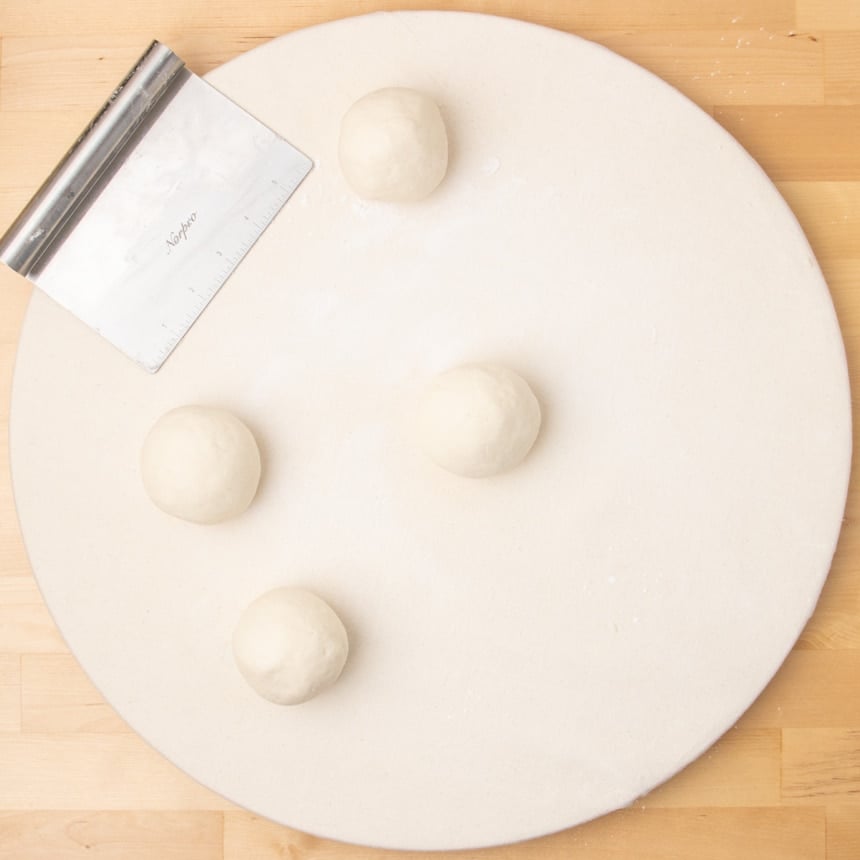
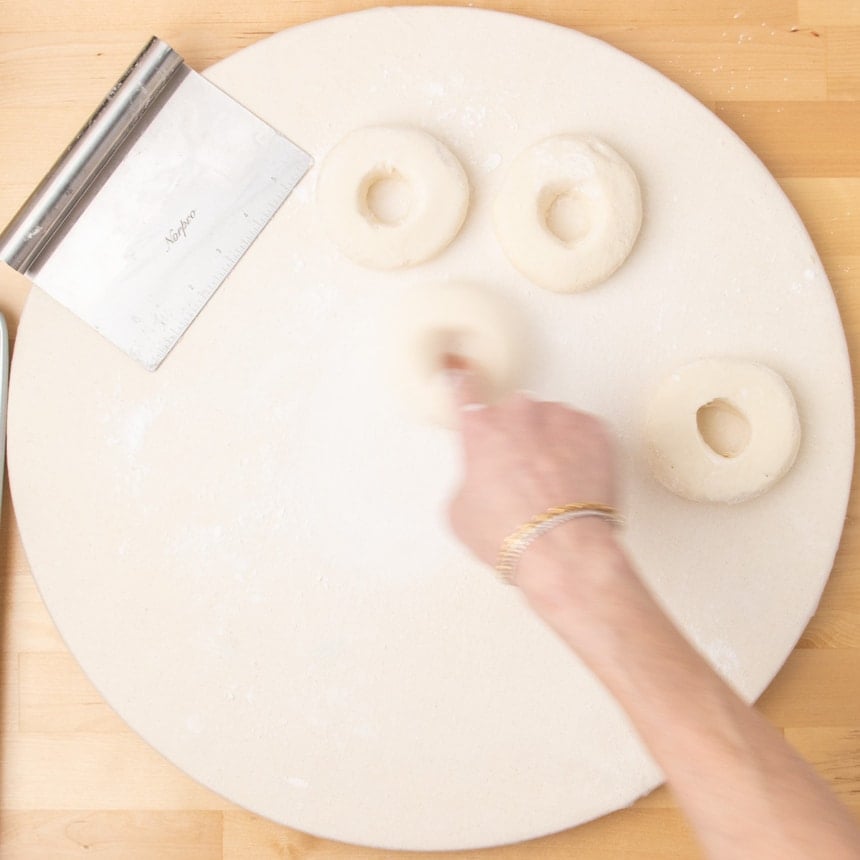
After the cold rise, the dough is turned out onto a surface lightly dusted with tapioca starch. It is then divided into equal portions, typically weighing a little over four ounces each, to ensure uniform rising and baking. Each portion is then shaped into a round using a technique that involves cupping the hand around the dough and moving it in a circular motion to create tension and a smooth surface. This method is preferred over rolling a cylinder and joining the ends, as the latter can lead to separation during the boiling or baking process.
Creating the characteristic bagel hole involves pressing each round into a disk and then using a floured finger to poke through the center from both sides, rotating the dough to enlarge the opening. This careful shaping is essential for the bagel’s final appearance and structural integrity.
Letting the Shaped Bagels Rise
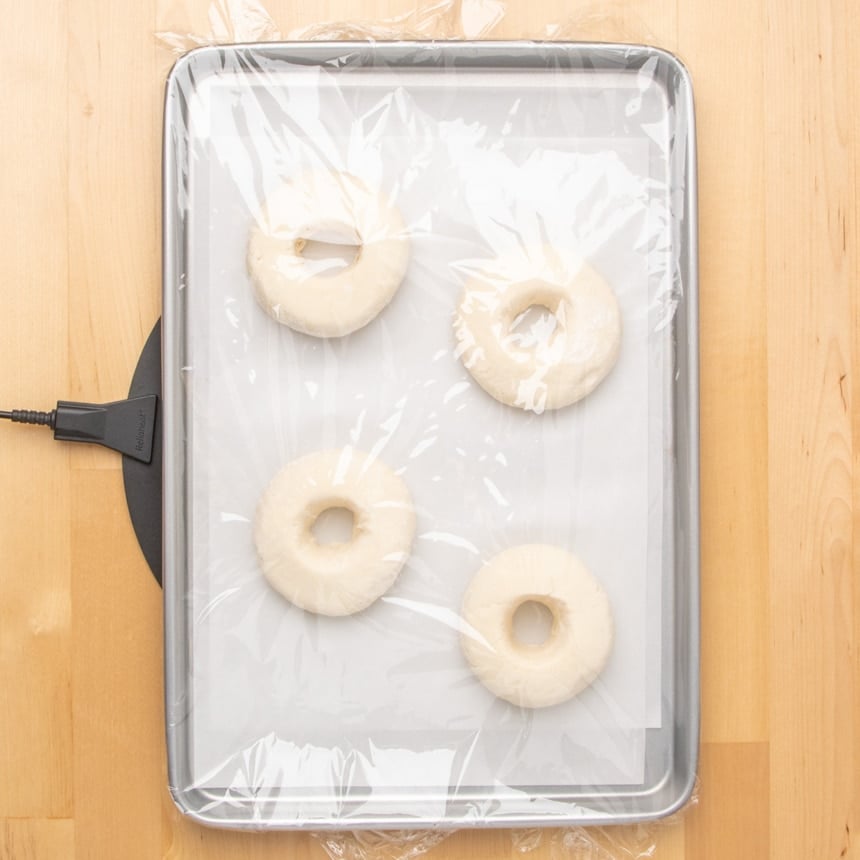
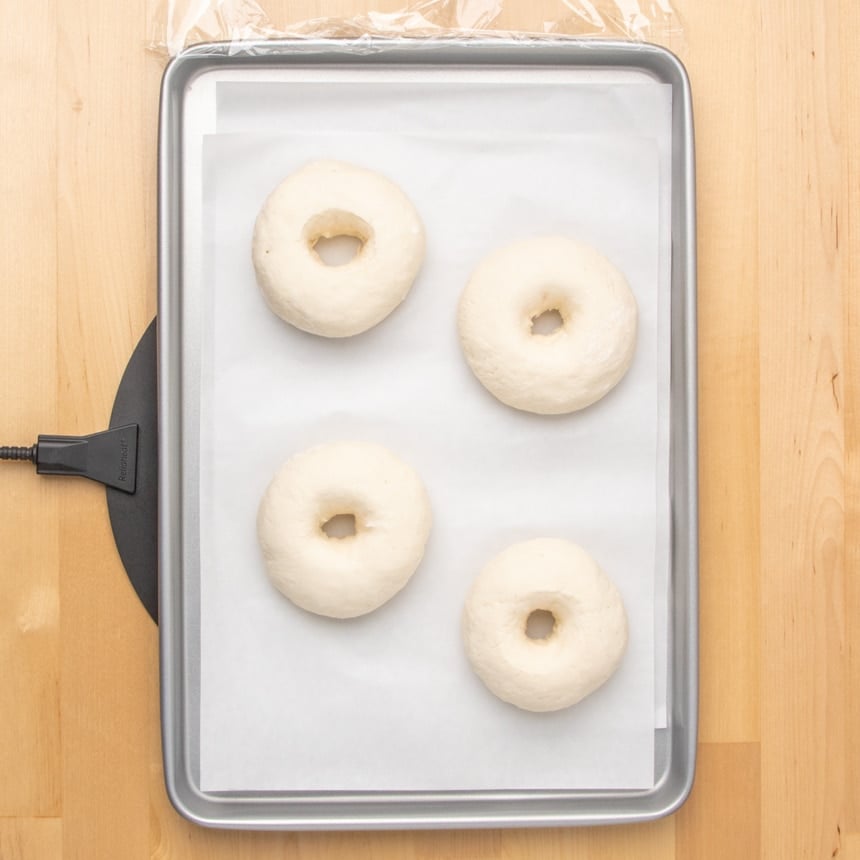
The shaped bagels are placed on parchment-lined baking sheets, spaced about two inches apart, and covered lightly with plastic wrap. They are then allowed to rise until they have increased in size by approximately 50%. This is a crucial stage where bakers must be mindful of the environment, as temperature and humidity can affect proofing time. Unlike wheat doughs, gluten-free dough will not typically double in size while maintaining its shape, and over-proofing can lead to a dough that disintegrates during boiling.
Boiling the Risen Raw Bagels
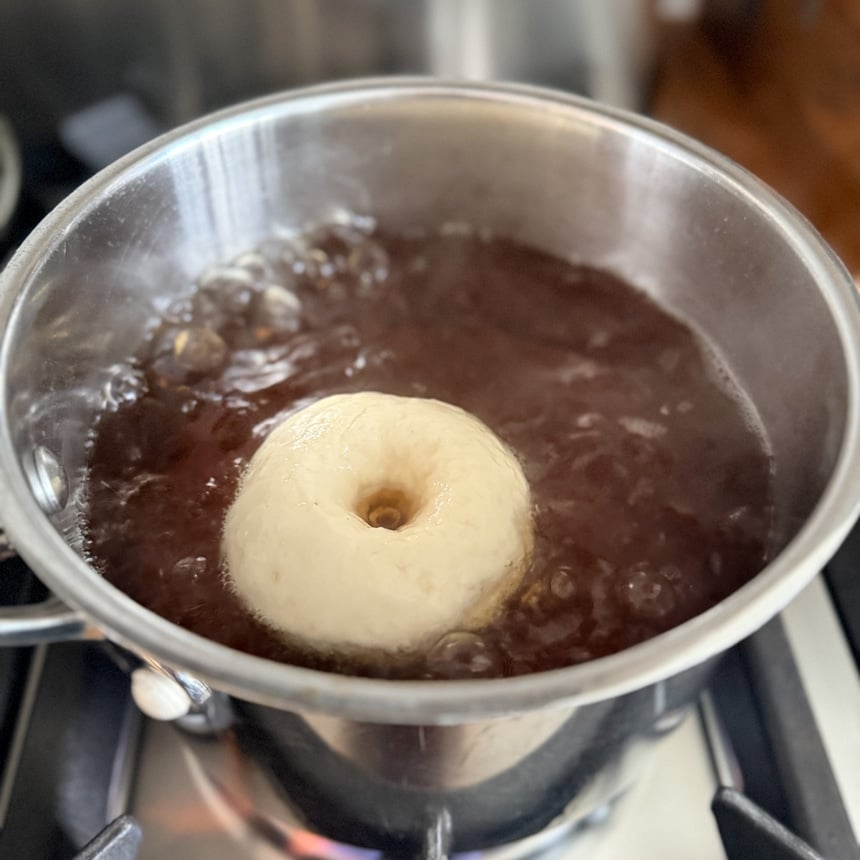
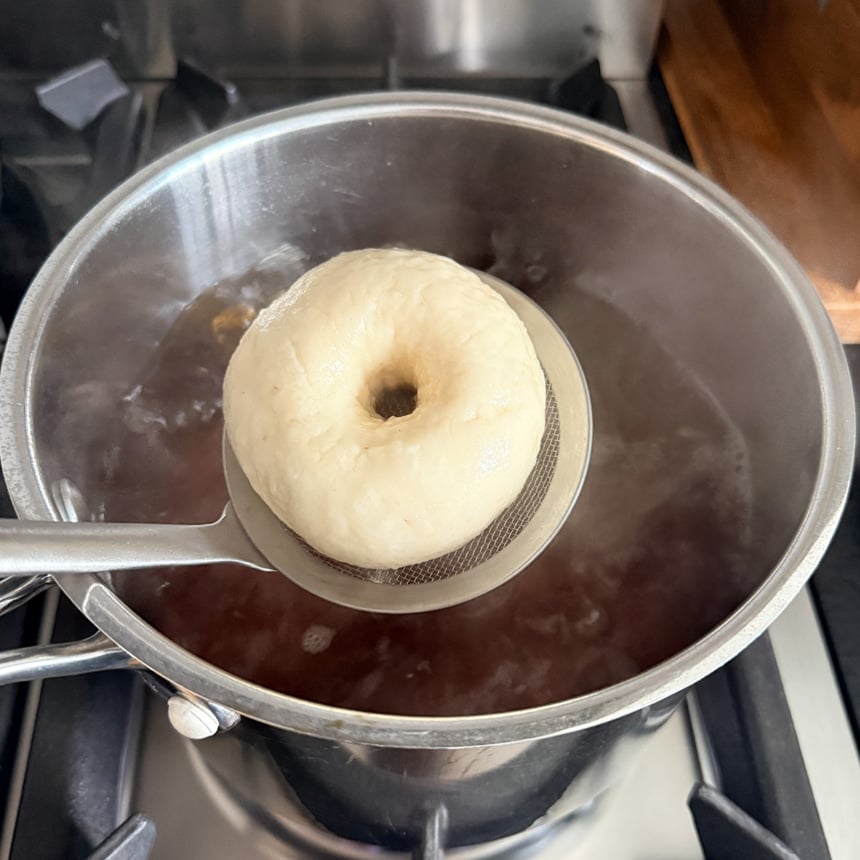
This is perhaps the most distinctive step in bagel making. A large pot of water is brought to a rolling boil, with unsulfured molasses added to create the characteristic bath. Each risen bagel is briefly boiled, less than a minute in total, being flipped to ensure even cooking. This process sets the exterior starches, preventing excessive puffing in the oven and contributing to the chewy texture.
Baking the Bagels
After boiling, the bagels are returned to the baking sheet and brushed with an egg wash to promote browning and a glossy finish. They are then baked at 375°F (190°C) for approximately 25 minutes, rotating the pan halfway through. The bagels are ready when they are a deep golden brown, spring back when gently pressed, and register around 180°F (82°C) on an instant-read thermometer. The bottoms may appear slightly darkened due to the molasses bath, but this is a cosmetic characteristic that does not affect the taste.
Expert Tips for Bagel Perfection
- Flour Blend Choice: The article strongly advises using a well-balanced gluten-free flour blend specifically designed for yeast-leavened baked goods. Blends lacking adequate structure or balance will not yield successful bagels.
- Stand Mixer Use: While a stand mixer with a paddle attachment is ideal for achieving the necessary dough aeration, alternative methods using a food processor are also suggested for those without this equipment.
- Avoiding Overproofing: Bakers are cautioned against allowing the shaped dough to rise too much, as this can compromise its structure and lead to its disintegration during the boiling process. Signs of overproofing include a dimpled appearance.
- The Importance of Boiling: The article reiterates that boiling is non-negotiable for achieving authentic bagel texture. It is the step that creates the characteristic chewy crumb and is impossible to replicate with simply shaping and baking.
Adaptations for Dietary Needs
The recipe also provides guidance for those with specific dietary requirements:
- Dairy-Free: Coconut milk powder can be substituted for milk powder, and vegan butter alternatives like Miyoko’s, Melt, or Trader Joe’s brand can replace dairy butter.
- Egg-Free: For those unable to use egg whites, aquafaba (the brine from a can of chickpeas), beaten until foamy, is a suitable replacement in the dough. For the egg wash, melted butter or cream can be used.
Storage and Enjoyment
Freshly baked gluten-free bagels are best consumed within a day or two, though they can be stored tightly wrapped. For longer storage, they freeze exceptionally well after cooling. Slicing them in half horizontally before freezing in an airtight container preserves their quality for up to three months. They can be defrosted at room temperature or briefly microwaved and then toasted to recapture their fresh-baked crispness.
The development of this gluten-free bagel recipe represents a significant advancement for individuals seeking to recreate beloved baked goods without gluten. By meticulously adhering to traditional techniques and incorporating specific gluten-free baking science, the recipe offers a tangible path to enjoying authentic, chewy, and flavorful bagels at home. The emphasis on both the cold rise and the boiling process underscores the commitment to authenticity, ensuring that the gluten-free experience is not a compromise but a true culinary delight.