

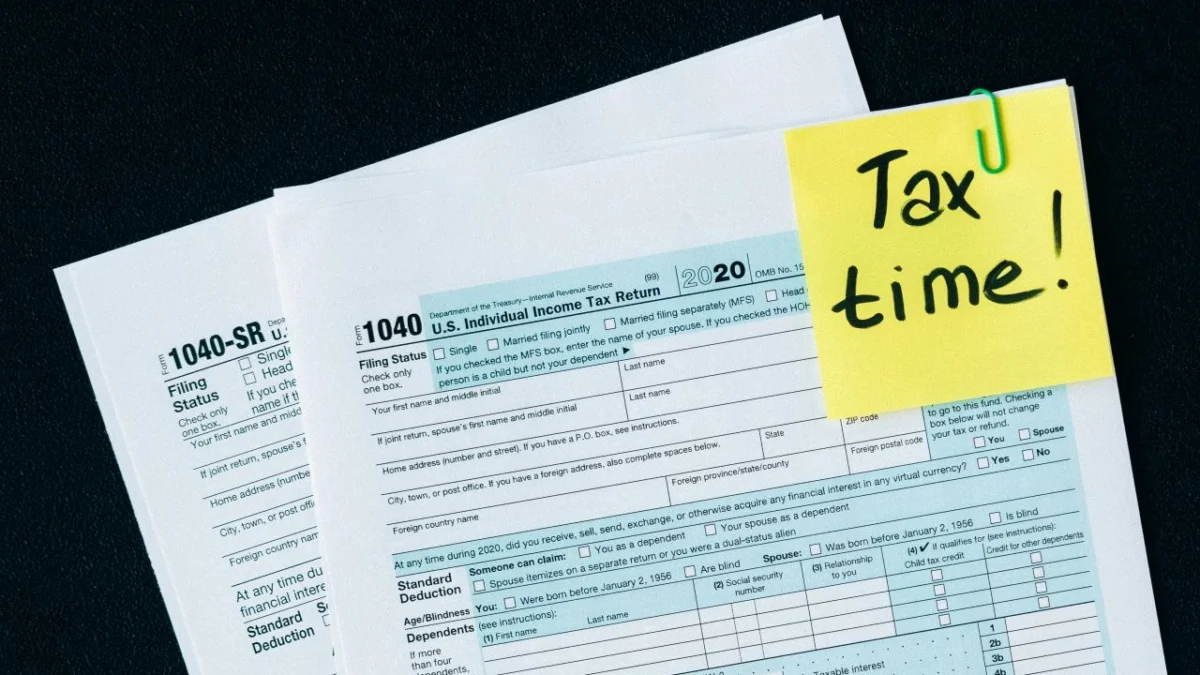
As 2026 dawned, a wave of cautious optimism rippled through the restaurant industry. The recent passage of the "One Big Beautiful Bill Act" had injected a sense of anticipation, with many believing the anticipated tax refunds would provide a much-needed discretionary spending boost for consumers who had, for an extended period, significantly curtailed their restaurant visits. This sentiment was echoed in the fourth-quarter earnings calls that punctuated February, signaling a potential turnaround for a sector grappling with persistent economic headwinds.
Executives from prominent restaurant chains publicly acknowledged the potential positive impact of these refunds. Scott Boatwright, Chief Executive Officer of Chipotle, expressed confidence during his company’s fourth-quarter call, suggesting that the refunds were expected to deliver a "nice bump" in spending, particularly among households earning under $100,000 annually. This demographic, often more sensitive to economic fluctuations, was seen as a key beneficiary, with the additional income potentially translating into more frequent dining out.
Similarly, Michael Bailen, Head of Investor Relations at Texas Roadhouse, viewed the refunds as a potential tailwind for the company. He articulated that a larger-than-usual tax refund could incentivize consumers to allocate a portion of that windfall towards discretionary purchases, including restaurant meals. This sentiment was mirrored by Lawrence Kim, President of IHOP, who, along with his counterpart at the sister chain Applebee’s, also anticipated a tangible impact from the government stimulus. Kim emphasized that even a refund of a few hundred or a couple of thousand dollars could make a significant difference for their core customer base.
This optimism was further bolstered by external analysis. In mid-February, Michael Halen, a Bloomberg Intelligence analyst, reported that the quick-service restaurant (QSR) category had experienced robust momentum in January. His forecast for the first half of the year was even more optimistic, largely attributing this projected strength to the impending tax stimulus. Halen’s analysis suggested a confluence of positive factors: "Cheaper gas prices… and firmer low- and middle-income confidence tied to tax-law changes can lift spending, while Federal Reserve rate cuts could further help." This outlook painted a picture of an industry poised for recovery, driven by both government intervention and favorable economic conditions.
A Swift and Sharp Turnaround
However, the landscape shifted dramatically within a mere month. The optimism that characterized February began to erode by March, primarily due to a confluence of geopolitical events and persistent inflationary pressures. The outbreak of a significant conflict in Iran, a major global oil producer, sent shockwaves through international energy markets. This geopolitical crisis, which compromised an estimated 20% of global oil supply, triggered a sharp and immediate surge in gasoline and diesel prices. Diesel prices, in particular, breached the critical $5 per gallon threshold, a benchmark that has historically signaled significant economic strain.
The correlation between elevated fuel costs and reduced consumer spending, especially at drive-thrus, is well-documented. New data from Revenue Management Solutions, which analyzed billions of transactions between 2022 and 2026, provides a stark quantitative illustration of this relationship. The study found that for every $1 increase in gas prices, restaurants experienced an average of six fewer customers at their drive-thrus each day. This direct impact on consumer behavior underscores the vulnerability of the restaurant sector to fluctuations in energy costs.
Federal Reserve Pauses, Confidence Wanes
Compounding the impact of rising gas prices, the Federal Reserve signaled a pause in its anticipated interest rate cuts. This decision was driven by the stubborn persistence of inflation, which continued to outpace the central bank’s targets. The expectation of lower borrowing costs, which had been a factor in the earlier optimistic outlook, was thus deferred, adding another layer of economic uncertainty.
The optimism surrounding low- and middle-income confidence, which had been a key driver of positive sentiment in mid-February, also dissipated rapidly. New data from the University of Michigan’s Surveys of Consumers revealed that March sentiment scores had plummeted to their lowest reading of the year. Joanna Hsu, the director of the university’s surveys, directly linked this decline to the immediate impact of rising gas prices, even as the full economic ramifications of the ongoing conflict remained uncertain. "A broad swath of consumers across incomes, age, and political affiliation all reported declines in expectations for their personal finances, down 7.5% nationally," Hsu stated, highlighting the widespread erosion of consumer sentiment.
Tax Refunds Drowned by Fuel Costs
The critical question then became the extent to which the anticipated tax refunds could offset these mounting economic pressures. A stark analysis conducted by four economists at the Stanford Institute for Economic Policy Research directly confronted this issue. Their research compared the projected increase in gas costs for households with the average tax refund amounts. The findings were sobering: households were projected to incur an additional $740 in annual gas expenses, a figure that would effectively nullify, or even surpass, the average tax refund received. This revelation fundamentally challenged the earlier assumption that the tax refunds would provide a significant discretionary spending cushion.
A Precedent of Uncertainty
This dramatic shift in economic conditions also contrasted with earlier predictions about navigating uncertainty. At the beginning of the year, many analysts had anticipated that consumers and businesses would grow accustomed to a certain level of "uncertainty and noise" throughout 2025, primarily attributed to evolving tariff and immigration policies. The consensus was that 2026 would see a continuation of this trend, but with a greater degree of preparedness. However, the magnitude and global impact of the geopolitical crisis, which significantly disrupted the oil supply, exceeded these prior expectations, creating a far more volatile and unpredictable economic environment than initially foreseen.
Lingering Positives and Strategic Imperatives
Despite the pervasive economic headwinds, some analysts continue to identify potential silver linings. In a recent note, Michael Halen of Bloomberg Intelligence suggested that U.S. restaurant spending remained "poised to accelerate in (the first half of the year) as tax refunds run 10 to 11% higher than last year, the industry laps soft results, and warmer weather lifts traffic." This perspective acknowledges the potential for a modest recovery, driven by factors such as easier year-over-year comparisons and seasonal improvements in consumer traffic.
However, Halen also conceded the significant downside risk posed by the surge in gas prices. He acknowledged that the elevated fuel costs could "siphon discretionary dollars," and that higher inflation would likely exert pressure on same-store sales and profit margins. The ultimate trajectory of the restaurant industry in the coming months remains uncertain, contingent on a complex interplay of geopolitical stability, energy market dynamics, and consumer spending behavior.
The current economic climate, characterized by heightened inflation and uneasy consumers, presents a formidable challenge for the restaurant industry, which has already navigated a period of significant disruption. In such an environment, the imperative for restaurant operators to focus on controllable factors within their own operations becomes paramount. This strategic focus was eloquently articulated by Matt Clark, Chief Financial Officer of The Cheesecake Factory, during a recent analyst call. Clark emphasized the importance of internal execution and innovation, stating, "Great companies control their destiny. We don’t ever count on getting any benefits from the tax refund. What we’re seeing in our performance is that the improvements are based on execution and menu innovation and the things we’re doing." This philosophy underscores the resilience and strategic adaptability required for businesses to thrive amidst unpredictable economic conditions.
The author, Alicia Kelso, Executive Editor at Nation’s Restaurant News, has extensively covered the restaurant industry since 2010. Her work has appeared in numerous national and international publications, offering a deep understanding of the sector’s economic dynamics and consumer trends.