

Despite widespread economic headwinds and consumer apprehension regarding discretionary spending, the fundamental desire for dining out remains robust, according to recent industry analyses. A comprehensive report from the National Restaurant Association indicates that nearly 60% of consumers consider restaurant dining an "essential" component of their lifestyle. Furthermore, over 70% of respondents expressed a willingness to patronize restaurants more frequently if affordability were not a barrier, a sentiment amplified among younger demographics, with nearly 90% of Gen Z and 84% of millennials sharing this inclination. This persistent demand, coupled with budget constraints, is fundamentally altering consumer behavior, leading to a significant uptick in smaller, more accessible dining occasions.
The Rise of the "Snackable" Economy in Foodservice
The current economic climate, characterized by elevated inflation and global uncertainties, has instilled a sense of caution in consumer spending. This skittishness, however, has not diminished the inherent appeal of the restaurant experience. Instead, it has catalyzed a strategic pivot towards more budget-friendly consumption patterns. Data from Technomic reveals a nearly 7% increase in snacking occasions at restaurants, even as overall traffic experiences a decline. This trend signifies a consumer preference for smaller, less expensive items that provide a taste of the dining-out experience without the commitment of a full-priced meal.
Mike Ball, vice president of franchise development for Vicious Biscuit, a fast-casual breakfast chain with 11 units, has observed this shift firsthand. "Over the last six months, our snackable items have generated nearly $600,000 in revenue," Ball stated. This revenue stream is largely driven by items like their $2.50 chocolate-chip cookie, a product that aligns with Datassential’s findings, which identify cookies as America’s most popular snack item, trailed closely by potato chips. Vicious Biscuit’s successful snack menu also includes shareable options such as the $9.50 Fried Green ‘Maters, a sophisticated appetizer featuring fritters of green tomatoes and pimento cheese garnished with fried okra. Other popular offerings include $9.50 cinnamon cream cheese-filled beignets and $7 sweet potato hushpuppies, marketed as "Sweet Puppies," served with a white chocolate custard for dipping.
These smaller items are strategically positioned to capture demand throughout the day. While many are sold as add-ons during peak breakfast and lunch hours, typically between 9 a.m. and 1 p.m., Ball notes a distinct surge in afternoon visits specifically for these snack options. "We really do see a spike in the afternoon of [customers] coming in later in the day just for a little afternoon snack," he explained. The appeal extends beyond impulse buys, as Ball also highlighted their effectiveness as post-meal additions: "We actually sell quite a few tableside after guests get done with their meal. They’re like, ‘I just want a little something to take back with me.’ They’re a great revenue driver for us and also a really powerful add-on for our check averages and our guest experience." To further capitalize on this trend, Vicious Biscuit announced plans to introduce limited-time variations of its popular items, starting in March with "Blueberry Bites," a new take on their Sweet Puppies.
Major Chains Embrace the Snack Wrap Revolution
The strategic integration of smaller, more affordable menu items is not confined to independent or niche chains; it has become a dominant trend across major fast-food and fast-casual brands. The chicken snack wrap, typically featuring a single chicken tender encased in a tortilla or similar wrapper, has emerged as a particularly successful category.
McDonald’s, a titan in the fast-food industry, strategically reintroduced its snack wrap in two flavor profiles – spicy and ranch – starting at $2.99. The launch in July was met with significant consumer interest, reportedly leading to a 15% increase in traffic, according to data from Placer.ai. While this initial surge moderated in subsequent months, the return of the snack wrap underscored the enduring consumer appetite for such value-oriented items.
This trend has been rapidly adopted by other prominent chains. In the initial two months of 2026, Sonic Drive-In, Jack in the Box, and Whataburger all introduced their versions of snack wraps. Sonic’s $1.99 Buffalo Crispy Tender Wrap offers a blend of buffalo sauce, lettuce, and tomatoes. Whataburger’s $3 Big Ranch Wrap features lettuce, tomatoes, and ranch dressing. Jack in the Box’s Fajita Wrap, starting at $3, can be prepared with grilled or fried tenders and includes lettuce, cheddar cheese, smoky grilled onions, tomato, and chipotle ranch sauce. Wendy’s, known for its more substantial offerings, also entered the market in February with a larger wrap containing two tenders, priced at approximately $6, demonstrating a tiered approach to snackable options.
Emerging Consumer Segments Driving Snack Demand
The appeal of these smaller, lower-priced items extends beyond budget-conscious consumers. A notable demographic influencing this trend includes individuals utilizing GLP-1 weight loss medications. Consumer research firm Circana reported that by September 2025, 23% of U.S. households had at least one member taking these medications. These drugs are known to suppress appetite, making smaller portions more appealing and sufficient for satiety. Restaurant operators are increasingly recognizing this demographic as a significant market segment, adapting their menus to cater to reduced appetites and a preference for lighter fare.
Coffeehouses Expand Culinary Horizons Beyond Beverages
The transformation is also evident in the beverage-centric sector, particularly coffeehouses, which are actively expanding their food offerings to complement their core business and capture additional daypart traffic. Dutch Bros, a popular drive-thru coffee chain, has been progressively rolling out a food program that includes items such as muffin tops, granola bars, and breakfast wraps. Currently available at approximately 300 of its roughly 1,100 locations, the company anticipates that its food offerings will contribute to about 4% of its same-store sales growth this year.
Ziggi’s Coffee, with its network of about 100 locations, has integrated food options across its entire footprint. Their menu features a variety of egg bites, including a bacon, cheddar, and green chile option, and an egg white bite with tomato, spinach, feta, Parmesan cheeses, and kale. Priced at approximately $4.95 for two, these egg bites offer a comparable value to the chain’s sandwiches, presenting a convenient and appealing breakfast or snack choice.
Starbucks, the global coffee giant, has also significantly broadened its food selection. Recent additions include a truffle, mushroom, and brie egg bite, retailing around $5.95, and KhloMoney’s Khloud brand protein popcorn, which provides 7 grams of protein per bag and is priced at approximately $2.95. Sweet options have also been introduced, such as a "Dubai Chocolate bite" and a strawberry matcha loaf, catering to a wider range of consumer preferences.
Scooter’s Coffee, operating approximately 850 locations, has similarly expanded its food portfolio. Last summer, the chain introduced bacon cheddar sliders for $6.25, which have proven effective in driving both afternoon and morning traffic. Angela Dempsey, Scooter’s senior director of menu strategy, noted, "They’re the perfect bite-sized snacks to kind of hold you over to your next meal and get you through your day." The chain also offers egg bites priced at $5.45 for two. Dempsey emphasized that these food items not only enhance average check sizes but are also instrumental in driving overall customer traffic. She added, "We’ve seen competition add food because they felt that they were missing that beverage occasion in the morning, because people are going elsewhere to get their day started."
Culinary Innovation in the Boba and Casual Dining Spheres
Even within specialized beverage categories, the trend towards integrating savory and snackable food items is gaining traction. Boba tea chain Gong Cha recently ventured into food offerings for the first time, introducing items priced around $3 and infused with tea flavors to maintain brand consistency. Their offerings include a tom yum soup, prepared with ramen-style noodles and flavored with lemongrass and oolong tea, and a creamy truffle mushroom soup made with black tea, mushrooms, and truffle essence.
The Cheesecake Factory, a well-established casual dining institution, has also embraced the "bites" concept. Initially introducing eight small-plate items last summer, the menu has since expanded to 12 offerings. These include $6.95 pickle fries, $7.50 Spicy Jambalaya Arancini (breaded and fried Creole-flavored rice balls with andouille sausage, peppers, and onions), and $8.95 meatball sliders with vodka sauce and melted Parmesan and mozzarella cheese. During the company’s most recent earnings call for the quarter ending December 30, President David Gordon reported that these "bites" and similarly priced lunchtime bowls are performing exceptionally well. "We’re seeing strong attachment rates, because they do provide great Cheesecake Factory value, and that value comes certainly in the price point… but also on the portion size that are great for sharing," Gordon stated, indicating plans to introduce more bite-sized options in the near future.
Independent Restaurants Elevate Snack Concepts
The movement towards smaller, shareable, and more accessible dishes is also evident in the independent restaurant sector, where chefs are creatively reinterpreting traditional fare. Kashi, a modern Indian restaurant in Brooklyn, New York, offers a unique take on Kadai Chicken. Chef Hakikat Dhawan transforms the classic North Indian curry into a taco format, utilizing marinated and braised chicken served on a griddled Malabar parotta (a flaky whole-wheat flatbread) and topped with pickled onions. Priced at $18, this dish exemplifies fusion cuisine, blending familiar street food structures with authentic Indian flavors. "While the flavors remain grounded in classic North Indian Kadai masala, the structure of the dish borrows from global street food, creating something that feels familiar in form but rooted in Indian culinary traditions," Dhawan explained. "The use of Malabar parotta in place of a tortilla is also unexpected."
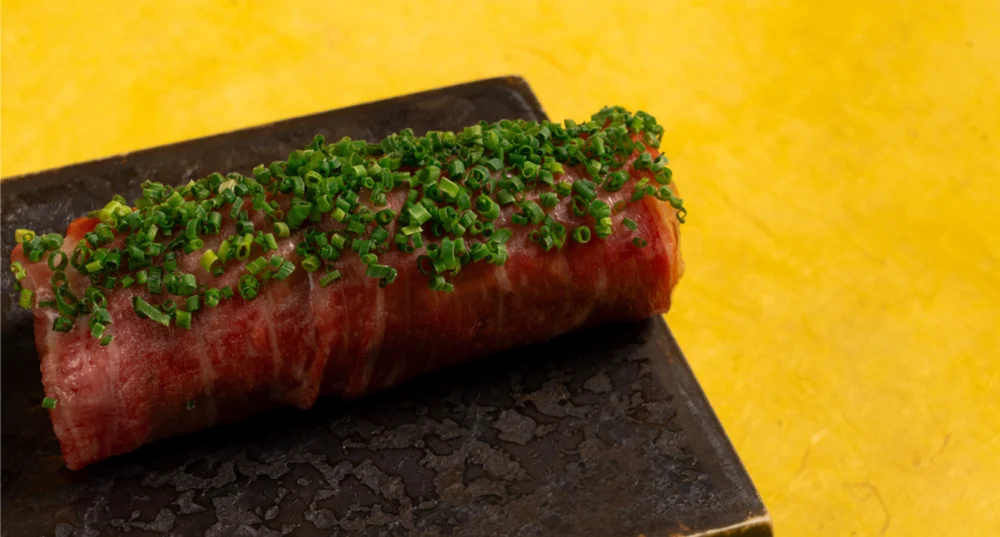
In Houston, Oru, a compact 24-seat counter restaurant by Comma Hospitality, has introduced an innovative $15 snack inspired by Beef Wellington. Chefs Luis Mercado and Paolo Justo combine sautéed mushrooms, garlic, and shallots with leftover sushi rice, encase it in spring roll wrappers, and then fry it. This is followed by a second wrapping in thinly sliced Texas wagyu beef strip loin seasoned with Tellicherry peppercorns and Jacobsen salt. The creation is then brushed with garlic, thyme, and peppercorn-infused beef tallow and garnished with minced chives. This intricate dish showcases a high-end interpretation of a snackable format, appealing to diners seeking unique culinary experiences.
The Broader Implications for the Foodservice Industry
The widespread adoption of snackable menu items signifies a fundamental recalibration within the foodservice industry. Faced with evolving consumer economics and shifting lifestyle preferences, restaurants are demonstrating remarkable agility in adapting their offerings. This strategic pivot not only addresses immediate affordability concerns but also taps into broader trends, including the growing demand for convenient, shareable, and smaller-portioned meals across diverse demographics. The success of these initiatives suggests that this trend is more than a temporary response to economic pressures; it represents a durable evolution in how consumers engage with dining out, prioritizing value and accessible indulgence. As the industry continues to navigate these dynamic market conditions, the innovation and expansion of snackable menus are poised to remain a critical component of success for restaurants of all sizes.