

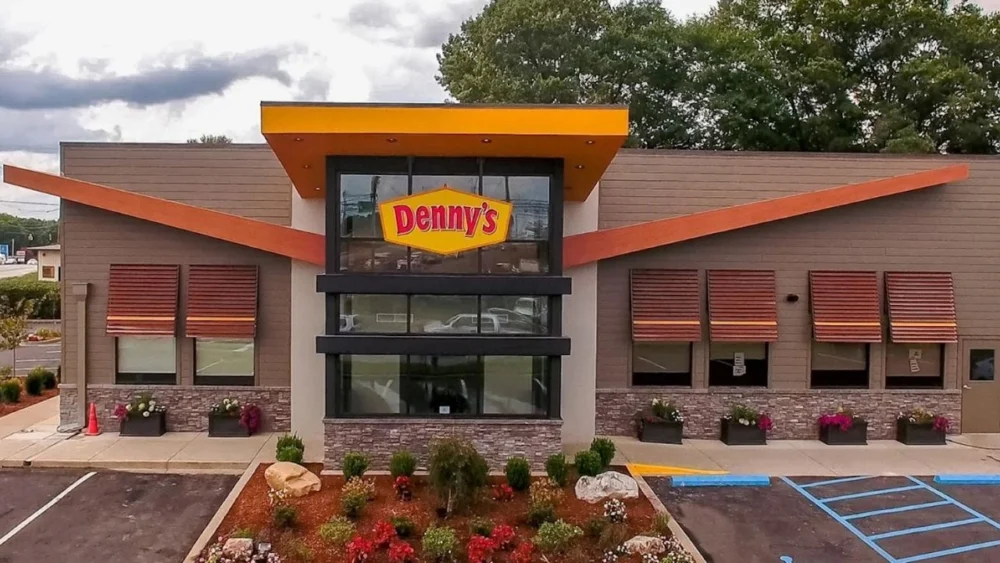
New data from Black Box Intelligence paints a stark picture of the full-service restaurant sector, revealing that approximately 9% of all full-service units are at risk for closure in 2026. This alarming statistic, derived from a comparative analysis of 2025 restaurant sales against their peak annual performance since 2019, highlights a significant vulnerability within the industry. The analysis specifically identifies units that have experienced a decline of 30% or more in their peak sales by 2025 as being at risk. Even more concerning, 3% of these full-service establishments have seen their sales plummet by over 50%, leading Black Box vice president of insights and knowledge, Victor Fernandez, to suggest that for these locations, the question is no longer if they will close, but when.
"In an environment where cumulative inflation has driven costs up by nearly a third since 2019, it is virtually impossible for a unit to remain viable after losing 30% or more of its peak sales," Fernandez stated, underscoring the immense financial pressure on these businesses. This inflationary environment has not only impacted sales but has also severely eroded profitability. A recent report from the National Restaurant Association corroborates these findings, indicating that 42% of operators reported their businesses were not profitable in 2025. Furthermore, 60% of operators witnessed a deterioration in their business conditions, with only a modest 15% reporting improvements compared to the previous year.
The Widening Chasm Between Full-Service and Limited-Service Restaurants
The challenges are not evenly distributed across the restaurant landscape. Black Box Intelligence’s analysis reveals a significant disparity between the full-service and limited-service segments. While an estimated 85% to 90% of the industry demonstrates resilience, the remaining 10% to 15% is grappling with substantial headwinds. The full-service segment, in particular, is proving to be far more vulnerable than its limited-service counterpart. While 9% of full-service units are categorized as at risk for closure, a significantly lower 4% of limited-service restaurants meet the same criteria.
This divergence has been a persistent trend in recent years. Since 2022, the casual-dining segment has experienced a net unit growth deficit of 3.3%. In stark contrast, the quick-service segment has seen robust growth of 5.8% during the same period, with the fast-casual segment outperforming even more impressively, expanding by 15.5%. This suggests a consumer shift towards more convenient and value-oriented dining options, further exacerbating the pressures on traditional sit-down restaurants.
Geographic Hotspots Facing Elevated Risk
Beyond broad segment performance, specific geographic markets are also identified as being at higher risk due to a confluence of local economic pressures and market saturation. Black Box Intelligence has pinpointed several areas with the highest concentration of units performing at or below 70% of their peak sales. These at-risk regions include:
- Fresno-Visalia, California
- Oklahoma City and Tulsa, Oklahoma
- Harlingen, Texas
- Little Rock-Pine Bluff, Arkansas
- Louisville, Kentucky
- Chattanooga, Tennessee
- Macon, Georgia
- Montgomery-Selma, Alabama
- Mobile, Alabama
- Pensacola, Florida
The presence of multiple locations within these specific metropolitan areas suggests that localized economic downturns, high operating costs, or intense competition are creating a particularly challenging environment for restaurants to maintain profitability and unit volume.
A Pattern of Consolidation Across Major Chains
The findings from Black Box Intelligence are consistent with an ongoing industry trend observed over the past few years, where numerous full-service brands have either shuttered significant portions of their operations or announced plans to do so. This wave of closures has affected a wide array of well-known names, including:
.jpg?width=1280&&quality=80&format=jpg&disable=upscale)
- Denny’s
- Outback Steakhouse
- Applebee’s
- Red Robin
- On the Border
- Macaroni Grill
- Smokey Bones
- Hooters
- Bahama Breeze
These high-profile closures indicate a broader strategic recalibration within the full-service dining sector, as companies grapple with evolving consumer preferences and the escalating cost of doing business. The recent announcement by Denny’s, for instance, of identifying approximately 150 underperforming locations for potential closure, directly aligns with the data presented by Black Box Intelligence.
The Resilience of Chain Restaurants Over Independents
Despite the widespread challenges, chain restaurants, benefiting from economies of scale, generally fare better than independent establishments. New data from Technomic reveals that the independent restaurant sector contracted by 2.3% in 2025, whereas the total number of chain locations saw a modest increase of 1.4%. However, even for chains, the pace of expansion has slowed considerably, with an average annual growth rate of only 0.7% since 2019, highlighting the sustained pressure across the entire industry. The ability of larger chains to leverage their purchasing power, centralized marketing efforts, and access to capital provides them with a crucial advantage in navigating the current economic climate.
Navigating the Storm: Proactive Portfolio Optimization
In response to these formidable challenges, industry experts advocate for a strategic shift from reactive closures to proactive portfolio optimization. Victor Fernandez of Black Box Intelligence emphasizes the necessity for brands to adapt their strategies to ensure long-term viability. "To navigate this (environment), brands must move from reactive closures to proactive portfolio optimization," he advised.
Black Box Intelligence recommends a critical approach to performance evaluation, urging restaurants to benchmark unit-level performance against local market competitors rather than solely relying on internal historical metrics. This external comparison is crucial for accurately diagnosing the root cause of underperformance.
"If a unit is losing traffic while the local market is growing, the issue is execution, not the economy," Fernandez explained. This suggests that operational inefficiencies, poor customer service, or outdated menu offerings could be at play. "However, if the market is saturated and traffic is down across the board, operators should consider strategic closures to consolidate volume into their top-performing sites."
The Strategic Advantage of Consolidation
The closure of underperforming units in saturated markets can have a cascading positive effect, often triggering a traffic shift to nearby, more successful locations. This consolidation of customer flow can significantly improve the financial health of the remaining units and, by extension, the overall brand. This strategic pruning allows companies to redirect valuable resources.
"The silver lining here is that a leaner portfolio often becomes a stronger one," Fernandez noted. "When a brand stops subsidizing its bottom 10% of units, it can reallocate capital, management attention, and marketing spend to the units with the highest growth potential. This ‘traffic transfer’ effect is a powerful tool for survival." By focusing investment and operational focus on their most promising locations, restaurant brands can create a more resilient and profitable future, even amidst a challenging economic landscape. This strategic reallocation of resources is not merely about cutting costs; it is about intelligently investing in the future success of the most viable components of the business.
The implications of these trends extend beyond individual restaurant closures. A sustained decline in the full-service sector could lead to significant job losses, reduced tax revenues for local municipalities, and a contraction in the vibrant dining culture that many communities rely on. The industry’s ability to adapt and innovate will be critical in determining its long-term health and its contribution to the broader economy. As Black Box Intelligence’s data suggests, a proactive and data-driven approach to portfolio management, coupled with a keen understanding of evolving consumer behavior and market dynamics, will be paramount for survival and success in the coming years.