

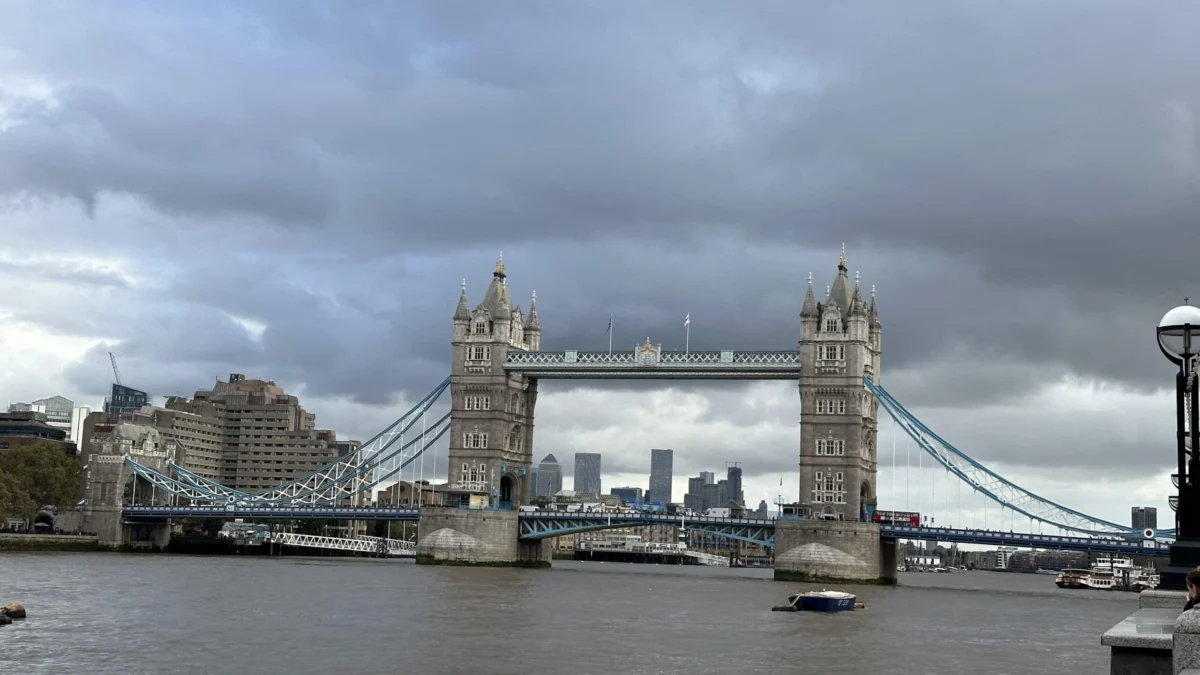
The designation of London Dry Gin represents one of the most significant misnomers in the global spirits industry, as the term identifies a specific technical process of distillation rather than a geographical point of origin. While the name evokes the historic distilleries of the United Kingdom’s capital, international trade laws and spirit regulations confirm that London Dry Gin can be legally produced anywhere in the world, from the rugged highlands of Scotland to the boutique distilleries of South Africa and the United States. This classification functions as a hallmark of quality and a strict adherence to traditional production methods, distinguishing it from other categories such as distilled gin or compound gin. To understand the modern significance of this spirit, one must look past the label’s geographic suggestion and examine the rigorous chemical and procedural standards that define the "London Dry" method.
The Technical Definition and Regulatory Framework
In the modern spirits market, the term London Dry Gin is codified by strict legal definitions, most notably within the European Union’s Spirit Drinks Regulations and similar statutes in the United Kingdom and North America. For a spirit to be labeled as London Dry, it must meet several non-negotiable criteria. First, it must be produced using a base of high-quality neutral spirit of agricultural origin, typically distilled to a strength of at least 96% alcohol by volume (ABV). This neutral base ensures that the final product is free from the impurities and off-flavors that characterized early incarnations of the spirit.
The flavoring process is where the "London" method becomes most restrictive. All botanical flavors must be introduced through the redistillation of the neutral spirit in traditional stills in the presence of natural plant materials. Unlike "Distilled Gin," which allows for the addition of flavorings and essences after distillation, London Dry Gin prohibits any additives following the final run, with the exception of water to reach the bottling strength and a minute amount of sweetening. Specifically, the final product must not contain more than 0.1 grams of sweetening per liter. Furthermore, no colorants or additional ingredients can be introduced post-distillation. This creates a spirit that is "dry" in the literal sense—devoid of sugar—and "clean" in its botanical profile.
A Chronology of the Gin Revolution
The evolution of London Dry Gin is inextricably linked to the industrialization of the 19th century and the technological advancements in distillation. Before the 1830s, the majority of gin consumed in England was known as "Old Tom" or simply "London Gin." These spirits were often harsh, produced in primitive pot stills that left behind high levels of fusel oils and impurities. To mask these unpleasant flavors, producers frequently added heavy doses of sugar or, in more nefarious cases, toxic substances like turpentine and sulphuric acid.
The turning point occurred in 1830 when Aeneas Coffey, an Irish inventor and former Inspector General of Excise, patented the "Coffey Still" or column still. This invention allowed for continuous distillation, producing a spirit far purer and higher in alcohol content than previously possible. With a clean, neutral base now available, distillers no longer needed to hide the taste of the alcohol under layers of sugar. This gave birth to a new style of "unsweetened" or "dry" gin.
By the late 19th century, the term "London Dry" began to appear in global trade journals and newspapers. In 1897, Australian newspapers carried advertisements for London-based brands, and by 1903, the term was a staple in the United States liquor market. Historically, the "London" prefix was used because the city was the epicenter of this new, high-quality production style. Major houses like Tanqueray, Beefeater, and Gordon’s were all operating within the city limits, and their success on the export market solidified the association between London and premium dry gin. However, as these companies grew and the industry globalized, the name transitioned from a description of a location to a description of a standard.
Comparative Data and Market Standards
The distinction between London Dry and other gin categories is reflected in the chemical composition and production costs of the spirits. According to industry data from the Gin Guild, the London Dry category remains the gold standard for traditionalists due to its "one-shot" or "multi-shot" distillation requirements.

| Feature | London Dry Gin | Distilled Gin | Compound Gin |
|---|---|---|---|
| Base Spirit | Agricultural Neutral (96% ABV) | Agricultural Neutral | Any Neutral Spirit |
| Flavoring Method | Redistillation with Botanicals | Redistillation or Post-Additives | Cold Compounding (Mixing) |
| Post-Distillation | Only Water/0.1g Sugar | Flavors, Colors, Sugars allowed | Any additives allowed |
| Purity Requirement | High (Strict Methanol limits) | Moderate | Variable |
This data underscores why London Dry Gin is often priced at a premium. The inability to "fix" a batch with artificial flavors after it leaves the still means that the master distiller must have absolute control over the botanical balance during the distillation process. If the juniper, coriander, or citrus notes are out of alignment, the batch cannot be corrected through additives, ensuring a level of artisanal integrity.
Global Production and the Dissociation from London
The modern landscape of gin production proves that the "London" in London Dry is a legacy title rather than a geographic restriction. Several of the world’s most acclaimed London Dry Gins are produced far from the United Kingdom’s capital. Tanqueray, perhaps the most recognizable brand in the category, moved its production to the Cameronbridge Distillery in Scotland in the late 20th century. Despite the move, it maintains its London Dry status because it adheres to the traditional distillation process.
In the United States, Astraea Meadow Gin has gained critical acclaim for its adherence to the London Dry method while utilizing botanicals reflective of the American Pacific Northwest. Similarly, No. 3 Gin, though owned by the historic London merchant Berry Bros. & Rudd, is distilled at De Kuyper Royal Distillers in the Netherlands—the very country where gin’s ancestor, Genever, originated. Other notable examples include Belgravia Gin in South Africa and the Australian Distilling Co., both of which utilize the London Dry designation to signal to consumers that their products meet the highest international standards of purity and traditionalism.
Industry Perspectives and Expert Analysis
Spirit historians and industry analysts suggest that the retention of the "London" name serves as a vital marketing tool that preserves the category’s heritage while allowing for global innovation. "The term London Dry is a badge of honor for a distiller," says one industry consultant. "It tells the consumer that nothing has been hidden. There are no artificial shortcuts. It is the most honest form of gin."

However, the rise of "New Western" or "Contemporary" gins has sparked a debate within the industry. These newer styles often emphasize non-juniper botanicals like lavender, cucumber, or local spices and frequently use the "Distilled Gin" classification to allow for more experimental post-distillation techniques. While these products have driven the "Gin-aissance" of the last decade, analysts note that London Dry Gin remains the anchor of the market. Its predictable quality and "juniper-forward" profile make it the essential ingredient for classic cocktails like the Martini and the Gin and Tonic.
Broader Implications for International Trade
The legal status of London Dry Gin as a process rather than a Protected Geographical Indication (PGI) has significant implications for international trade. Unlike Scotch Whisky, Cognac, or Champagne, which are strictly tied to their regions of origin through international treaties, London Dry Gin is a "generic" term in the eyes of trade law, provided the production method is followed.
This lack of geographic protection has allowed the gin category to explode globally. It has empowered distillers in emerging markets to compete on an equal playing field with established British brands by adopting the London Dry label as a certification of quality. As long as the distiller adheres to the 0.1g/L sugar limit and the redistillation of natural botanicals, they can leverage the prestige of the London name.
In conclusion, London Dry Gin stands as a unique example of how a regional specialty can evolve into a global technical standard. Its history, from the dangerous, turpentine-laced spirits of the 18th century to the ultra-pure, technologically advanced distillates of today, reflects the broader story of the industrial revolution and the refinement of consumer tastes. While the name remains anchored in the fog of 19th-century London, the spirit itself has become a universal language of quality, distilled in every corner of the globe.
