

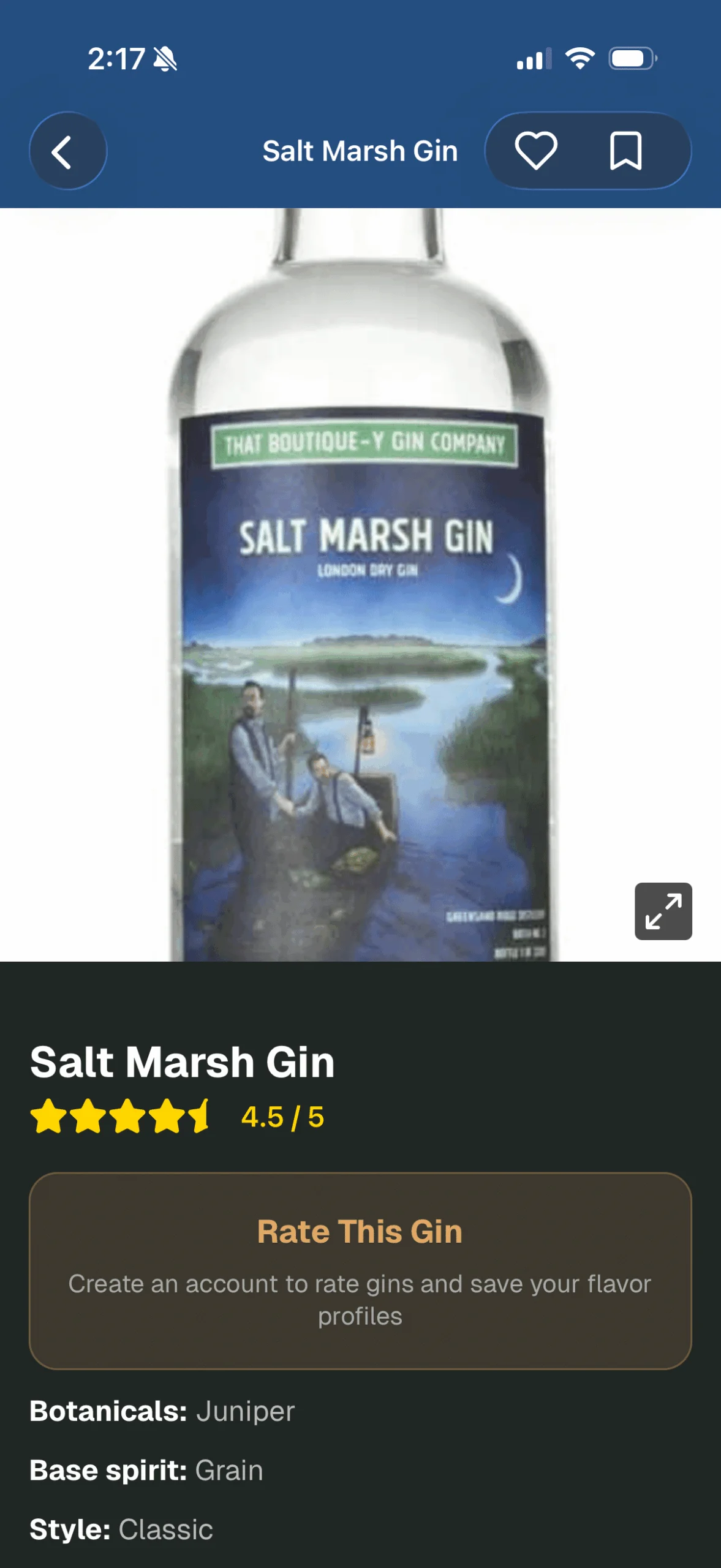
The GIN is IN, a premier resource for gin reviews and botanical analysis, has officially expanded its digital footprint with the launch of its first dedicated mobile application on the Apple App Store. This move marks a significant transition for the platform, moving from a web-based archive to an interactive, user-centric mobile experience designed to assist enthusiasts and professionals in navigating the increasingly complex global gin market. The application, which is currently available for free download, introduces a suite of features aimed at quantifying the sensory experience of gin consumption through data-driven flavor profiles and personalized user databases.
The release of the application comes at a pivotal moment for the spirits industry. As the "Gin-aissance" continues to influence global markets, the variety of available spirits has expanded far beyond the traditional London Dry style. This proliferation has created a demand for more sophisticated categorization tools. The GIN is IN app addresses this by providing a comprehensive search engine and a unique flavor-mapping interface that allows users to categorize gins based on seven distinct flavor dimensions.
The Evolution of Flavor Classification: Introducing the Seven Dimensions
At the core of the new application is a refined search and categorization system. For years, the platform has utilized a multi-dimensional approach to flavor, but the 2024 mobile launch introduces a critical update to this methodology. The app now allows users to search the entire archive of reviews using seven specific flavor dimensions: Juniper, Citrus, Spice, Floral, Herbaceous, Earthy, and the newly added "Fruited" category.
The decision to add "Fruited" as a primary flavor dimension reflects a broader shift in the gin industry. Historically, fruit-forward gins were often relegated to the periphery of the category or classified as liqueurs. However, the modern market has seen a surge in "contemporary" or "New Western" gins where fruit botanicals—ranging from stone fruits to tropical varieties—play a leading role alongside the required juniper. By elevating "Fruited" to a primary search dimension, the app provides a more accurate reflection of the current production landscape, allowing consumers to find products that align with the modern palate.
This seven-point system provides a visual and analytical framework that moves beyond binary "good" or "bad" ratings. Instead, it focuses on the intensity and balance of specific botanical groups. For the consumer, this means the ability to filter thousands of reviews to find a gin that matches a very specific profile—such as a high-citrus, low-spice profile—thereby reducing the trial-and-error often associated with purchasing premium spirits.
Interactive Features and the Personal Flavor Journey
Beyond serving as a repository for professional reviews, the GIN is IN application introduces interactive tools that empower users to become active participants in the tasting process. One of the most significant additions is the ability for users to create and save their own flavor diagrams.
In the world of spirits, tasting is inherently subjective. While a professional reviewer might detect heavy earthy notes in a specific bottle, a consumer’s individual palate might pick up more floral nuances. The app’s "flavor diagram" tool allows users to manually adjust the seven-point scale based on their personal experiences. These custom diagrams can be saved to a personal archive, creating a digital "tasting journal" that tracks a user’s flavor journey over time.
This feature serves a dual purpose. First, it assists users in building a personal database of gins they have tried, liked, or wish to purchase in the future. Second, it encourages a more mindful approach to consumption, asking the user to think critically about the botanical composition of the spirit in their glass. This "quantified self" approach to spirits is a growing trend among Millennial and Gen Z consumers, who often value education and data-driven discovery as much as the product itself.
Chronology of Development and Technical Roadmap
The transition from a high-traffic website to a mobile application has been a long-term project for the platform’s founder. Unlike many spirits-related apps backed by large venture capital firms or major distilleries, the GIN is IN app is the result of a solo-coding effort. This grassroots development approach has dictated the project’s timeline and its phased rollout strategy.
- Pre-2024: The GIN is IN establishes itself as one of the world’s largest independent gin review databases, utilizing a web-based interface.
- Early 2024: The "Fruited" flavor dimension is integrated into the platform’s review methodology to accommodate modern gin styles.
- Late 2024: The iOS version of the app is finalized and launched on the Apple App Store, offering free access to the public.
- Future Phase: An Android version is currently in development. The founder has confirmed that the solo-coded nature of the project required a prioritized launch on one platform to ensure stability and user experience quality before expanding to the Google Play Store.
The developer has also outlined a roadmap for future updates, which includes community-centric features. While the current version focuses on individual tracking and professional search, future iterations are expected to enable community reviews and flavor-sharing capabilities. This would allow users to compare their flavor diagrams with those of the professional reviewers or their peers, fostering a social ecosystem centered on gin education.
Market Analysis: The Digital Shift in Spirit Connoisseurship
The launch of the GIN is IN app is representative of a larger shift in how consumers interact with the alcohol industry. As the market for craft spirits becomes more crowded, traditional marketing is being replaced by utility-based digital tools.
According to market research data, the global gin market was valued at approximately $15.3 billion in 2023 and is projected to grow at a compound annual growth rate (CAGR) of 5% through 2030. Within this growth, the "premium" and "super-premium" segments are the fastest-growing categories. Consumers spending $40 to $60 on a bottle of gin are less likely to make impulse purchases and more likely to seek out expert opinions and data.
The GIN is IN app positions itself in the same niche as successful applications like Vivino for wine or Untappd for beer. These apps have demonstrated that providing consumers with a platform to log, rate, and analyze their drinks creates significant brand loyalty and user engagement. By focusing exclusively on gin, the GIN is IN app offers a level of botanical depth that broader "spirits" apps often lack.
Industry Implications and Professional Utility
The implications of this app extend beyond the casual consumer. For bartenders, spirits buyers, and distillery owners, a searchable database of seven-dimensional flavor profiles is a powerful professional tool.
Bartenders looking to create specific cocktail profiles can use the app to find gins that provide the necessary "backbone" for a drink. For example, a bartender designing a Negroni variant might search for a gin with high "Earthy" and "Spice" scores to stand up against bitter amari. Similarly, small-scale craft distillers can use the platform’s data to see where their products sit within the broader market landscape, identifying "flavor gaps" where new products might find success.
While the app does not currently feature commercial advertisements, its role as a tastemaker is significant. In an era where "shelf talkers" and traditional advertisements are losing efficacy, being featured in a highly-rated, data-driven app can provide a significant boost to a distillery’s visibility.
Security, Access, and User Privacy
In line with modern digital standards, the GIN is IN app offers multiple levels of access. Users can download and utilize the search functionality without creating an account, ensuring that the platform remains an open resource for quick reference. However, to access the personalized features—such as saving scores, creating flavor diagrams, and building a "want-to-try" list—users are required to sign up with an email address.
The application is available in all international markets where alcohol-related content is legally permitted. The developer has emphasized a commitment to maintaining a clean, informative interface that prioritizes utility over intrusive data collection, a common concern in the modern app economy.
Conclusion and Future Outlook
The GIN is IN mobile application represents a significant milestone in the digitization of spirits education. By distilling the complex world of botanicals into a searchable, seven-dimensional framework, the app provides a bridge between the expertise of professional reviewers and the curiosity of the everyday consumer.
As the platform moves toward the release of its Android version and the eventual integration of social sharing features, it is poised to become the definitive digital companion for the gin community. In an industry defined by its diversity of flavor, the ability to track, analyze, and share one’s "flavor journey" is more than a novelty—it is an essential tool for the modern connoisseur. The founder’s invitation for user feedback suggests that the app will continue to evolve, shaped by the needs and suggestions of the community it serves. For now, iOS users can begin exploring the vast world of gin with a level of precision previously unavailable in a mobile format.
