

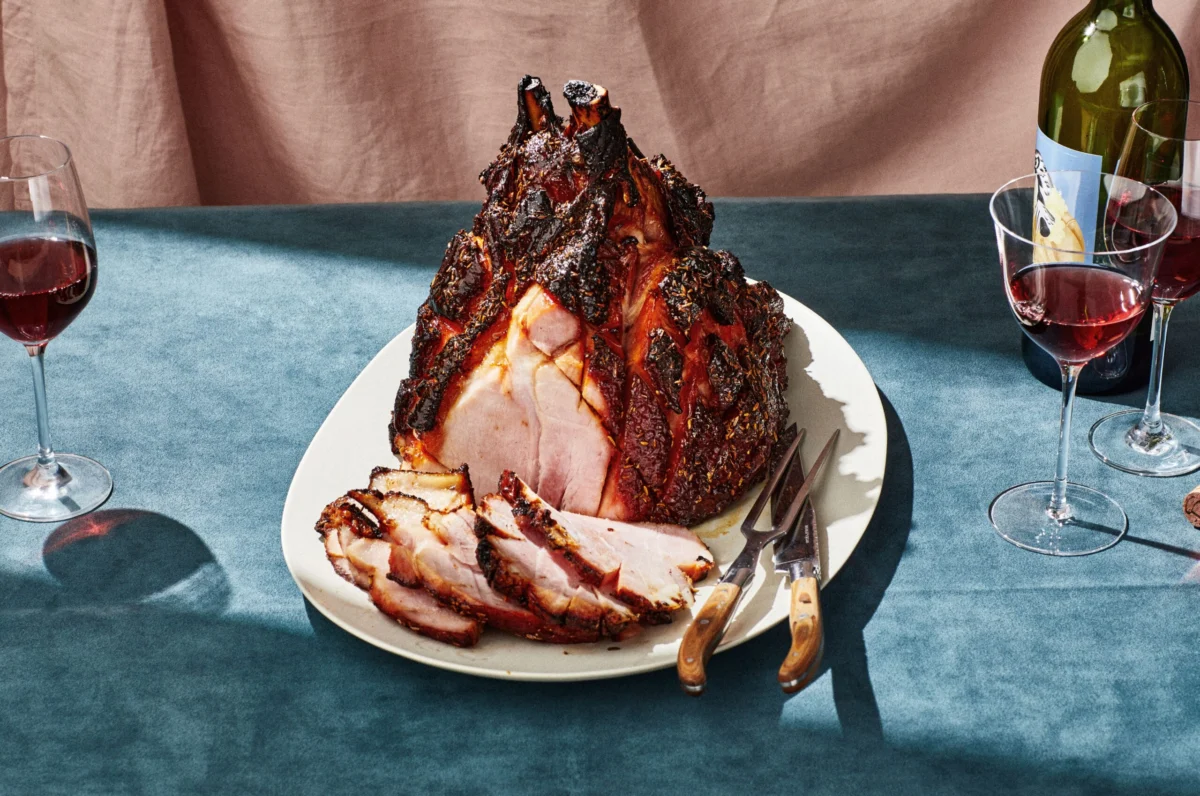
Easter dinner isn’t as rigidly defined as many other food-centric holidays, a distinctive characteristic that sets it apart from the more prescriptive culinary traditions associated with events like Thanksgiving. This inherent flexibility allows for a vast spectrum of culinary interpretations, ranging from deeply traditional feasts centered around time-honored dishes such as honey-baked ham or a slow-roasted leg of lamb, to lighter, more contemporary menus that celebrate the vibrant produce and fresh flavors synonymous with the arrival of spring. This adaptability, while offering boundless creative opportunities, can simultaneously present a unique challenge for those tasked with orchestrating the holiday meal.
The Historical and Cultural Roots of Easter Feasts
To understand the dynamic nature of Easter dining, one must delve into its rich historical and cultural tapestry. Easter, primarily a Christian holiday commemorating the resurrection of Jesus Christ, intertwines ancient pagan spring festivals with profound religious symbolism. Many of the food traditions associated with Easter predate Christianity, rooted in the celebration of new life, fertility, and the vernal equinox. The practice of feasting after the solemn period of Lent, during which many Christians abstain from certain foods, particularly meat, historically amplified the joyous return to rich and abundant meals.
Lamb, for instance, holds deep biblical significance as a symbol of sacrifice and purity, particularly in the Jewish Passover tradition which often coincides with Easter. Its inclusion in Easter meals thus became a widespread practice, symbolizing Christ as the "Lamb of God." Historical records indicate lamb has been a central component of Easter celebrations across Europe and the Middle East for centuries. Similarly, ham, particularly in Western cultures, gained prominence due to its availability and curing methods that allowed it to be preserved through the winter months, making it a viable and celebratory protein for early spring gatherings. The pig itself was often a symbol of prosperity and a staple in agrarian societies.
The evolution of these culinary practices has not been linear. As communities grew and diversified, so too did their foodways. The availability of different ingredients, regional agricultural practices, and the fusion of various cultural influences have all contributed to Easter’s diverse culinary landscape. Unlike Thanksgiving, which largely crystallized its menu in 19th-century America, Easter’s food traditions have evolved over millennia across multiple continents, resulting in a less monolithic and more eclectic collection of customary dishes.
A Chronology of Culinary Evolution
The timeline of Easter food traditions showcases a fascinating journey from ancient rituals to modern interpretations.
- Antiquity (Pre-Christian Era): Spring festivals celebrated the end of winter and the beginning of agricultural fertility. Foods like eggs (symbolizing new life), bread, and early spring vegetables were central to these pagan rites.
- Early Christianity (1st-4th Centuries AD): As Christianity spread, these existing traditions were often integrated, giving new meaning to old symbols. The lamb, already significant in Jewish tradition, became central to the Christian narrative. The Lenten fast, requiring abstinence from meat, eggs, and dairy, naturally led to a celebratory feast of these items once the fast concluded.
- Medieval Period (5th-15th Centuries): Regional variations began to solidify. In Europe, roast lamb and various forms of cured pork (including early versions of ham) became common. Sweet breads, often enriched with eggs and butter (foods abstained from during Lent), emerged as celebratory items. The "Easter egg" tradition also took hold, with eggs being decorated and given as gifts, particularly after the long Lenten fast where they were often forbidden.
- Renaissance to Enlightenment (16th-18th Centuries): Culinary techniques advanced, and trade routes brought new spices and ingredients. The focus remained on seasonal abundance. The "Great British Bake Off" equivalent of the time would have seen various enriched breads and elaborate sweet treats becoming more common.
- Industrial Revolution and Beyond (19th-21st Centuries): Mass production and improved transportation made a wider variety of foods accessible. The American Thanksgiving dinner, with its relatively standardized turkey, stuffing, and cranberry sauce, began to emerge as a distinct phenomenon. In contrast, Easter maintained its regional and familial diversity. The rise of refrigeration and global food supply chains in the 20th century further broadened options, allowing for exotic ingredients to be incorporated, though the core tradition of celebrating spring and abundance remained.
Global Perspectives on Easter Dining
The global tapestry of Easter dining underscores its inherent flexibility. While roast lamb and ham dominate in many Western countries, other cultures offer distinct traditions:
- Italy: Features dishes like agnello al forno (roast lamb), colomba di Pasqua (a dove-shaped sweet bread), and pastiera napoletana (a rich ricotta and grain tart).
- Greece: Magiritsa (a lamb offal soup) is traditionally eaten on Holy Saturday, followed by spit-roasted lamb on Easter Sunday. Tsoureki (a braided sweet bread) and red-dyed eggs are also ubiquitous.
- Poland: Known for biała kiełbasa (white sausage), żurek (sour rye soup), and babka (a tall, fluted yeast cake).
- Russia: Kulich (a tall, cylindrical sweet bread) and paskha (a pyramid-shaped dessert made from cheese, butter, and dried fruits) are central to the meal.
- Mexico: While Easter often involves lighter, meatless options during Holy Week, Easter Sunday itself might feature bacalao (salted cod) or mole poblano depending on regional customs, often alongside fresh spring produce.
These examples illustrate that while a core theme of celebration and breaking fast runs through Easter meals worldwide, the specific culinary expressions are remarkably varied, reflecting local ingredients, historical influences, and cultural preferences.
Economic Currents of Easter Celebrations
The flexible nature of Easter dining also has significant economic implications, influencing consumer spending patterns and retail strategies. According to industry analysts, Easter consistently ranks as one of the top spending holidays for food retailers, although it often trails Thanksgiving and Christmas in overall expenditure on groceries. In recent years, consumer surveys by organizations like the National Retail Federation (NRF) have indicated that a substantial portion of Easter spending is allocated to food. For example, pre-pandemic data often showed average household spending on Easter exceeding $150, with food constituting a significant percentage.
Supermarket chains and specialty food stores prepare for a surge in demand for traditional proteins like lamb and ham, but also for seasonal produce such. Agricultural associations report a noticeable uptick in demand for these specific products in the weeks leading up to Easter. The rise of plant-based diets has also seen an increase in sales of vegetarian and vegan alternatives, as retailers adapt to changing consumer preferences, further diversifying the "Easter dinner" basket. This broad demand profile, spanning traditional meats to fresh produce and specialty baked goods, highlights the diffuse economic impact compared to the more concentrated demand for turkey around Thanksgiving.
The Modern Palate: Trends and Adaptations
The contemporary approach to Easter dinner reflects a broader trend in home cooking: a desire to balance cherished traditions with modern dietary needs, global inspirations, and a renewed emphasis on fresh, seasonal ingredients. Culinary experts often note that this freedom allows for greater creativity and personalization.
- Dietary Inclusivity: The flexibility of Easter menus makes it easier to accommodate various dietary requirements, from vegetarian and vegan options to gluten-free or allergen-sensitive preparations. A roast vegetable tart or a lentil loaf can stand proudly alongside a traditional ham.
- Seasonal Emphasis: Spring produce is a natural fit for Easter. Asparagus, peas, radishes, new potatoes, and spring greens offer vibrant colors and fresh flavors. Chefs frequently advocate for "leaning into spring" by incorporating these ingredients into salads, side dishes, and even lighter main courses like fish or poultry.
- Global Flavors: Home cooks are increasingly drawing inspiration from global cuisines. A lamb leg might be seasoned with Middle Eastern spices like harissa and apricots, or a ham might be glazed with Asian-inspired soy and ginger. This fusion reflects a more adventurous and educated palate.
- Sustainability: There is a growing awareness of the environmental impact of food choices. Choosing locally sourced meats and vegetables, and reducing food waste, are becoming important considerations for many families planning their Easter meals.
Expert Insights and Industry Observations
Food historians and culinary experts consistently emphasize Easter’s unique position in the holiday calendar. Dr. Eleanor Vance, a food anthropologist, notes, "Unlike Thanksgiving, which has a relatively recent and nationally defined culinary canon, Easter’s food traditions are ancient, geographically diverse, and deeply personal. This makes it a holiday where families are often more comfortable experimenting or adapting based on their own heritage and preferences."
Retail analysts from major supermarket chains frequently observe this trend. "We see strong sales across a wide range of categories for Easter," states Sarah Jenkins, a spokesperson for a national grocery retailer. "While ham and lamb remain popular, we’ve also seen significant growth in premium seafood, specialty cheeses, and an expanded array of fresh, organic spring vegetables. Consumers are truly crafting their own unique feasts." Chefs, too, revel in this freedom. Chef Antoine Dubois, renowned for his seasonal menus, commented in a recent interview, "Easter is a canvas. It’s an opportunity to honor tradition with classic roasts, but also to truly celebrate the bounty of spring with vibrant salads and innovative sides. It’s less about strict rules and more about joyful abundance."
Crafting the Contemporary Easter Menu: A Strategic Approach
Given this extensive context, constructing an Easter dinner menu becomes less about adhering to rigid conventions and more about strategic curation. The goal, as often advised by culinary publications, is to build a complete and memorable experience.
-
The Main Course: Tradition and Innovation:
- Classic Ham: A spiral-sliced ham, often finished with glazes ranging from honey-mustard to spicy tamarind and apricot, remains a popular choice. It’s relatively easy to prepare for a crowd and offers excellent leftovers. The choice between bone-in for flavor or boneless for ease of carving is a common consideration.
- Roast Lamb: A leg of lamb, whether slow-roasted with garlic and rosemary or infused with more exotic flavors like harissa, lemon, and herbs, provides a more elegant and often richer centerpiece. Lamb shanks, braised until fall-off-the-bone tender, offer an alternative for smaller gatherings or a more rustic approach.
- Alternative Proteins: For those seeking lighter options or accommodating diverse palates, a whole roasted chicken, a cedar-planked salmon, or even a sophisticated vegetarian main like a mushroom Wellington or a spring vegetable lasagna can serve as equally celebratory focal points.
-
Sides: Embracing Spring’s Bounty: This is where the flexibility truly shines.
- Potato Preparations: From creamy gratin dauphinois to vibrant new potatoes with fresh herbs, potatoes are a versatile staple.
- Green Vegetables: Asparagus, often roasted or blanched with lemon; tender spring peas with mint; or sautéed green beans with toasted almonds are quintessential spring offerings.
- Root Vegetables: Roasted carrots with a honey glaze or parsnips with thyme add sweetness and depth.
-
Salads: Freshness and Contrast: A well-composed salad offers a refreshing counterpoint to richer dishes.
- Vibrant Greens: Mixed greens with a light vinaigrette, perhaps incorporating seasonal berries, goat cheese, and candied nuts.
- Grain Salads: Quinoa or farro salads with roasted vegetables and a zesty dressing provide substance and texture.
- Cruciferous Delights: A shaved Brussels sprout salad with bacon and a maple dressing or a broccoli salad with dried cranberries and sunflower seeds.
-
Breads: Comfort and Tradition:
- Enriched Yeast Breads: Hot cross buns, brioche, or challah are traditional choices, often symbolizing the end of Lent.
- Rustic Loaves: A crusty sourdough or a simple artisanal baguette complements any meal.
- Cornbread: A Southern American staple, particularly with ham.
The prevailing advice remains consistent: go big. The joy of Easter dining lies in its abundance and the freedom to mix beloved classics with new, exciting flavors. Filling the table with a diverse array of dishes ensures there is something for everyone, fostering a meal that is not only delicious but also memorable enough to be repeated and cherished year after year.
Broader Societal and Cultural Implications
The unique flexibility of Easter’s culinary traditions carries broader societal and cultural implications. It underscores the dynamic nature of tradition itself, demonstrating how customs can evolve while retaining their core significance. This adaptability allows Easter to remain relevant in increasingly diverse societies, accommodating various cultural backgrounds, dietary choices, and personal preferences without losing its festive essence.
Furthermore, the emphasis on seasonal ingredients inherent in many Easter menus promotes local agriculture and supports sustainable food practices. By encouraging the use of fresh spring produce, it connects individuals more closely to the rhythm of the land and the bounty of nature. The communal act of preparing and sharing such a meal, regardless of its specific components, strengthens family bonds and community ties, serving as a powerful anchor in a rapidly changing world. The absence of a rigid, universally accepted menu for Easter transforms the meal from a prescriptive obligation into a creative expression of hospitality, love, and renewal.