

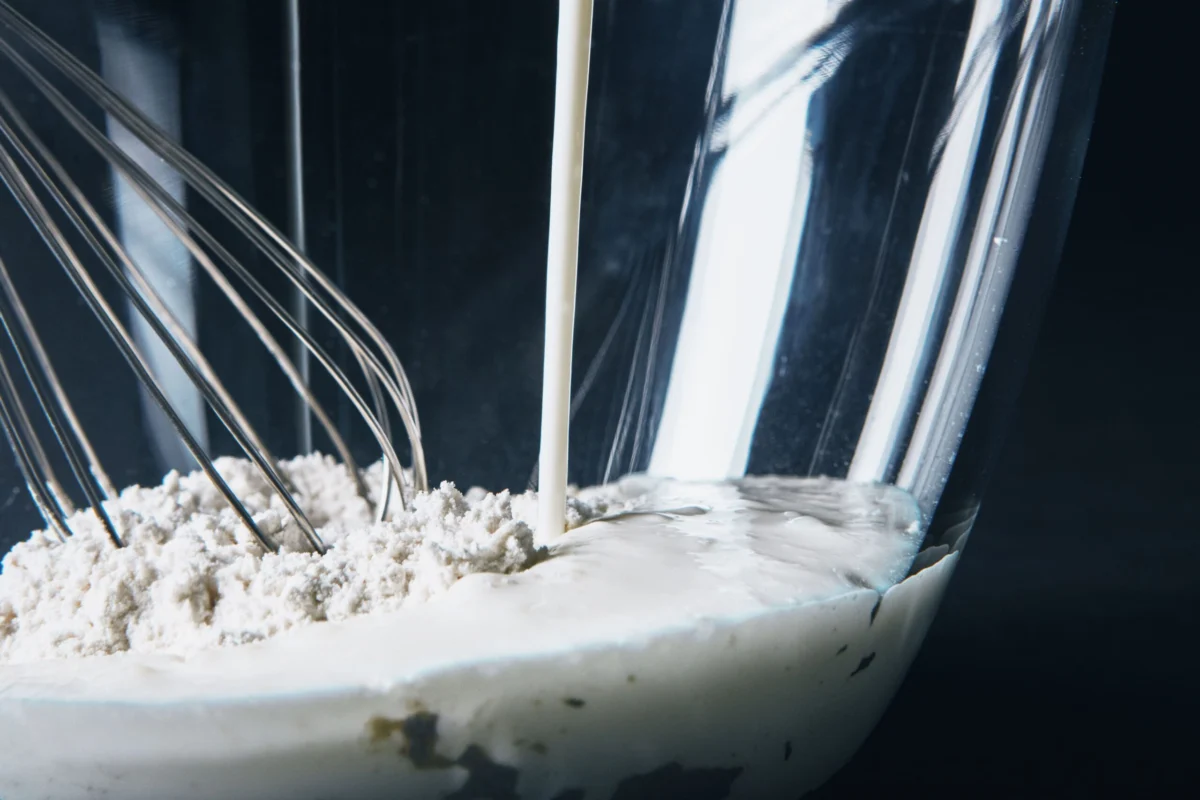
Buttermilk, a seemingly humble dairy product, stands as a testament to culinary resilience and scientific evolution, having traversed millennia to become an indispensable ingredient in kitchens worldwide. Far from being a mere culinary additive, this tangy liquid is a powerful shape-shifter, influencing flavor, texture, and leavening across a vast spectrum of dishes, making careful ingredient selection paramount for discerning cooks and bakers. Its journey from an agricultural byproduct to a commercially cultured staple underscores profound shifts in food production, scientific understanding, and consumer preferences.
A Historical Odyssey: From Churn Byproduct to Cultured Phenomenon
The origins of buttermilk are deeply intertwined with the earliest practices of dairy farming and butter production. For thousands of years, long before the advent of refrigeration, milk was often left to ferment naturally. This process, driven by naturally occurring lactic acid bacteria, not only preserved the milk but also transformed its flavor and consistency. When this soured milk was churned to separate butterfat, the thin, tangy liquid remaining was what became known as "traditional" or "old-fashioned" buttermilk. This byproduct was characterized by its low-fat content, high acidity, and a distinctive tartness, and its inherent acidity also meant it had a slightly longer shelf life than fresh milk, albeit still limited without modern cooling techniques. Historical records and anthropological studies suggest that various forms of fermented dairy, including those similar to buttermilk, were central to the diets of numerous ancient civilizations across Europe, Asia, and Africa, valued for their nutritional density and digestive benefits.
The trajectory of buttermilk underwent a significant transformation in the early 20th century, propelled by a confluence of scientific discovery, public health movements, and changing demographics. A pivotal moment arrived in 1906 when Ilya Metchnikoff, a Nobel Prize-winning Russian zoologist and immunologist working at the Pasteur Institute in Paris, popularized his theory that the consumption of fermented milk products could promote longevity and combat age-related diseases. In his seminal work, "The Prolongation of Life: Optimistic Studies," Metchnikoff specifically highlighted the health benefits of lactic acid bacteria, observing the long lifespans of Bulgarian peasants who regularly consumed fermented milk. This scientific endorsement ignited a health craze, turning what was once a utilitarian byproduct into a highly sought-after health elixir in Western societies, including the United States.
Simultaneously, waves of immigration from Eastern Europe, the Nordic countries, and other regions where fermented milk products like kefir, yogurt, and cultured milks were dietary staples, further expanded the market and cultural acceptance of these items in America. Dairy producers and food scientists quickly capitalized on this burgeoning demand. The industrial age brought about advancements in microbiology and food processing, enabling dairy companies to move beyond reliance on natural fermentation. They began to employ standardized bacterial starter cultures, carefully selected for their ability to produce consistent flavor profiles and textures, to ferment large quantities of milk quickly and economically. This marked the birth of "cultured buttermilk," the commercial product widely available today, intentionally produced rather than simply collected as a residual liquid.
The Science Behind Modern Buttermilk: Culturing and Composition
Today, the vast majority of buttermilk found on supermarket shelves is a cultured product. This process typically involves inoculating pasteurized cow’s milk—often skim or low-fat milk, a leftover from heavy cream production—with specific strains of lactic acid-producing bacteria. The most common bacterial cultures used include Lactococcus lactis and Leuconostoc mesenteroides, among others. These microorganisms consume the lactose (milk sugar) and convert it into lactic acid.

The production of lactic acid is the key to buttermilk’s distinctive characteristics:
- Tangy Flavor: The lactic acid imparts the characteristic tart, slightly sour taste.
- Increased Acidity: The pH of the milk drops, typically to between 4.4 and 4.8, making it significantly more acidic than fresh milk. This acidity is crucial for its leavening properties in baking.
- Thicker Consistency: As the pH decreases, the casein proteins in the milk coagulate and clump together. This protein coagulation causes the milk to thicken, resulting in buttermilk’s signature viscous texture, which is thicker than regular milk but generally thinner than yogurt.
The fat content of the base milk significantly influences the final product’s mouthfeel and richness. Buttermilk made from whole milk, though less common commercially, possesses a creamier consistency and a richer flavor profile due to its higher fat content. Conversely, commercial low-fat buttermilk, widely available and perfectly serviceable for most applications, offers a lighter texture.
A critical aspect for consumers is the ingredient label. While some artisanal dairies adhere to minimalist production, using only milk and live cultures, many commercial brands incorporate stabilizers and thickeners. Ingredients like tapioca starch, carob gum, guar gum, or modified food starch are added to achieve a more consistent and often thicker texture, enhance shelf stability, and sometimes to compensate for a lower fat content. While these additives do not necessarily detract from the product’s functionality, they can subtly alter its taste, mouthfeel, and how it behaves in sensitive culinary applications, particularly baking. Understanding these distinctions is vital for achieving optimal results in the kitchen.
Buttermilk’s Indispensable Role in Baking: The Chemistry of Culinary Excellence
For bakers, buttermilk is far more than just a liquid ingredient; it is a critical component that orchestrates chemical reactions essential for texture, flavor, and rise. Cookbook author Cheryl Day, a self-proclaimed "buttermilk purist" and revered authority on Southern baking, emphasizes the profound impact of high-quality buttermilk. She advocates for cultured buttermilk made with non-homogenized, additive-free whole milk, preferably vat-pasteurized from local dairies known for ethical animal husbandry. Day asserts that such buttermilk imparts a "rich, pure flavor" and superior mouthfeel that cannot be replicated by lower-fat, additive-laden commercial versions. "There’s a certain taste that you want, especially with something as simple as a biscuit or a yellow cake," Day explains. "When you add a bunch of stuff, it’s almost like overcompensating for the flavor you’re not getting."
The magic of buttermilk in baking lies in its acidity and its interaction with alkaline leavening agents, most notably baking soda. Baking is, at its heart, a precise chemical dance. When buttermilk (an acid) combines with baking soda (an alkali), a reaction occurs that produces carbon dioxide gas. These gas bubbles become trapped within the dough or batter, expanding during baking and causing cakes, pancakes, waffles, and biscuits to rise, resulting in a light, airy, and tender crumb. Without this acidic component, baking soda would not activate effectively, leading to dense, heavy baked goods.
Beyond its leavening power, buttermilk contributes significantly to the overall texture and flavor profile:

- Tenderizing Effect: The lactic acid in buttermilk gently breaks down gluten strands in flour, inhibiting excessive gluten development. This results in a more tender and moist crumb, preventing baked goods from becoming tough.
- Enhanced Flavor: The characteristic tang of buttermilk adds a complex, slightly sour note that balances sweetness and richness, contributing to a more nuanced and appealing flavor. This is particularly noticeable in recipes like red velvet cake, chocolate cake, and even simple yellow cakes, where it provides depth.
- Browning and Spread: Buttermilk’s unique composition, especially its protein and fat content, influences how baked goods spread and brown. Higher-fat, additive-free buttermilks often lead to a more even spread and a richer, golden-brown crust due to the Maillard reaction. Buttermilks with lower fat or added stabilizers can alter these characteristics, sometimes resulting in a different texture or color.
Renata Ameni, executive pastry chef and partner at Birdee in Brooklyn, New York, echoes Day’s sentiments, opting for slow-cultured buttermilk from local dairies like Ronnybrook for her acclaimed chocolate and red velvet cakes, as well as her exquisite buttermilk panna cotta. Ameni notes, "It makes cakes more tender. Even if you’re not baking it, like in the panna cotta, you can tell." This professional consensus underscores that while any buttermilk will provide some level of acidity, the quality and composition of the buttermilk profoundly impact the final culinary outcome, particularly in recipes where its flavor and texture contributions are central.
Buttermilk in Savory Cooking: A Marinade Marvel and Flavor Enhancer
Buttermilk’s versatility extends far beyond the realm of baking, making it a powerful ally in savory cooking. Its inherent tang and creamy texture can transform ordinary dishes into extraordinary culinary experiences.
One of its most celebrated applications in savory cuisine is as a marinade. For dishes like classic Southern fried chicken, country-fried steak, or even grilled pork chops, a buttermilk marinade is unparalleled. The lactic acid in buttermilk acts as a gentle tenderizer. Unlike harsh acidic marinades (like vinegar or lemon juice) that can denature proteins too aggressively and result in a mushy texture, buttermilk slowly and subtly breaks down the tough collagen fibers in meat. This process not only tenderizes the meat but also increases its moisture retention capacity. The result is exceptionally tender, flavorful, and juicy meat that is perfectly seasoned and ready for cooking. The subtle tang also adds a layer of complex flavor that complements many spice blends.
Beyond marinades, buttermilk finds numerous other savory uses:
- Creamy Dressings and Sauces: It forms the ideal base for rich yet tangy salad dressings, such as homemade ranch dressing, providing creaminess without excessive heaviness. It can also be incorporated into dips and sauces, offering a bright counterpoint to richer ingredients.
- Moisture and Flavor in Baked Goods: In savory baked goods like buttermilk biscuits and cornbread, it provides the same leavening and tenderizing benefits as in sweet applications, resulting in light, fluffy textures and a characteristic tangy depth.
- Mashed Potatoes and Soups: A splash of buttermilk can add a delightful tang and a velvety texture to mashed potatoes, elevating them beyond the ordinary. It can also be stirred into creamy soups and stews to add body and a subtle sour note.
- Traditional Beverage: In some parts of the American South, buttermilk is cherished as a refreshing beverage, often consumed chilled on its own. A classic comfort food involves pouring buttermilk over crumbled, day-old cornbread, eaten much like cereal. This tradition highlights its historical and cultural significance as a simple yet nourishing foodstuff.
- Global Parallels: Similar fermented dairy products play analogous roles in cuisines worldwide, from the refreshing ayran in Turkish cuisine to the Indian chaas, underscoring the universal appeal and functional benefits of cultured milk.
Navigating the Buttermilk Aisle: A Consumer’s Guide
Choosing the right buttermilk can significantly impact your culinary results. Given the variations in commercial products, reading labels is paramount. Look for ingredient lists that are short and simple: ideally, just "cultured milk" or "cultured skim milk." The presence of multiple stabilizers and thickeners (e.g., carob gum, tapioca starch, modified food starch) indicates a product that may behave differently in delicate recipes, potentially affecting texture and flavor.
For those aspiring to the "purist" standard espoused by chefs like Cheryl Day, seeking out artisanal or local dairy buttermilks is recommended. These often use non-homogenized milk, minimal processing, and no additives, resulting in a richer flavor and superior performance, particularly in baking where the integrity of fats and proteins is crucial. While these may be harder to find and potentially more expensive, the investment can be worthwhile for signature dishes.

For everyday cooking and general use, commercial low-fat cultured buttermilk is widely available and perfectly adequate. It provides the necessary acidity for leavening and tenderizing, and its tang is excellent for dressings and marinades. The key is to be aware of its composition and adjust expectations or recipe quantities if a recipe specifically calls for a richer, full-fat version.
Buttermilk Alternatives and Smart Storage Solutions
Despite its widespread availability, there are times when buttermilk isn’t on hand. While many argue there’s no perfect substitute for buttermilk due to its unique combination of acidity, protein structure, and bacterial cultures, several alternatives can serve in a pinch:
- Kefir or Thinned Yogurt/Sour Cream: Kefir, a fermented milk drink, has a similar tang and thinner consistency, making it a good direct substitute. Plain yogurt or sour cream can be thinned with a little water or regular milk to achieve a buttermilk-like consistency and acidity. These options generally provide a better flavor and texture approximation than the common "milk and acid" hack.
- Buttermilk Powder: An underrated pantry staple, buttermilk powder offers a remarkable shelf life (months, even years, if stored dry) and incredible versatility. It can be reconstituted with water to mimic liquid buttermilk for baking or cooking. Beyond reconstitution, the powder itself is a potent flavor enhancer, adding a tangy, cheesy depth to dry rubs for poultry, seasoning popcorn, thickening sauces, or enriching pasta dishes. Its convenience and stability make it an excellent emergency backup.
- The "Milk and Acid" Hack (with caveats): A common internet suggestion involves adding a tablespoon of lemon juice or white vinegar to a cup of regular milk and letting it sit for 5-10 minutes until it curdles. While this successfully approximates buttermilk’s acidity, it falls short in terms of flavor, thickness, and the complex protein structure crucial for certain baking applications. Most culinary professionals do not recommend this method for recipes where buttermilk is a star ingredient, as it lacks the authentic taste and performance of true cultured buttermilk.
For those who frequently use buttermilk but find themselves with leftovers, freezing is an excellent solution. Buttermilk freezes beautifully, making it easy to keep reserves on hand. Cookbook author Cheryl Day suggests freezing it in ice cube trays for convenient, pre-portioned amounts, or in freezer bags. While the texture may become slightly grainy or separate upon thawing, Day assures that "it doesn’t seem to affect how it performs or tastes when you bake with it." This simple storage hack ensures that the culinary powerhouse of buttermilk is always within reach, ready to impart its unique tang and tenderizing magic.
In conclusion, buttermilk’s journey from an ancient byproduct to a modern culinary essential reflects a rich tapestry of history, science, and evolving tastes. Its multifaceted utility in both sweet and savory dishes, coupled with its distinct flavor and functional properties, cements its status as an enduring and indispensable ingredient in the global kitchen. As consumers increasingly prioritize natural ingredients and seek to understand the origins of their food, the appreciation for high-quality, minimally processed buttermilk is likely to continue growing, ensuring its place as a staple for generations to come.