

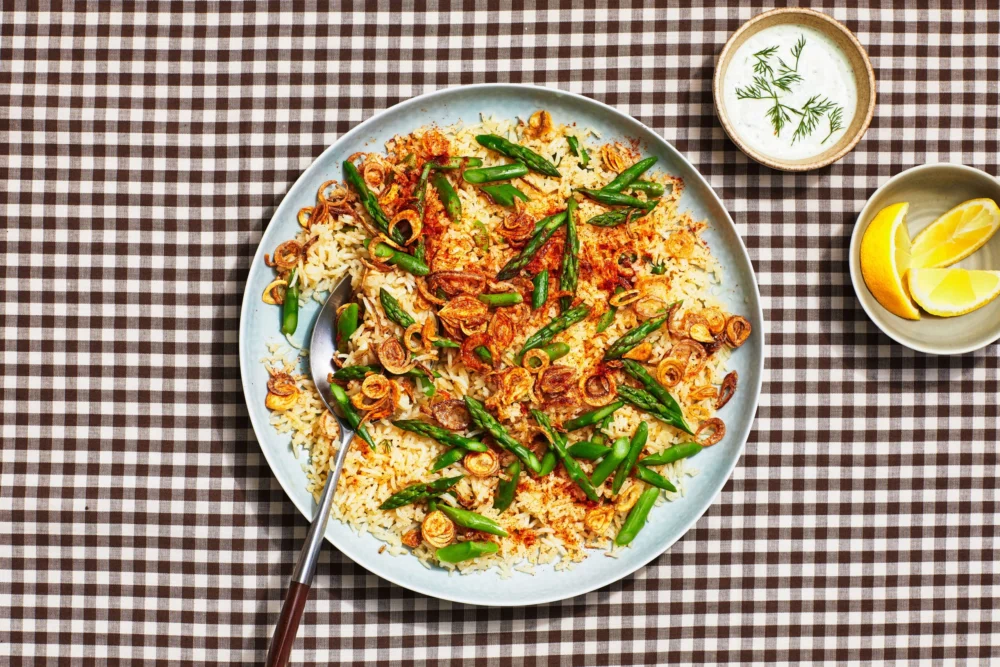
As the chill of winter recedes and the natural world awakens, so too does the culinary landscape transform, marking a definitive shift away from the hearty root vegetables that sustained us through colder months. This transition ushers in an eagerly anticipated season for vibrant, fresh produce, inspiring a renewed enthusiasm for cooking and a particular focus on spring side dishes. A single stroll through a bustling farmers’ market becomes an immediate catalyst for creativity, presenting an array of ingredients that epitomize the season’s bounty: thick stalks of asparagus, their tips hinting at verdant freshness; the crisp, peppery bite of perky pink radishes; the delicate, subtly sweet tang of purple-streaked spring onions; the tender sweetness of nascent peas; and the earthy, thin-skinned allure of new potatoes. These ingredients are not merely foodstuffs; they are harbingers of warmer days and lighter, brighter meals.
A Tapestry of Spring Flavors: Key Ingredients and Their Allure
The emergence of spring vegetables represents a crucial juncture in the agricultural calendar, signaling a period of peak freshness and flavor. Each ingredient contributes a unique profile to the spring table, allowing for an extraordinary diversity in culinary application.
-
Asparagus: The Spearhead of Spring
Asparagus (Asparagus officinalis) is often considered the quintessential spring vegetable, its appearance eagerly awaited after winter. Global production of asparagus reached approximately 8.9 million metric tons in 2021, with significant cultivation in China, Peru, and Mexico, alongside local harvests across North America and Europe. In the United States, California, Washington, and Michigan are primary producers. Its delicate flavor and crisp-tender texture make it incredibly versatile, suitable for roasting, steaming, grilling, or blanching. Nutritionally, asparagus is a powerhouse, rich in folate, vitamins A, C, E, and K, as well as chromium, a trace mineral that enhances insulin’s ability to transport glucose. Its early arrival in the season makes it a highly sought-after ingredient for both celebratory meals and everyday enjoyment. -
Radishes and Spring Onions: Punctuation Marks of Freshness
Radishes (Raphanus sativus) and spring onions (Allium fistulosum) offer bright, piquant notes that cut through richer flavors and add visual appeal. Radishes, with their striking red, pink, or purple skins and crisp white flesh, provide a refreshing crunch and a mild, peppery heat. They are excellent raw in salads, thinly sliced, or served simply with butter and sea salt, a classic French accompaniment. Spring onions, also known as scallions, offer a milder onion flavor than their mature counterparts, with both their green tops and white bases being edible. They contribute a gentle allium essence without overpowering other ingredients, making them ideal for garnishes, light sautés, or fresh salads. Both vegetables are quick-growing, allowing for multiple harvests within the spring season and supporting local market turnover. -
Sweet Peas and New Potatoes: Earth’s Gentle Bounty
Sweet peas (Pisum sativum) are a symbol of spring’s tender promise. These small, vibrant green spheres burst with natural sweetness and a delicate texture. While frozen peas are available year-round, the flavor and texture of fresh, shelled sweet peas are incomparable. They are often incorporated into risottos, pasta dishes, or simply blanched and tossed with mint and butter. New potatoes, harvested before their skins have thickened, are characterized by their thin skins, waxy texture, and slightly sweeter, earthier flavor compared to mature potatoes. Varieties like Yukon Golds or fingerlings are popular choices. These young tubers hold their shape well when cooked, making them perfect for roasting, boiling, or incorporating into potato salads, where their delicate flavor can truly shine.
The Rhythmic Cycle of Harvest: A Chronology of Spring’s Bounty
The agricultural year unfolds in a precise sequence, with spring marking the transition from dormant fields to burgeoning growth. This chronology dictates the availability and seasonality of produce, influencing culinary practices and consumer choices.
-
Early Spring Arrivals (March-April):
The first signs of spring often include slender asparagus spears, tender spring greens (like spinach, arugula, and certain lettuces), radishes, and spring onions. These crops are resilient to cooler temperatures and are among the first to emerge from the soil after winter’s thaw. Farmers often prioritize these early harvests to meet the initial demand for fresh produce, a period that frequently coincides with early spring holidays. -
Mid-Spring Abundance (April-May):
As temperatures steadily rise, a broader spectrum of vegetables becomes available. This period sees the arrival of sweet peas, new potatoes, fava beans, artichokes, and more varieties of leafy greens. The ground warms sufficiently for more delicate crops to thrive, leading to a richer diversity at farmers’ markets. This is typically when Easter and Passover celebrations occur, driving significant demand for these fresh ingredients. -
Late Spring Transitions (May-June):
Towards the end of spring, as the season verges on summer, the harvest transitions to include early berries (strawberries), rhubarb, and a continued abundance of spring staples before the summer fruits and vegetables (tomatoes, corn, zucchini) begin to dominate. This overlap allows for creative combinations, bridging the flavors of two distinct seasons.
Economic and Agricultural Underpinnings of the Spring Harvest
The spring harvest is not merely a culinary event; it is a significant economic driver and a cornerstone of sustainable agriculture. The shift towards seasonal eating has tangible benefits for both producers and consumers.
-
Supporting Local Economies:
The demand for spring vegetables directly bolsters local agricultural economies. According to the USDA’s Agricultural Marketing Service, the number of farmers’ markets in the U.S. has seen substantial growth over the past two decades, reaching over 8,000 markets by 2019, reflecting a strong consumer preference for locally sourced, fresh produce. This trend empowers small and medium-sized farms, fostering local job creation and keeping money within communities. A farmer’s market manager in a Midwestern state recently commented, "Spring is our busiest time. People are eager for fresh greens and the first asparagus. It’s when our local economy truly blossoms." -
Consumer Trends and Market Growth:
Consumer awareness regarding the benefits of seasonal and local eating has surged. Data from various market research firms indicates a growing segment of consumers prioritizing freshness, sustainability, and supporting local businesses when making food purchases. This trend is evident in the increasing sales of fresh produce, particularly during peak seasonal availability. For instance, reports from the Specialty Food Association highlight consistent growth in the fresh produce category, often outpacing processed food sales.
Culinary Adaptations and Celebratory Tables
The versatility of spring vegetables makes them indispensable for a wide array of culinary contexts, from significant holiday gatherings to the simplicity of a weeknight dinner.
-
Holiday Feasts: Easter and Passover:
Spring’s bounty plays a central role in traditional Easter brunches and Passover seders. Dishes like roasted asparagus with lemon, spring pea and mint salads, or new potato gratins frequently adorn these celebratory tables. For Easter, the bright colors and fresh flavors complement classic mains such as roast lamb or ham. During Passover, the emphasis on fresh, simple ingredients aligns perfectly with the dietary observances. The inclusion of dishes like crunchy vegetable salads with salty cheese, green sauce-coated rice, or innovative vegan deviled "eggs" showcases how these ingredients can be adapted to various dietary needs and culinary traditions while maintaining a festive spirit. -
Everyday Elegance: Elevating Weeknight Dinners:
Beyond holidays, spring vegetables effortlessly elevate everyday meals. A simple roast chicken, for example, transforms into a gourmet experience when paired with a vibrant side dish of sautéed spring onions and peas, or a refreshing radish and herb salad. The inherent brightness and fresh textures of these vegetables mean that even minimal preparation can yield maximum flavor, making them ideal for time-conscious home cooks seeking nutritious and delicious options. -
Innovative Preparations: Beyond the Traditional:
Modern culinary trends encourage innovative uses for spring produce. Chefs and home cooks alike are exploring new techniques and flavor combinations. This includes fermenting radishes for a tangy bite, incorporating asparagus into sophisticated tarts, or creating elaborate vegetable-centric main courses where spring ingredients are the star. The rise of plant-forward diets further amplifies the demand for creative vegetable preparations, pushing the boundaries of traditional side dishes.
Nutritional Value and Public Health Implications
Beyond their culinary appeal, spring vegetables are nutritional powerhouses, contributing significantly to public health and well-being. Their peak freshness often correlates with peak nutrient density. Asparagus, for instance, is a good source of fiber, supporting digestive health, and rich in antioxidants. Radishes provide Vitamin C and various phytochemicals. Sweet peas offer plant-based protein and dietary fiber, while new potatoes contribute potassium and Vitamin B6. Incorporating a diverse range of seasonal vegetables into the diet is consistently recommended by nutritionists for optimal health, helping to prevent chronic diseases and boost overall vitality. Dr. Anya Sharma, a leading dietitian, notes, "Embracing the seasonality of vegetables isn’t just about taste; it’s about optimizing nutrient intake. Freshly harvested produce often retains higher levels of vitamins and minerals compared to items that have traveled long distances or been stored for extended periods."
Voices from the Field and Kitchen
The enthusiasm for spring vegetables resonates across the food supply chain, from the hands that cultivate them to the chefs who transform them.
-
Farmers’ Perspectives:
"After the long winter, seeing the first asparagus spears push through the soil is always a sign of hope," remarked Sarah Chen, owner of Willow Creek Farm. "It’s a demanding crop, but the demand from our community makes it all worthwhile. People truly crave that fresh, clean taste after months of heartier fare." This sentiment underscores the deep connection between producers and consumers in the seasonal food cycle. -
Chefs’ Creative Insights:
Chef Marco Rossi, known for his commitment to seasonal menus at "The Green Table" restaurant, shared, "Spring produce demands a light touch. It’s about respecting and enhancing their natural flavors, not masking them. A perfectly roasted asparagus spear or a simple salad of new potatoes with fresh dill and a light vinaigrette speaks volumes about the quality of the ingredients themselves. It allows us to innovate while staying true to the essence of the season." -
Nutrition Experts Weigh In:
"The emphasis on spring vegetables aligns perfectly with current public health recommendations," stated Dr. Elena Petrov, a public health nutritionist. "The vibrant colors indicate a wide range of phytonutrients, and the natural sweetness of items like sweet peas can help reduce reliance on added sugars in meals. It’s a natural way to diversify one’s diet and improve overall health."
Broader Societal and Environmental Impact
The cultural embrace of spring vegetables extends beyond individual plates, fostering significant societal and environmental benefits. Environmentally, seasonal and local eating reduces the carbon footprint associated with long-distance transportation of food, promotes biodiversity through diversified farming, and often encourages more sustainable agricultural practices. Societally, farmers’ markets become community hubs, fostering connections between urban dwellers and rural producers, educating consumers about food origins, and strengthening local food systems. The renewed focus on these fresh, unprocessed ingredients also reflects a broader societal shift towards healthier living and a greater appreciation for the provenance of food.
Conclusion: A Season of Renewal and Culinary Promise
The annual transition to spring vegetables is more than just a change in diet; it is a cultural phenomenon, an economic engine, and a testament to the cycles of nature. From the crisp snap of asparagus to the delicate sweetness of new peas, these ingredients offer a canvas for culinary creativity, elevating meals from the mundane to the magnificent. Whether gracing the tables of significant holiday celebrations or brightening a simple weeknight dinner, spring side dishes are a vibrant celebration of renewal, flavor, and the enduring connection between humanity and the earth’s bounty. As the days lengthen and the world bursts into color, the anticipation of these fresh ingredients underscores a collective yearning for freshness, vitality, and the delicious promise of the season ahead.