

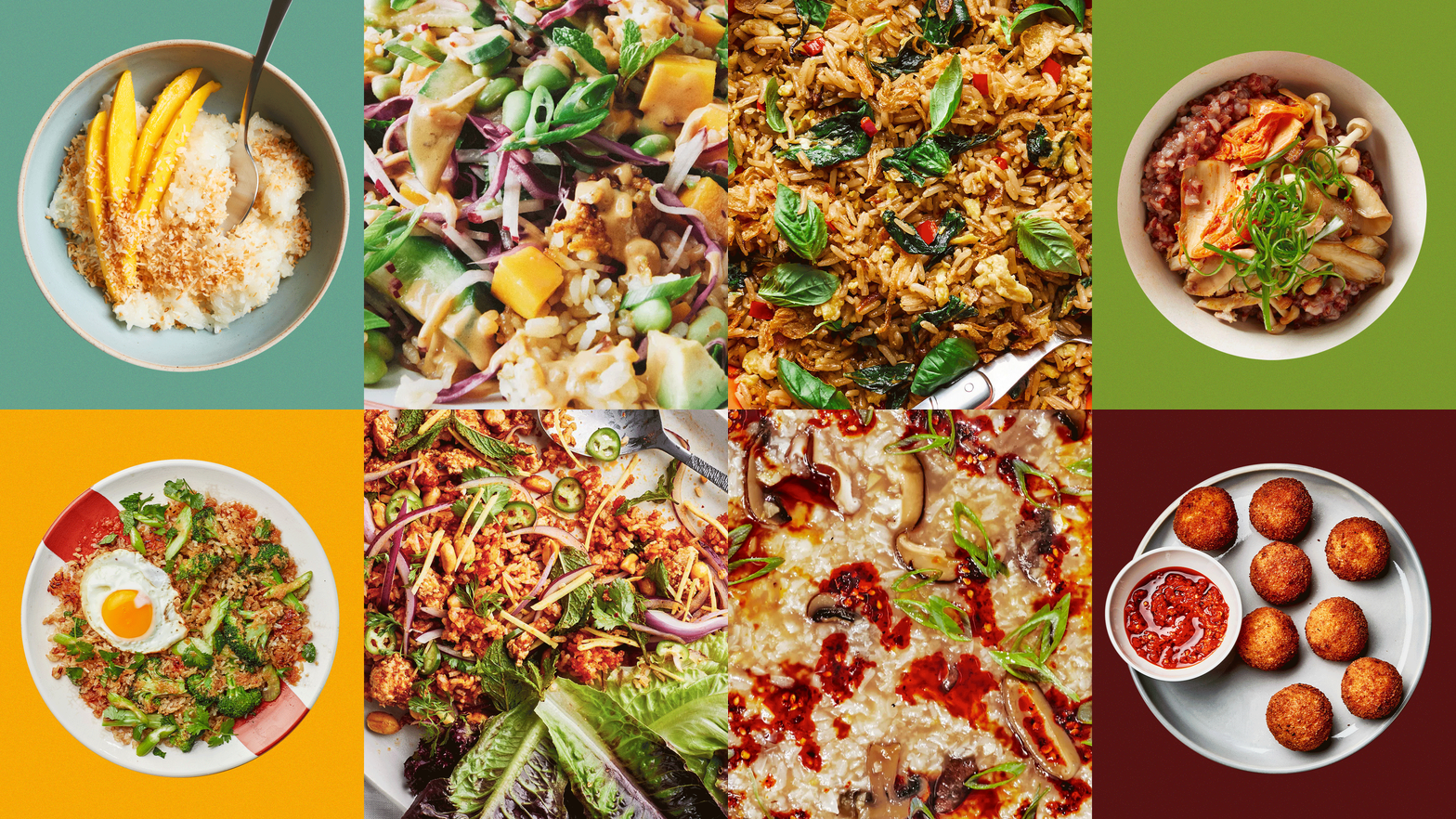
In an era increasingly defined by culinary innovation and a growing consciousness towards sustainability, the humble grain of rice, particularly when leftover, has emerged as a surprisingly versatile and essential component in kitchens worldwide. Far from being relegated to a secondary status, day-old rice is being celebrated by home cooks and professional chefs alike for its unique textural properties and its capacity to anchor a diverse array of dishes, from quick weeknight meals to gourmet creations. This transformation is not merely a testament to resourcefulness but also a reflection of an evolving culinary landscape where maximizing ingredients and minimizing waste are paramount.
The Science of Second-Day Rice: A Culinary Advantage
The preference for using leftover rice, especially for dishes like fried rice, is rooted in fundamental food science. When rice is cooked, its starch granules absorb water and swell, becoming soft and sticky. Upon cooling and refrigeration, a process known as starch retrogradation occurs. During this phenomenon, the amylose and amylopectin molecules within the starch begin to recrystallize and realign, leading to a firmer, drier texture. As Eric Huang, chef and founder of Peking House, explains, the rice "has crystallized. The starches in it have made it hard." This structural change is highly desirable for many applications, particularly stir-frying.
When these firmer, drier grains are introduced to high heat and oil in a wok or skillet, they resist clumping and instead crisp up individually, developing a distinct outer crunch while maintaining a tender interior. This textural marvel is a significant departure from the sticky, freshly cooked rice and forms the backbone of numerous iconic dishes. Without this crystallization, freshly cooked rice would release too much moisture and turn mushy when stir-fried, failing to achieve the coveted separation and crispness.
Beyond its culinary benefits, the handling of leftover rice also carries important food safety considerations. Cooked rice, if not cooled and stored properly, can harbor Bacillus cereus, a bacterium that produces toxins. To mitigate this risk, cooked rice should be cooled rapidly (within one hour) and refrigerated promptly, ideally consumed within one day, or two at most. When reheating, it must be thoroughly heated to a safe internal temperature of 165°F (74°C) to destroy any potential toxins. These guidelines are crucial for ensuring that the culinary benefits of leftover rice do not come at the expense of health.

A Global Canvas: Diverse Applications of Day-Old Rice
The utility of leftover rice extends far beyond the common fried rice, demonstrating a remarkable adaptability that spans continents and culinary traditions. Culinary professionals and enthusiasts are constantly discovering innovative ways to incorporate these grains into various meal categories, showcasing its transformative potential.
The Ubiquitous Fried Rice: A Fridge-Clearing Classic
Perhaps the most globally recognized application for leftover rice is fried rice. This dish serves as an exemplary model of culinary resourcefulness, often created from whatever ingredients are available in the refrigerator. Its versatility allows for endless variations, accommodating different protein sources, vegetables, and flavor profiles. Emma Laperruque, director of cooking, highlights its role as a "fridge-clearing fried rice," adapting it with ingredients like ripe kimchi and crumbled tofu, or scrambled eggs and fresh ginger. The latter, inspired by cookbook author Hetty Lui McKinnon’s recipe, emphasizes finely chopped ginger for "spicy-sweet nubs in each bite," underscoring how subtle technique can elevate a simple dish.
Fried rice is not just a pragmatic choice; it is a culinary institution across Asia. In Chinese cuisine, it dates back to the Sui Dynasty (589-618 AD) and is a staple in homes and restaurants. Each regional variation, be it Yangzhou fried rice with char siu and shrimp, Thai khao phat with fish sauce and lime, or Indonesian nasi goreng with kecap manis, relies on the firm texture of day-old rice to achieve its characteristic mouthfeel. This global adoption underscores the universal appeal of transforming yesterday’s grains into a vibrant, satisfying meal.
Crispy Rice Innovations: Textural Marvels
The ability of chilled rice to crisp up makes it an ideal candidate for dishes where texture is key. This property is exploited in several innovative ways:
-
Laotian-Style Crispy Rice Salad (Naem Kao Tod): This vibrant salad, exemplified by versions like the one from Rainbow Thai in Chicago and Shilpa Uskokovic’s Laotian-style recipe, is a celebration of contrasting textures and bold flavors. Day-old rice is packed down in a roaring-hot skillet until deeply golden and crunchy, then broken into pieces and mixed with red curry paste, peanuts, fish sauce, and often cured pork sausage (naem). Joseph Hernandez, director of drinks & lifestyle, recalls its "playful textures of super-crispy rice," highlighting its unique appeal. The dish is a testament to how simple ingredients, combined with specific cooking techniques, can yield complex and exciting results.

-
Dressed-Up Crispy Rice as a Base: Beyond salads, crispy rice can serve as a robust foundation for one-pan meals. Rebecca Firkser, Test Kitchen editor, describes a method where smashed garlic and chickpeas are crisped in oil, then transferred out. The rice is then spread into a single layer in the same skillet, allowed to brown, broken into large chunks, and flipped to crisp on the other side. This crispy rice base is then adorned with chopped dried fruit (dates, apricots, cherries), toasted cashews, dollops of thick yogurt, and a squeeze of lemon or lime. This approach elevates leftover rice from a side dish to the star of a creative, textural, and nutrient-rich meal, showcasing its adaptability as a canvas for various flavor combinations.
Comfort in a Bowl: Congee and Porridges
The transformation of leftover rice into a comforting porridge or congee represents another significant culinary pathway. Congee, a savory rice porridge, is a breakfast staple and comfort food across many Asian cultures, particularly in China, Vietnam, and Korea. While traditionally made from scratch with fresh rice, using day-old grains offers a significant time-saving advantage without compromising the dish’s essence.
Nina Moskowitz, associate editor, cooking, details a "short-cut congee" method where leftover rice is generously covered with broth (or water plus a spoonful of Better Than Bouillon) and simmered with chicken thighs until the rice breaks down into a porridge-like consistency and the chicken is tender. This allows for quick weeknight preparation, cutting down cooking time by as much as 25 minutes. Toppings, such as butter-fried mushrooms, chili crisp, or scallions, provide endless customization. The beauty of congee lies in its soothing texture and its ability to absorb a myriad of flavors, making it a highly adaptable dish for any meal of the day.
Sweet Endings: Rice Pudding and Beyond
Leftover rice is not exclusively destined for savory preparations; it can also be transformed into delightful desserts. Rice pudding, a global sweet treat, often benefits from the use of cooked rice. Kelsey Jane Youngman, senior service editor, describes a simple "dessert for one" where a single scoop of leftover rice is drowned in coconut milk (or any available milk), sweetened with honey, and seasoned with a pinch of salt. This mixture is heated until it breaks down into a "custardy porridge," then topped with fresh, dried, or frozen fruit, with tart cherries being a personal favorite.
Rice puddings exist in countless forms worldwide, from the creamy arroz con leche of Latin America and Spain, flavored with cinnamon and lemon zest, to the rich kheer of India, often infused with cardamom, saffron, and nuts. The use of pre-cooked rice significantly reduces the cooking time, making it an accessible and quick option for a comforting dessert, further highlighting the versatility of this grain.
Italian Ingenuity: Arancini from Risotto
Even specialty rice dishes like risotto, which are meticulously prepared for their creamy texture, find a new life when leftover. Marisa Alia Malanga, research fellow, points out that "leftover risotto is unideal" in its original form, becoming a "dense pile of goop." However, this dense texture is perfect for transforming it into arancini, a Southern Italian staple. These fried rice balls are typically stuffed with mozzarella (and sometimes ragu or peas), then breaded and deep-fried until golden and crispy, yielding a molten, savory interior. This creative repurposing turns a potentially unappetizing leftover into a beloved snack or appetizer, demonstrating how culinary challenges can inspire delicious solutions. The Sicilian arancini, with its distinct conical shape, is a prime example of how regional cuisines masterfully adapt and innovate.

The Economic and Environmental Imperative: Reducing Food Waste
The growing trend of creatively utilizing leftover rice aligns perfectly with broader global efforts to combat food waste. Food waste is a significant economic and environmental issue. According to the United States Department of Agriculture (USDA), approximately 30-40% of the food supply is wasted in the United States, equating to about 133 billion pounds and $161 billion worth of food annually. Globally, the United Nations Environment Programme (UNEP) estimates that about 17% of total global food production goes to waste each year.
The implications of this waste are profound:
- Economic Loss: Financial resources spent on producing, processing, transporting, and storing food that is never consumed are squandered.
- Resource Depletion: Wasting food means wasting the land, water, energy, and labor used to produce it. For instance, rice cultivation is water-intensive, and discarding cooked rice effectively squanders those resources.
- Environmental Impact: Food decomposing in landfills produces methane, a potent greenhouse gas that contributes significantly to climate change. Reducing food waste is therefore a critical strategy for mitigating environmental degradation.
By embracing practices like repurposing leftover rice, consumers and culinary professionals actively contribute to a more sustainable food system. It encourages mindful consumption, fosters creativity in the kitchen, and reduces the environmental footprint associated with food production and disposal. The "Well Stocked" series, referenced in the original article, is an example of how culinary publications are promoting these principles, offering practical, unfussy recipe ideas that support both delicious eating and responsible living.
Culinary Innovation and Accessibility
The examples provided by various Bon Appétit editors—from Emma Laperruque’s versatile fried rice incorporating kimchi or ginger, to Kelsey Jane Youngman’s quick rice pudding, and Joseph Hernandez’s craving-driven crispy rice salad—underscore a crucial aspect of this trend: accessibility. These methods often require minimal additional ingredients, leveraging pantry staples and what is already on hand. This makes them ideal for busy individuals seeking quick, satisfying meals without sacrificing flavor or quality.

Li Goldstein, associate newsletter editor, further exemplifies this with her preference for "lap cheong fried rice," incorporating cured Chinese sausage for its "fatty, a little sweet, and mouthwateringly savory" qualities, combined with peas, scrambled eggs, and scallions. This demonstrates how a few key ingredients can elevate a simple base into a memorable dish.
Practical Guidelines for Maximizing Leftover Rice
For home cooks looking to embrace the full potential of leftover rice, a few practical tips can ensure success:
- Proper Storage: Always cool cooked rice quickly and store it in an airtight container in the refrigerator. Consume within 1-2 days.
- Texture First: Understand that the firmer, drier texture of chilled rice is an asset, especially for stir-frying or crisping.
- High Heat: When aiming for crispy rice, use a hot skillet with sufficient oil to prevent sticking and encourage browning.
- Flavor Building: Leftover rice is a neutral canvas. Don’t shy away from bold flavors from spices, aromatics (ginger, garlic), sauces (soy sauce, fish sauce), and fresh herbs.
- Variety of Grains: While white rice is common, brown rice, wild rice, or even mixed grains can be repurposed, each offering unique textures and nutritional profiles.
Conclusion
The journey of leftover rice, from a simple accompaniment to a culinary centerpiece, reflects a broader shift in how we approach food. It’s a narrative woven with scientific understanding, cultural heritage, and a modern imperative for sustainability. By understanding the unique properties of day-old grains and embracing creative cooking techniques, individuals and culinary communities are transforming what was once merely excess into an endless array of delicious, resourceful, and environmentally conscious meals. This humble staple, given a second life, continues to inspire innovation and champion the ethos of minimizing waste while maximizing flavor in kitchens around the globe.