

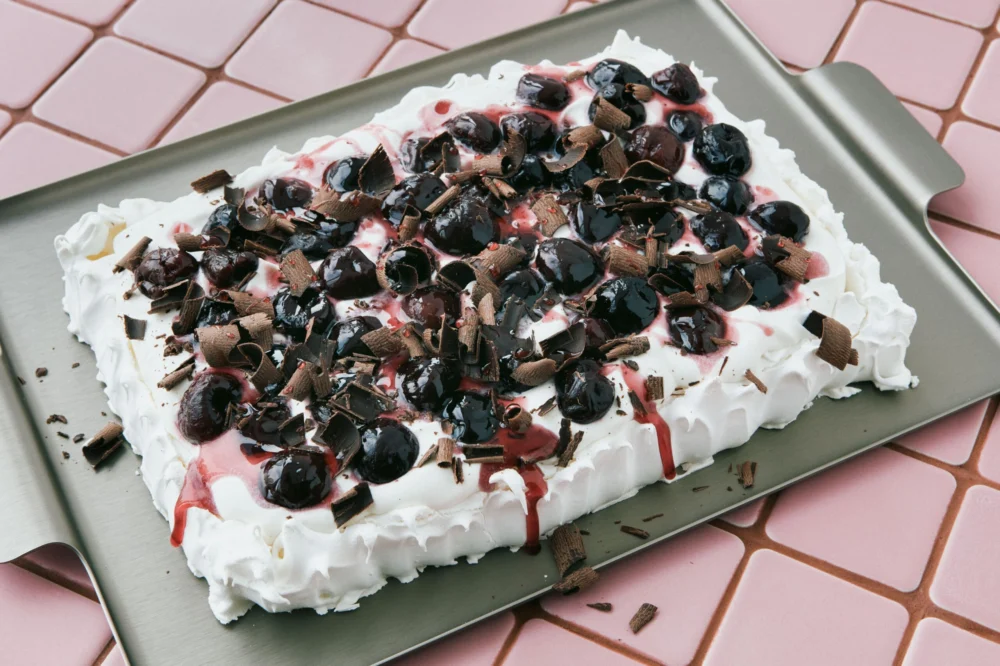
The observance of Passover, a cornerstone of Jewish tradition commemorating the liberation of the Israelites from slavery in ancient Egypt, is profoundly marked by specific dietary strictures, particularly the avoidance of chametz. These prohibitions fundamentally shape the festive meals, extending notably to the realm of desserts. Far from limiting creativity, the absence of chametz—defined as any food product made from wheat, oats, rye, barley, or spelt that has come into contact with water and been allowed to leaven—has historically spurred a remarkable culinary ingenuity, leading to a rich repertoire of flourless chocolate cakes, crisp meringues, decadent cheesecakes, and an abundance of coconut-based confections. These dishes are not merely alternatives but stand as celebrated components of the Passover Seder and subsequent holiday meals, embodying both adherence to ancient laws and a vibrant contemporary culinary spirit.
The Historical and Religious Mandate: Understanding Chametz and Kitniyot
The prohibition of chametz is central to Passover, stemming directly from the biblical narrative of the Exodus. The Israelites, fleeing Egypt, left in such haste that their bread dough did not have time to rise, leading to the consumption of unleavened bread, or matzah. This historical event transformed into a divine commandment, instructing Jews to abstain from chametz for the entire seven or eight days of Passover (depending on geographical custom). The Torah explicitly forbids the consumption, possession, or even sight of chametz during this period.
Beyond the core chametz restriction, many Jewish communities, particularly Ashkenazi Jews (those of Central and Eastern European descent), also observe the prohibition of kitniyot. This category, which emerged in medieval Europe, typically includes rice, corn, peas, beans, lentils, and sometimes certain seeds like sesame or sunflower. The reasoning behind the kitniyot prohibition is varied, often citing concerns about confusion with chametz grains, the possibility of chametz grains being mixed in during harvesting or processing, or the similarity in their preparation (e.g., ground into flour). Sephardic Jews (those of Spanish, Portuguese, North African, and Middle Eastern descent), however, generally permit kitniyot. This distinction creates a divergence in permitted ingredients, influencing the diversity of Passover culinary traditions globally. For instance, while a rice pudding might be a cherished Sephardic Passover dessert, it would be forbidden in most Ashkenazi homes. This nuanced approach to dietary law underscores the dynamic interpretation of halakha (Jewish law) across different Jewish communities, allowing for flexibility within the broader framework of observance.
A Timeline of Passover Observance and Culinary Evolution
The observance of Passover dates back over three millennia, with its origins rooted in the biblical account of the Exodus (circa 13th century BCE).

- Ancient Period (Pre-Common Era): The earliest forms of Passover likely involved the paschal sacrifice and consumption of matzah and bitter herbs, as detailed in the Torah. Dietary laws were relatively simple, focusing primarily on unleavened bread.
- Talmudic Era (1st-6th Centuries CE): Rabbinic Judaism began to codify and elaborate on the laws of Passover. The concept of chametz became more defined, and the structure of the Seder ritual started to take shape, incorporating symbolic foods.
- Medieval Period (7th-15th Centuries CE): The kitniyot prohibition emerged among Ashkenazi communities, driven by concerns over misidentification and cross-contamination. This period also saw the development of distinct culinary traditions as Jewish communities spread across Europe, the Middle East, and North Africa, adapting local ingredients within the Passover framework.
- Early Modern Period (16th-18th Centuries CE): With increased global trade, new ingredients became available, posing questions for rabbinic authorities regarding their Passover status. Culinary innovation within the chametz-free and kitniyot-free guidelines continued to flourish, often relying on nuts, fruits, and dairy.
- Modern Era (19th Century-Present): Industrialization and mass production led to the rise of kosher certification. The 20th and 21st centuries have witnessed a significant expansion of the kosher-for-Passover food market, offering a vast array of certified products. Contemporary chefs and home cooks increasingly blend traditional recipes with modern culinary techniques, often drawing inspiration from gluten-free trends, to create sophisticated and diverse Passover menus. The global reach of Jewish communities means that Passover cuisine today is a vibrant tapestry of regional flavors and innovative adaptations.
The Landscape of Permitted Indulgences
In the absence of traditional flour-based ingredients, Passover desserts become a celebration of alternative textures and flavors.
- Flourless Chocolate Cakes: These rich, dense cakes, often relying on eggs and melted chocolate for structure, are a staple. Their intense flavor and luxurious mouthfeel make them a popular choice, easily adaptable with various additions like espresso, orange zest, or chili. The ingenuity lies in achieving a substantial yet delicate crumb without any grain.
- Crisp Meringues: Composed primarily of whipped egg whites and sugar, meringues are naturally chametz-free and kitniyot-free. They offer a light, airy contrast to heavier Seder dishes, often served simply or incorporated into more elaborate desserts like pavlovas with fresh fruit and whipped cream. Their versatility allows for flavorings such as vanilla, almond, or citrus zest.
- Rich Cheesecakes: Dairy-based desserts are permissible on Passover (though not to be consumed immediately after meat meals, in accordance with kosher dietary laws). Cheesecakes, with their creamy texture and ability to incorporate various fruit or chocolate toppings, provide a satisfyingly indulgent option. Crusts are typically made from crushed matzah meal, ground nuts, or are omitted entirely for a truly flourless experience.
- Coconut Creations: Coconut, in its various forms—flaked, shredded, or as coconut milk—is a foundational ingredient in many Passover desserts. Macaroons, often made simply with coconut, sugar, and egg whites, are iconic. Coconut-based custards, tarts (with nut-based crusts), and even ice creams provide a tropical counterpoint to the more traditional fare.
- Nut-Based Desserts: Almonds, walnuts, pecans, and other nuts are frequently ground into flours or meals to create tortes, cookies, and crusts. These provide structure and richness, lending distinct flavors and textures to the holiday table.
The Elegant Simplicity of Fresh Fruit
For those overwhelmed by the extensive preparations for the Seder, or simply preferring a lighter finish to a rich meal, a platter of fresh fruit remains an entirely acceptable and often preferred dessert. This choice aligns with the spirit of the holiday, which emphasizes balance and a focus on the meal’s symbolic significance. However, even this seemingly simple option can be elevated with thoughtful touches. Drizzling high-quality olive oil over a selection of vibrant fruits, finishing with flaky sea salt, and grating fresh lime zest introduces layers of complexity—umami, salinity, and bright acidity—transforming a basic fruit platter into a sophisticated culinary statement. This approach demonstrates that elegance and flavor need not be sacrificed for adherence to dietary laws.
Broader Implications: Industry, Innovation, and Inclusivity
The unique dietary requirements of Passover have far-reaching implications, extending beyond the Jewish community itself.
- The Kosher Food Industry: Passover is a critical period for the kosher food industry. Manufacturers invest heavily in obtaining specific "Kosher for Passover" certifications, which often require dedicated production lines, extensive cleaning protocols, and rabbinic supervision to ensure no chametz contamination. This drives innovation in ingredient sourcing and product development, as companies seek to offer a wider range of compliant products, from gluten-free matzah to specialized baking mixes and frozen desserts. The global kosher food market, estimated to be worth billions, sees a significant surge in activity leading up to Passover.
- Culinary Innovation: The constraints of Passover have historically fostered immense creativity among Jewish cooks. The challenge of creating delicious meals without staple grains has led to the development of unique recipes and techniques that continue to evolve. This spirit of innovation is evident in modern Passover cookbooks and culinary blogs, which often showcase contemporary interpretations of traditional dishes alongside entirely new creations.
- Dietary Inclusivity: The chametz-free nature of many Passover desserts makes them naturally gluten-free. This has led to an interesting convergence, where individuals observing gluten-free diets for health reasons often find a wealth of suitable recipes and products within the Passover market. This overlap creates a broader appeal for Passover-friendly foods, demonstrating how religiously mandated dietary practices can inadvertently cater to wider health trends.
- Cultural Identity and Transmission: Food plays a crucial role in transmitting cultural identity and religious values across generations. The preparation and consumption of Passover desserts are not just about adhering to rules; they are acts of remembrance, community building, and a tangible connection to Jewish heritage. Sharing these unique dishes reinforces family bonds and ensures the continuity of tradition.
Expert Perspectives on Modern Passover Cuisine

Leading culinary experts and rabbinic authorities frequently comment on the evolving landscape of Passover cuisine. "The limitations of Passover are often seen as a challenge, but for chefs and home cooks, they are an invitation to innovate," states Dr. Rachel Goldstein, a food historian specializing in Jewish cuisine. "The flourless chocolate cake, for instance, has become a Passover icon, demonstrating how dietary adherence can lead to entirely new culinary genres that are celebrated far beyond the holiday itself."
Rabbi Mendel Klein, a prominent authority on kosher law, emphasizes the balance between strict adherence and joyous celebration. "While the avoidance of chametz is a serious obligation, the spirit of Passover is one of liberation and festivity. Our sages teach us to enjoy the holiday, and that includes delightful meals and desserts, prepared within the bounds of halakha. The creativity we see in Passover desserts reflects the Jewish people’s enduring capacity to adapt and thrive, even under strictures."
Food manufacturers echo this sentiment, noting the increasing demand for high-quality, gourmet Passover options. "The market for Kosher for Passover products has matured significantly," comments Sarah Chen, CEO of a leading kosher food company. "Consumers are looking for more than just compliance; they expect delicious, sophisticated options. This pushes us to develop new recipes and source premium ingredients, from artisanal chocolates to exotic fruits, all while maintaining rigorous certification standards."
Conclusion
The world of Passover desserts is a testament to the enduring power of tradition, creativity, and adaptation. Far from being a mere footnote to the Seder, these flourless delights—from the decadent richness of chocolate tortes to the delicate crispness of meringues and the comforting familiarity of fruit platters—represent a vibrant intersection of religious observance and culinary artistry. They embody centuries of Jewish ingenuity in navigating dietary laws while simultaneously crafting meals that are both deeply meaningful and exquisitely delicious. As Passover continues to be observed by millions globally, the evolution of its dessert traditions ensures that the holiday table remains a place of both profound historical remembrance and delightful gastronomic exploration.