

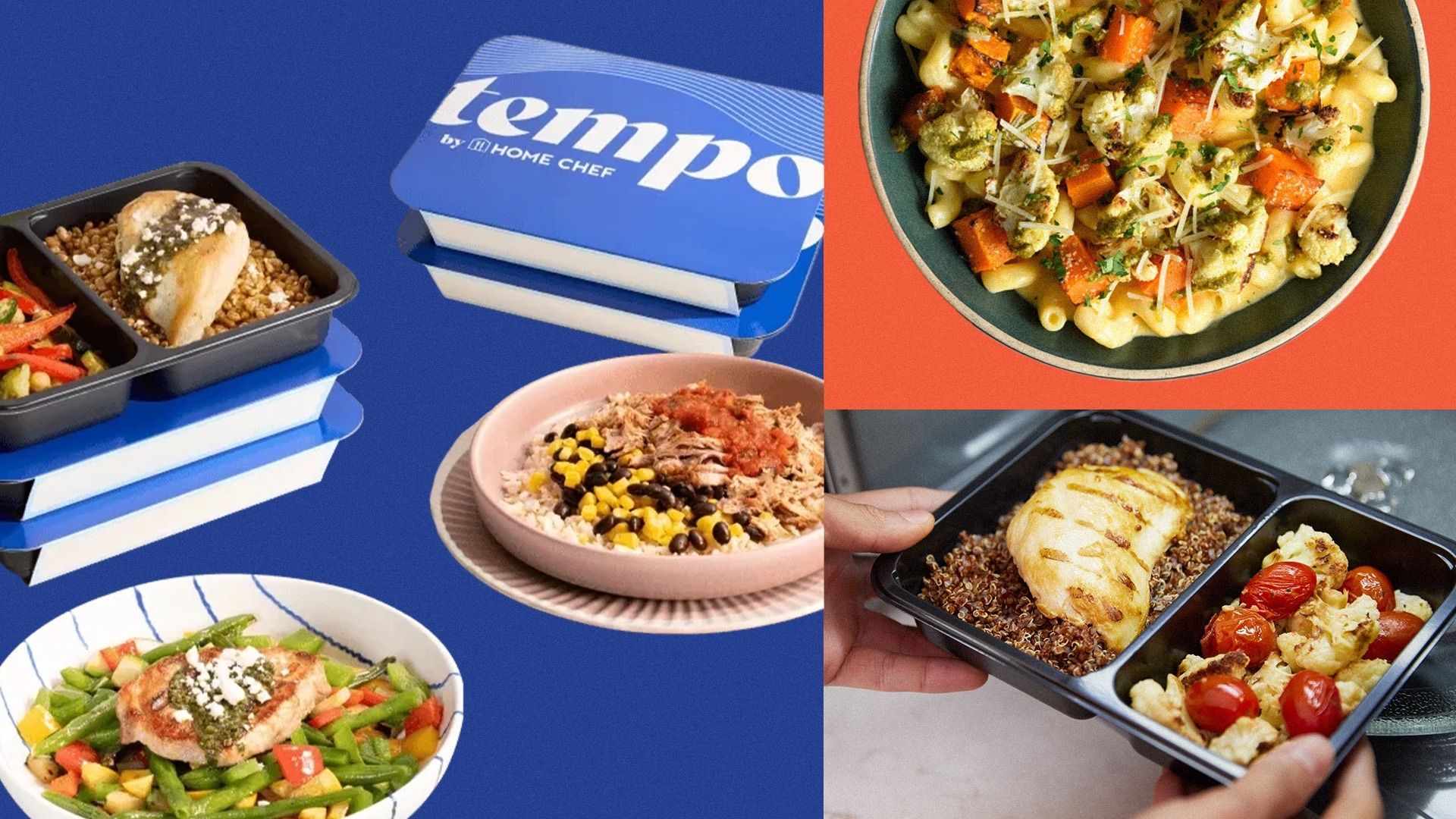
The burgeoning meal delivery sector continues its rapid expansion, driven by evolving consumer demands for convenience, health, and quality. Amidst a crowded market of meal kits and frozen dinners, Tempo, a weekly meal delivery service under the Home Chef brand, has positioned itself as a purveyor of fresh, chef-inspired, and nutritionally balanced ready-to-eat meals. This analysis delves into Tempo’s operational model, its value proposition to consumers, and its standing within the broader landscape of food service innovation, addressing common industry challenges and opportunities.
The Evolution of Meal Delivery: A Market Overview
The concept of meal delivery has undergone significant transformation over the past decade. Initially popularized by meal kit services in the early 2010s, companies like Blue Apron and HelloFresh offered pre-portioned ingredients and recipes designed to simplify home cooking. While these services provided variety and reduced grocery shopping friction, they still required significant time commitment for preparation, chopping, and cooking. This inherent demand for user effort often led to subscription fatigue and an unfulfilled desire for even greater convenience among consumers with increasingly busy lifestyles.
By the mid-2010s, a new wave of services emerged, focusing on fully prepared, ready-to-eat meals. This shift addressed the core need for convenience by eliminating all cooking steps, requiring only reheating. The market for ready-to-eat meals has since diversified, with offerings ranging from budget-friendly frozen options to premium, gourmet selections. According to market research reports, the global meal kit and ready-to-eat meal delivery market is projected to continue its robust growth, driven by urbanization, rising disposable incomes, and a sustained focus on health and wellness. Consumers are increasingly seeking solutions that balance nutritional integrity with minimal time investment.
Tempo, a distinct offering from the established meal kit provider Home Chef, enters this evolved landscape with a specific emphasis on "fresh, never frozen" meals. This differentiates it from a significant portion of the ready-to-eat market that relies on freezing for extended shelf life, often at the perceived expense of taste and texture. Home Chef, leveraging its existing culinary infrastructure and supply chain, aims to capture a segment of the market that prioritizes quality and freshness above all else in the convenience food category.
Tempo’s Operational Model and Core Offerings
Tempo operates on a subscription-based model, delivering fully prepared meals directly to customers’ doorsteps on a weekly basis. The service’s foundational promise revolves around freshness, emphasizing that meals are prepared with whole ingredients sourced for each menu cycle and are never subjected to freezing. This approach is designed to preserve the integrity of flavors and textures, mimicking the experience of a home-cooked meal without the associated labor.
Upon subscription, new users engage with a questionnaire designed to ascertain their dietary goals and preferences. This personalization feature is critical in a competitive market, allowing Tempo to curate weekly menu suggestions tailored to individual needs. Dietary categories catered to include high-protein, balanced, low-calorie, and even GLP-1 friendly options, reflecting contemporary health trends and medical dietary recommendations. The menu rotates weekly, ensuring variety and preventing "menu fatigue," a common complaint among long-term meal service subscribers.
A notable feature of Tempo’s culinary strategy is its periodic collaboration with guest chefs. For instance, recent partnerships have included limited-edition Korean dishes developed with chef My Nguyen, introducing diverse and often adventurous flavor profiles that might not typically be found in standard weekly rotations. This strategy not only enhances the menu’s appeal but also provides a dynamic element that keeps the service engaging. Beyond main meals, Tempo offers supplementary items such as breakfast sandwiches, desserts, and grab-and-go snack bundles, positioning itself as a comprehensive solution for daily nutritional needs.
The ordering experience is designed for simplicity, guiding users from preference input to menu selection and delivery scheduling. This streamlined process, coupled with the ability to override suggested dishes, offers both guided convenience and individual autonomy in meal choices.
Logistics and Sustainability Considerations
Delivery logistics are a critical component of any meal service, particularly one emphasizing freshness. Tempo meals arrive in insulated packaging designed to maintain optimal temperatures, ensuring food safety throughout transit. The packaging system utilizes recyclable insulation sleeves and a large ice pack, minimizing waste compared to more elaborate or less environmentally conscious solutions often seen in the industry, such as excessive fillers or non-recyclable styrofoam. This commitment to reducing packaging waste addresses a significant environmental concern frequently raised by consumers regarding meal delivery services.
Upon arrival, meals are clearly labeled with heating instructions and comprehensive nutritional information, including calories, protein, carbohydrates, and fats. This transparency supports consumers who are actively tracking their macronutrient intake or adhering to specific dietary plans. The fact that meals are refrigerated, not frozen, also means they are ready for immediate consumption or quick reheating, saving time and mental effort for busy individuals. The compact stacking of meals within the delivery box is also a practical advantage, requiring minimal refrigerator space—a minor yet appreciated detail for those with limited storage.
Culinary Quality and Nutritional Efficacy

The core differentiator for Tempo lies in its ability to deliver on its promise of delicious, fresh-tasting meals that defy the often-bland reputation of prepared foods. Anecdotal evidence from taste tests suggests that the service excels in this regard. Proteins, particularly chicken, a common ingredient that can often become dry or rubbery in heat-and-eat dishes, are consistently reported as well-seasoned and tender. Vegetables retain their texture and vibrant flavors, avoiding the mushy consistency often associated with pre-cooked or frozen produce. Sauces are described as bright and flavorful, enhancing the overall dining experience rather than merely coating ingredients.
Seafood, notoriously challenging to execute well in a prepared meal format, also receives commendation. Dishes like grilled salmon in poblano crema sauce or shrimp fra diavolo are noted for their quality, with fish remaining flaky and not overcooked, and sauces tasting fresh and creamy. This level of culinary execution is crucial for a premium service aiming to replicate a home-cooked or restaurant-quality experience.
From a nutritional perspective, Tempo’s commitment to clear labeling and diverse dietary options is a significant advantage. For individuals aiming to increase protein intake, manage caloric consumption, or follow specific dietary protocols like GLP-1 friendly eating plans, the detailed macro-nutrient information empowers informed choices. Nutrition experts frequently highlight the benefits of pre-portioned, nutritionally balanced meals for weight management and consistent adherence to healthy eating habits, especially for those who struggle with meal planning and preparation due to time constraints. The convenience offered by Tempo directly translates into a reduced likelihood of defaulting to less healthy takeout options or skipping meals entirely during busy periods.
Economic Analysis and Consumer Value Proposition
Tempo positions itself in the premium segment of the ready-to-eat meal market, a distinction reflected in its pricing structure. A typical order of 10 meals may cost approximately $136 per week, inclusive of taxes and fees, translating to around $12 per meal. Smaller orders, such as four meals, can see the per-meal cost rise to approximately $15. This pricing is notably higher than purchasing raw groceries for home cooking, where the same monetary investment could yield ingredients for multiple meals with leftovers. However, the economic analysis of Tempo’s value proposition extends beyond a direct cost-per-calorie comparison.
The primary value driver for Tempo is the intangible benefit of time and effort saved. The service eliminates the need for grocery shopping, meal planning, ingredient preparation (chopping, marinating), cooking, and post-meal cleanup. For busy professionals, parents, or individuals with demanding schedules, this reclaimed time can be significant, allowing them to reallocate their energy to other personal or professional pursuits. Industry analysts suggest that consumers are increasingly willing to pay a premium for convenience services that enhance their quality of life or alleviate daily stressors.
Furthermore, Tempo’s cost should be evaluated against alternatives like dining out or ordering takeout. Compared to restaurant meals, especially those offering comparable nutritional quality and ingredient freshness, Tempo’s per-meal cost can often be competitive or even lower, while also providing a healthier, more controlled option. This makes it an attractive alternative for reducing reliance on potentially more expensive and less healthy external food sources.
A point of consideration for some consumers might be the portion sizes. While ideally suited for lunch or individuals with moderate caloric needs, those with larger appetites or highly active lifestyles might find some meals modest. In such instances, supplementing with a side salad or an additional snack might be necessary. This aspect, however, aligns with dietary goals such as calorie control or balanced eating, where portion management is key.
The flexibility of Tempo’s subscription model, allowing users to skip deliveries or adjust their plans before weekly cut-off dates, is a standard yet essential feature in the modern subscription economy. This minimizes perceived commitment and provides consumers with control, reducing the friction often associated with recurring services.
Broader Impact and Future Outlook
Tempo’s presence in the meal delivery market underscores several broader trends impacting the food industry. The sustained demand for convenient, healthy food options continues to drive innovation in product development, supply chain efficiency, and personalization. Services like Tempo contribute to a shift in consumer behavior, where prepared meals are increasingly viewed not as a luxury but as a practical solution for maintaining a balanced diet amidst a hectic lifestyle.
The emphasis on fresh, never-frozen ingredients also pushes industry standards, challenging competitors to elevate their offerings. This focus on quality can lead to healthier eating habits across the population, as access to nutritious, ready-to-eat meals becomes more widespread and appealing. Moreover, the integration of dietary goals like GLP-1 friendly options highlights the industry’s responsiveness to emerging health science and medical dietary recommendations.
Environmentally, the drive towards minimal and recyclable packaging is a positive step. As consumers become more environmentally conscious, companies that prioritize sustainable practices in their logistics and operations will likely gain a competitive advantage. The potential for reducing household food waste through pre-portioned meals is another positive externality, addressing a significant global challenge.
In conclusion, Tempo by Home Chef represents a sophisticated evolution in the meal delivery space. By successfully marrying convenience with culinary quality and nutritional transparency, it addresses many of the long-standing criticisms leveled against prepared foods. While its premium pricing and sometimes modest portions may necessitate individual consumer assessment of value, its core offering of fresh, chef-prepared meals provides a compelling solution for busy, health-conscious individuals seeking to streamline their daily nutrition without compromising on taste or quality. As the meal delivery market continues to mature, Tempo’s model serves as an important benchmark for balancing consumer demands with operational excellence and responsible practices.