

The landscape of American home dining is undergoing a significant shift as inflationary pressures continue to impact grocery budgets nationwide. In response to these economic variables, culinary development teams are increasingly prioritizing recipes that maximize protein efficiency while minimizing per-serving costs. A prominent example of this trend is the recently finalized Taco Casserole protocol developed at the Nashville Test Kitchen. This dish, which utilizes a layered architecture of flour tortillas, seasoned ground beef, and legumes, offers a comprehensive solution for households seeking a high-yield, low-cost dinner option. By integrating fresh vegetables and fiber-rich black beans, the recipe successfully stretches one pound of ground beef into eight distinct servings, achieving a price point of approximately $1.70 per portion.
The Economic Context of Budget-Conscious Cooking
The development of the Taco Casserole comes at a critical juncture for consumer spending. According to recent data from the Bureau of Labor Statistics, the Consumer Price Index for food at home has seen staggered increases over the past 24 months, forcing many families to re-evaluate their protein consumption. The Nashville Test Kitchen’s approach focuses on "protein stretching," a method where meat is supplemented with cost-effective fillers that do not compromise the nutritional integrity or flavor profile of the meal.
By pricing the entire eight-serving recipe at $13.62, the development team has managed to keep the cost significantly below the average price of a fast-food meal for a single person. This focus on affordability is paired with a streamlined 45-minute preparation and cooking window, addressing the "poverty of time" often experienced by working-class households.
Technical Composition and Ingredient Analysis
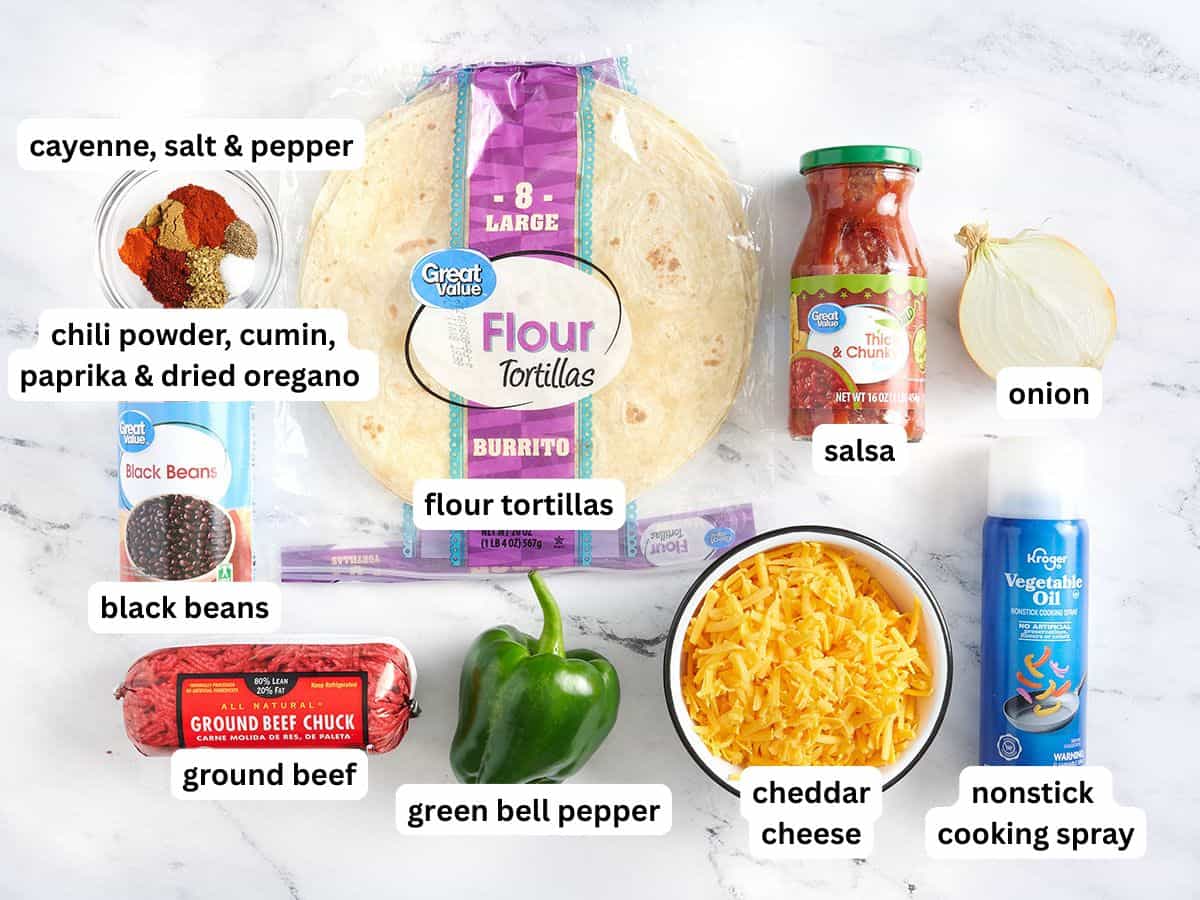
The Taco Casserole is built upon a foundation of common pantry staples, designed to eliminate the need for specialized or high-cost international ingredients. The core components include:
- Protein Base: One pound of 80/20 ground beef serves as the primary protein. The protocol allows for substitutions such as ground turkey or chicken, depending on local market availability and consumer preference.
- Fiber and Volume: A 15-ounce can of black beans and a combination of diced onions and green bell peppers are utilized to increase the volume of the filling without a proportional increase in cost.
- Flavor Matrix: Rather than relying on pre-packaged taco seasoning—which often contains anti-caking agents and higher sodium levels—the recipe employs a custom blend of chili powder, cumin, paprika, dried oregano, and cayenne pepper.
- Structural Components: Six burrito-sized flour tortillas provide the internal scaffolding for the three-layer system, while shredded cheddar cheese acts as the primary binding agent.
Chronology of Preparation: The 45-Minute Protocol
The efficiency of the Taco Casserole is rooted in its sequential preparation process. The following timeline outlines the transition from raw ingredients to a finished, table-ready meal:
Phase I: The Sauté and Reduction (Minutes 0–15)
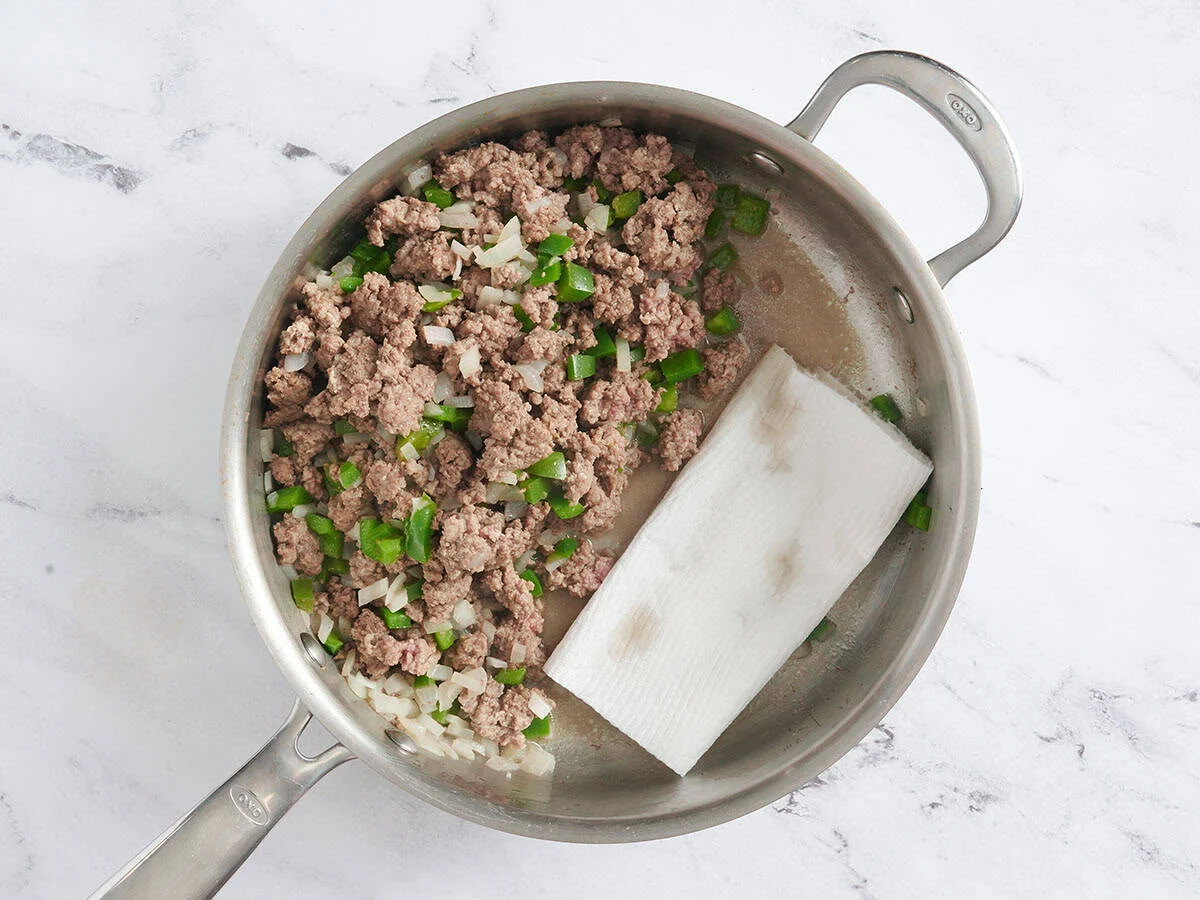
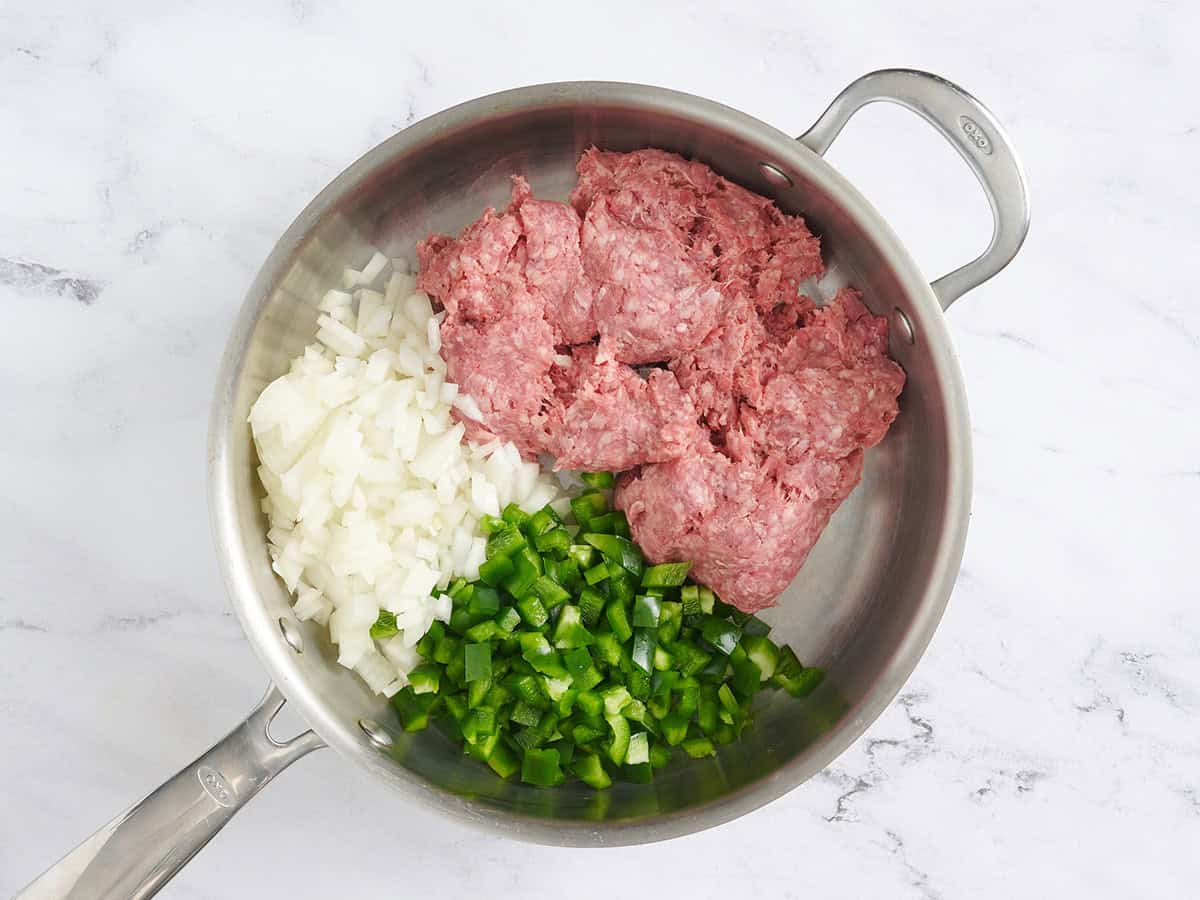
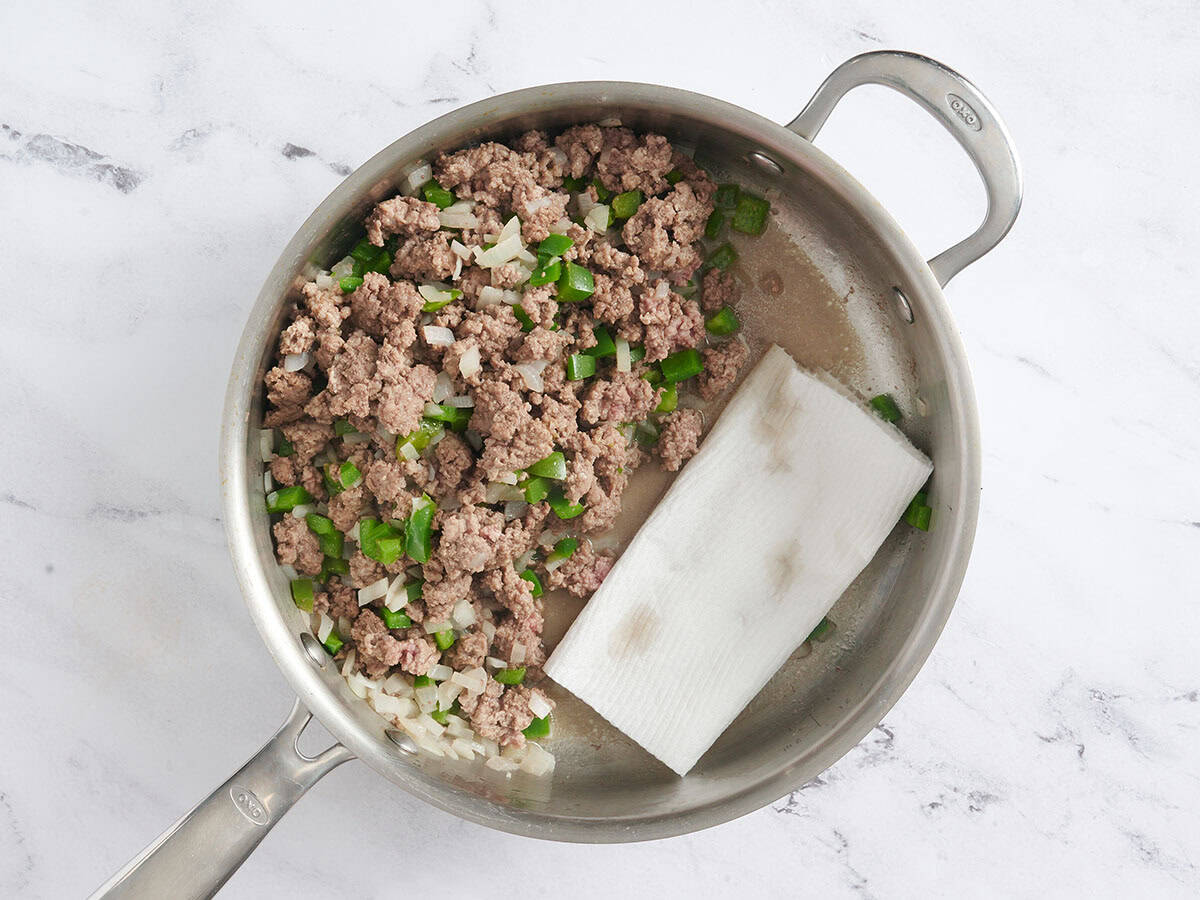
The process begins with the preheating of the oven to 350°F. Simultaneously, the ground beef is introduced to a medium skillet alongside diced onions and green bell peppers. The objective of this phase is twofold: reaching an internal temperature of 160°F for the beef and softening the aromatics. Once cooked, the rendering of excess fat is a critical step to ensure the structural integrity of the final casserole; failure to drain the fat can result in a compromised, "soggy" tortilla base.
Phase II: Spice Integration and Moisture Control (Minutes 15–20)
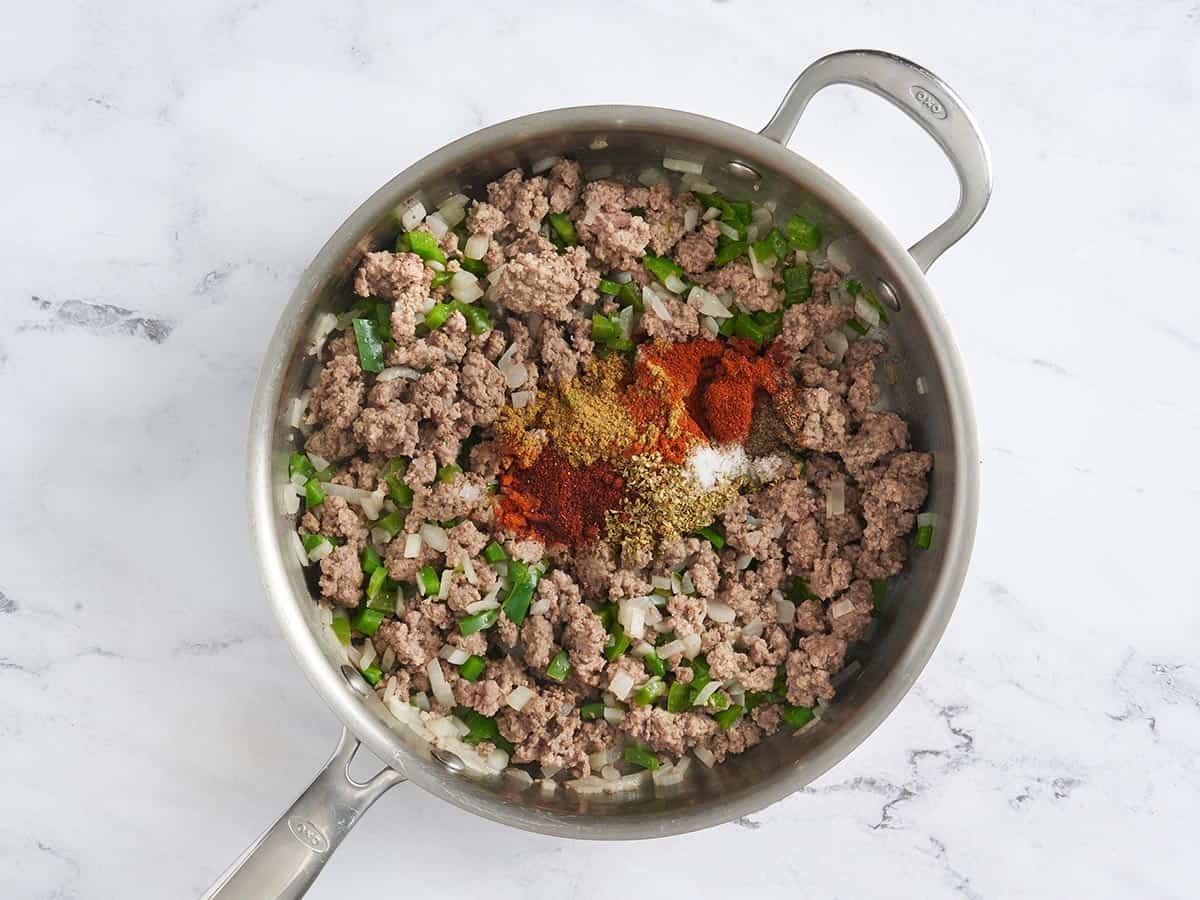
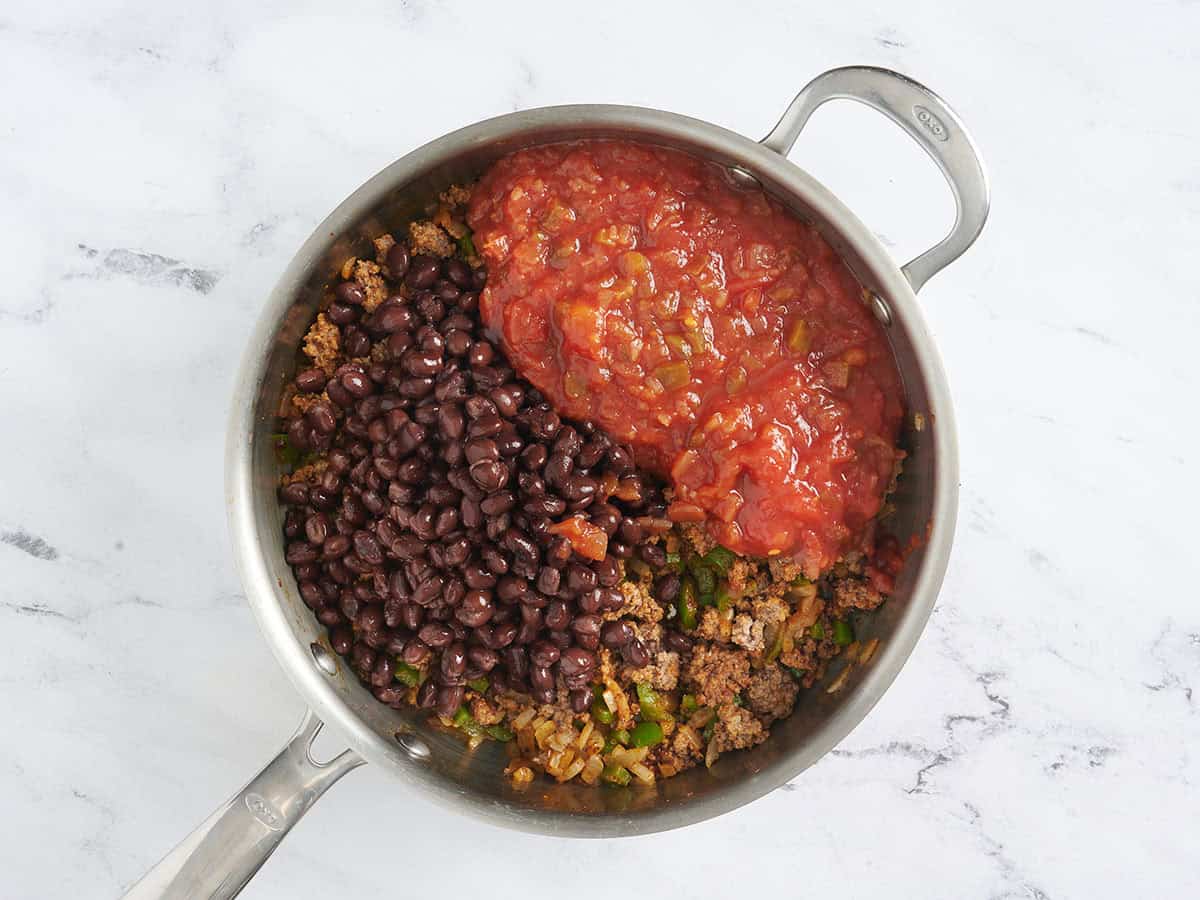
The spice matrix is added directly to the meat mixture. A one-minute "toasting" period is mandated to bloom the fat-soluble compounds within the spices, enhancing the depth of the Tex-Mex flavor profile. Following this, 16 ounces of thick, chunky salsa and the drained black beans are incorporated. The mixture is simmered until no "free-standing" liquid remains, a technical requirement to prevent the flour tortillas from absorbing excessive moisture during the baking process.
Phase III: Structural Assembly (Minutes 20–25)
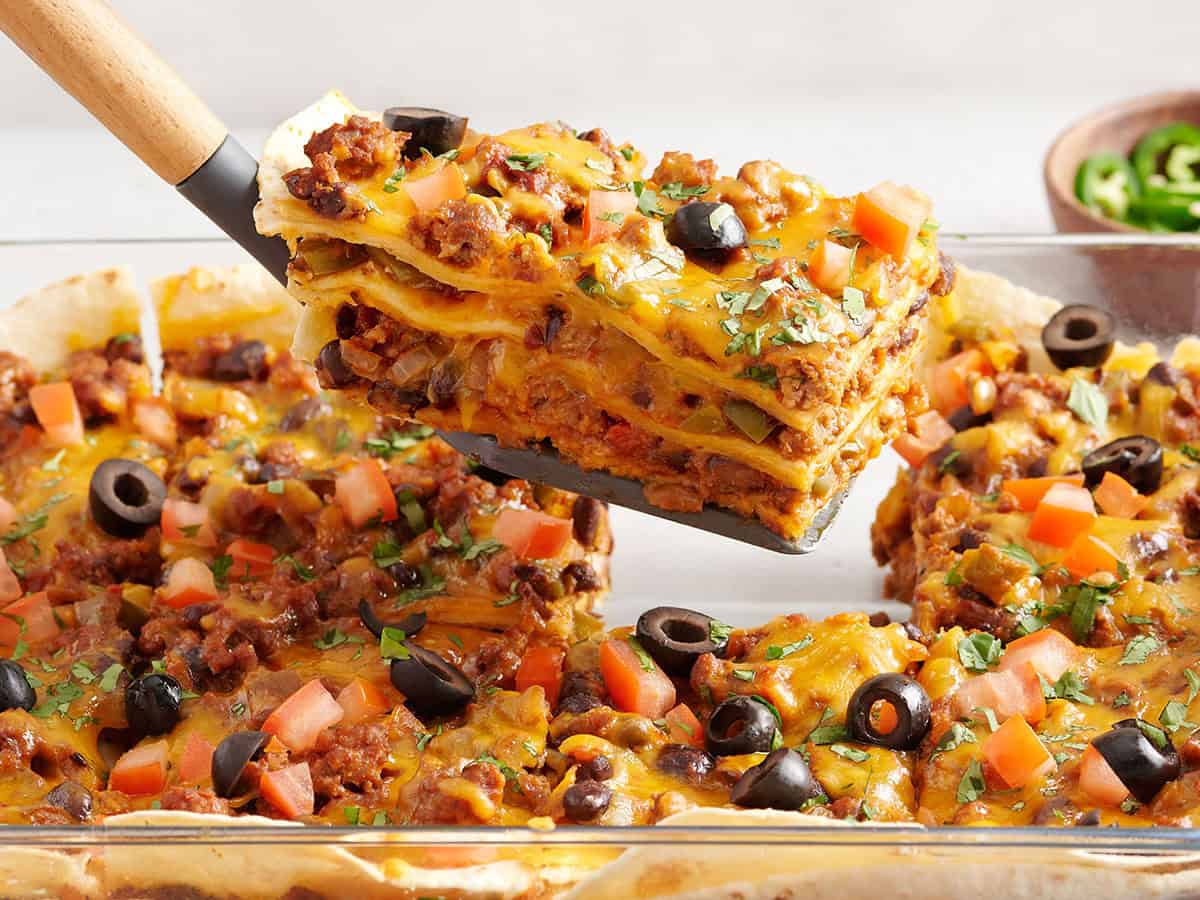
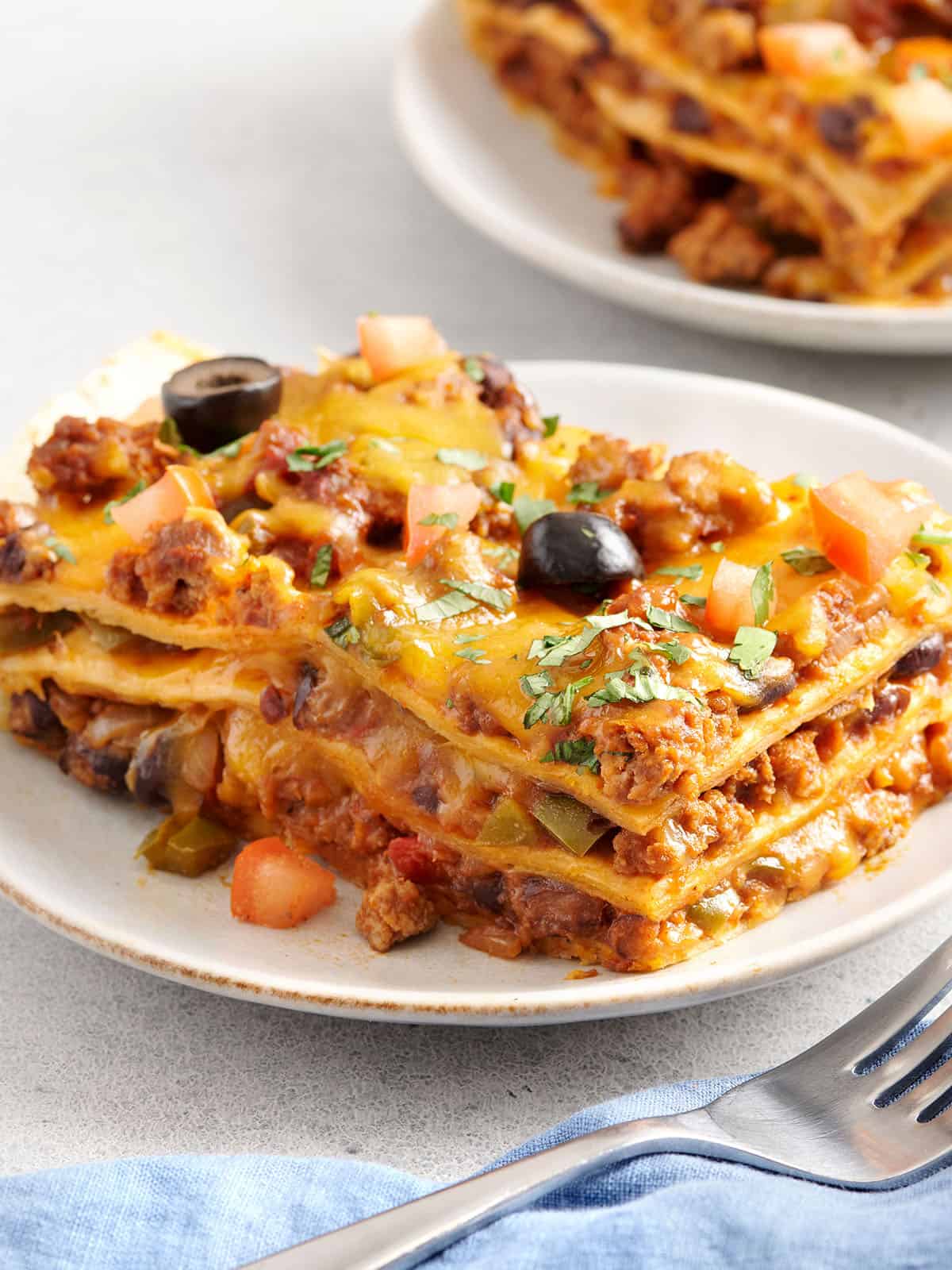
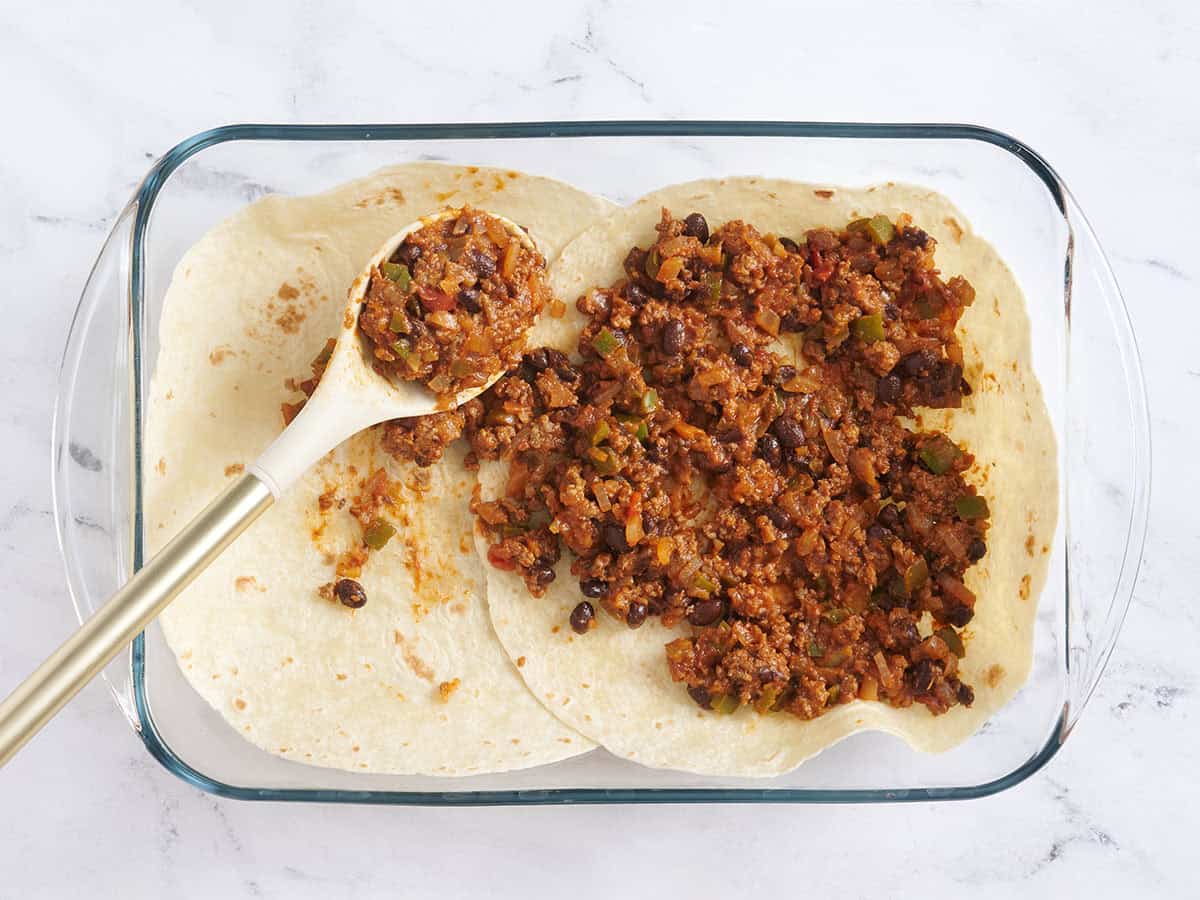
The assembly follows a strict layering protocol in a 9×13-inch baking dish. Two tortillas are laid at the base, followed by one-third of the beef mixture and a layer of cheese. This process is repeated twice more. This architectural approach ensures that every slice maintains its shape when served, providing a consistent distribution of ingredients.
Phase IV: Thermal Processing and Resting (Minutes 25–45)
The casserole is baked uncovered for 20 minutes. This duration is sufficient to melt the cheese and crisp the exposed edges of the tortillas. A five-minute post-oven resting period is recommended to allow the internal layers to settle, facilitating cleaner slicing.
Nutritional and Analytical Data
A quantitative analysis of the Taco Casserole reveals a balanced nutritional profile, particularly suitable for active individuals or growing families. Each serving provides:
- Calories: 425 kcal
- Protein: 24g (representing 48% of the recommended daily value)
- Fiber: 7g (contributing to digestive health and satiety)
- Sodium: 851mg
- Total Fat: 23g
The high protein-to-cost ratio is a standout feature of this dish. At 24 grams of protein per $1.70 serving, the casserole represents one of the most efficient ways to meet daily nutritional requirements on a restricted budget.
Statements from the Development Team
Melissa Nolan, a recipe developer at Budget Bytes and a former chef instructor, emphasized the importance of the dish’s versatility. "The goal was to create a ‘mini fiesta’ in a single dish," Nolan stated in the project documentation. "By making our own seasoning and focusing on moisture control, we’ve created a meal that feels indulgent but remains highly accessible."
The Nashville Test Kitchen also provided specific guidance regarding "make-ahead" strategies. The official stance is that while components (such as the meat filling and shredded cheese) can be prepared up to three days in advance, the final assembly should occur immediately before baking. This prevents the tortillas from reaching a state of over-saturation, ensuring the desired texture is achieved upon service.
Storage, Reheating, and Long-Term Stability
From a food safety and preservation standpoint, the Taco Casserole demonstrates moderate stability. Leftovers are cleared for refrigeration for a period of three to four days when stored in airtight containers.
For long-term storage, the development team suggests freezing individual slices rather than the entire tray. This allows for more even thawing and reheating. While the texture of the tortillas may soften slightly after a freeze-thaw cycle, the flavor profile remains intact for up to three months. Reheating protocols suggest the use of a microwave for individual portions or a foil-covered baking dish at 350°F for multiple servings to maintain the moisture balance.
Broader Implications for the Culinary Industry
The success of the Taco Casserole reflects a larger movement toward "democratized gastronomy"—the idea that high-quality, flavorful, and nutritionally dense food should be available regardless of socioeconomic status. As traditional "taco nights" often require multiple bowls and an assembly-line approach that can be labor-intensive, the move toward a consolidated casserole format represents an evolution in convenience.
Furthermore, the emphasis on using a "thick and chunky" jarred salsa as a primary flavoring agent highlights a shift in how home cooks utilize prepared goods. Rather than seeing jarred products as a compromise, they are increasingly viewed as a "base" that can be enhanced with fresh aromatics and custom spice blends.
Conclusion: A Staple for Modern Households
The Taco Casserole is more than a simple recipe; it is a calculated response to the current economic and social climate. It balances the need for speed, the necessity of budget management, and the desire for a meal that appeals to a wide demographic. By providing a clear, step-by-step methodology and rigorous nutritional data, the Nashville Test Kitchen has established a new standard for what a "weeknight dinner" can and should be. As households continue to navigate a complex financial landscape, dishes like this casserole provide a reliable, repeatable, and enjoyable solution to the daily challenge of family nutrition.
