

Sweetgreen’s second-quarter financial performance, while showing a modest improvement from the preceding period, was significantly impacted by external factors, most notably widespread concerns over foodborne illnesses. Despite the introduction of new menu items like wraps and an ongoing effort to enhance operational efficiency, the fast-casual salad chain experienced a notable decline in same-store sales, leading to a downward revision of its annual financial outlook. The company’s ability to rebound will hinge on its capacity to restore consumer confidence in the wake of public health scares and to sustain the positive reception of its evolving menu offerings.
Second Quarter Performance and Contributing Factors
In the second quarter ending June 28, Sweetgreen reported a 6.2% decrease in same-store sales. This figure, while representing an improvement from the nearly 13% drop seen in the first quarter, underscores the persistent challenges facing the brand. The decline was attributed to several key components: a 2% reduction in customer traffic and a 4.2% decrease in product mix. The latter indicates a shift in consumer purchasing behavior, with guests opting for promotional deals and embracing the newly introduced, and presumably lower-priced, wraps. The removal of ripple fries from the menu in the latter half of the previous year also contributed to the overall sales comparison.
Despite the overall decline, Sweetgreen observed a sequential improvement in customer transactions throughout the second quarter. Negative transactions, which stood at a concerning 11.2% in the first quarter, narrowed to a 3% decline in April and May, eventually reaching a flat performance in June. This trend suggests that the company’s strategic initiatives were beginning to resonate with consumers, even as broader market headwinds persisted.
The Shadow of Food Safety Concerns
The latter half of the second quarter and the initial weeks of the third quarter were marred by public health advisories concerning foodborne illnesses, which significantly disrupted the fresh food sector. A prominent outbreak of cyclosporiasis, characterized by severe gastrointestinal distress, was widely reported and linked, though not definitively, to iceberg lettuce. While Sweetgreen does not serve iceberg lettuce and has not been directly implicated in any outbreak, the pervasive media coverage and public apprehension surrounding fresh produce had a tangible negative effect on consumer demand for prepared foods, including salads.
CEO Jonathan Neman acknowledged the impact of these concerns, stating in a company release that the cyclosporiasis news was estimated to have a 600-basis-point impact on comparable sales in July alone. This indirect but substantial impact highlights the vulnerability of businesses reliant on fresh ingredients to widespread public health narratives, even when those narratives do not directly involve the company’s supply chain or products.
Adding to the volatility, a separate salmonella outbreak, this time linked to fresh jalapeños, emerged. In a proactive measure, Sweetgreen has temporarily removed jalapeños sourced from the implicated supplier from its menu. While jalapeños are only incorporated into two of the chain’s 15 dressings, this incident further underscores the delicate nature of ingredient sourcing and the potential for disruption due to widespread contamination events. These events, occurring in close proximity, have undoubtedly contributed to a climate of consumer hesitancy regarding fresh food consumption.
Strategic Responses and Future Outlook
In response to these challenges and the uncertainty surrounding the pace and timing of recovery, Sweetgreen has revised its annual financial guidance. The company now anticipates a full-year same-store sales decline between 8% and 7%, a significant downward adjustment from the 4% to 2% decline projected after the first quarter. This revised outlook reflects a more conservative stance, acknowledging the lingering effects of the food safety concerns and the ongoing need to adapt to evolving consumer behavior.
Despite the sales headwinds, Sweetgreen’s revenue for the second quarter saw a modest increase of 3.8%, reaching $192.7 million. This growth was primarily driven by the expansion of its restaurant footprint. The company opened four new locations during the quarter, while closing two, bringing its total number of restaurants to 287. This strategy of physical expansion, even amidst comparable sales declines, suggests a long-term commitment to market penetration and brand visibility.
However, the increased operational costs associated with expansion and the impact of sales declines on profitability led to a widening of the company’s net loss. Sweetgreen reported a net loss of $26.3 million in the second quarter, compared to a net loss of $23.2 million in the same period a year prior. This indicates that while revenue is growing, the cost of doing business is also increasing, putting pressure on the bottom line.
Menu Innovation and Operational Improvements
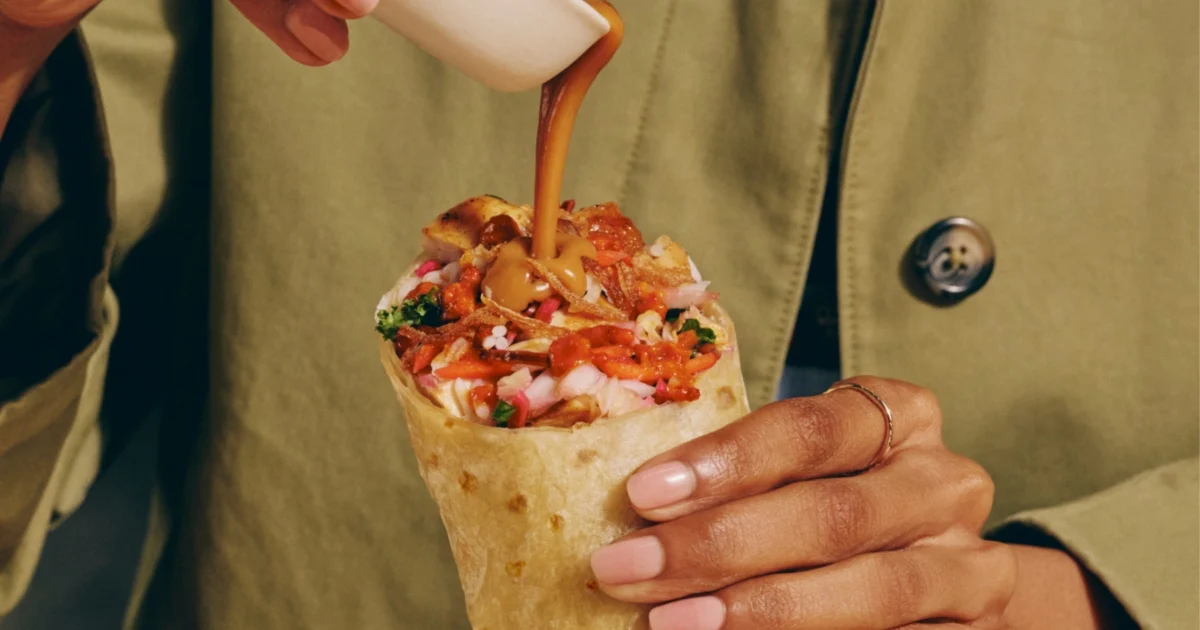
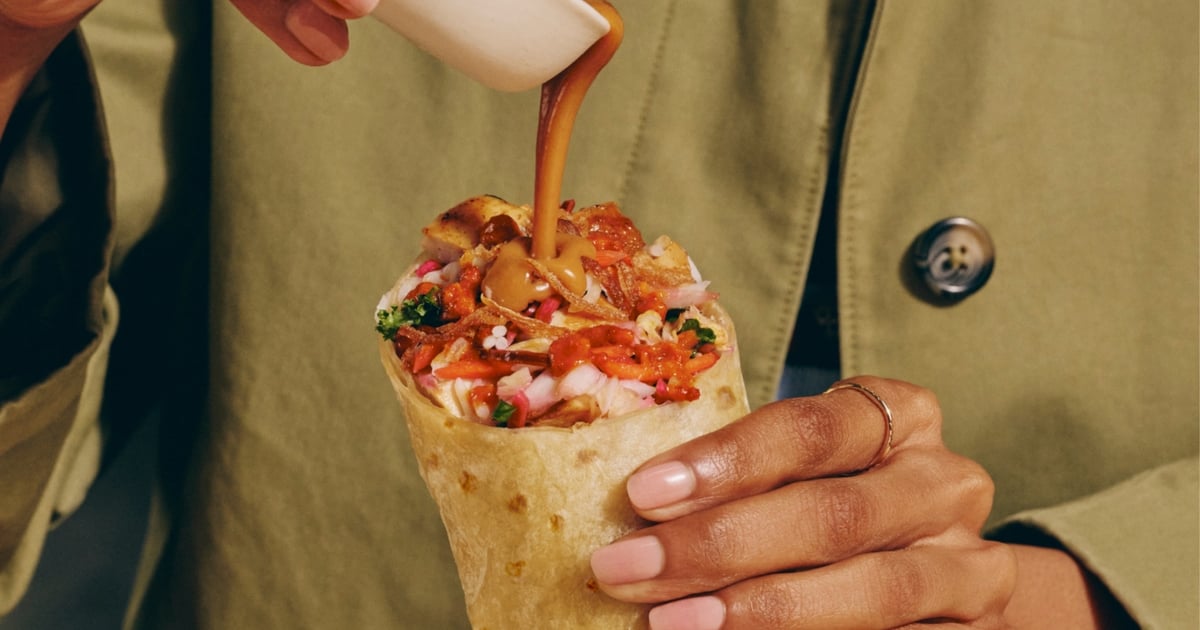
Sweetgreen’s introduction of wraps earlier in the year has been a notable bright spot. The company reported that these new offerings were well-received by customers and contributed positively to the sales momentum in the initial part of the second quarter. This innovation reflects Sweetgreen’s strategic effort to diversify its menu beyond traditional salads and cater to a broader range of consumer preferences, including those seeking more portable and convenient meal options. The popularity of wraps, even at a lower price point, suggests a potential avenue for driving traffic and increasing transaction volume.
Furthermore, CEO Neman emphasized ongoing improvements in restaurant execution. He stated, "Our results are not where they need to be, but the progress we saw in the second quarter reinforces our confidence that the plan is working. Guests are responding to wraps, restaurant execution is improving, and transactions strengthened throughout the quarter." This focus on operational efficiency, from order accuracy to service speed, is critical for enhancing the customer experience and fostering repeat business, especially in a competitive fast-casual market.
Industry-Wide Impact and Broader Context
The challenges faced by Sweetgreen are not isolated. The broader fast-casual dining sector, particularly establishments emphasizing fresh ingredients, has been susceptible to the ripple effects of food safety incidents. The cyclosporiasis and salmonella outbreaks have served as stark reminders of the critical importance of robust supply chain management, stringent quality control, and transparent communication with consumers.
Competitors have also faced similar pressures. For instance, Qdoba recently reported pulling jalapeños from its menu due to a salmonella outbreak, a move mirroring Sweetgreen’s cautious approach. These instances underscore a collective industry vulnerability and a heightened scrutiny from regulatory bodies and consumers alike regarding the safety of food preparation and sourcing.
The economic landscape also plays a role. Inflationary pressures on food costs and labor, coupled with potential shifts in consumer spending habits due to broader economic uncertainties, create a complex operating environment. Companies are navigating a delicate balance between maintaining profitability and offering value to price-sensitive consumers.
Looking Ahead: Rebuilding Trust and Sustaining Growth
Sweetgreen’s path forward will likely involve a multifaceted strategy. Firstly, rebuilding and maintaining consumer trust in the safety of its products will be paramount. This could involve enhanced communication about its sourcing practices, increased transparency regarding food safety protocols, and continued collaboration with suppliers to ensure the highest standards.
Secondly, the company must continue to leverage its menu innovation, particularly the successful introduction of wraps, to drive traffic and enhance customer loyalty. Exploring further diversification and customization options could further appeal to a broad demographic.
Finally, the focus on operational excellence must remain a core priority. Efficient kitchen operations, friendly and knowledgeable staff, and a seamless ordering experience are all crucial elements in differentiating Sweetgreen in a crowded market and fostering positive word-of-mouth. The company’s ability to adapt to unforeseen challenges, such as public health crises, while simultaneously executing its growth strategy, will be key to its long-term success and its ability to regain investor confidence. The journey for Sweetgreen, like many in the industry, is one of resilience, adaptation, and a continuous pursuit of excellence in a dynamic and often unpredictable marketplace.
