

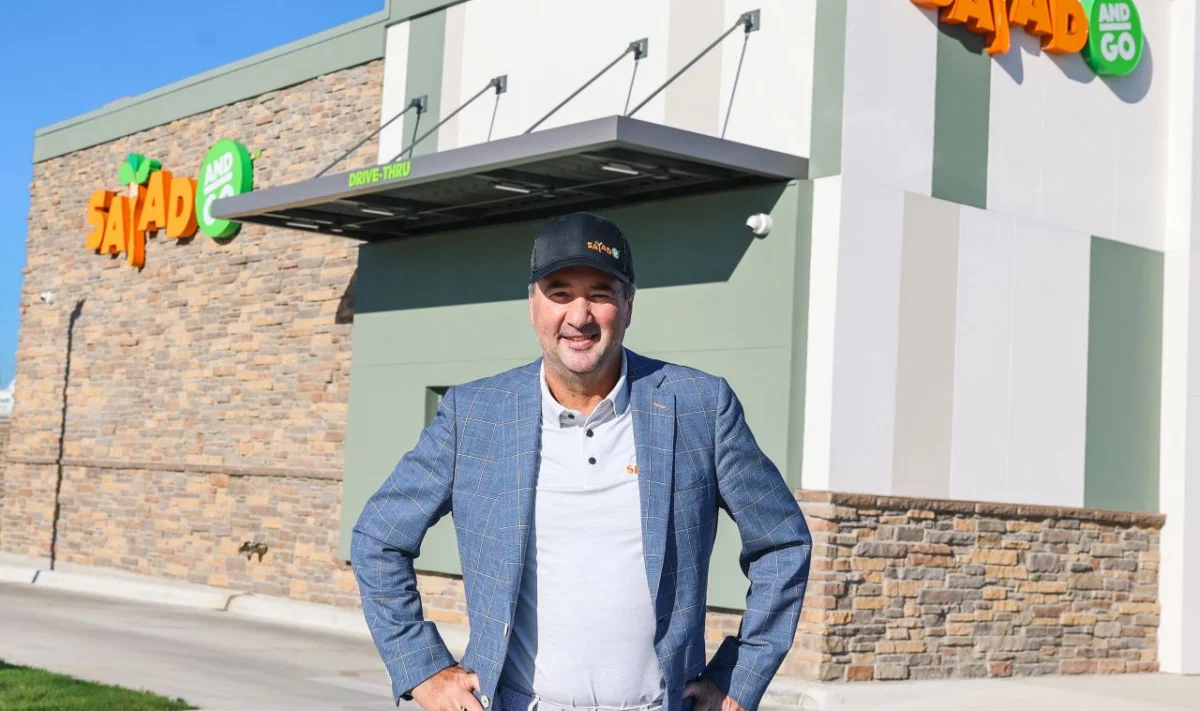
Mike Tattersfield, Chief Executive Officer of Salad and Go, assumed leadership of the fast-growing drive-thru salad chain in early 2025, inheriting a company experiencing rapid expansion but facing internal operational challenges. His tenure has been marked by decisive, albeit difficult, strategic adjustments, including the closure of over 70 restaurants across Texas and Oklahoma within his first year. These moves signal a pivot from aggressive growth-for-growth’s-sake to a more disciplined, quality-focused approach, aiming to solidify the brand’s core strengths and prepare for sustainable future expansion.
Strategic Retrenchment and Re-evaluation
The initial wave of closures, impacting more than 40 locations in Texas and Oklahoma, occurred mere months into Tattersfield’s leadership. This was followed by a further reduction of 32 locations, leading to the brand’s complete exit from both states. This significant retrenchment has narrowed Salad and Go’s operational footprint to Arizona and Nevada, its foundational markets. Tattersfield acknowledged the gravity of these decisions, stating in a recent interview, "I knew when I was able to get a look at the business model that it would shock me – good or bad. As I took on the role, I realized the company was growing just for growth’s sake."
This candid admission points to a critical assessment of the company’s prior growth strategy. The rapid scaling, while increasing unit count, may have outpaced the development of robust operational infrastructure and consistent brand experience across all markets. The decision to exit Texas and Oklahoma, while painful, appears to be a calculated move to realign resources, refine operational processes, and ensure the long-term viability of the brand.
The Genesis of Salad and Go and its Unique Model
Founded in 2013 in Gilbert, Arizona, by Tony and Roushan Christofellis, with the culinary expertise of Chef Daniel Patino, Salad and Go established itself with a distinctive business model. The company pioneered a centralized kitchen system designed to produce made-to-order salads at an accessible price point, typically under $8. This model, coupled with small-footprint, drive-thru-only locations (as small as 750 square feet), allowed for efficient operations and affordability.
By the close of 2024, Salad and Go boasted 146 locations, representing a 7.4% increase year-over-year, with average unit volumes reported at $1.74 million according to Technomic data. This growth trajectory is remarkable, considering the chain operated only 44 locations at the end of 2021. However, this rapid expansion, as Tattersfield indicated, may have been executed without sufficient consideration for its long-term sustainability and the inherent complexities of its operational model.
A Disciplined Approach to Growth
Tattersfield emphasized the necessity of a disciplined growth strategy, stating, "That was the first bell for me. You have to be disciplined in how you grow interesting brands like this one. If you skip parts and focus on tripling in size in four years and add in the complexity of the central kitchen model, it comes with a lot of challenges." This suggests that the company’s previous rapid expansion may have overlooked critical foundational elements, leading to the necessity of the current corrective actions.
The closures, Tattersfield asserted, were undertaken "for the right reasons." He elaborated, "It’s an incredible brand and we need to make sure the team is right-sized and the pipeline of innovation is there before we can bring it back to its strength." This forward-looking perspective indicates a commitment to rebuilding the brand’s foundation and preparing for a more strategic and robust phase of growth.

Fueling Innovation: Menu Enhancements and Quality Proteins
A key component of Salad and Go’s revitalized strategy lies in its menu innovation, focusing on expanding offerings and elevating ingredient quality. New additions include wraps, "snackable" quesadillas, and a range of beverages such as Citrus Zen, Toasted Marshmallow Cold Brew, and a Reviver Juice lineup. A notable new item is the "Big Az Burritos," named in honor of the brand’s home state, featuring a generous portion of eggs, shredded beef, and pepper Jack cheese.
A critical area of focus for the brand is the incorporation of high-quality proteins, particularly sous vide-cooked chicken, a move driven by increasing consumer demand for such offerings. "If you don’t have high-quality proteins, you won’t have a high-quality salad, and we made the decision to get back to high-quality proteins," Tattersfield explained. "If you’re disciplined about how we’re doing something on the menu, the consumer is going to notice, and our new innovations have been very well received. Proteins will allow us to upgrade and push." This strategic emphasis on protein quality is crucial for enhancing the perceived value and overall appeal of the salads, aligning with consumer expectations for healthier, more satisfying meals.
The company is also prioritizing menu adjacencies that complement salads and ensure operational efficiency. Items like the Asian Fusion Wrap exemplify this approach, offering a familiar yet distinct flavor profile while maintaining operational simplicity. These strategic menu adjustments have reportedly led to a significant turnaround, returning Salad and Go to positive same-store sales growth for the first time in over three years. Tattersfield highlighted the significance of this metric, stating, "That (metric) has not been a premise because it was growth for growth’s sake. You can’t expand the concept if it’s not fully vetted."
Cultivating a Strong Company Culture
Beyond menu and operational refinements, Tattersfield has dedicated significant effort over the past ten months to "making sure to get the culture right." This involves fostering a positive and purpose-driven environment for the company’s operators and employees, whom they refer to as "Greenies." The focus is on ensuring that employees are passionate about their work, committed to guest satisfaction, and understand the brand’s mission.
"Do they love what they do every day? Do they love the guest mania part of the job? Do they love to serve? We want them to learn and master the craft and to understand what we are trying to do – build a nutritious, delicious, and accessible brand," Tattersfield articulated. He further emphasized the importance of purpose and direction, stating, "For us, it’s about becoming America’s most loved salad brand. We don’t want to be liked. Liked gets lost in the middle. We want to be the most loved. That’s what gets you growth." This aspirational goal underscores a commitment to building brand loyalty and a deeply engaged customer base.
The Path Forward: Sustainable Growth and Future Expansion
While Tattersfield has not provided a specific timeframe or unit count for future expansion, he expressed confidence in Salad and Go’s eventual return to growth. His message to Texas, where the brand has significantly scaled back, is one of eventual return, albeit with a renewed emphasis on deliberate and strategic development. "I told Texas we’ll be back, but we’ve got to get back with strength and be deliberate about how we grow and where," he stated.
Tattersfield’s vision for Salad and Go is one of sustainable, quality-driven expansion. He believes the brand’s core concept remains strong and attractive to consumers. "This brand is a good idea and capital follows good ideas. Everybody is going to want one of these, but we have to be disciplined to get there." This outlook suggests that capital investment will follow a clearly defined and well-executed strategy, ensuring that future growth is built on a solid foundation. The company’s current focus on operational excellence, menu innovation, and a strong company culture positions it for a more resilient and impactful resurgence in the competitive fast-casual market.