

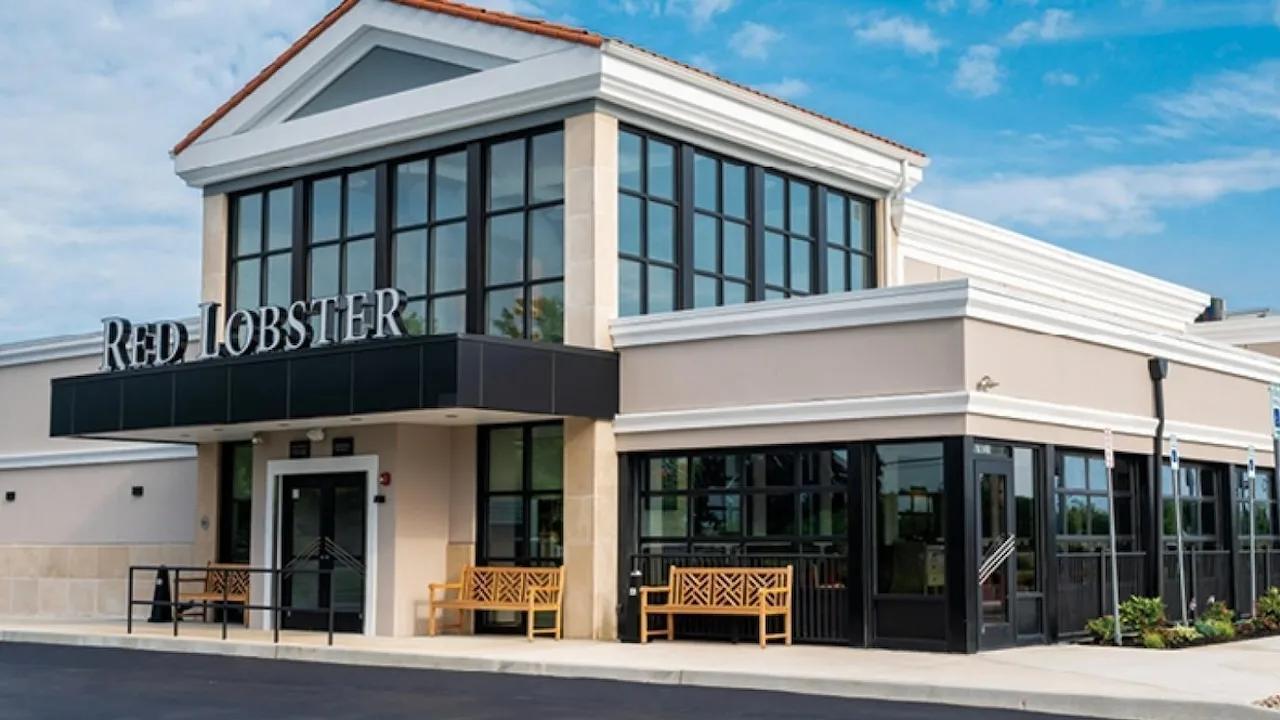
Red Lobster, a prominent name in casual dining known for its seafood offerings, has significantly bolstered its executive leadership team with the appointment of two seasoned professionals. Brad Hill, formerly the Chief Executive Officer of P.F. Chang’s, will assume the role of Chief Financial Officer and Executive Vice President. Concurrently, Kristen Briede, who previously held a similar position at Steak ‘n Shake, has been appointed as the Chief Global Development Officer. These appointments signal a strategic pivot for Red Lobster, moving beyond a period of stabilization towards a robust growth trajectory driven by operational excellence and strategic expansion.
The announcement comes at a critical juncture for Red Lobster, which has navigated a challenging economic landscape in recent years. The company’s strategic realignment aims to optimize the guest experience, enhance operational efficiency, and accelerate real estate development, laying a stronger foundation for sustainable long-term growth. CEO Damola Adamolekun articulated this vision, emphasizing the dual expertise that Hill and Briede bring to the table.
"Red Lobster has made significant progress coming out of a challenging period, and we’re now shifting from stabilization to a disciplined, execution-led growth phase focused on optimizing the guest experience, driving operational excellence, accelerating real estate optimization and building a stronger platform for durable growth," stated CEO Damola Adamolekun in a prepared statement. "Brad and Kristen are proven, high-impact leaders. Brad brings the operational finance leadership and transformation mindset to drive outcomes, and Kristen brings deep experience building best-in-class franchise, partnership and retail brand development engines."
Strategic Leadership Shake-Up: A New Era for Red Lobster
The integration of Brad Hill and Kristen Briede into Red Lobster’s executive ranks represents a deliberate move to infuse the company with specialized expertise crucial for its next phase of development. Their collective experience, particularly within the competitive casual dining sector, is expected to drive tangible results and foster innovation.
Brad Hill: Financial Acumen and Transformational Leadership
Brad Hill’s appointment as CFO and Executive Vice President brings a wealth of financial and operational leadership experience to Red Lobster. His tenure at P.F. Chang’s, a globally recognized Asian-inspired casual dining chain, spanned nearly a decade. During this period, he ascended through various leadership roles, including Chief Financial Officer, Chief Operating Officer, and ultimately, Chief Executive Officer. His leadership at P.F. Chang’s, particularly in his most recent role as CEO for approximately a year, provided him with a comprehensive understanding of the complexities and opportunities within the casual dining industry.
In his new capacity at Red Lobster, Hill will be instrumental in steering the company’s financial organization. His responsibilities will encompass overseeing critical functions such as financial planning, forecasting, and stakeholder reporting. Furthermore, he will lead the company’s strategic real estate initiatives, a vital component of Red Lobster’s growth strategy, which includes negotiating and executing significant deals. This focus on real estate optimization is particularly relevant in the current market, where strategic location and efficient store footprint are paramount for profitability and accessibility.
Hill succeeds Bob Baker, who recently departed Red Lobster to pursue other professional endeavors. Baker’s departure marks the end of an era, and Hill’s arrival signifies a renewed focus on financial discipline and strategic investment. The restaurant industry, marked by fluctuating consumer spending and evolving operational costs, demands robust financial stewardship. Hill’s proven track record suggests he is well-equipped to navigate these challenges and capitalize on emerging opportunities.
Kristen Briede: Driving Global Development and Brand Expansion
Kristen Briede’s expertise in global development and brand expansion is set to propel Red Lobster’s growth agenda. Her previous role as Chief Global Development Officer at Steak ‘n Shake, a well-established American diner-style restaurant chain, provided her with extensive experience in franchise management, strategic partnerships, and the development of diverse retail formats.
At Red Lobster, Briede will spearhead the company’s "asset-light" growth strategy. This approach typically involves expanding the brand’s presence through franchising, licensing agreements, and non-traditional formats, minimizing the direct capital investment required from the parent company. Her purview will extend to both domestic and international franchising efforts, aiming to broaden Red Lobster’s global footprint. Additionally, she will explore opportunities in non-traditional formats, such as food trucks, kiosks, or express locations, and cultivate strategic partnerships that extend beyond the traditional dine-in experience.
Briede also possesses a strong background with P.F. Chang’s, having most recently served as President of Global Brands. This shared experience with Brad Hill could foster a synergistic working relationship, aligning their strategic visions and execution plans. Her deep understanding of brand building and international market penetration is anticipated to be a significant asset as Red Lobster seeks to expand its reach and diversify its revenue streams.
Context and Implications: Navigating the Casual Dining Landscape
The appointments at Red Lobster are not occurring in a vacuum. The casual dining sector has faced considerable headwinds in recent years, including rising labor costs, supply chain disruptions, and shifting consumer preferences towards delivery and off-premise dining. Many established chains have grappled with declining foot traffic and the need to adapt their business models to remain competitive.
Timeline of Red Lobster’s Recent Challenges and Strategic Shifts:
- Pre-2023: Red Lobster, like many casual dining brands, experienced periods of fluctuating performance, impacted by economic conditions and evolving consumer habits.
- Early 2023: Reports emerged of financial challenges and strategic reviews within the company.
- Mid-2023 to Early 2024: The company focused on stabilization efforts, aiming to improve operational efficiency and financial health. This period likely involved internal restructuring and a critical assessment of existing strategies.
- Present: The appointment of Brad Hill and Kristen Briede marks a clear signal of a proactive growth strategy, moving beyond immediate stabilization to long-term expansion and optimization.
The restaurant industry has witnessed significant consolidation and innovation. Brands that have successfully adapted have done so by embracing technology, diversifying their offerings, and focusing on value and convenience. Red Lobster’s strategic shift towards an "asset-light" model, coupled with a renewed focus on financial leadership and brand development, aligns with broader industry trends.
Supporting Data and Industry Trends:
- Franchising Growth: The franchising model has been a successful avenue for many restaurant brands looking to expand rapidly with reduced capital outlay. According to recent industry reports, the franchise sector continues to demonstrate resilience and growth, particularly in the food and beverage segment.
- Real Estate Optimization: Companies are increasingly scrutinizing their real estate portfolios, seeking locations that offer maximum visibility and accessibility while minimizing operational costs. This includes exploring smaller footprint concepts and optimizing store layouts for efficiency.
- Guest Experience Focus: In a competitive market, the quality of the guest experience remains a critical differentiator. Red Lobster’s emphasis on optimizing this aspect suggests a commitment to customer retention and satisfaction, which are vital for sustained success.
- Financial Performance: The casual dining segment’s financial performance is often tied to consumer discretionary spending. A strong CFO is essential to navigate economic fluctuations, manage costs effectively, and identify profitable growth avenues.
Broader Impact and Analysis
The strategic appointments at Red Lobster are likely to have several key implications:
- Accelerated Expansion: Briede’s expertise in global development and franchising is expected to expedite Red Lobster’s expansion into new domestic and international markets. This could lead to increased brand visibility and a larger customer base.
- Financial Stability and Profitability: Hill’s leadership in finance is crucial for ensuring the company’s financial health, optimizing cost structures, and driving profitability. His focus on strategic real estate deals could also unlock new revenue streams and improve the efficiency of the existing store portfolio.
- Brand Revitalization: The infusion of new executive talent, particularly those with a proven track record in successful restaurant brands like P.F. Chang’s and Steak ‘n Shake, could signal a period of brand revitalization for Red Lobster. This might involve menu innovation, marketing initiatives, and an enhanced dining experience.
- Competitive Positioning: By strengthening its executive team, Red Lobster is positioning itself to better compete with other major casual dining chains and emerging food concepts. The focus on disciplined, execution-led growth suggests a strategic and methodical approach to market challenges.
The success of these appointments will hinge on the effective implementation of their respective strategies and their ability to collaborate within the broader Red Lobster organization. The company’s commitment to moving beyond stabilization and embracing a growth-oriented future, bolstered by experienced leadership, signals a potentially transformative period for the iconic seafood restaurant chain. As Red Lobster embarks on this new chapter, stakeholders will be keenly observing its progress in optimizing operations, expanding its reach, and reinforcing its position in the dynamic casual dining landscape.