

Peter Perdue, a seasoned executive credited with significant improvements during his tenure as chief operating officer of Burger King, is now tasked with revitalizing the performance of its sister chain, Popeyes. Restaurant Brands International (RBI), the parent company, is placing its confidence in Perdue to translate his past successes to the iconic Louisiana-style fried chicken brand, which has experienced several quarters of declining sales. Perdue, however, expressed an optimistic outlook, suggesting that the necessary operational adjustments will be relatively minor.
Strategic Pivot: A "Light Touch" Approach to Revitalization
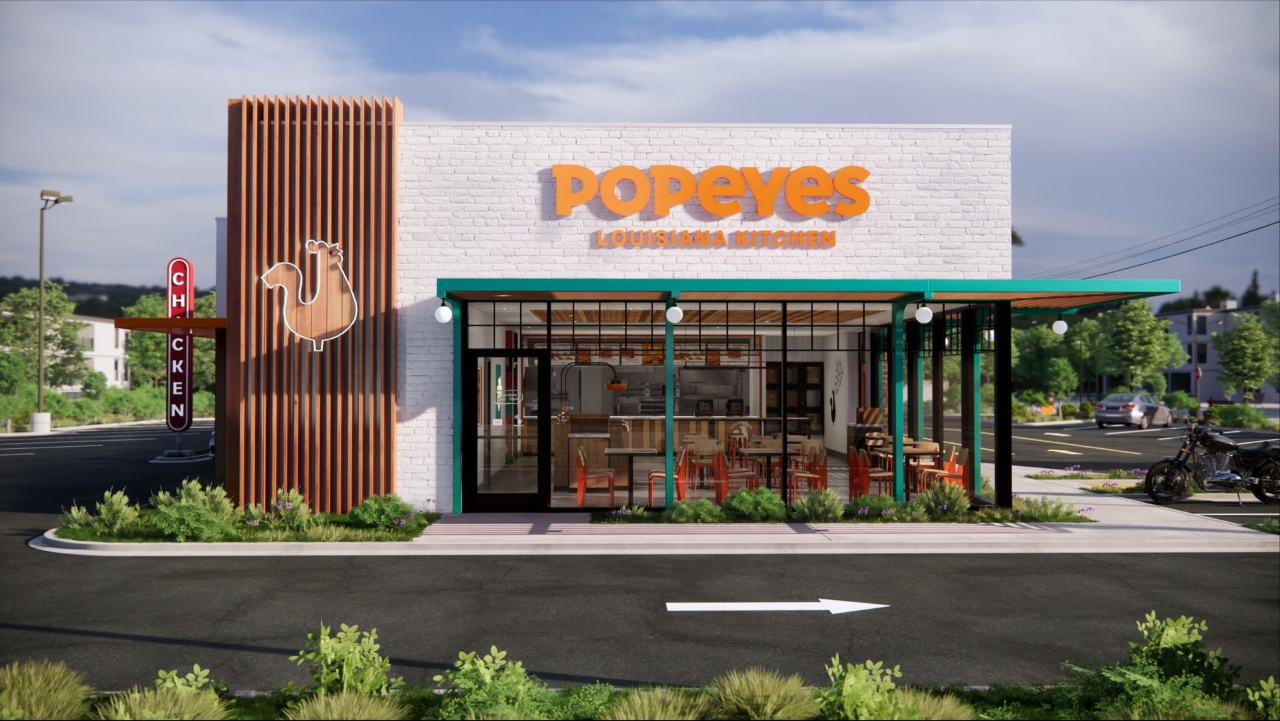
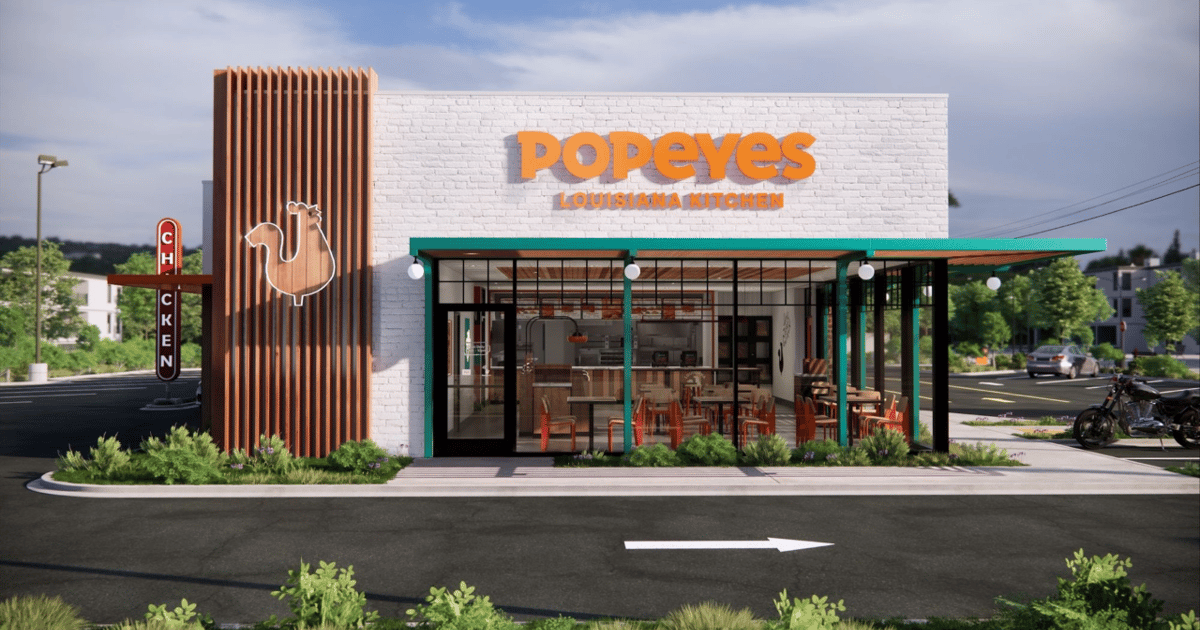
Perdue articulated his strategy during RBI’s recent Investor Day, stating, "Any work we really need to do is fairly light in touch and scope." This assertion is underpinned by the fact that a substantial majority of Popeyes locations are relatively new, having been built within the last decade. This modern infrastructure significantly reduces the immediate need for costly renovations or major upgrades, allowing the leadership to concentrate on operational efficiencies and strategic menu refinements rather than large-scale capital expenditures.
The chicken chain has witnessed remarkable growth since 2014. According to data from Technomic, Popeyes expanded its footprint from 1,881 locations to 3,148 by the end of 2024. This expansion was significantly fueled by the monumental success of its chicken sandwich, launched in 2019, which spurred a nearly 30% increase in unit count in the years following its introduction. This rapid growth trajectory makes the recent sales downturn particularly noteworthy, prompting a strategic recalibration to recapture market momentum.
Diagnosing the Downturn: An Overextension of Limited-Time Offers
Perdue candidly addressed the root causes of the recent performance dip, identifying a strategic misstep in focusing too heavily on attracting new customers at the expense of the brand’s loyal core. "What happened over the last year is we focused on attracting new guests, and that came at the expense of the core," Perdue explained. "We tried to bring in new guests, which we did, but they didn’t come back. And we had a lot of limited-time offers (LTOs) that, frankly, just didn’t resonate with our core guests."
The ambitious LTO calendar featured a diverse array of promotions, including a "Freddy Fazbear Crunch Menu," a "Hot Ones menu," wraps, a pickle-themed menu, "Chicken Dippers," and a limited-edition menu in partnership with Tequila Don Julio for the Super Bowl. While intended to generate excitement and attract diverse demographics, this rapid-fire product introduction strategy introduced significant operational complexity. Perdue noted that this increased complexity negatively impacted service scores, a critical metric for customer satisfaction and repeat business.
Three Pillars of Recovery: Service, Core Menu, and Value
Perdue has outlined three primary priorities to steer Popeyes back toward its established success: enhancing service, refocusing on the core menu, and reinforcing value.
1. Elevating the Standard of Service
The immediate focus is on elevating the in-restaurant experience through improved service. Perdue emphasized that when Popeyes concentrates on its foundational offerings – bone-in chicken, chicken tenders, and the signature chicken sandwich – and executes them flawlessly, "they are the best products in the industry." To ensure this high level of execution, Popeyes is implementing a significant expansion of its field team, increasing staff by approximately 75%. These newly recruited and trained employees will undergo intensive training at company-owned restaurants in New Orleans.
"We’re excited to get them out in the field and into the markets where our franchisees need the extra hands on deck to improve service," Perdue stated. "We’re working on restaurant training – hand-to-hand, shoulder-to-shoulder work with our franchisees." This hands-on approach aims to foster a collaborative environment, empowering franchisees and their teams to deliver consistent, high-quality service.
In a move reminiscent of Burger King’s successful "Royal Roundtables," Popeyes is also reintroducing "Experience Rallies," a practice not seen in decades. These rallies are designed to integrate restaurant managers directly into the strategic planning process, fostering a more symbiotic and collaborative relationship between corporate leadership and those on the front lines of customer interaction. "I believe working closely with them is going to be the unlock that’s going to get us back to the level of success this brand can deliver on," Perdue asserted.
2. Reconnecting with the Culinary Heritage: The Core Menu
The second pillar of Perdue’s strategy involves a renewed emphasis on the brand’s core menu and its deep roots in Louisiana culinary heritage. This focus is intended to simplify operations and allow teams to excel at executing signature dishes. "I think we can celebrate and highlight that a little more, and I think doing that is going to help our restaurant teams focus on fewer, better things done daily," Perdue explained. "The focus has to be on service around our core, which we have a history of delivering really well. We took our eye off the ball. We’re going to get back to it."
This strategic narrowing of focus aims to recapture the essence of what made Popeyes a beloved brand, ensuring that each guest receives the authentic Louisiana flavor and quality they expect. By prioritizing core menu items, the brand seeks to rebuild trust and reaffirm its culinary identity.
3. Reinforcing Value for the Discerning Consumer
The third critical priority is to sharpen the focus on value, a factor of paramount importance in today’s economic climate where consumers are increasingly price-sensitive and discerning. Perdue acknowledged that the recent barrage of LTOs inadvertently came at the expense of highlighting "everyday value." "A lot of the LTOs attracted new guests that didn’t come back. It was at the expense of our core guests. We haven’t given [core guests] the service or everyday value that they deserve," he admitted.
In response, Popeyes has taken steps to reinforce its value proposition. The chain recently extended its popular $5 Faves Menu and introduced a $20 Family Meal, which includes nine pieces of chicken or chicken tenders, one large side, and four biscuits. Perdue indicated that these value-driven initiatives have already begun to generate sequential improvements in sales performance, signaling a positive shift in consumer perception and purchasing behavior.
A Foundation for Growth: Modern Assets and Robust Financials
Perdue’s confidence in Popeyes’ turnaround potential is further bolstered by the brand’s strong underlying assets and financial health. The chain’s relatively modern restaurant base, coupled with the identified core products, value, and service plans, means that achieving these improvements will not necessitate significant capital expenditure from RBI. This "light touch" approach to operational enhancement is a key differentiator, allowing for agility and rapid implementation of strategic changes.
Furthermore, Popeyes is in a "fairly healthy" position from a leverage perspective. The company also benefits from a robust advertising fund, which was increased last year from 4.5% to 5% of national ad rates. This enhanced advertising budget allows Popeyes to maintain a consistent and impactful marketing presence throughout the year.
"We are now at a stage where we can afford a very healthy message 52 weeks out of the year. We are now a mass brand, and we have an ad fund to compete that way," Perdue stated. "I think we can accomplish our goals without significant corporate investments from RBI. And to the extent that there’s any capital investment, it’s already contemplated in some of the guidance." This financial stability and strategic marketing investment provide a solid platform for executing the revitalization plan and ensuring sustained growth.
Broader Implications for the Quick-Service Industry
The strategic shift at Popeyes offers valuable insights for the broader quick-service restaurant (QSR) sector. In an increasingly competitive landscape, brands are constantly seeking ways to differentiate themselves and maintain customer loyalty. Popeyes’ experience highlights the potential pitfalls of over-reliance on fleeting trends and the importance of maintaining a strong connection with the core customer base.
The emphasis on operational excellence, particularly in service, underscores the enduring value of fundamental restaurant principles. While innovative menu items can generate short-term buzz, consistent quality and efficient service are critical for long-term success. Furthermore, the strategic re-evaluation of value propositions demonstrates a keen understanding of evolving consumer priorities, especially in the face of economic pressures.
The successful implementation of Perdue’s three-pronged strategy at Popeyes could serve as a blueprint for other QSR brands facing similar challenges. By prioritizing service, honing the core menu, and offering compelling value, Popeyes aims to reclaim its position as a leader in the fried chicken market, demonstrating that even established brands can undergo successful transformations through focused operational adjustments and a commitment to their foundational strengths.
The company’s ability to achieve these goals without substantial corporate investment from RBI speaks to a disciplined and efficient approach to business strategy. This model of leveraging existing strengths and optimizing internal operations for growth is a compelling narrative in the current economic climate, suggesting that significant turnarounds can be achieved through strategic focus rather than solely through large-scale financial injections.
As Popeyes embarks on this new chapter under Perdue’s leadership, the industry will be closely watching to see if this "light touch" approach can indeed lead to a significant and sustained revitalization, reinforcing the brand’s legacy and its position in the competitive quick-service landscape. The coming months will be crucial in observing the impact of these strategic shifts on sales figures, customer satisfaction, and overall market performance.
Alicia Kelso, Executive Editor, Nation’s Restaurant News
March 2, 2026