

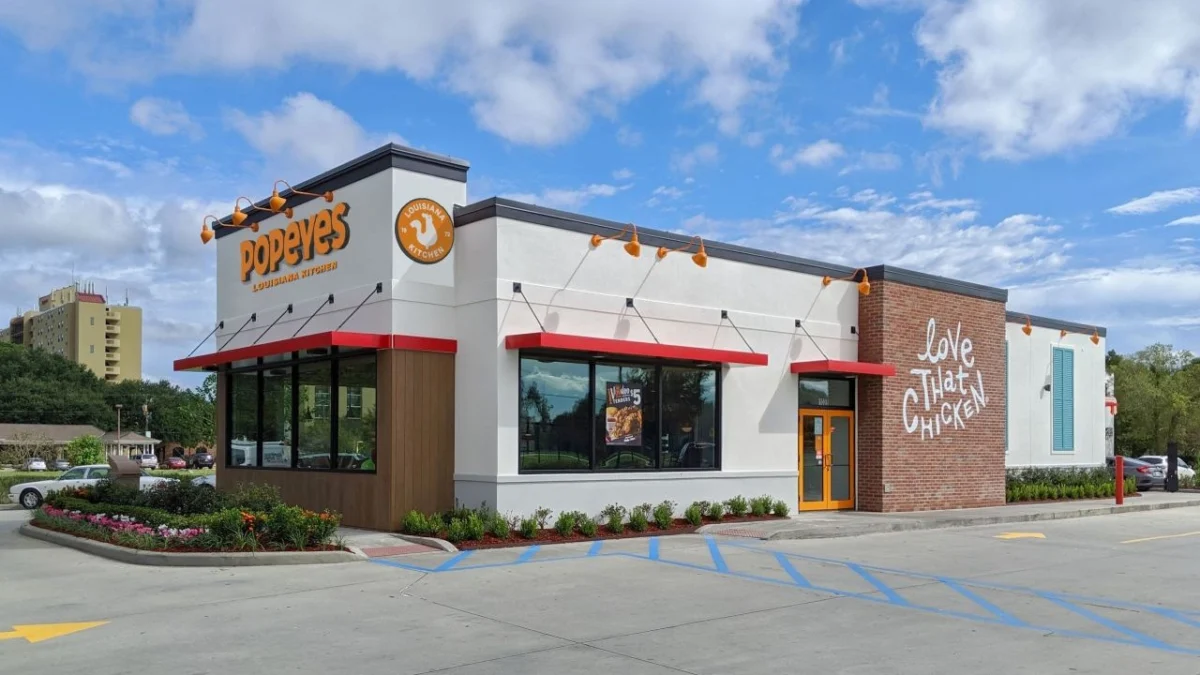
The financial strain on major Popeyes franchisees has come to the forefront with the recent Chapter 11 bankruptcy filing of Sailormen, Inc., one of the fast-food chicken chain’s largest operators. This development has already resulted in the closure of at least twenty Popeyes restaurants across Florida and Georgia, signaling significant operational challenges for a substantial portion of the brand’s franchisee network. Sailormen, Inc., which previously managed a portfolio of 136 Popeyes locations, cited approximately $130 million in debt and a confluence of economic headwinds as primary drivers for its decision to seek court protection.
The Genesis of Sailormen’s Financial Woes
The bankruptcy petition, filed in January, paints a stark picture of the difficulties faced by Sailormen, Inc. The company’s filing highlighted "significant challenges," a broad term that encompasses a complex interplay of factors impacting the quick-service restaurant (QSR) industry. Among the most prominent issues cited were escalating operational costs, which have been a persistent concern for businesses nationwide. This includes the rising price of ingredients, energy, and other essential supplies necessary to keep restaurants running.
Furthermore, Sailormen, Inc. pointed to increased borrowing expenses. In an environment of fluctuating interest rates, the cost of financing operations, expansion, and even day-to-day cash flow management can become a substantial burden. For a large franchisee operating a significant number of locations, these rising debt servicing costs can quickly erode profitability.
Perhaps one of the most impactful factors mentioned is the shift in consumer behavior since the COVID-19 pandemic. While the pandemic initially spurred a surge in delivery and off-premise dining, leading to increased sales for many QSRs, the long-term landscape has evolved. Consumers’ dining habits, expectations for convenience, and price sensitivity have all been reshaped. This includes a greater demand for value, a heightened awareness of menu pricing, and a more discerning approach to where they spend their dining dollars. For franchisees like Sailormen, adapting to these dynamic consumer preferences while managing increasing operational expenses has proven to be an uphill battle.
A Chronology of Closures and Restructuring
The impact of Sailormen, Inc.’s financial distress has been felt directly on the ground with the closure of its Popeyes restaurants. Initially, seventeen of the franchisee’s locations in Florida and Georgia ceased operations. This represented a significant reduction in the brand’s footprint in these key markets.
The situation continued to evolve in March 2026. On March 10th, Sailormen, Inc. formally filed a motion with the bankruptcy court seeking to reject the leases for three additional Popeyes restaurants located in Georgia. This legal maneuver is a common step in Chapter 11 proceedings, allowing a company to shed burdensome leases and exit unprofitable locations as part of its restructuring efforts. The approval of this motion would bring the total number of closures directly attributable to Sailormen’s bankruptcy to at least twenty, further consolidating the franchisee’s operational footprint.
These closures are not isolated incidents but rather a strategic component of Sailormen, Inc.’s broader effort to reorganize and emerge from bankruptcy as a more viable entity. The company’s current portfolio has been reduced to 116 restaurants. This restructuring aims to streamline operations, reduce overhead, and focus on the most profitable locations, with the ultimate goal of achieving financial stability.
Popeyes’ Broader Performance Context
The financial challenges faced by Sailormen, Inc. and the subsequent closures occur against a backdrop of a generally soft year for the Popeyes brand itself. While Popeyes is known for its popular menu items, particularly its chicken sandwich, the chain has experienced a period of difficulty in terms of same-store sales growth. For four consecutive quarters leading up to the most recent reporting period, Popeyes had registered negative same-store sales.
.jpg?width=1280&&quality=80&format=jpg&disable=upscale)
This trend continued for the full fiscal year 2025, with Popeyes reporting a 2.9% decline in same-store sales. The fourth quarter of 2025 proved particularly challenging, with a steeper decline of 4.9%. Same-store sales are a critical metric for the restaurant industry, as they measure the performance of existing, established stores, excluding the impact of new openings or closures. A sustained period of negative same-store sales can indicate a need for strategic adjustments in marketing, operations, menu innovation, or pricing to re-engage consumers and drive traffic.
The struggles of a major franchisee like Sailormen, Inc. can exacerbate these broader challenges. When a significant operator faces bankruptcy, it not only impacts the immediate locations but can also create uncertainty and ripple effects throughout the brand’s supply chain, marketing efforts, and overall perception among consumers and investors.
Historical Significance of Sailormen, Inc.
Sailormen, Inc. has been a long-standing partner of the Popeyes brand, with its history as a franchisee dating back to the late 1980s. This extensive tenure signifies a deep investment and a significant role in the development and expansion of Popeyes in its operating regions. The current financial distress and subsequent closures therefore represent a notable departure from a decades-long relationship.
The company’s longevity in the QSR space underscores the increasing complexity of managing large-scale franchise operations in the current economic climate. The challenges faced by Sailormen, Inc. are not unique to this single franchisee but likely reflect broader industry pressures that are impacting numerous operators across various brands.
Industry-Wide Pressures and Consumer Behavior Shifts
The bankruptcy of Sailormen, Inc. serves as a potent illustration of the multifaceted pressures confronting the QSR sector. Beyond the specific financial metrics of the company, several overarching trends are shaping the industry landscape:
- Inflationary Pressures: The persistent rise in the cost of goods, from raw ingredients like chicken and cooking oil to packaging and utilities, directly impacts profit margins. Franchisees must either absorb these costs, leading to reduced profitability, or pass them on to consumers through price increases, which can alienate price-sensitive customers.
- Labor Costs and Availability: The QSR industry often relies on a workforce that is sensitive to wage increases. While higher wages can be beneficial for employees, they represent a significant operational expense for franchisees. Furthermore, labor shortages and the need to offer competitive benefits and wages to attract and retain staff add to the cost burden.
- Evolving Consumer Expectations: The pandemic accelerated the demand for digital ordering, delivery, and off-premise dining options. While these channels can drive sales, they also introduce complexities in operations, delivery logistics, and the potential for increased commission fees from third-party delivery platforms. Consumers are also increasingly seeking value, healthy options, and unique dining experiences, forcing brands and franchisees to constantly innovate.
- Debt Burden and Interest Rates: For many large franchisees, growth and operations are financed through debt. As interest rates rise, the cost of servicing this debt increases, placing additional strain on financial performance. Companies with significant leverage are particularly vulnerable in such an environment.
- Competition: The QSR market remains highly competitive, with established brands vying for market share against emerging concepts and ghost kitchens. This intense competition often leads to promotional activity and price wars, further squeezing margins.
Implications for Popeyes and the Wider Franchise System
The bankruptcy of a major franchisee like Sailormen, Inc. has several potential implications for Popeyes and its broader franchise network:
- Brand Image and Consumer Confidence: While Popeyes is a well-established brand, the visible closure of numerous locations can create a perception of instability, potentially impacting consumer confidence. The brand will likely need to communicate its strategy for addressing these closures and assuring the public of its long-term health.
- Operational Continuity and Supply Chain: The closure of 17 to 20 restaurants can disrupt local supply chains and distribution networks. Popeyes corporate will need to work with remaining franchisees to ensure seamless operations and manage any logistical adjustments.
- Refranchising Opportunities: In some cases, Popeyes corporate may seek to refranchise the closed locations to new, financially sound franchisees. This could lead to a shift in ownership and potentially a revitalization of those sites under new management. However, the success of this depends on finding suitable buyers and the overall health of the franchise market.
- Review of Franchisee Support and Performance Metrics: This situation may prompt Popeyes to conduct a thorough review of its franchisee support systems, performance monitoring, and financial health assessment processes. Identifying potential distress early and offering proactive support or intervention could be crucial in preventing future bankruptcies.
- Market Consolidation: The financial pressures experienced by large franchisees like Sailormen, Inc. could lead to a consolidation trend within the QSR franchise landscape. Stronger, more financially robust franchisees may acquire struggling locations, leading to a more concentrated ownership structure in some markets.
Nation’s Restaurant News has reached out to Popeyes for comment regarding its plans for the affected restaurants and whether additional closures are anticipated. As the situation unfolds, the strategic decisions made by both Sailormen, Inc. and Popeyes corporate will be closely watched for their impact on the brand’s future trajectory and the broader fast-food industry.
Contact: Alicia Kelso at [email protected]
Follow her on TikTok: @aliciakelso