

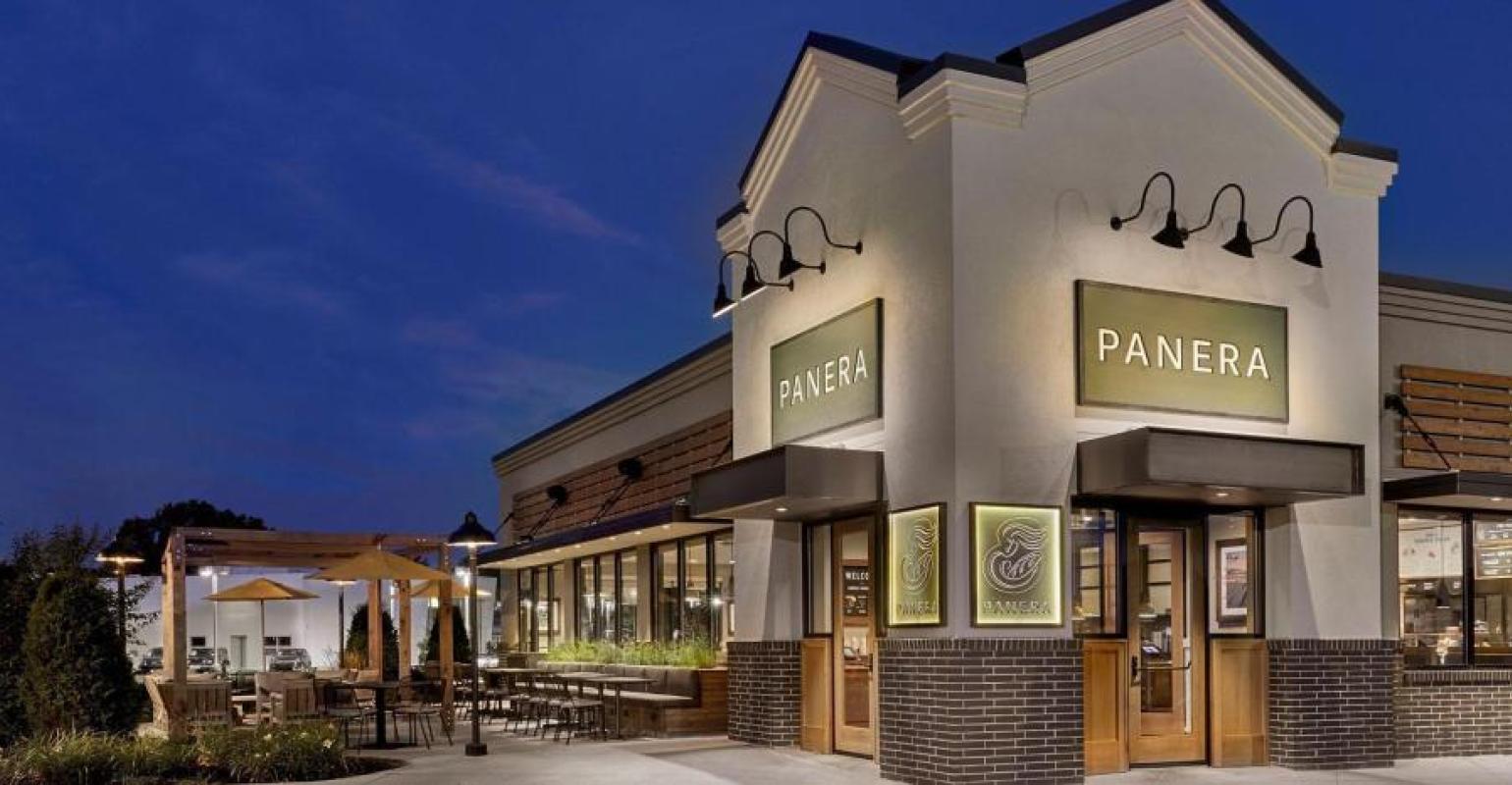
Panera Bread is strategically weaving a more personal and attentive touch into its customer interactions with the introduction of a dedicated Guest Experience Champion role. This initiative, a cornerstone of the company’s broader "RISE" transformation strategy, aims to elevate the in-store dining experience by focusing on human connection and proactive service, even as the brand streamlines certain back-of-house operations. The introduction of this new role signifies a deliberate effort to imbue Panera’s bakery-cafes with enhanced hospitality, a move that aligns with a growing trend among fast-casual chains to differentiate through superior customer engagement.
The Guest Experience Champion is envisioned as a pivotal figure, present seven days a week, whose primary responsibility is to foster a welcoming and supportive environment for patrons. This role is designed to go beyond transactional service, focusing on "thoughtful gestures" that include actively refilling beverages, initiating check-ins with diners to gauge satisfaction, and orchestrating "moments of surprise and delight" through impromptu sampling opportunities. This proactive approach to customer service is intended to create memorable experiences that encourage repeat visits and build stronger brand loyalty.
Brooke Buchanan, chief corporate affairs officer at Panera Bread, elaborated on the strategic intent behind this new position. "The Guest Experience Champion role was created as part of the ‘Serve With Excellence’ pillar of our Panera RISE strategy to further elevate our bakery-cafes’ ability to serve and connect with our guests," Buchanan stated. She emphasized the core philosophy driving this change: "Panera Warmth – exceptional hospitality, rooted in genuine human connection, is central to who we are. The Guest Experience Champion is the ambassador of that experience, ensuring that every guest gets our best, every time they visit." This statement underscores Panera’s commitment to reinforcing its brand identity through enhanced human interaction, positioning the Guest Experience Champion as the embodiment of "Panera Warmth."
This strategic shift occurs against a backdrop of evolving operational models within the fast-casual sector. Panera’s move to a primarily par-baked model for its breads and pastries, which necessitates a reduction in certain traditional baking roles, is being counterbalanced by this investment in front-of-house talent. This operational adjustment allows for a reallocation of resources and a heightened focus on the customer-facing aspects of the business, where direct human interaction can significantly influence perceived value and overall satisfaction.
Industry-Wide Reinvention of In-Store Roles
Panera’s focus on augmenting in-store hospitality through specialized roles is not an isolated phenomenon. Several other prominent fast-casual brands are simultaneously re-evaluating and redefining their staffing structures to address operational efficiencies and enhance customer engagement. This collective introspection within the industry highlights a shared recognition of the critical role that well-trained and empowered employees play in a competitive market.
Starbucks, a global coffee giant, is in the midst of a significant rollout of its Assistant Store Manager role, affectionately termed the "coffeehouse coach." This position is designed to bolster leadership presence within stores, providing an additional layer of support for both staff and customers. Similarly, CAVA, the Mediterranean fast-casual chain, has been systematically implementing an Assistant General Manager (AGM) role across its system, with a target completion by mid-2026.
While both Starbucks and CAVA’s new leadership roles were initially conceived with a primary objective of addressing leadership gaps and improving overall store management, their impact on customer experience is proving to be a significant secondary benefit. CAVA, for instance, reports observable improvements in its locations that have already integrated AGMs. The company notes that approximately 60% of its stores currently feature AGMs, and these units are demonstrating enhanced performance, particularly due to the "additional leadership support during peak dinner and weekend shifts." This suggests that a stronger, more present leadership team directly translates into smoother operations and a better customer experience, even if that wasn’t the sole initial driver.
Starbucks’ coffeehouse coaches are similarly intended to serve as an elevated support structure. Their mandate includes ensuring smooth store operations, providing direct assistance to customers, and fostering the professional development of their "partners" (employees). This dual focus on operational efficiency and employee growth reflects a holistic approach to enhancing the in-store environment.
The Impact of Technology and the Rise of Hospitality Roles
The evolving landscape of restaurant operations is also being shaped by the increasing integration of technology, such as artificial intelligence (AI) and self-service kiosks. As these technologies automate certain tasks, particularly those traditionally handled by cashiers, restaurant operators are actively exploring how to redeploy their human workforce to more value-added, hospitality-centric functions.
Shake Shack, for example, has been a proponent of incorporating more self-ordering kiosks. In response to this technological integration, the company has strategically redirected employees to new responsibilities. A notable shift has been the implementation of table service, where staff members now bring orders directly to customers’ tables. This repurposing of labor not only enhances customer convenience but also elevates the dining experience by providing a more personal touch.
Yum Brands, a global restaurant conglomerate that includes brands like KFC, Pizza Hut, and Taco Bell, is also undertaking similar adjustments. The company is actively transitioning cashier roles into positions that are more deeply focused on hospitality. This strategic reorientation acknowledges that while technology can streamline order taking, human interaction remains paramount for creating positive customer experiences and fostering brand affinity.
Panera’s introduction of the Guest Experience Champion role fits neatly into this broader industry trend. By designating a specific individual to focus on proactive hospitality and guest engagement, Panera is leveraging its human capital to complement technological advancements and operational efficiencies. The goal is to ensure that as the brand refines its operational model, the core element of exceptional customer service remains not only intact but demonstrably enhanced, fulfilling guest needs at every touchpoint within the café.
Strategic Context and Future Implications
The Panera RISE strategy, of which the Guest Experience Champion role is a part, represents a comprehensive plan for revitalizing the brand and strengthening its competitive position. The "RISE" acronym is understood to encompass elements of "Restaurant Excellence," "Innovation," "Service," and "Experience." The introduction of this new role directly addresses the "Service" and "Experience" pillars, signaling a deep commitment to improving the holistic customer journey.
The timing of this initiative is also significant. The fast-casual sector has experienced rapid growth and increasing competition. In this environment, differentiation is key, and exceptional customer service has emerged as a powerful differentiator. Brands that can consistently deliver a superior in-store experience are more likely to attract and retain customers, especially in an era where digital ordering and delivery are also prevalent.
The success of the Guest Experience Champion role will likely be measured by a combination of key performance indicators (KPIs). These could include customer satisfaction scores, repeat visit rates, average check sizes (as enhanced service may encourage additional purchases), and employee engagement within the stores. Positive results in these areas could serve as a compelling case study for other restaurant brands considering similar investments in front-of-house specialization.
Furthermore, the strategy behind this role suggests a forward-thinking approach to labor management. By creating dedicated roles focused on hospitality, Panera may be mitigating the risks associated with a purely efficiency-driven operational model. This approach acknowledges that while automation and streamlined processes can improve throughput, genuine human connection remains an irreplaceable element of a successful and beloved dining establishment. The company’s investment in this role signals a belief that by empowering employees to focus on creating positive interactions, they can build stronger emotional connections with their customer base, fostering loyalty that transcends price or convenience alone. This emphasis on "Panera Warmth" is a strategic imperative designed to ensure the brand’s enduring appeal in a dynamic marketplace.