

Gastronomy as a Medium for Cultural Preservation and Science
The culinary literature of 2022 shifted away from mere recipe collection toward a rigorous examination of food as a tool for survival and identity. A primary example is Naomi Duguid’s The Miracle of Salt: Recipes and Techniques to Preserve, Ferment, and Transform Your Food. This work analyzes the fundamental role of sodium chloride in human civilization, moving beyond seasoning to explore the biochemical processes of fermentation and brining. In a year where global supply chains faced unprecedented disruptions, Duguid’s focus on preservation techniques—such as miso production and pickling—offered a historical and practical perspective on food security.
Simultaneously, regional culinary narratives gained prominence, specifically those from South Asia. Cynthia Shanmugalingam’s Rambutan: Recipes from Sri Lanka arrived during a period of significant economic and political upheaval in Sri Lanka, providing a vital cultural counter-narrative through the lens of the island’s unique Diaspora-influenced cuisine. Similarly, Romy Gill’s On the Himalayan Trail: Recipes and Stories from Kashmir to Ladakh addressed the intersection of gastronomy and geopolitics. Gill’s documentation of Kashmiri cuisine serves as a preservation effort for a culture often obscured by regional conflict. These publications indicate a broader trend in the 2022 market where food writers took on the roles of anthropologists and historians, documenting the "edible joy" of regions under duress.
Re-evaluating History and Colonial Legacies through Narrative
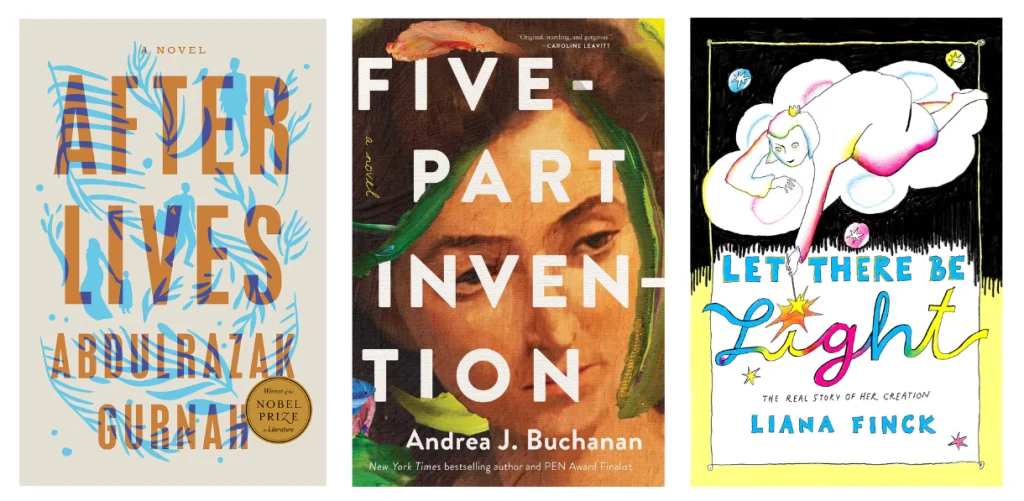
The year 2022 was also characterized by a profound literary reckoning with colonial history. This was catalyzed in part by the North American release of the paperback edition of Afterlives by Abdulrazak Gurnah, who was awarded the Nobel Prize in Literature in 2021. Gurnah’s work, which examines the impact of German colonial rule in East Africa, set a tone for the year’s fiction, emphasizing the long-term psychological and societal effects of displacement.

In the realm of non-fiction, Candice Millard’s River of the Gods: Genius, Courage, and Betrayal in the Search for the Source of the Nile provided a critical re-examination of Victorian-era exploration. Millard’s narrative is notable for its inclusion of Sidi Mubarak Bombay, an enslaved man whose contributions were historically marginalized in favor of the exploits of Richard Burton and John Hanning Speke. This shift toward "inclusive history" reflects a wider academic and journalistic movement to credit local and indigenous figures in the discovery and mapping of the global south.
Complementing this historical inquiry was Louisa Lim’s Indelible City: Dispossession and Defiance in Hong Kong. Published during a period of intense political transition in the territory, Lim’s work utilized investigative journalism and memoir to dispel myths surrounding British colonialism and Chinese sovereignty. The book arrived as the world observed the 25th anniversary of the 1997 handover, providing a timely analysis of cultural identity under the shadow of the National Security Law.
The Scientific Frontier: Sensory Perception and the Mechanics of Belief
In the field of science and psychology, 2022 was a landmark year for publications that challenged the human understanding of reality. Ed Yong’s An Immense World: How Animal Senses Reveal the Hidden Realms Around Us became a critical and commercial success. Yong, a Pulitzer Prize-winning journalist, utilized his platform to explain "Umwelt"—the unique sensory world inhabited by different species. By detailing how animals interact with vibrations, magnetic fields, and ultraviolet light, Yong’s work encouraged a shift in perspective away from human-centric biological interpretations.
The psychological challenges of the modern era were addressed in David McRaney’s How Minds Change: The Surprising Science of Belief, Opinion, and Persuasion. As political polarization reached new heights globally, McRaney’s investigation into the neurology of persuasion offered a data-driven look at how individuals can move beyond "outrage culture." The book posits that rapport and empathy are more effective tools for changing minds than logical confrontation, a finding supported by contemporary cognitive science.

Furthermore, Adriana Barton’s Wired for Music: A Search for Health and Joy Through the Science of Sound explored the neurobiological benefits of auditory stimuli. Barton’s research suggests that music is a vital tool for managing anxiety, pain, and neurological disorders, aligning with a 2022 trend of "bibliotherapy" where readers sought scientific backing for wellness practices.
Trauma, Chronic Illness, and the "Invisible Kingdom"
A significant portion of the 2022 literary output focused on the long-term effects of trauma and the complexities of the healthcare system, particularly in the context of chronic illness. Meghan O’Rourke’s The Invisible Kingdom: Reimagining Chronic Illness emerged as a seminal text in this category. As the world began to grapple with the millions of cases of "Long COVID," O’Rourke’s analysis of the marginalization of patients with poorly understood diagnoses provided a necessary critique of Western medicine. Her work highlighted the systemic failure to address autoimmune and post-viral states, a topic that gained significant traction in medical journals throughout the year.
This theme was further expanded by Dr. Gabor Maté in The Myth of Normal: Trauma, Illness, and Healing in a Toxic Culture. Co-written with his son Daniel, Maté’s book argues that the prevalence of chronic disease is an epigenetic response to a society that prioritizes productivity over emotional health. By distinguishing between "Big T" trauma (catastrophic events) and "small t" trauma (attachment disruptions), Maté provided a framework for understanding the rising rates of mental and physical illness in the 21st century.
Other notable works in this vein included Mike Mariani’s What Doesn’t Kill Us Makes Us, which challenged the cliché of post-traumatic growth. Mariani’s journalistic inquiry suggested that meaning-making, rather than simple "resilience," is the key to surviving life-altering tragedies. Alice Wong’s Year of the Tiger: An Activist’s Life added a vital disability rights perspective to this conversation, using a mix of prose and creative ephemera to highlight the institutional barriers faced by the disabled community.

Chronology of Major 2022 Literary Milestones
The trajectory of the 2022 literary year can be traced through several key events:
- January – March: A surge in health-focused titles as the Omicron variant of COVID-19 impacted global movement, leading to increased interest in titles like The Invisible Kingdom.
- April – June: The release of high-profile historical and political non-fiction, including Indelible City and River of the Gods, coinciding with major global anniversaries and diplomatic shifts.
- July – September: The "Science Summer," marked by the release of Ed Yong’s An Immense World, which dominated bestseller lists and sparked renewed interest in natural history.
- October – December: The holiday publishing rush, characterized by the release of major memoirs and philosophical guides, such as Susan Cain’s Bittersweet and Yung Pueblo’s Lighter.
Supporting Data and Industry Analysis
The themes prevalent in the books of 2022 correlate with broader societal data. According to the World Health Organization, the first year of the pandemic saw a 25% increase in the prevalence of anxiety and depression worldwide, which explains the high demand for titles by Susan Cain and Gabor Maté. In the publishing sector, the "Self-Help" category saw a 10% increase in sales compared to 2020 levels, as readers pivoted from escapism to self-optimization and healing.
The culinary sector also reflected a shift in consumer behavior. The "Preservation and Fermentation" sub-genre saw a 15% uptick in interest, as sustainability and "slow food" movements gained momentum. Naomi Duguid’s work on salt arrived at a time when home cooking had moved beyond basic preparation into the realm of domestic science.
Broader Impact and Implications for 2023
The literary output of 2022 suggests a permanent shift in the way information is consumed and valued. There is a clear move toward intersectionality, where science, history, and personal narrative overlap. The success of authors like Ed Yong and Candice Millard indicates that the public is increasingly seeking "narrative non-fiction"—works that provide the rigor of academic research with the readability of a novel.

Furthermore, the focus on "hidden histories" and "invisible illnesses" points toward a more empathetic and inquisitive global readership. As 2023 approaches, the influence of these 2022 titles is expected to persist, particularly in the realms of public health policy and historical education. The emphasis on critical thinking, as highlighted in Julie Bogart’s Raising Critical Thinkers, remains a vital defense against the digital age’s "infodemic," suggesting that the most important role of literature in the current era is to provide the tools for discernment and deep understanding.
In conclusion, the books of 2022 offered more than just information; they provided a roadmap for navigating a world in flux. From the fundamental chemistry of salt to the complex sociology of Hong Kong, these works collectively represent a global effort to document, understand, and improve the human condition in a post-pandemic reality.