

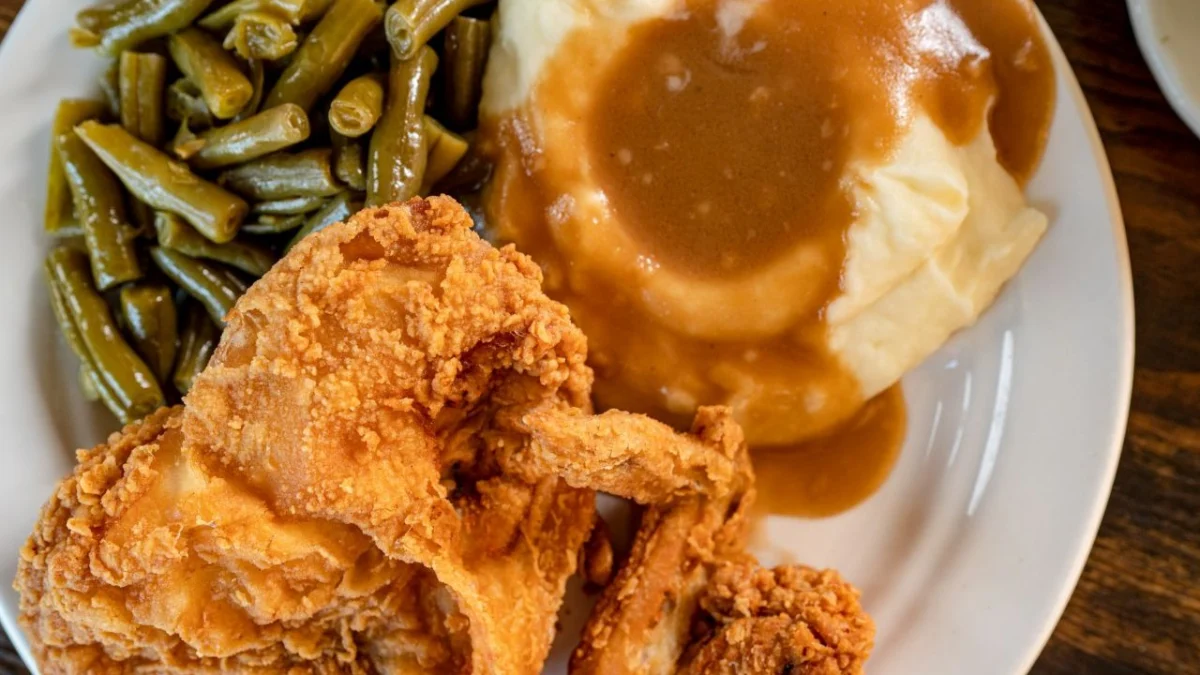
Indianapolis, IN – March 19, 2026 – MCL Restaurants & Bakery, a cherished Indianapolis-based cafeteria-style buffet chain with a legacy spanning 76 years, is undergoing significant consolidation, announcing the closure of several of its locations this month. This strategic retrenchment, confirmed by various local media outlets and social media pronouncements from the company, signals a profound shift in the brand’s operational footprint and reflects broader challenges facing the casual dining sector. The closures will impact establishments in Terre Haute, Muncie, and Indianapolis, Indiana, as well as Whitehall, Ohio, a suburb of Columbus.
This wave of closures will reduce MCL’s total operational presence to seven locations. This consolidation follows a period of gradual decline in the chain’s physical presence. According to industry data from Technomic, MCL Restaurants & Bakery concluded 2024 with 13 locations, generating $25.7 million in sales, which represented a modest 2% increase year-over-year. However, this growth masks a longer-term trend of contraction that has seen the chain shrink considerably from its peak.
A Legacy in Transition: The Declining Footprint of MCL
The history of MCL Restaurants & Bakery is deeply intertwined with the evolution of American casual dining. Founded in 1950 by Charles "Mac" McGaughey, the company has remained a family-owned and operated enterprise for three generations. The McGaughey family’s commitment to serving homestyle meals, prepared from scratch using farm-fresh recipes originating from Sheridan, Indiana, has been a cornerstone of the brand’s identity. This dedication to quality and tradition, served in a convenient cafeteria-style format, resonated with diners for decades.
However, the chain’s expansion trajectory began to plateau and then reverse in the late 20th century. During the 1980s and early 1990s, MCL Restaurants & Bakery experienced its zenith, boasting a network of approximately 30 locations spread across the Midwest. This period marked a significant period of growth and market penetration for the company.
The turn of the millennium brought a noticeable shift. By 2004, the number of MCL locations had receded to 22. This downward trend continued steadily, with the chain operating 17 restaurants by the end of 2014, and further contracting to 13 by the close of 2019. The current closures represent a continuation of this pattern, bringing the total number of restaurants to a historic low of seven.
Understanding the Rationale Behind the Closures
In response to inquiries regarding the recent closures and potential future actions, MCL Restaurants & Bakery offered a candid explanation via a statement on its Facebook page. The company attributed the closure of its Whitehall, Ohio location to underperformance, noting that sales at that particular establishment "were not where they need to be to cover operating cost." This direct acknowledgment highlights the critical importance of profitability at each individual unit in sustaining the broader business.
The company further confirmed a specific closure date of March 29 for the affected locations in Whitehall, Muncie, and the Irvington neighborhood of Indianapolis. The statement emphasized that these decisions were not made lightly. "These decisions come after a lot of careful consideration and years of declining sales in certain markets," the company articulated, underscoring a strategic response to sustained financial challenges in specific regions.
The Evolving Dining Landscape and MCL’s Menu Philosophy
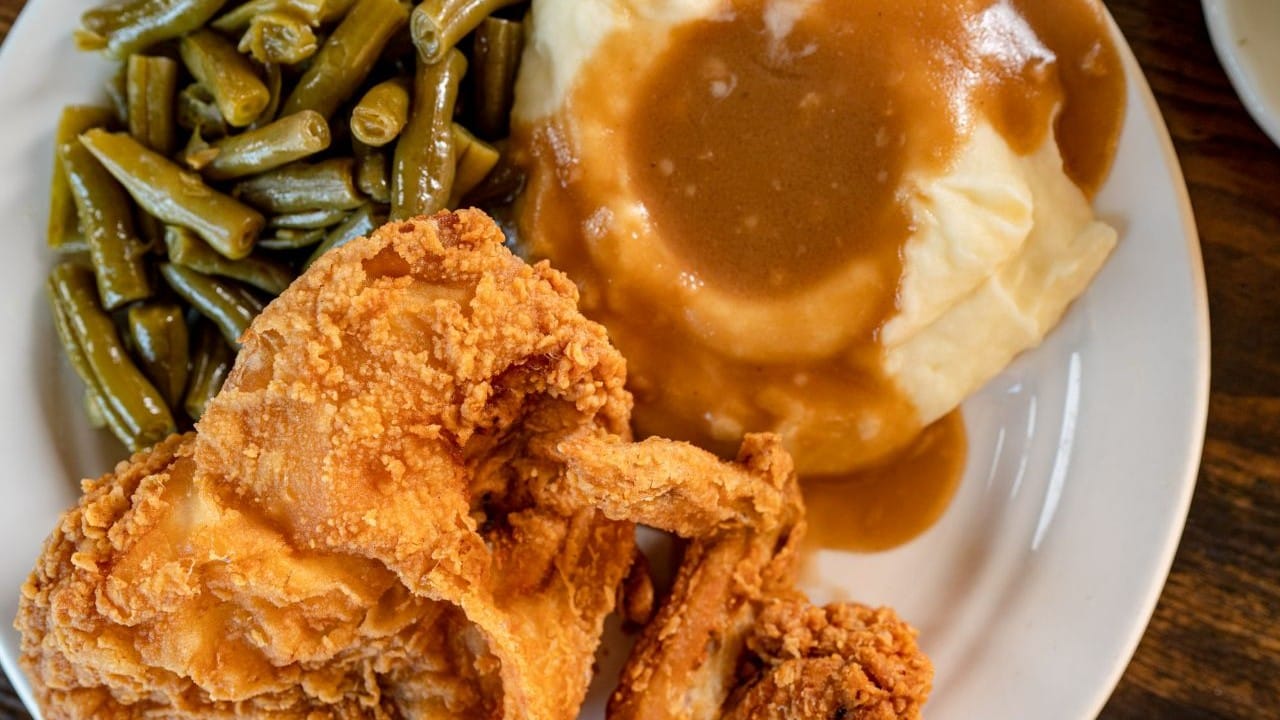
MCL Restaurants & Bakery’s menu has long been a draw for its comforting, familiar fare. The cafeteria-style service allows for a diverse selection of daily specials, catering to a wide range of preferences. Noon specials, priced at $12.95, typically include a sandwich, a beverage, and a choice of soup, side salad, or hot side. For those seeking a more substantial meal, the blue plate specials are offered at $14.69, featuring an entrée, two sides, and bread.
Signature entrées like stuffed chicken breast, Roast Beef Manhattan, and baked fish are staples, complemented by daily rotating options such as turkey and dressing, and meatloaf, typically served on Tuesdays. The menu also features a robust selection of side dishes, salads, and desserts, all prepared with the company’s commitment to scratch cooking and family recipes. This culinary approach, while a source of nostalgia and loyalty for many patrons, must navigate the economic realities of modern restaurant operation.
Broader Industry Headwinds: A Challenging Environment for Full-Service Dining
The challenges faced by MCL Restaurants & Bakery are not isolated incidents but are symptomatic of a wider economic climate impacting the entire restaurant industry, particularly the full-service segment. Rising input costs, encompassing everything from ingredients to labor and energy, are squeezing profit margins. Concurrently, many consumers are exercising greater caution with their discretionary spending, leading to reduced dining-out frequency or a shift towards more value-oriented options.
This confluence of factors has led to a wave of retrenchment across numerous well-established casual dining chains. Brands such as Denny’s, Outback Steakhouse, Applebee’s, Red Robin, On the Border, Macaroni Grill, Smokey Bones, Hooters, and Bahama Breeze have all undertaken various forms of operational adjustments or faced significant market pressures in recent years.
The closure of legacy family-dining chains further underscores the intensity of these industry headwinds. In December, K&W Cafeteria, another historic family-dining chain founded in 1937, ceased all operations, marking the end of an era for a brand that once operated over 30 locations at its peak.
Data-Driven Insights: A Significant Percentage of Restaurants at Risk
Recent data from Black Box Intelligence paints a stark picture of the full-service restaurant sector. According to their analysis, a significant nine percent of all full-service restaurant units are currently considered at risk for closure in 2026. This assessment is based on the continued struggle of these establishments to manage substantial sales losses, with some reporting declines of 30% or more. This statistic suggests that the pressures faced by MCL are part of a larger, systemic issue affecting a substantial portion of the industry.
The strategic decisions made by MCL Restaurants & Bakery, while undoubtedly difficult for the company and its loyal customer base, reflect a pragmatic response to these challenging market dynamics. The ongoing consolidation within the casual dining sector indicates a period of recalibration, where brands must adapt their strategies to meet evolving consumer expectations and navigate an increasingly competitive and economically complex landscape. The future success of MCL, and indeed many other legacy restaurant brands, will likely depend on their ability to innovate, optimize operations, and maintain relevance in a rapidly changing marketplace.
The remaining MCL locations, including those in Upper Arlington and Dayton, Ohio, along with five sites within the Indianapolis market (Carmel, Avon, Township Line, Castleton, and Southside), will now bear the responsibility of carrying forward the company’s long-standing legacy. Their performance will be closely watched as an indicator of the brand’s ability to adapt and thrive in this new operational reality.