

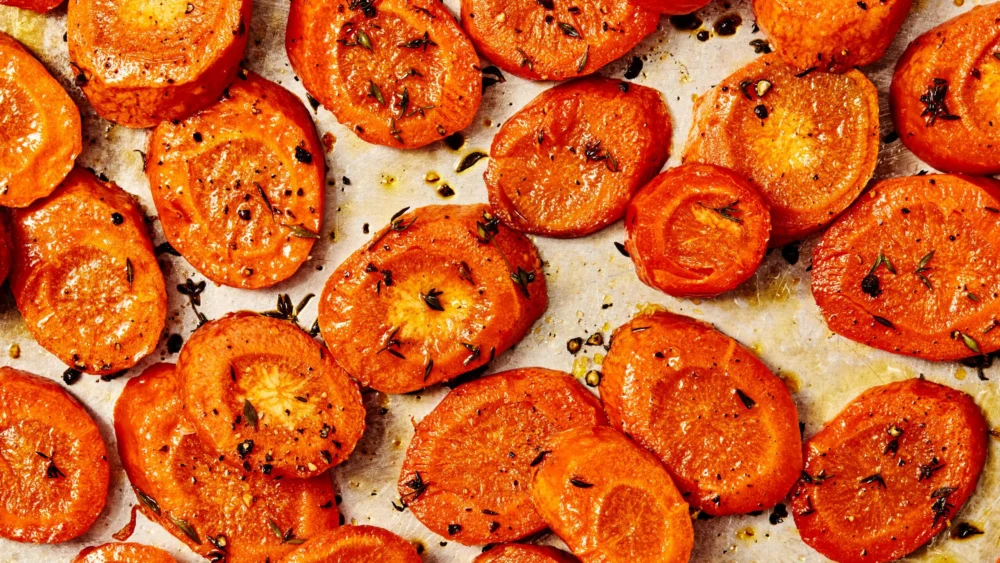
The humble carrot, often relegated to a supporting role, undergoes a remarkable transformation when subjected to the heat of an oven, emerging as a dish of surprising depth and irresistible appeal. This culinary alchemy, requiring minimal effort yet yielding maximum flavor, solidifies roasted carrots as an indispensable component of modern gastronomy. The process itself is deceptively simple: sliced whole carrots, never the diminutive baby carrots often associated with convenience, are coated with olive oil, a selection of fresh herbs, salt, and pepper, then roasted until tender and exquisitely caramelized. This straightforward technique produces oblong coins that boast a soft interior, a slightly crisp exterior, and a concentrated sweetness that is both comforting and sophisticated. While multicolored carrots offer an enhanced visual appeal, even the ubiquitous orange variety, when properly prepared, delivers a stellar performance, promising a side dish that is as nourishing as it is delicious. Further elevation can be achieved with simple garnishes such as a sprinkle of lemon zest, an additional flourish of fresh herbs, or a delicate drizzle of honey, prompting diners to eagerly request second helpings.
The widespread appeal of roasted carrots is not merely anecdotal; it is rooted in fundamental culinary principles that prioritize flavor development through controlled heat. Roasting, as a dry-heat cooking method, excels at concentrating natural sugars, breaking down complex carbohydrates, and inducing the Maillard reaction – a chemical process between amino acids and reducing sugars that gives browned food its distinctive flavor. This scientific basis underpins the transformation of a firm, earthy root vegetable into a tender, sweet, and slightly smoky delicacy. The simplicity of the method democratizes gourmet-level flavors, making it accessible to home cooks of all skill levels, a fact that contributes significantly to its enduring popularity in diverse culinary traditions.
Optimizing the Roasting Process: Expert Techniques for Superior Results
Achieving the pinnacle of roasted carrot perfection hinges on understanding a few key principles that extend beyond merely tossing and baking. These insights, gleaned from decades of culinary practice and scientific understanding, ensure consistent and exceptional outcomes.
The Great Peel Debate: To Peel or Not to Peel?
One of the most frequently asked questions regarding carrot preparation for roasting concerns the necessity of peeling. Culinary experts generally agree that the decision often depends on the age and origin of the carrots, as well as personal preference and aesthetic considerations. Young, freshly harvested carrots, characterized by their smooth, thin skins, can absolutely be roasted with their skins intact. The skin contains a significant concentration of nutrients, including fiber and certain vitamins, and can contribute to a more rustic texture and appearance. However, rigorous scrubbing is paramount for unpeeled carrots. Given that carrots grow underground, their skins can harbor residual soil and microorganisms. A thorough scrub under running water, ideally with a vegetable brush, is essential to remove any dirt particles and ensure food safety.
Conversely, older carrots, which often possess thicker, sometimes tougher skins, may benefit from peeling. The skin of an older carrot can become slightly fibrous or bitter when roasted, potentially detracting from the overall tenderness and sweetness of the finished dish. Peeling also results in a uniformly smooth texture and a cleaner, brighter appearance, which some diners find more appealing. From a nutritional standpoint, while some nutrients reside in or directly beneath the skin, the bulk of a carrot’s nutritional value is found throughout its flesh, meaning peeling does not drastically diminish its health benefits. Ultimately, the choice between peeling and not peeling is a balance of convenience, texture preference, and a commitment to thorough cleaning.
The Critical Role of Direct Heat: Skipping the Parchment
A seemingly innocuous step—lining a baking pan with parchment paper or a silicone mat—can inadvertently impede the very process that makes roasted vegetables so delicious: caramelization. Deep caramelization, characterized by the rich brown crust and intensified sweetness, is achieved through direct contact between the food and the hot metal surface of the baking sheet. Metal is an excellent conductor of heat, transferring it efficiently to the carrots. When a barrier like parchment or silicone is introduced, it creates an insulating layer that prevents this direct heat transfer.
Instead of searing and browning, the vegetables tend to steam more, resulting in a less crisp texture and less pronounced caramelization. While parchment paper is invaluable for preventing sticking when baking delicate items or for easy cleanup, its use in roasting can compromise the desired textural and flavor outcomes. For optimal caramelization, it is recommended to roast carrots directly on a bare, heavy-duty metal baking sheet, ideally one that is preheated in the oven. A light coating of olive oil on the pan or on the carrots themselves will typically prevent sticking, and any residual caramelized bits on the pan can be easily loosened after soaking or with a little scrubbing.
Precision in Preparation: The Art of Even Slices
The seemingly minor detail of how carrots are sliced before roasting plays a crucial role in the consistency and quality of the final product. Cutting carrots into uniform pieces is not merely an aesthetic choice; it is a fundamental technique for ensuring that the entire batch cooks at the same rate. Irregularly sized pieces will lead to a mix of overcooked, mushy carrots and undercooked, crunchy ones, creating an undesirable disparity in texture.
Culinary professionals often advocate for slicing carrots on the bias, or diagonally, into "oblong coins." This technique serves a dual purpose. Firstly, it creates a larger surface area for each individual piece, maximizing the contact with the hot pan and thus promoting more extensive caramelization. The increased surface area allows for more browning and crisping, contributing to a more flavorful and texturally appealing bite. Secondly, bias slicing can also make the carrots appear larger and more elegant, elevating the visual presentation of the dish. While coins are popular, other uniform cuts like sticks or halves can also be effective, provided they are consistent in size. The overarching principle remains: uniformity in size ensures uniformity in cooking, a hallmark of expertly prepared roasted vegetables.
Flavor Variations: The Carrot as a Culinary Canvas
Beyond the foundational combination of olive oil, salt, pepper, and fresh herbs, roasted carrots offer an exceptional "blank canvas" for a vast array of flavor variations, allowing them to complement virtually any cuisine or main dish. This adaptability is a testament to the carrot’s inherent sweetness and earthy notes, which pair harmoniously with a wide spectrum of spices and seasonings.
- Classic Herb Combinations: While rosemary and thyme are perennial favorites for their robust, aromatic qualities, parsley, dill, chives, and even mint can introduce fresh, vibrant dimensions. These herbs can be added before roasting for deeper infusion or after for a brighter, fresher aroma.
- Warm and Earthy Spices: Incorporating ground cumin, ginger, garlic powder, onion powder, or paprika (approximately 1 teaspoon per pound of carrots) can transport the dish to different culinary landscapes. Cumin offers a warm, nutty essence, ginger provides a zesty warmth, and garlic powder adds a foundational savory depth. Smoked paprika can introduce a subtle smokiness, enhancing the natural sweetness of the carrots.
- Complex Spice Blends: For those seeking more intricate flavor profiles, pre-mixed spice blends are an excellent option.
- Baharat: A Middle Eastern blend typically featuring black pepper, cumin, coriander, cloves, nutmeg, cardamom, and paprika, baharat lends a warm, savory, slightly sweet, and aromatic quality.
- Garam Masala: A staple in Indian cuisine, this blend often includes cinnamon, cardamom, cloves, cumin, coriander, and black pepper, imparting a fragrant, warm, and subtly sweet flavor.
- Five-Spice Powder: Hailing from Chinese cuisine, this blend typically combines star anise, cloves, Chinese cinnamon, Sichuan peppercorns, and fennel seeds, offering a balance of sweet, pungent, savory, and spicy notes.
- Chili Powder: A versatile blend, often including chili peppers, cumin, oregano, and garlic powder, which can add a moderate heat and robust savory character.
These complex blends are particularly effective when paired with a pinch of brown sugar or a drizzle of maple syrup, which not only enhance the caramelization but also balance the spices with an additional layer of sweetness. The interplay of sweet and savory notes creates a more sophisticated and memorable dish.
Serving Suggestions: Elevating the Experience
The versatility of roasted carrots extends beyond their preparation into their presentation and pairing. What begins as a simple side can be transformed into a more elaborate appetizer or a refined component of a larger meal with thoughtful garnishes and accompaniments.
- Creamy Counterpoints: Spooning warm roasted carrots over a bed of whipped ricotta cheese creates a delightful contrast in textures and flavors. The cool, creamy, and slightly tangy ricotta provides a perfect foil to the sweet, earthy, and tender carrots. This combination is particularly effective when garnished with a drizzle of honey or pomegranate molasses, which adds another layer of sweetness and a touch of tartness, along with more chopped fresh herbs like parsley, dill, or cilantro for brightness.
- Acidic Brightness: A simple squeeze of fresh lemon juice over the finished carrots can awaken their flavors, adding a vibrant acidity that cuts through the richness and enhances their natural sweetness. A final drizzle of high-quality extra virgin olive oil not only adds a glossy finish but also contributes a nuanced, peppery note.
- Vinaigrettes and Dressings: A light vinaigrette, perhaps made with apple cider vinegar, Dijon mustard, and olive oil, can also be drizzled over the roasted carrots to introduce a tangy counterpoint. For a Mediterranean twist, a tahini-lemon dressing could offer a nutty, savory depth.
Background and Broader Implications of Carrot Consumption
Carrots (Daucus carota subsp. sativus) have a rich history, with their origins tracing back to ancient Persia and Afghanistan, where early varieties were purple and yellow. The familiar orange carrot was developed in the Netherlands in the 17th century, likely through selective breeding to honor the House of Orange. Since then, carrots have become a global staple, prized for their versatility, nutritional benefits, and relatively long shelf life.
From a nutritional perspective, carrots are a powerhouse. They are an excellent source of beta-carotene, which the body converts into Vitamin A, essential for vision, immune function, and skin health. They also provide significant amounts of Vitamin K1, potassium, and antioxidants, including anthocyanins in purple varieties and lutein in yellow ones. The fiber content in carrots aids digestion and contributes to satiety, making them a valuable component of a balanced diet.
The emphasis on simple, whole-food preparations like roasted carrots aligns with broader public health recommendations to increase vegetable intake. Culinary trends over the past decade have increasingly favored dishes that celebrate the natural flavors of ingredients with minimal processing. Roasted vegetables, including carrots, perfectly fit this paradigm, offering a delicious and accessible way for individuals to incorporate more produce into their meals. The ease of preparation also resonates with the growing demand for convenient yet healthy home-cooked options, especially in an era where consumers are increasingly conscious of both nutrition and food preparation time.
Economically, carrots are a relatively affordable and widely available vegetable, contributing to food security and accessibility. Their cultivation spans numerous climates, making them a global commodity. Environmentally, while agriculture always has an impact, carrots are generally considered a relatively sustainable crop when grown using responsible practices.
In conclusion, the simple act of roasting carrots transcends basic cooking; it is an exploration of flavor, texture, and culinary history. By understanding the principles of heat transfer, the importance of uniform preparation, and the vast potential for flavor customization, home cooks and professional chefs alike can consistently transform this humble root vegetable into a dish that is not only profoundly delicious but also deeply nourishing and universally appealing. The enduring popularity and continuous reinvention of roasted carrots underscore their status as a timeless culinary staple, a testament to the power of simple ingredients prepared with thoughtful technique.