

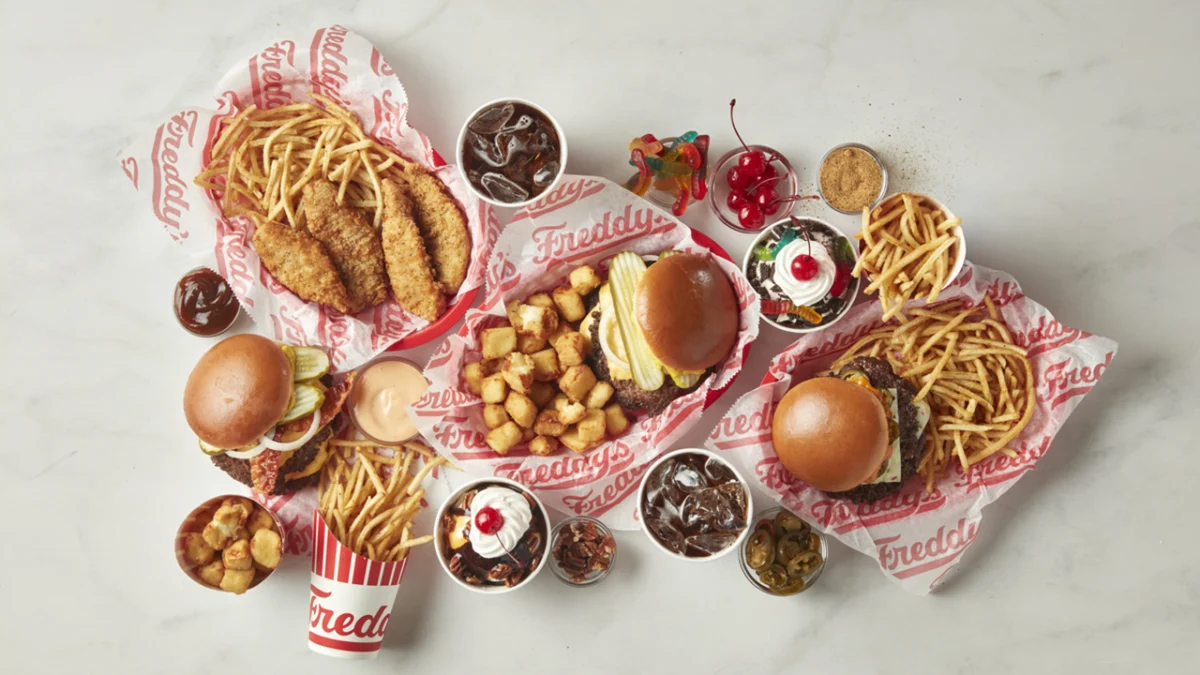
The fundamental obligation of any franchisor is to cultivate an environment where their franchisees can not only survive but thrive, delivering a robust return on investment. This principle, often discussed in boardrooms and strategic planning sessions, is being embodied in a distinctly hands-on manner by Chris Dull, the Chief Executive Officer of Freddy’s Frozen Custard & Steakburgers. Rather than orchestrating strategy from an executive suite, Dull champions a "leading from the line" philosophy, a commitment that sees him regularly working within Freddy’s restaurant locations. This immersive approach allows him to gain firsthand insights into optimizing kitchen workflows and redesigning operational efficiencies, directly impacting the profitability and success of the 600-location strong, Wichita, Kansas-based concept that first opened its doors in 2002.
Dull recently shared his operational insights and perspectives on evolving industry trends during an appearance on the "Take-Away with Sam Oches" podcast. His discourse highlighted critical lessons learned from the frontlines of restaurant operations and addressed the shifting dynamics of the foodservice industry, particularly the gradual recalibration from the off-premises dining boom spurred by the pandemic.
The "Leading from the Line" Philosophy in Practice
Chris Dull’s commitment to "leading from the line" is more than a catchy slogan; it’s a core tenet of his leadership at Freddy’s. This philosophy dictates that true understanding of a business’s operational strengths and weaknesses comes not from abstract reports, but from direct, on-the-ground experience. By regularly working alongside his franchisees’ employees, Dull immerses himself in the daily realities of food preparation, customer service, and operational flow. This firsthand exposure enables him to identify bottlenecks in kitchen workflows that might otherwise go unnoticed from a distance. He can observe how different station setups impact speed of service, how ingredient staging affects prep times, and how team communication can be enhanced to improve efficiency during peak hours.
This active involvement goes beyond mere observation. Dull is not just watching; he is participating, understanding the physical demands of the job, the challenges of maintaining consistent quality under pressure, and the nuances of customer interaction. This deep dive allows him to propose and implement operational changes that are not theoretical but practical and tested in the real-world environment of a busy Freddy’s restaurant. The aim is to streamline processes, reduce waste, and ultimately enhance the profitability of each location, thereby fulfilling the franchisor’s duty to maximize franchisee returns.
The Evolution of Off-Premises Dining
Dull’s conversation with Sam Oches also delved into the post-pandemic landscape of the restaurant industry, specifically addressing the significant surge in off-premises dining. During the height of the COVID-19 pandemic, restaurants rapidly pivoted to accommodate takeout, drive-thru, and delivery orders to maintain revenue streams. This led to a dramatic increase in investment in digital ordering platforms, expanded kitchen capacity for off-premises orders, and a reevaluation of front-of-house layouts to facilitate efficient order pickup.
However, Dull notes a perceptible shift, a "swinging back," as consumers increasingly return to dining in. This trend suggests a recalibration of priorities for both consumers and operators. While off-premises remains a crucial component of the modern restaurant business model, its dominance is waning as consumers seek the social and experiential aspects of dining out. This evolution presents both challenges and opportunities for franchisors like Freddy’s. It necessitates a strategic rebalancing of resources and operational focus. While maintaining robust off-premises capabilities is essential, there is a renewed emphasis on optimizing the in-store dining experience. This includes enhancing ambiance, improving table service, and ensuring that the core dining experience is as compelling as it is convenient.
Freddy’s Growth Trajectory and Market Position
Founded in 2002 in Wichita, Kansas, Freddy’s Frozen Custard & Steakburgers has experienced remarkable growth, expanding to over 600 locations across the United States. This expansion is a testament to the brand’s popular concept, which combines a nostalgic, 1950s Americana theme with a menu featuring steakburgers, hot dogs, and a signature creamy frozen custard. The brand has successfully cultivated a loyal customer base drawn to its unique blend of quality food and retro atmosphere.
The company’s franchise model has been instrumental in its rapid expansion. By providing franchisees with a proven business model, operational support, and brand recognition, Freddy’s has empowered entrepreneurs to establish successful businesses under its banner. The franchisor’s role in this ecosystem is crucial; it must continuously innovate and adapt to market changes to ensure that the franchise system remains profitable and attractive for new and existing franchisees. Dull’s hands-on approach is a direct response to this imperative, ensuring that the operational strategies supporting the brand’s growth are as effective and efficient as possible.
Supporting Data and Industry Context
The foodservice industry, a sector characterized by its dynamic nature, is constantly influenced by consumer behavior, economic conditions, and technological advancements. The shift in dining preferences observed by Dull is supported by broader industry data. Reports from organizations like the National Restaurant Association consistently highlight the resilience and adaptability of the sector. For instance, while the pandemic accelerated digital ordering and delivery, recent analyses suggest a stabilization or slight decrease in the percentage of sales attributed solely to off-premises channels as dine-in traffic recovers.
According to a recent report by Technomic, a leading foodservice research and consulting firm, while off-premises sales remain elevated compared to pre-pandemic levels, the growth rate for dine-in sales has shown a notable resurgence. This indicates that consumers are seeking a balance between convenience and the full-service dining experience. For a brand like Freddy’s, which offers a distinct in-restaurant ambiance, this trend presents an opportunity to leverage its core strengths.
Furthermore, data on franchisee profitability is a critical metric for franchisors. A study by IBISWorld on the fast-casual restaurant industry indicates that operational efficiency and effective cost management are key drivers of profitability for franchisees. This underscores the importance of Dull’s focus on streamlining kitchen workflows and optimizing operations, as these directly impact the bottom line for individual Freddy’s operators. The ability of a franchisor to provide actionable strategies for cost reduction and revenue enhancement is a primary factor in maintaining franchisee satisfaction and driving continued system-wide growth.
Broader Impact and Implications for the Franchise Model
Chris Dull’s leadership style and his insights into operational optimization have significant implications for the broader franchise model within the restaurant industry. His "leading from the line" approach challenges the traditional hierarchical structure, emphasizing the value of direct experience and employee feedback in strategic decision-making. This can foster a more collaborative and responsive organizational culture, where operational improvements are data-driven and grounded in the realities faced by those on the front lines.
For franchisees, this translates into a franchisor that is actively engaged in understanding and addressing their operational challenges. It suggests a commitment to continuous improvement that goes beyond theoretical planning, offering tangible benefits in terms of efficiency and profitability. This can enhance franchisee loyalty and encourage reinvestment in the brand.
The recalibration of off-premises dining also presents a strategic imperative for all franchisors. As consumers re-engage with in-restaurant dining, brands must ensure that their physical locations are optimized to deliver an exceptional experience. This might involve investments in dining room ambiance, staff training focused on service excellence, and menu engineering that caters to both dine-in and take-out preferences. The ability to effectively manage a dual-channel operation – one that excels in both off-premises convenience and on-premises experience – will be a key differentiator in the competitive landscape.
Looking Ahead: Adapting to a Evolving Market
The foodservice industry is in a perpetual state of flux, driven by evolving consumer preferences, technological advancements, and economic pressures. Chris Dull’s proactive and grounded approach at Freddy’s Frozen Custard & Steakburgers exemplifies a forward-thinking strategy for navigating this complex environment. By prioritizing direct operational engagement and adapting to the shifting balance between off-premises and dine-in dining, Freddy’s is positioning itself for continued success.
The lessons learned from Dull’s frontline experiences, shared on platforms like the "Take-Away with Sam Oches" podcast, offer valuable insights for other franchisors and operators. The emphasis on practical, data-informed operational improvements, coupled with a keen understanding of market trends, is likely to remain a critical factor in achieving sustainable growth and ensuring franchisee prosperity in the years to come. As the industry continues to evolve, the ability of franchisors to remain agile, responsive, and deeply connected to the day-to-day realities of their businesses will be paramount.
Contact Sam Oches at [email protected]