

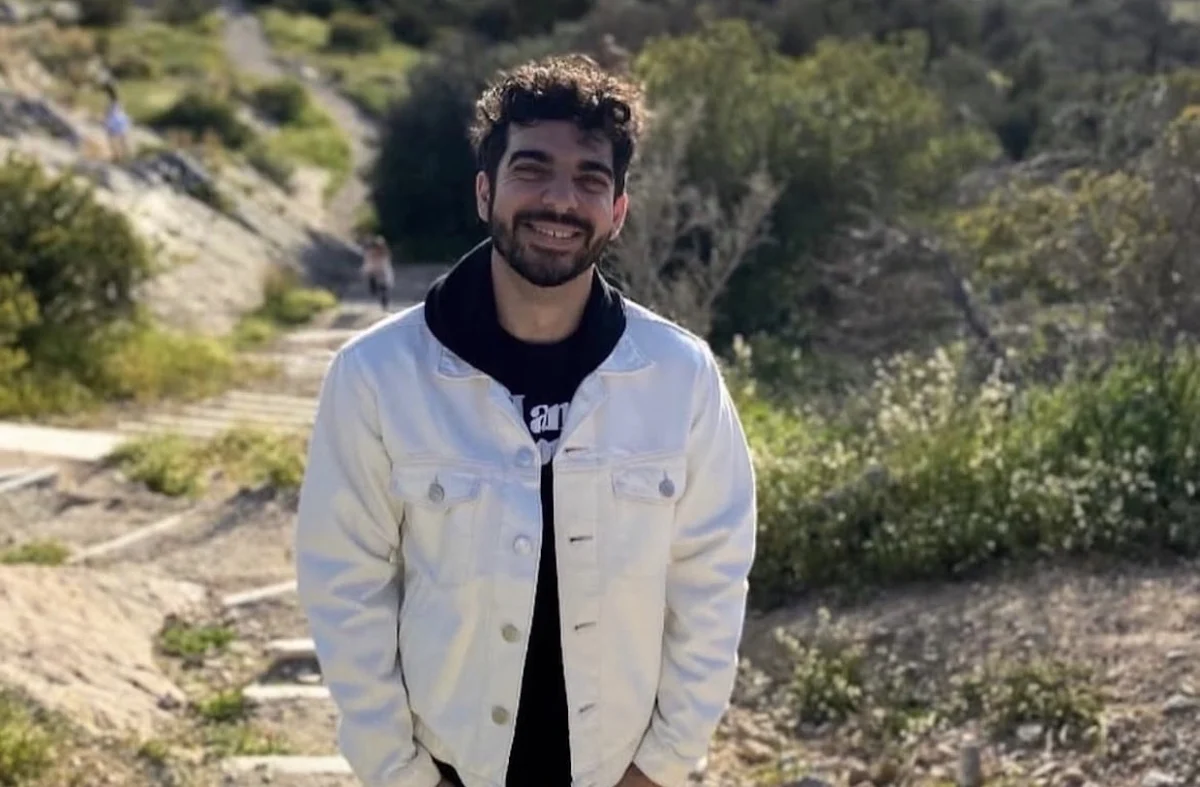
Kosta Kallivrousis, a seasoned professional now serving as Senior Supply Chain Advisor at Age of Coffee, embarked on his coffee journey not through a predetermined passion, but as a pragmatic response to economic shifts and a desire for human connection. His early career trajectory, far from the aromatic world of specialty coffee, began in his family’s electrical business. However, the seismic tremors of the 2008 financial crisis prompted a significant pivot. Seeking new opportunities and a more direct engagement with people, Kallivrousis took a position at a Starbucks location outside Tampa, Florida. This marked the initial step in a career that would eventually lead him to champion a more equitable and transparent coffee industry.
His initial foray into the coffee world was far from the nuanced appreciation he now possesses. At Starbucks, his go-to beverage was a chocolate chip Frappuccino, a far cry from the black coffee that would later become a subject of profound learning. Kallivrousis recounts a pivotal moment during his early days: "I remember doing my first tasting with my store manager. We tasted a black cup of coffee and she goes, ‘Now I want you to describe this coffee.’ It was the first time I’d ever been asked this," he told Daily Coffee News. His unvarnished initial assessment – "it tasted like dirt" – was met with an unexpected reinterpretation from his manager, who responded, "earthy, great." This seemingly minor exchange served as an early, albeit indirect, lesson in the subjective nature of taste and the evolving language of coffee appreciation.
This foundational experience, coupled with a upbringing steeped in the hospitality sector – his Greek American family owned three diners – provided a fertile ground for Kallivrousis’s eventual immersion in coffee. The diner environment instilled in him an understanding of food service, customer interaction, and the rhythm of busy establishments. Coffee, in this context, felt like a natural extension. Yet, he quickly discovered that coffee possessed its own distinct culture. "But coffee had its own lexicon, its own rhythm," he explained. "You had to be quick, but you also had to know when to slow down and chat with people." This duality – the need for efficiency and the importance of genuine human interaction – became a recurring theme in his professional development.
From Barista to Advocate: A Journey Through Coffee’s Craft
Kallivrousis’s trajectory within the coffee industry gained momentum after relocating to Kansas City. It was here that he secured his first role in specialty coffee at The Roasterie. This position provided him with a deeper understanding of the intricate craft and skills underpinning coffee production, moving beyond the transactional nature of a café setting to explore the sensory dimensions of the beverage. His dedication and burgeoning expertise led him to become a barista trainer, a role that further solidified his understanding of coffee preparation and customer service.
His fascination with the artistry of coffee preparation soon manifested in an obsession with latte art. This visual aspect of coffee service became a creative outlet, pushing him to hone his technical skills. His growing passion led him to compete at Coffee Fest in Chicago, a significant platform for industry professionals to showcase their talents and connect with peers. The competitive environment, while challenging, offered invaluable insights into the dedication and precision required at the highest levels of coffee craftsmanship.
A pivotal moment in Kallivrousis’s career came with his employment at Parisi Coffee. Here, he had the opportunity to work alongside Pete Licata, the 2013 U.S. and World Barista Champion. The experience of collaborating with a world-renowned barista offered a profound education. "I learned a lot from him – what it means to compete, how to brew coffee, what judges look for and what it means to be a barista," Kallivrousis reflected. He particularly highlighted Licata’s exemplary work ethic and humility: "Pete was always the first to throw an apron on and head to the back to do dishes. He really set an example." This mentorship underscored the importance of a holistic approach to the coffee profession, emphasizing not only skill but also a commitment to service and a willingness to engage in all aspects of the operation.
The Guatemala Revelation: Confronting the Realities of the Supply Chain
As Kallivrousis’s technical proficiency and understanding of coffee deepened, his interest began to extend beyond the finished product to its origins. This growing curiosity led him to explore the world of green coffee, the unroasted beans that form the foundation of every cup. A transformative trip to Guatemala proved to be a watershed moment, fundamentally reshaping his perspective on the coffee industry.
During his visit, a meeting with a coffee broker facilitated an introduction to producers in Guatemala. Kallivrousis embarked on an immersive tour, visiting a wet mill, a dry mill, a nursery, and a coffee farm. The experience culminated in a cupping session, where he was asked to provide critical market feedback and scores. This formal evaluation, intended to assess the quality of the coffee, starkly contrasted with the relaxed nature of his visit.
The weight of his assessment, and the realization of how much it could impact the livelihoods of the producers, was profound. "What began as a relaxed visit turned serious once the cupping started, underscoring how much depended on the scores and market feedback he was being asked to provide," the original report notes. In that moment, Kallivrousis experienced a "shattering" realization: the idealized narrative of quality and reward often presented within the coffee industry did not align with the lived realities of many producers. He witnessed firsthand the disparity between the perceived value of high-quality coffee and the economic realities faced by those who cultivate it. This disconnect between aspiration and actuality ignited a desire to redirect his career towards addressing these systemic issues.
This profound encounter spurred a significant career shift. Shortly after his return from Guatemala, Kallivrousis transitioned into green coffee sales and supply chain management. His commitment to understanding the intricacies of coffee sourcing led him to become a certified Q Grader, a credential that signifies expertise in evaluating coffee quality. He subsequently honed his skills working with prominent organizations in the green coffee sector, including Ally Coffee, a respected green coffee trader, and Algrano, a platform designed to facilitate direct connections between coffee farmers and roasters. These experiences provided him with invaluable insights into the complex dynamics of the global coffee trade, from procurement and logistics to quality control and market access.
Age of Coffee: Building a More Equitable Future
In his current role as Senior Supply Chain Advisor at Age of Coffee, a boutique consultancy and supply chain services provider, Kallivrousis is actively leveraging his extensive experience to foster a more equitable and transparent coffee industry. His work is driven by a core philosophy: the promotion of direct, long-term relationships between coffee producers and roasters. This approach aims to circumvent intermediaries, ensuring that a greater share of the value generated by high-quality coffee flows back to the farmers.
Age of Coffee’s mission aligns with a growing movement within the industry to move beyond superficial sustainability claims and embrace genuine, impactful change. By focusing on supply chain optimization and fostering direct partnerships, Kallivrousis is contributing to a paradigm shift where the economic well-being of producers is prioritized alongside quality and profitability. This model emphasizes mutual benefit and shared responsibility, aiming to create a more resilient and just coffee ecosystem.
The Human Element: Connection and Culture
When asked about what excites him most about coffee, Kallivrousis’s immediate response centers on human connection. "My immediate reaction is being able to talk with people. I find the space I’m in allows me to have really long-form conversations, and really get to know people. That’s the thing that genuinely excites me the most," he stated. This emphasis on genuine interaction underscores his belief that the coffee industry, at its heart, is about people. The global reach of coffee also presents a unique opportunity for cultural exploration. "The other aspect is the fact that, for better or for worse, it is a global phenomenon and so it becomes a bit of a launch pad to be able to study and learn different cultures in a way that creates a sense of familiarity, but also distance at the same time." This dual perspective allows for deep engagement while maintaining an analytical distance, crucial for understanding complex cultural dynamics.
Confronting the Tyranny of Taste: A Call for Systemic Change
Despite his passion, Kallivrousis is acutely aware of the industry’s shortcomings. The aspect of coffee that troubles him most is the prevailing obsession with taste and quality, which he views as a form of control that can have disproportionate consequences. "The biggest thing that makes it the hardest to create change is this obsession with taste and quality. It’s about control. It’s about the individual controlling the outcomes of so many different lives," he articulated with palpable frustration. He described this situation as "fucking insane," highlighting the immense power wielded by individual palates in determining the economic fate of thousands. This subjective power, he argues, can overshadow the complex realities of production and the well-being of those involved. The current system, where a single tasting can dictate market outcomes, often fails to account for the myriad factors that influence a coffee’s journey from farm to cup, including social, economic, and environmental considerations.
An Anthropological Lens: Seeking Solutions Through Understanding
If not for coffee, Kallivrousis envisions a career rooted in academia, specifically in anthropology. He finds particular inspiration in the work of anthropologists like Biao Xiang, whose research on social alienation and experimental approaches to understanding complex social problems resonates deeply with his own analytical approach. "Something academic. It would absolutely be anthropology," he confirmed. "There’s an anthropologist, Biao Xiang. He’s the head of a department in Germany, and his research is the most interesting to me. It’s wildly experimental, dealing with concepts like social alienation. What I love most about him is that he really tries to understand and analyze a problem. If you can build around this idea of a common problem, then you can start to deal with social solutions at that point." This intellectual inclination towards dissecting societal issues and seeking root causes informs his current work, where he aims to address systemic problems within the coffee supply chain by fostering deeper understanding and collaboration.
Kallivrousis’s journey from a reluctant Starbucks employee to a vocal advocate for supply chain equity is a testament to the transformative power of experience and a commitment to driving meaningful change. His work with Age of Coffee represents a crucial step towards building a coffee industry that is not only celebrated for its exquisite flavors but also for its ethical foundations and its dedication to the people who make it all possible. The implications of his approach extend beyond individual transactions, pointing towards a future where transparency, fairness, and direct collaboration are the cornerstones of global coffee commerce.
