

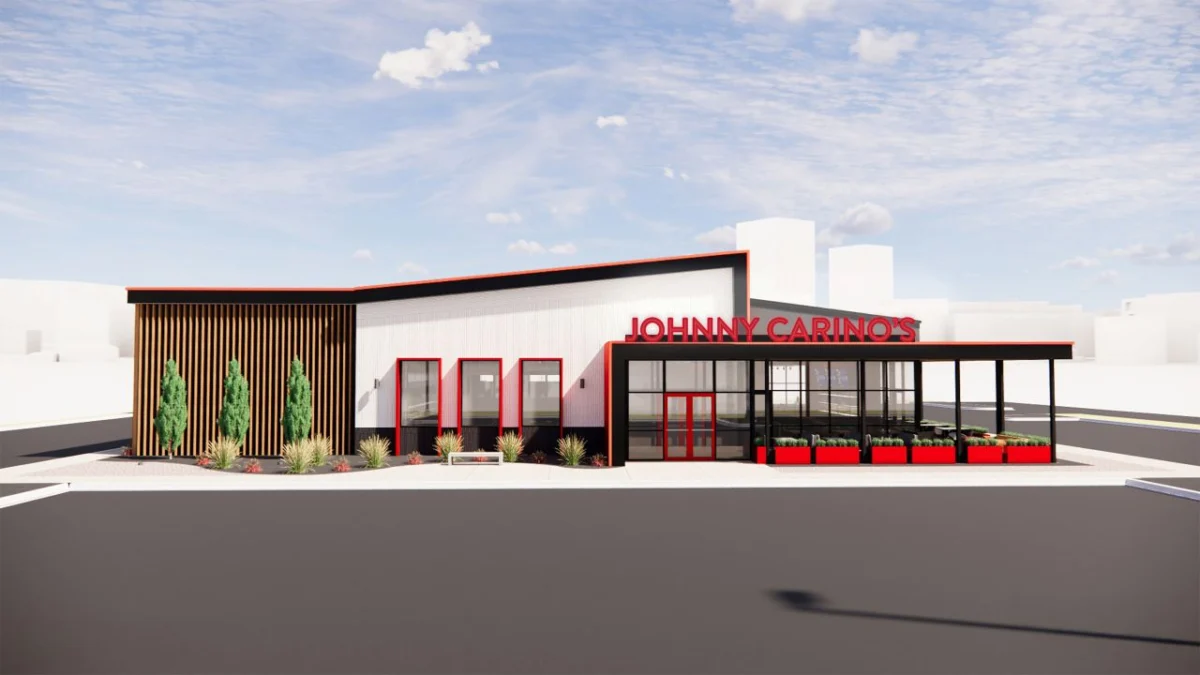
Johnny Carino’s latest restaurant, set to open its doors in Laredo, Texas, on March 25, represents a dramatic departure from the nearly 25-unit casual Italian dining chain’s established aesthetic. This unveiling of a completely redesigned prototype signals a strategic pivot aimed at revitalizing the brand, which has faced significant headwinds in recent years. The new design incorporates modernized elements and a significantly enhanced bar presence, reflecting a comprehensive effort to create a more vibrant and appealing dining experience for its patrons.
A New Era for Johnny Carino’s
The 29-year-old brand is betting heavily on this next-generation restaurant to complement its ongoing brand evolution. Allan Gantes, Chief Executive Officer of Johnny Carino’s, expressed optimism about the revamped concept in a statement, emphasizing the creation of a "fresh, energizing ambiance" paired with an "enhanced food and beverage lineup." Gantes highlighted the substantial investment in developing a more vibrant environment and modernizing the brand’s visual identity, while crucially maintaining its core Italian heritage. "It reflects the direction we see for the brand moving forward," Gantes stated, underscoring the strategic intent behind the prototype.
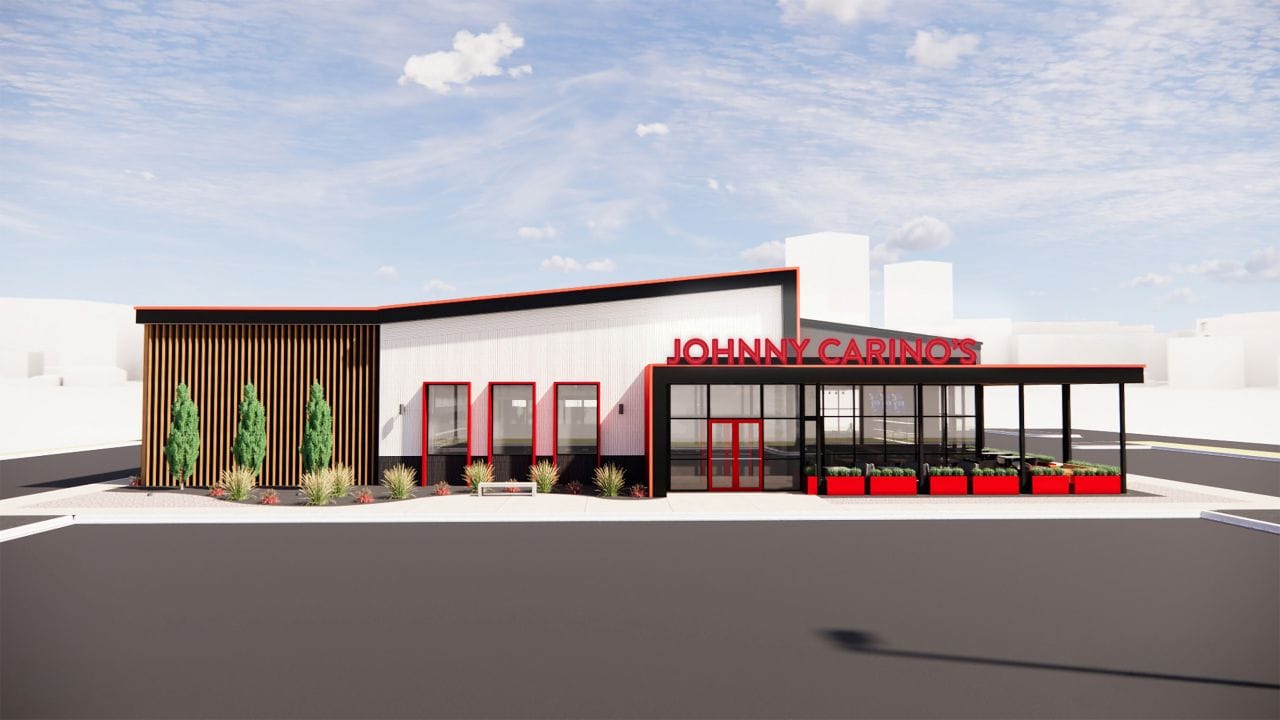
The approximately 6,000-square-foot Laredo location is designed to be a showcase for this new direction. Key architectural and design features include an open interior layout, designed to foster a sense of spaciousness and connectivity. A prominent and expansive bar area, equipped with multiple televisions, is intended to become a central hub for patrons seeking both a dining and a social experience. The inclusion of an open kitchen allows diners a glimpse into the culinary process, potentially enhancing transparency and engagement. Further enhancing the dining options, the prototype features a dedicated private dining space for events and a welcoming outdoor patio complete with fire pits, offering a more versatile and appealing atmosphere for various occasions. A striking visual element, a red Vespa scooter strategically positioned inside the restaurant, serves as a direct and charming nod to the brand’s Italian inspirations, reinforcing its thematic identity.
Enhancing the Beverage Experience
To complement the expanded bar space and cater to evolving consumer preferences, Johnny Carino’s is introducing a significantly revamped beverage program. This includes a new array of signature craft cocktails, such as the Hibiscus Rosato Paloma and the Roma Mule, designed to offer unique and memorable flavor profiles. The beverage menu will also feature an expanded wine selection and an impressive offering of 20 beers on draft, aiming to attract a broader demographic of beverage enthusiasts.
A key component of the new beverage strategy is the introduction of an enhanced happy hour program. This program will be available Monday through Friday from 3:00 p.m. to 6:00 p.m., and again from 9:00 p.m. to closing. This extended happy hour window is designed to capture both after-work and late-night crowds, providing an incentive for customers to visit during off-peak hours and encouraging trial of the new beverage offerings. This strategic move aims to increase traffic and revenue, particularly during times that might traditionally see lower sales volume.
Menu Continuity and Evolution
While the restaurant’s physical presence and beverage offerings are undergoing a significant transformation, the menu will continue to feature the signature Italian favorites that have defined Johnny Carino’s for nearly three decades. Core dishes such as Johnny’s Fresh Baked Lasagna, handcrafted pizzas, Spicy Shrimp and Chicken, Grilled Chicken Bowtie Festival, and the classic Tiramisu will remain central to the dining experience. This commitment to familiar favorites aims to reassure loyal customers while the brand embraces its new identity.
J.D. Gantes Jr., Head of Marketing, emphasized this dual approach in a statement, noting that "From updated branding and restaurant design to an enhanced cocktail program and new happy hour, this prototype represents a meaningful evolution for the brand. At the same time, we are staying true to the core Italian favorites that have defined Johnny Carino’s for nearly 30 years." This sentiment underscores the brand’s strategy of balancing innovation with tradition, seeking to attract new customers without alienating its existing base.
Navigating Industry Challenges
The unveiling of this ambitious prototype comes at a critical juncture for Johnny Carino’s and the broader casual-dining sector. According to data from Technomic, the company experienced a notable decline in sales, falling 14% from 2023 to 2024. Concurrently, its physical footprint shrunk by more than 13% during the same period. Looking at a longer timeframe, sales have plummeted nearly 50% over the past five years. This downward trend paints a stark picture of the challenges the brand has been facing.
The historical trajectory of Johnny Carino’s highlights the significant contraction it has experienced. In 2009, the chain boasted a substantial presence with over 140 locations. The current footprint of fewer than 25 units represents a dramatic reduction from its peak. This retrenchment is not unique to Johnny Carino’s; it mirrors a wider trend affecting many established casual-dining chains in the United States. Brands such as Red Robin, TGI Fridays, Friendly’s, Hooters, Bahama Breeze, and Romano’s Macaroni Grill have all undertaken significant closures of dozens of locations within their respective systems in recent years. These widespread closures underscore the intense competitive pressures, shifting consumer preferences, and economic factors that are reshaping the casual-dining landscape.
Factors Driving the Industry Shift
Several interconnected factors are contributing to the challenges faced by traditional casual-dining chains. The rise of fast-casual and quick-service restaurants offering speed, value, and increasingly sophisticated menus has siphoned off a significant portion of the market. Furthermore, evolving consumer lifestyles, including a greater emphasis on convenience, health-consciousness, and the growth of off-premise dining (takeout and delivery), have altered traditional dining patterns. The digital revolution, with the proliferation of online ordering platforms and third-party delivery services, has also created new competitive dynamics, requiring brands to adapt their operational models and marketing strategies.
The economic climate, including fluctuating inflation rates, labor costs, and consumer discretionary spending, also plays a crucial role. Casual-dining establishments, often characterized by higher price points and labor-intensive operations compared to their fast-casual counterparts, are particularly sensitive to these economic pressures. The need to invest in technology, marketing, and updated restaurant formats to remain competitive adds further financial strain.
Strategic Implications of the Prototype
The new Johnny Carino’s prototype can be viewed as a strategic response to these multifaceted challenges. By investing in a modernized design, an enhanced bar experience, and a revitalized beverage program, the company aims to:
- Attract a Broader Demographic: The contemporary design and expanded beverage offerings may appeal to a younger demographic and those seeking a more vibrant social atmosphere, complementing the existing customer base.
- Increase Daypart Sales: The extended happy hour and the emphasis on the bar area are designed to drive traffic and sales during typically slower periods, such as weekday afternoons and late evenings.
- Enhance Perceived Value: A more inviting and modern environment can elevate the overall dining experience, justifying price points and encouraging repeat visits.
- Create a Differentiator: In a crowded market, a distinct and appealing prototype can help Johnny Carino’s stand out from competitors and attract new customers.
- Serve as a Platform for Future Growth: If successful, the Laredo prototype can serve as a blueprint for future remodels and new restaurant openings, providing a clear vision for the brand’s long-term direction.
Background and Historical Context
Johnny Carino’s was founded in 1997 in Austin, Texas, and quickly grew to become a significant player in the casual Italian dining segment. The brand’s initial appeal lay in its generous portions, family-friendly atmosphere, and a menu that offered Italian-American comfort food. For many years, it was a popular destination for families and groups seeking a reliable and enjoyable dining experience.
However, the restaurant industry is dynamic and unforgiving. The late 2000s and the subsequent decade saw significant shifts in consumer preferences and an intensification of competition. Brands that failed to adapt to these changes, including evolving tastes, the demand for healthier options, and the digital transformation of the food service industry, found themselves struggling. Johnny Carino’s, like many of its peers, faced the difficult task of reinventing itself to remain relevant.
The decision to invest in a comprehensive prototype overhaul suggests a recognition that incremental changes would not be sufficient to reverse the negative sales trends. The focus on the bar and a more contemporary design indicates a strategic effort to capture a segment of the market that prioritizes a lively atmosphere and a sophisticated beverage program, in addition to good food.
Analysis of Potential Impact
The success of the Laredo prototype will be a critical indicator for the future of Johnny Carino’s. If the new design and offerings resonate with consumers and lead to improved sales and customer traffic, it could provide the necessary momentum for further expansion and revitalization. This could involve remodeling existing locations to adopt the new prototype and potentially opening new restaurants in strategic markets.
Conversely, if the prototype fails to attract the anticipated customer base or prove financially viable, it could lead to further contraction for the brand. The substantial investment required for such an overhaul means that its performance will be closely scrutinized by investors and stakeholders.
The broader implications of this initiative extend beyond Johnny Carino’s. The casual-dining sector is in a state of flux, with many established brands grappling with similar challenges. The Johnny Carino’s prototype represents one approach to navigating this complex environment. Its reception and eventual success or failure will offer valuable insights for other brands in the industry considering similar strategic transformations. The emphasis on creating an engaging atmosphere, coupled with a strong beverage program and a nod to its heritage, could set a new benchmark for the casual Italian dining experience, or it could highlight the difficulties of repositioning a legacy brand in a rapidly evolving market. The coming months will be crucial in determining the trajectory of Johnny Carino’s and its impact on the broader casual-dining landscape.