


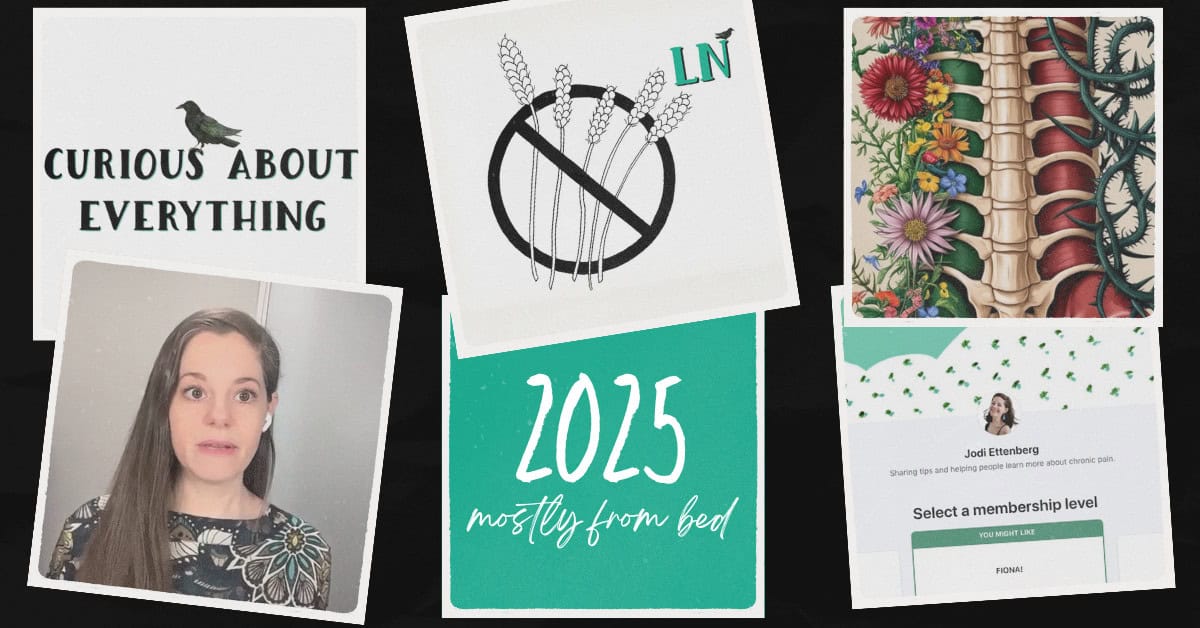
The intersection of digital entrepreneurship, patient advocacy, and chronic illness management reached a significant milestone in 2025 as Jodi Ettenberg, the founder of Legal Nomads and a former corporate lawyer, released a comprehensive summary of her professional and philanthropic achievements. Despite a debilitating spinal cerebrospinal fluid (CSF) leak that has largely confined her to a supine position since 2017, Ettenberg’s 2025 output includes the co-authorship of a major medical research paper, the expansion of a global celiac travel business, and the successful completion of a high-level executive search as Board President of the Spinal CSF Leak Foundation. This report examines the trajectory of Ettenberg’s career, the medical context of her condition, and the broader implications of patient-led expertise in specialized medical fields.
The Evolution of Legal Nomads: From Corporate Law to Global Advocacy
The professional trajectory of Jodi Ettenberg serves as a case study in the evolution of digital-era career transitions. A former associate at a major law firm in New York City, Ettenberg resigned from her legal career in 2008 to travel the world, documenting her experiences on the platform Legal Nomads. Over the subsequent decade, the site transitioned from a personal travelogue into a specialized resource for travelers with celiac disease and for legal professionals seeking alternative career paths.
The trajectory of the business was permanently altered in 2017 following a medical procedure that resulted in a chronic spinal CSF leak. This condition, characterized by a hole or tear in the dura mater—the outermost layer of the meninges surrounding the brain and spinal cord—results in the loss of cerebrospinal fluid. The loss of fluid volume and pressure leads to spontaneous intracranial hypotension (SIH), a condition where the brain sags within the skull when the patient is upright. For Ettenberg, this has resulted in a permanent state of physical disability where "uptime"—the time spent standing or sitting—is measured in strict increments to prevent neurological symptoms and severe pain.
Chronology of Challenges and 2025 Resilience
The 2025 calendar year began under significant duress for the Legal Nomads founder. On December 25, 2024, Ettenberg suffered a physical setback following a fall in the shower, which severely compromised her "baseline" functionality. This event necessitated months of strict bed rest during the first quarter of 2025. Concurrently, Ettenberg managed the care of two hospitalized family members while maintaining her responsibilities at the Spinal CSF Leak Foundation.
Despite these physical and personal constraints, the year 2025 became one of her most productive in the advocacy space. The following timeline highlights the key professional milestones achieved during this period:
- January–March 2025: Recovery from a significant leak relapse; management of familial health crises.
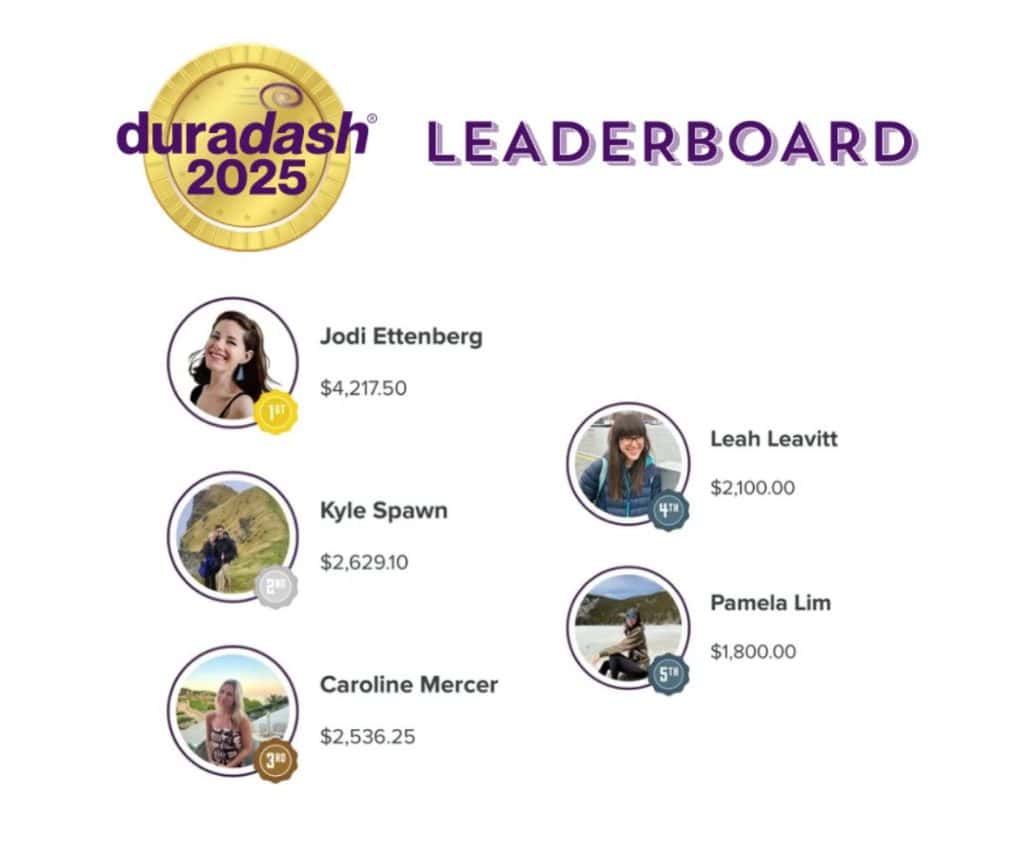
- June 2025: Leadership of "Leakweek," the annual awareness campaign for spinal CSF leaks, raising over $4,200 in community donations.
- October 2025: Publication of a peer-reviewed research paper in the American Journal of Neuroradiology (AJNR).
- November 2025: Keynote participation in a medical conference fireside chat alongside Dr. Andrew Callen.
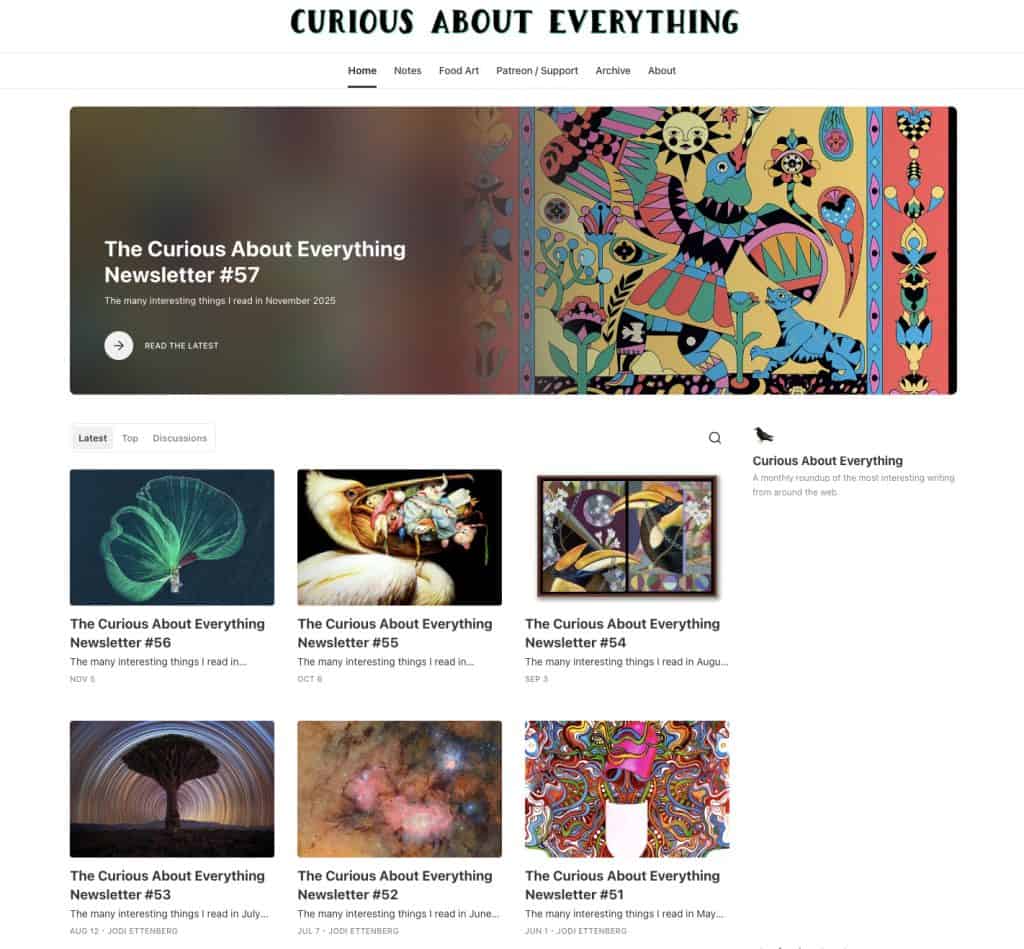
- December 2025: Completion of the 57th issue of the "Curious About Everything" newsletter and the successful onboarding of a new Executive Director for the Spinal CSF Leak Foundation.
Advancing Medical Research: The SIH-RADS Proposal
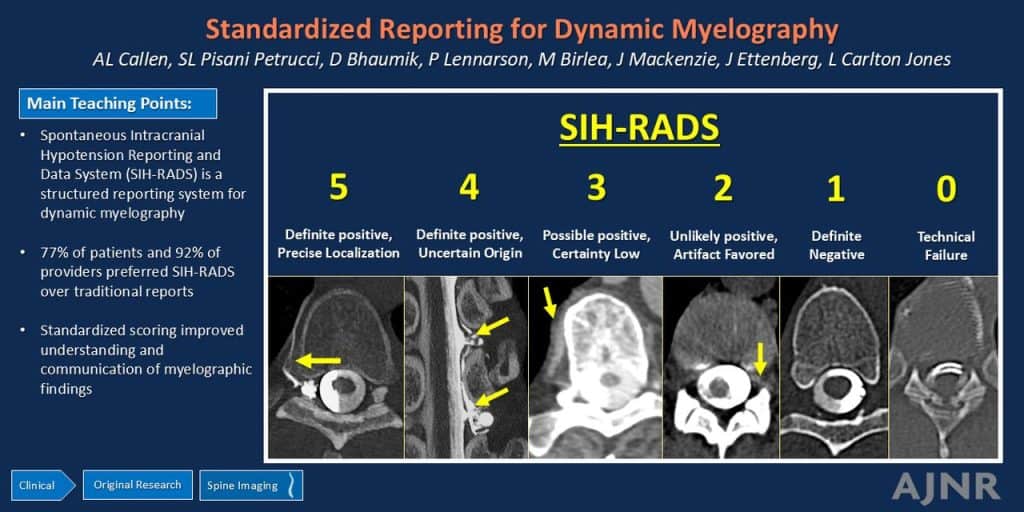
One of the most significant contributions of 2025 was Ettenberg’s role as a patient co-author in the development of a new standardized reporting system for dynamic myelography. The paper, titled "Enhancing Clarity in Dynamic Myelography Reporting," proposes the SIH-RADS (Spontaneous Intracranial Hypotension Reporting and Data System).
Dynamic myelography is a sophisticated diagnostic imaging technique used to locate the exact site of a CSF leak. It involves the injection of contrast dye into the spinal canal followed by real-time scanning as the patient is moved. Historically, the reporting of these results has lacked standardization, leading to potential miscommunications between neuroradiologists and referring surgeons.

The SIH-RADS system aims to improve diagnostic accuracy and patient outcomes by providing a uniform language for physicians. According to the study, both patients and referring providers reported a preference for this standardized system over traditional narrative reporting. Ettenberg’s involvement as a patient author underscores a growing trend in medical research where "expert patients" contribute to the development of clinical tools to ensure they address the practical concerns of the patient population.
Institutional Leadership and Executive Recruitment
In 2025, Ettenberg’s role as Board President of the Spinal CSF Leak Foundation shifted from strategic oversight to intensive operational management. Following the need for a new Executive Director (ED), Ettenberg spearheaded a rigorous recruitment process.

The search attracted over 130 applicants, requiring the development of a standardized scoring matrix, the coordination of multi-stage interviews, and the engagement of pro bono employment counsel to navigate the legal complexities of the hiring process. This administrative feat was accomplished almost entirely from a supine position, utilizing digital communication tools to lead a remote board of directors.
Beyond recruitment, the Foundation’s 2025 agenda included:
- The International Patient Registry: Progressing toward the launch of the first global database for spinal CSF leak patients to facilitate longitudinal research.
- Annual Conference Planning: Organizing a multi-disciplinary summit for neurologists, radiologists, and surgeons.
- Advocacy and Awareness: Managing "Leakweek," which focuses on reducing the average time to diagnosis—a critical metric given that many SIH patients are initially misdiagnosed with migraines or psychiatric disorders.
Entrepreneurial Sustainability and Celiac Resources
While her advocacy work is primarily volunteer-based, Ettenberg’s 2025 report also detailed the continued growth of her celiac travel resources. Celiac disease, an autoimmune disorder where the ingestion of gluten leads to damage in the small intestine, affects approximately 1% of the global population. For these individuals, international travel presents significant risks of cross-contamination.
In 2025, Ettenberg achieved the following business milestones:

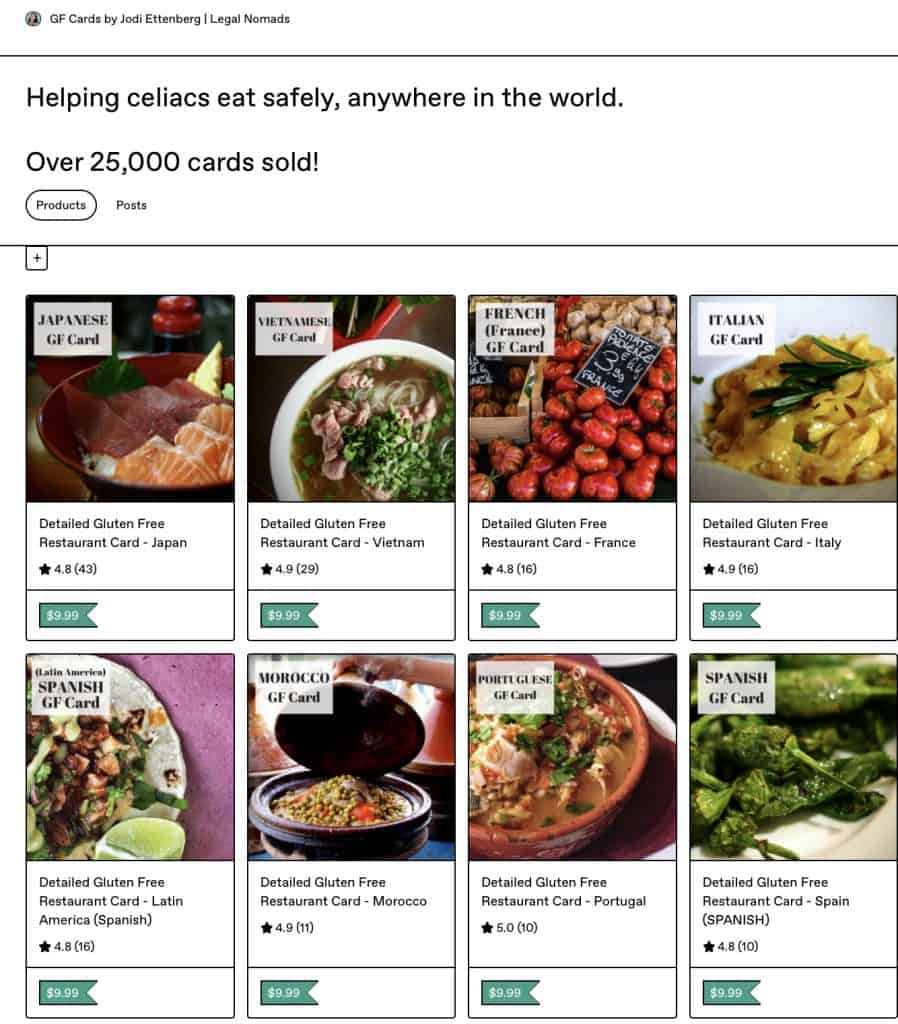
- Milestone Sales: The sale of the 25,000th celiac translation card. These cards provide precise, medically accurate explanations of the disease in local languages, designed to be understood by restaurant staff.
- Linguistic Expansion: The addition of three new languages—Khmer, Korean, and Croatian—bringing the total to 21 languages.
- New Regional Guides: The publication of comprehensive gluten-free travel guides for Cambodia and South Korea. These guides, often exceeding 5,000 words, provide a deep dive into local ingredients, street food safety, and regional dish analysis.
The sustainability of these efforts is supported by a Patreon community, which Ettenberg utilizes to share "overflow" research and personal updates that do not fit the broader "Legal Nomads" brand. This membership model provides a critical revenue stream, particularly as Ettenberg noted her ineligibility for disability benefits in Canada, highlighting the precarious financial position of many individuals living with "invisible" chronic illnesses.
Broader Implications: The "Expert Patient" and the Future of Remote Work
The achievements of Jodi Ettenberg in 2025 provide a significant data point for the discussion on the "expert patient" in modern medicine. As patients gain access to high-level medical literature and connect via digital communities, they are increasingly positioned to contribute to the field’s progress. Ettenberg’s integration of her "legal brain"—the analytical and administrative skills honed during her years in corporate law—into medical advocacy has allowed for a level of professionalization within the Spinal CSF Leak Foundation that is often difficult for volunteer-led organizations to achieve.

Furthermore, her ability to run a global business and lead a national foundation from bed highlights the transformative power of assistive technology and remote work infrastructure. While Ettenberg describes her physical existence as a "teeny tiny sliver" of her former life, her intellectual and professional footprint has expanded.
Conclusion and Future Outlook
Looking toward 2026, Ettenberg has indicated a desire to transition certain operational duties to the newly hired Executive Director to focus more on the creative and research-driven aspects of Legal Nomads. The "three lives" she describes—lawyer, traveler, and advocate—have converged into a specialized career that bridges the gap between patient experience and clinical research.
As 2025 concludes, the Legal Nomads community stands as a testament to the possibility of high-impact professional contribution despite severe physical limitations. The success of the SIH-RADS proposal and the continued expansion of celiac travel resources suggest that the "granularity" of a life lived in bed can still produce results with global reach. For the medical community, Ettenberg’s work remains a vital link in the effort to improve the diagnosis and treatment of spontaneous intracranial hypotension, a condition that remains under-researched but profoundly life-altering.