

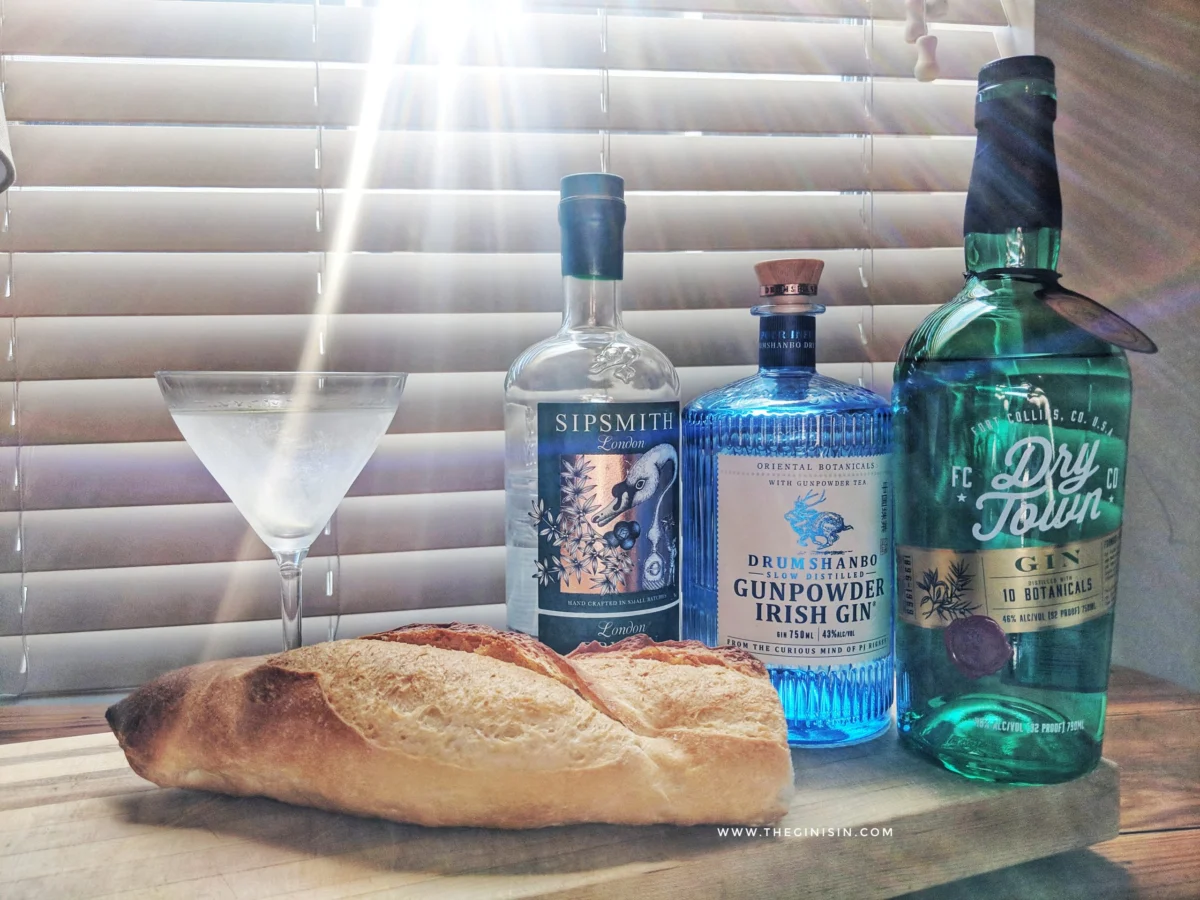
The fundamental scientific consensus regarding the production of distilled spirits confirms that gin, regardless of its base grain, is gluten-free and safe for consumption by individuals with celiac disease or non-celiac gluten sensitivity. This conclusion is supported by major health organizations, including the Celiac Disease Foundation and the National Institutes of Health, which emphasize that the distillation process effectively removes gluten proteins from the final product. While many gins are crafted using gluten-containing grains such as wheat, barley, or rye, the molecular transition from liquid to vapor during distillation ensures that the heavy gluten peptides remain in the boiling vessel, leaving the resulting spirit free of the proteins that trigger autoimmune responses.
The Scientific Mechanism of Distillation and Protein Removal
To understand why gin is safe for those on a gluten-free diet, one must examine the chemical process of distillation. Distillation is a method of separating mixtures based on differences in their volatilities in a boiling liquid mixture. In the production of gin, a base spirit is first created through fermentation. During fermentation, yeast consumes sugars derived from grains like red winter wheat, malted barley, or rye, producing ethanol and carbon dioxide as byproducts. At this stage, the fermented "wash" still contains gluten proteins.
However, the subsequent distillation process acts as a rigorous filtration system at the molecular level. Ethanol has a boiling point of approximately 173.1°F (78.37°C), while water boils at 212°F (100°C). Gluten, conversely, is a complex protein composite that is not volatile. It does not evaporate or turn into a gaseous state under the thermal conditions present in a still. When the fermented wash is heated, the ethanol and various aromatic compounds vaporize and travel through the still’s neck into a condenser. The gluten proteins, being too heavy and non-volatile to transition into steam, are left behind in the "pot" or the boiling vessel as part of the residual waste.
Research cited by the Celiac Disease Foundation indicates that gluten peptides are simply too large to carry over in the steam during distillation. The resulting distillate is a high-proof alcohol that is chemically devoid of gluten. Even when distillers use "botanical baskets" to infuse the spirit with juniper, coriander, and other herbs, these additives are typically gluten-free, further ensuring the integrity of the final product.
Regulatory Chronology and the Evolution of Labeling Standards
The journey toward official recognition of distilled spirits as gluten-free has been marked by significant regulatory milestones. For years, consumers were met with conflicting information regarding whether spirits derived from "forbidden grains" could truly be safe for celiacs.
In the early 2000s, the prevailing medical advice was often rooted in extreme caution, suggesting that individuals with celiac disease avoid any product derived from wheat, barley, or rye, regardless of processing. This changed as analytical testing became more sophisticated. By the mid-2010s, organizations like the Alcohol and Tobacco Tax and Trade Bureau (TTB) in the United States began re-evaluating their stance on labeling.
A pivotal moment occurred in August 2020, when the TTB issued a final ruling regarding gluten content statements on distilled spirits. The ruling clarified that spirits distilled from gluten-containing grains could be labeled as "gluten-free" provided that the distillation process followed good manufacturing practices to prevent cross-contamination. This ruling aligned the TTB with the Food and Drug Administration (FDA) standards, which define "gluten-free" as containing fewer than 20 parts per million (ppm) of gluten—a threshold considered safe for the vast majority of people with celiac disease.
This regulatory shift was supported by data from the University of Chicago Celiac Disease Center and other research institutions, which consistently found no detectable gluten in distilled liquors. The chronology of these findings has transformed gin from a "questionable" beverage into a staple of the gluten-free lifestyle.
Addressing Residual Symptoms and Misconceptions
Despite the scientific evidence, a segment of the population reports feeling ill after consuming gin. This has led to persistent myths about "gaseous gluten" or trace proteins surviving the still. However, medical experts point to several alternative explanations for these adverse reactions.
First and foremost, alcohol is a known gastrointestinal irritant. Ethanol can increase stomach acid production and delay gastric emptying, leading to symptoms such as bloating, abdominal pain, and nausea. These symptoms closely mimic a "glutening" episode, leading many consumers to falsely attribute their discomfort to the grain source of the gin rather than the alcohol itself.
Furthermore, the "hangover" effect or mild alcohol intolerance can cause systemic inflammation. In some cases, individuals may have a specific allergy to juniper or other botanicals used in the gin-making process, which is distinct from a gluten intolerance. There is also the risk of cross-contamination in a bar setting—for example, if a bartender handles garnishes or glassware near beer taps or bread products.
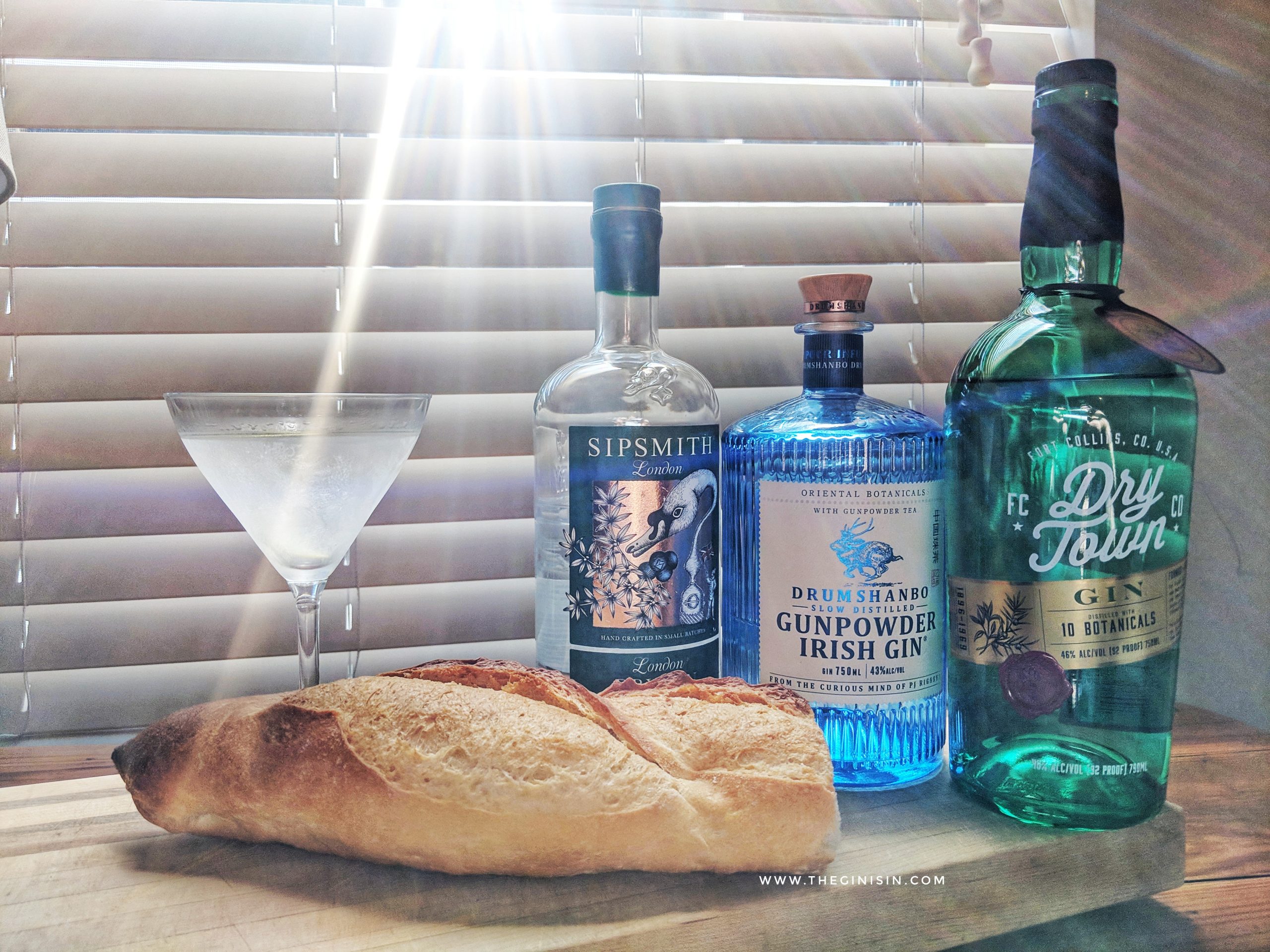
To mitigate these risks, health experts suggest that highly sensitive individuals opt for gins produced in dedicated facilities or those that use non-grain bases, such as potatoes, grapes, or honey. Brands like Cold River Gin (potato-based) or G’Vine (grape-based) offer an extra layer of psychological and physical security for those who remain skeptical of grain-derived spirits.
Industry Responses and Manufacturing Integrity
The spirits industry has responded to the rise in gluten-free demand with increased transparency. Many major distillers now provide detailed information regarding their base ingredients and distillation protocols.
In statements regarding production, industry leaders emphasize that the grain is merely a vehicle for flavor and alcohol production. Once the "hearts" of the distillate are collected, the spent grain—often referred to as "distillers’ grains"—is removed from the facility. This byproduct is frequently sold to local farms as high-protein livestock feed for pigs and cattle, illustrating a circular economy where the gluten-heavy solids are repurposed far away from the bottling line.
Distillers also highlight the role of "heads" and "tails" in the process. The first part of the distillate (the heads) and the last part (the tails) are often discarded or recycled because they contain impurities and off-flavors. This selective collection further ensures that the "heart" of the gin is as pure as possible.
Comparative Data: Gin vs. Other Beverages
To provide context, it is helpful to compare gin’s gluten status with other alcoholic beverages.
| Beverage Type | Base Ingredient | Process | Gluten Status |
|---|---|---|---|
| Traditional Beer | Barley/Wheat | Fermentation only | Contains Gluten |
| Gluten-Removed Beer | Barley | Fermentation + Enzymes | Controversial/Risk |
| Cider | Apples/Fruit | Fermentation only | Naturally Gluten-Free |
| Wine | Grapes | Fermentation only | Naturally Gluten-Free |
| Gin | Wheat/Barley/Rye | Fermentation + Distillation | Gluten-Free |
| Vodka | Grain/Potato | Fermentation + Distillation | Gluten-Free |
Data shows that while "gluten-removed" beers often contain fragments of gluten that can still trigger reactions in sensitive individuals, distilled gin does not contain these fragments because the protein is entirely absent from the vapor phase.
Broader Implications for the Spirits Market
The confirmation of gin’s gluten-free status has had a significant impact on the global spirits market. As the "wellness" trend continues to influence consumer behavior, gin has seen a resurgence in popularity, partly due to its perception as a "cleaner" spirit. The botanical nature of gin, combined with its lack of gluten, aligns with the dietary preferences of a growing demographic of health-conscious drinkers.
Market analysis suggests that the gluten-free claim is a powerful marketing tool. Even though all distilled gin is technically gluten-free, brands that explicitly label their products as such often see higher engagement from the celiac community. This has prompted a wave of "certified gluten-free" spirits, providing third-party verification that goes beyond standard regulatory requirements.
However, the industry faces a challenge in education. The persistence of misinformation on social media and unverified health blogs continues to create doubt among consumers. Experts argue that the responsibility lies with both distillers and health educators to reinforce the science of distillation.
Conclusion: A Safe Choice for the Gluten-Free Consumer
The evidence is categorical: gin is gluten-free. The physical laws of chemistry ensure that the distillation process acts as an absolute barrier to gluten proteins. For the millions of individuals living with celiac disease, this means that gin—whether distilled from wheat, barley, or rye—remains a safe and viable option for social consumption.
While individual sensitivities to alcohol or specific botanicals can occur, they should not be confused with a gluten reaction. By understanding the science of the still and the rigorous standards of modern distillation, consumers can make informed choices, moving past the myths of "gaseous gluten" toward a factual understanding of their dietary landscape. As the spirits industry continues to evolve, the clarity provided by health organizations and regulatory bodies ensures that gin remains a staple of the gluten-free repertoire.
