

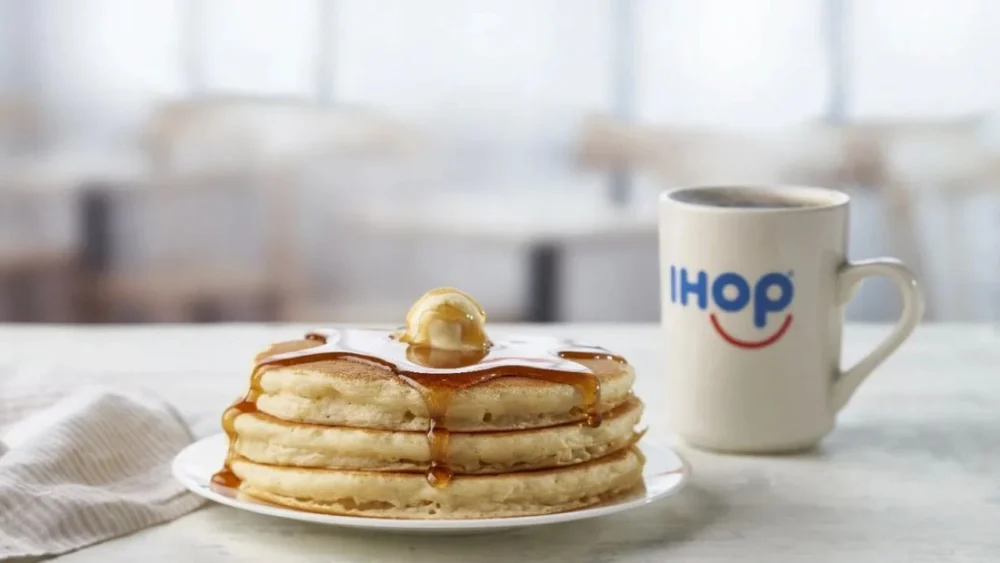
IHOP, the iconic International House of Pancakes, is strategically expanding its market presence by aggressively promoting its catering services and capitalizing on the growing trend of consumers enjoying breakfast items throughout the day. This multifaceted approach, spearheaded by IHOP President Lawrence Kim, aims to leverage the brand’s core strengths in breakfast fare and extend its reach beyond traditional meal times and dining formats. The company’s focus on off-premise dining, including delivery and catering, has already proven to be a significant growth driver, and IHOP is now doubling down on these channels to unlock new revenue streams and solidify its position in a competitive landscape.
Breakfast Beyond Brunch: A Shifting Consumer Landscape
The traditional perception of breakfast as a morning-only meal is rapidly evolving, with consumers increasingly embracing pancakes, waffles, and omelets as satisfying options at any hour. Lawrence Kim highlighted this pivotal shift during his recent address at the UBS Global Consumer and Retail Conference, stating, "Sixty to 70% of all items ordered during any part of the day are breakfast-specific items, and so that’s opened up the aperture, especially when you look at delivery and off-premise – all those different channels and accessibility have made breakfast items successful and relevant for all parts of the day." This observation underscores a fundamental change in consumer behavior, where the appeal of familiar and comforting breakfast dishes transcends typical meal boundaries.
This evolving consumer preference has a direct impact on the restaurant industry. A study by Technomic in 2023 indicated that nearly half of consumers surveyed were interested in breakfast items for lunch or dinner. This growing demand for "all-day breakfast" provides a fertile ground for brands like IHOP, which are intrinsically linked to these popular menu categories. The pandemic further accelerated this trend, normalizing the consumption of comfort foods and diverse meal options at various times, making IHOP’s core offerings more versatile than ever.
Off-Premise Dominance: A Foundation for Expansion
IHOP’s strategic pivot towards off-premise dining has yielded substantial results, demonstrating its adaptability to changing market dynamics. In the fourth quarter of the previous fiscal year, off-premise sales saw a commendable increase of over 5% year-over-year, now constituting a significant 21% of the brand’s total revenue. This robust performance has not only bolstered IHOP’s financial standing but has also created a more expansive platform for future growth initiatives.
The surge in off-premise orders has naturally led to an amplification of delivery promotions. IHOP has planned a 15% increase in delivery promotions for the current quarter compared to the previous one, signaling a commitment to further incentivize and capture market share in this crucial segment. This intensified promotional activity is designed to attract new customers and foster loyalty among existing ones, ensuring IHOP remains top-of-mind for convenient and satisfying meal solutions delivered directly to consumers’ doors.
The Catering Catalyst: Unlocking New Markets
Beyond individual deliveries, IHOP is recognizing a significant untapped potential within its catering channel. Kim expressed his enthusiasm for this segment, noting, "When I take IHOP catering to events, it is such a huge hit because it is so distinctive, it is so different." The unique appeal of IHOP’s breakfast-centric menu, when brought to corporate events, social gatherings, or educational institutions, offers a refreshing departure from standard catering options.
To capitalize on this burgeoning demand, IHOP undertook a comprehensive review of its catering platform last year. This initiative resulted in the development of proprietary, user-friendly packaging designed to maintain the quality and presentation of its iconic dishes during transport. Furthermore, the brand has equipped its franchisees with localized marketing toolkits, specifically designed to target potential catering clients such as hotels, conference centers, and schools. "We’re working with our franchisees now to deploy these catering kits… and we’re really excited because this has a lot of upside potential this year and beyond," Kim stated, underscoring the strategic importance of this channel for future revenue growth.
The catering market itself is a substantial and growing sector. According to industry reports, the global catering market is projected to reach over $100 billion by 2027, driven by an increasing demand for convenient and high-quality food services for various events. IHOP’s foray into this market, with its recognizable brand and unique menu, positions it to capture a significant slice of this expanding pie. The company’s investment in specialized packaging and marketing support for franchisees reflects a strategic understanding of the operational and promotional needs required for success in the catering business.
Late-Night Revolution: Embracing the After-Hours Crowd
In addition to expanding its catering footprint, IHOP is strategically targeting the late-night dining segment, a daypart often overlooked by traditional breakfast establishments. Kim observed a consistent pattern during his nationwide tours of IHOP restaurants: "I see restaurants crowded with students, people coming from their night shifts, and what you see them ordering are breakfast items." This observation highlights a clear demand for IHOP’s offerings during unconventional hours, presenting a valuable opportunity to differentiate the brand and capture a loyal customer base.
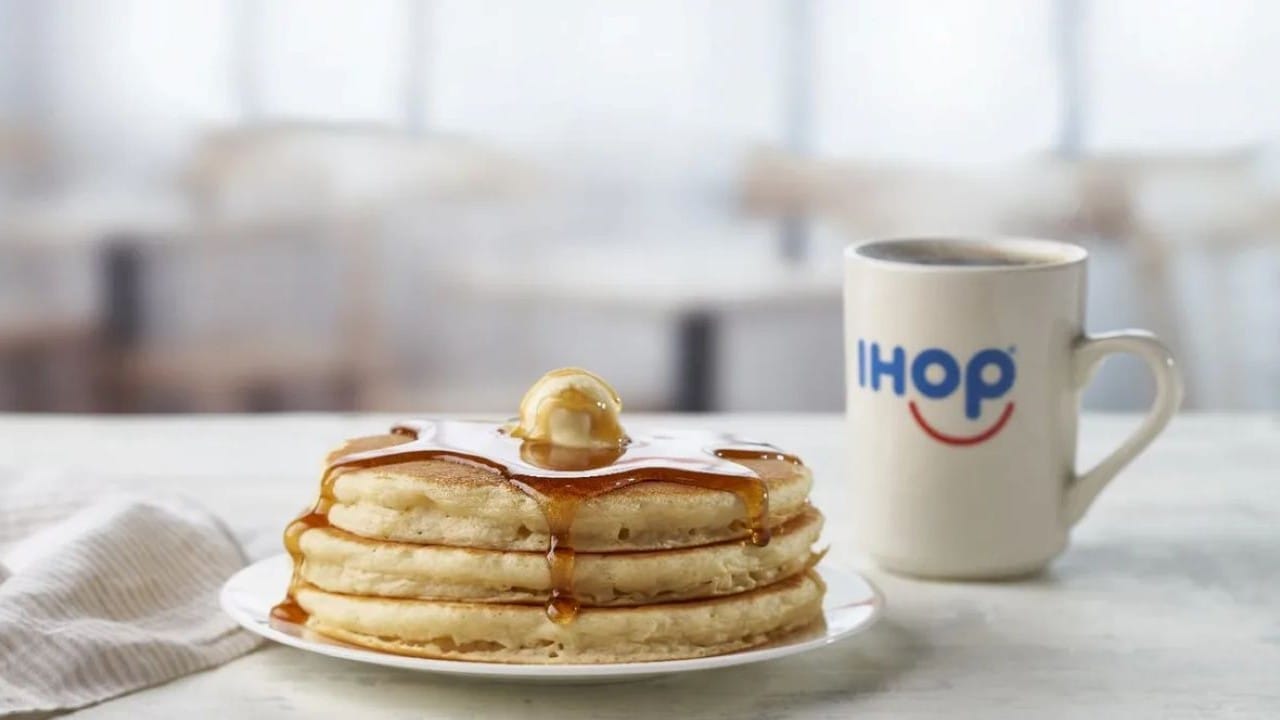
The company’s vision extends beyond simply being open late; it aims to create a distinct and appealing niche within the late-night market. This involves tailoring marketing messages and potentially menu adaptations to cater to the specific needs and preferences of this demographic. By actively promoting its late-night presence, IHOP seeks to become the go-to destination for those seeking a comforting and satisfying meal after dark, whether they are students studying late, professionals finishing night shifts, or individuals simply craving breakfast fare outside of typical meal times.
The late-night dining sector, while often associated with fast-food and pizza delivery, is ripe for disruption. Consumers are increasingly seeking diverse and appealing options for after-hours consumption. IHOP’s established reputation for breakfast, combined with its potential to offer a more substantial and sit-down experience than many competitors, could prove highly attractive. This strategic focus on late-night dining not only diversifies IHOP’s revenue streams but also enhances its brand visibility and accessibility throughout the 24-hour cycle.
Marketing Momentum: Speed, Culture, and Engagement
A critical component of IHOP’s expansion strategy is a heightened focus on marketing, particularly in leveraging digital platforms and social media. The parent company, Dine Brands, has made significant strides by bringing its social media teams in-house, a move that allows both IHOP and its sister brand, Applebee’s, to "act and react at the speed of culture." This agility is crucial in today’s rapidly evolving digital landscape, where trends and consumer sentiments can shift in an instant.
This strategic shift in marketing operations has already yielded tangible results. A prime example is IHOP’s successful integration of "Mr. Fantasy," a popular social media influencer, into its National Pancake Day promotion in early March. Kim elaborated on this initiative: "We realized he was gaining a lot of traction in the space, and especially with Gen Z, so we quickly connected with the creative custom content and tied him in with National Pancake Day." The impact was profound, with engagements in 2025 showing a nearly fourfold increase compared to 2024, a momentum that has continued into the current year. "Our engagements in 2025 were almost four times (higher than 2024) and that momentum continues into 2026, because we have an in-house team that reacts at the speed of culture," Kim affirmed.
The company is also optimizing its marketing spend by consolidating marketing windows throughout the year, a strategy mirrored by Applebee’s. This approach aims to create more impactful and sustained "mass awareness" campaigns rather than fragmented promotional efforts. "We’ve also optimized our production dollars, meaning we’ve taken the savings from there and applied it to working media," Kim explained. This reallocation has resulted in a 15% increase in "working media" dollars, which translates to greater visibility, broader reach, and more efficient media buys. "We’ve had 15% more dollars in working media, which means greater awareness, greater number of eyeballs, better buys across scale. And ultimately, that drives not just top of mind, but of course, traffic," he added. This data-driven approach to marketing ensures that resources are deployed effectively to maximize brand exposure and drive customer traffic, both online and in-store.
Loyalty Programs: Cultivating Enduring Guest Relationships
In parallel with its marketing and expansion initiatives, IHOP is committed to nurturing its loyal customer base through its robust loyalty program. The program currently boasts approximately 12.5 million members, marking a significant 23% increase year-over-year. This substantial growth highlights the program’s effectiveness in attracting and retaining customers.
Recognizing the continued potential within the loyalty segment, IHOP is actively exploring the "next evolution" of its program in collaboration with its franchisees. Kim emphasized the company’s dedication to this endeavor: "We’re going to continue to drive the platform and create that stronger connection with the guests and loyalty users." The focus is on enhancing the value proposition for members, offering more personalized rewards, exclusive experiences, and seamless integration across all service channels. By strengthening the bond with its most frequent customers, IHOP aims to foster enduring relationships that translate into sustained revenue and brand advocacy. The ongoing evaluation of loyalty program enhancements reflects a forward-thinking approach, ensuring that IHOP remains competitive in retaining and growing its most valuable customer segment.
Broader Implications and Future Outlook
IHOP’s strategic initiatives signal a clear intention to evolve beyond its traditional role as a breakfast diner. By embracing the all-day appeal of its core offerings, aggressively pursuing catering opportunities, and carving out a niche in the late-night market, the company is positioning itself for diversified growth. The integration of agile marketing practices and the continued cultivation of its loyalty program further reinforce this ambitious agenda.
The success of these strategies will hinge on IHOP’s ability to effectively execute its plans at the franchisee level, ensuring consistent brand experience across all touchpoints. The brand’s strong recognition and beloved menu items provide a solid foundation, but sustained innovation and adaptation to consumer trends will be paramount. As IHOP continues to expand its reach through catering and late-night services, and as it refines its marketing and loyalty strategies, it is poised to solidify its position not just as a breakfast leader, but as a versatile and relevant dining destination for consumers across all dayparts and occasions. The coming years will likely see IHOP further leverage its brand equity to capture new market segments and enhance its overall competitive standing in the dynamic restaurant industry.