

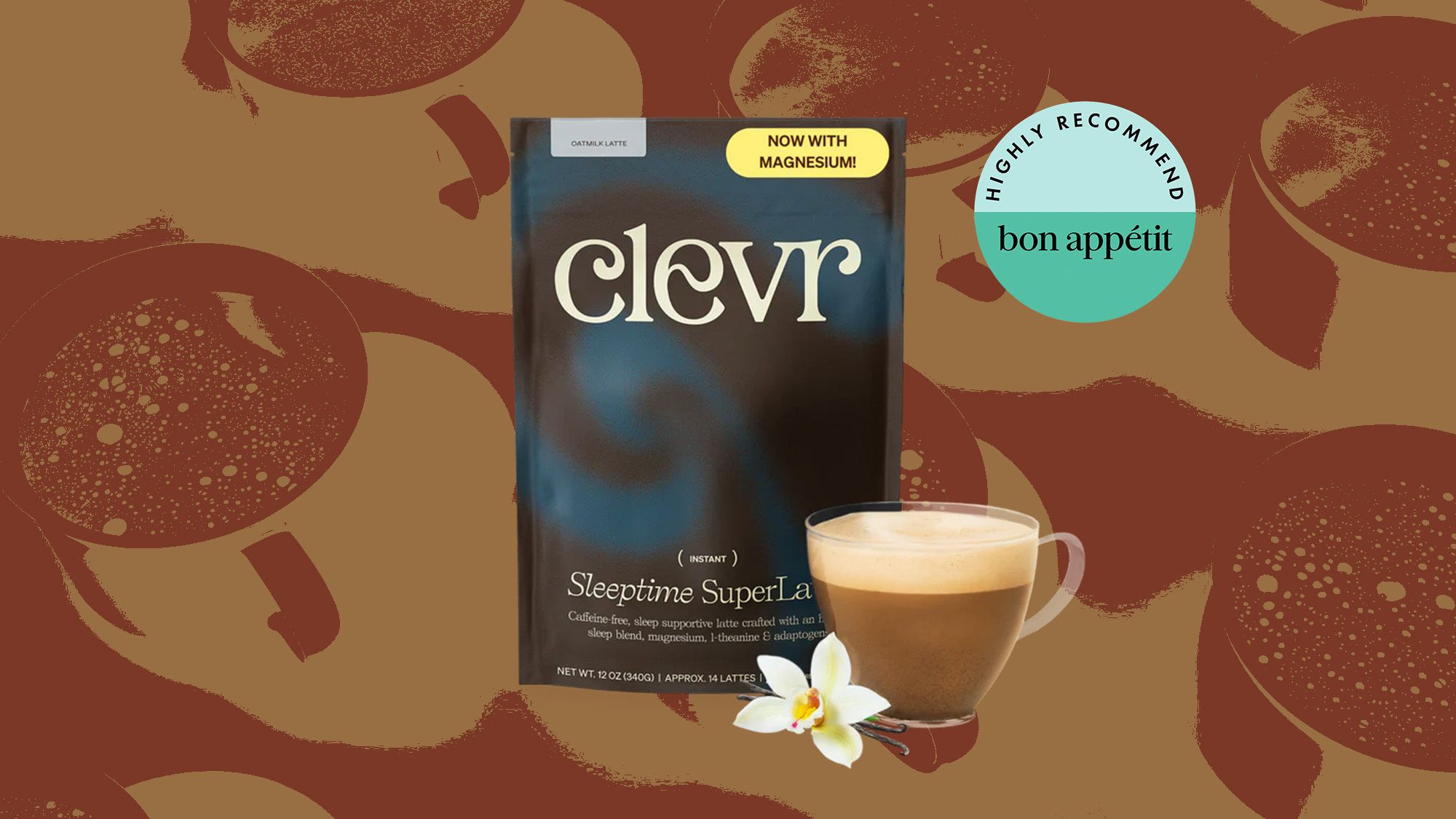
The increasing prevalence of sleep disturbances in modern society has fueled a burgeoning market for innovative solutions, with functional beverages emerging as a notable contender. Among these, the Clevr Blends Sleeptime SuperLatte has garnered attention for its unique formulation and reported efficacy in promoting restful sleep. Initially met with the skepticism often reserved for powdered supplements and wellness additives, a recent evaluation of this product indicates a significant potential to enhance sleep quality, prompting a deeper investigation into its ingredients and the broader context of natural sleep aids.
The Rising Tide of Functional Beverages and the Global Sleep Crisis
The global functional beverage market, valued at approximately $139.7 billion in 2022, is projected to grow substantially, driven by increasing consumer awareness of health and wellness. Within this expansive sector, sleep-enhancing products represent a rapidly expanding niche. This growth coincides with a global sleep crisis; estimates suggest that between 30% and 48% of adults worldwide experience insomnia symptoms, while approximately 10-15% suffer from chronic insomnia. Factors such as chronic stress, digital device overuse, irregular work schedules, and a general disconnect from natural circadian rhythms contribute significantly to this widespread issue. Consumers are increasingly seeking non-pharmacological interventions that integrate seamlessly into daily routines, leading to a surge in demand for products like specialized lattes, teas, and tinctures that promise improved rest.
Historically, sleep aids have ranged from traditional herbal remedies to over-the-counter supplements like melatonin and prescription sedatives. However, a growing segment of consumers expresses preference for "clean label" products that utilize natural ingredients and avoid synthetic compounds or potential side effects associated with pharmaceutical options. This shift has propelled adaptogens and specific minerals to the forefront of the wellness industry, positioning products like the Clevr Blends Sleeptime SuperLatte as attractive alternatives.
A Deeper Look at Clevr Blends Sleeptime SuperLatte
The Clevr Blends Sleeptime SuperLatte is formulated as an instant powdered beverage designed to be consumed prior to bedtime. Its ingredient profile includes a blend of magnesium glycinate, renowned adaptogens such as ashwagandha and reishi mushroom, and a synergistic herbal mix featuring passionflower, valerian root, and hops. This combination is intended to address multiple pathways involved in sleep regulation, from stress reduction to neurotransmitter modulation. The product’s appeal also lies in its palatable delivery, distinguishing it from many other powdered supplements often criticized for undesirable flavors.
Key Ingredients and Their Scientific Backing
The efficacy of the Sleeptime SuperLatte is largely attributed to its carefully selected components, each with a history of traditional use and a growing body of scientific research supporting its role in promoting relaxation and sleep.
-
Magnesium Glycinate: Magnesium is an essential mineral involved in over 300 biochemical reactions in the body, including those critical for nerve and muscle function, blood glucose control, and blood pressure regulation. Specifically, magnesium plays a crucial role in regulating neurotransmitters and hormones that modulate sleep. It contributes to the activation of the parasympathetic nervous system, responsible for calming the body, and helps regulate melatonin production, the hormone that guides the sleep-wake cycle. Magnesium glycinate, a chelated form of magnesium, is often favored for its high bioavailability and gentle effect on the digestive system, reducing the likelihood of gastrointestinal upset sometimes associated with other magnesium forms. Studies indicate that many Americans do not consume adequate amounts of magnesium through their diet, making supplementation a potentially beneficial intervention for sleep quality. Dietary sources include pumpkin seeds, almonds, spinach, and dark chocolate.
-
Ashwagandha (Withania somnifera): This ancient adaptogenic herb, prominent in Ayurvedic medicine, is celebrated for its stress-reducing properties. Ashwagandha works by modulating the body’s response to stress, particularly by helping to regulate cortisol levels, the primary stress hormone. Chronic stress is a significant impediment to restful sleep, and by mitigating stress, ashwagandha can facilitate a smoother transition to sleep and improve overall sleep architecture. Research suggests that ashwagandha may enhance sleep quality and reduce sleep onset latency in individuals with insomnia. Its active compounds, called withanolides, are believed to contribute to its adaptogenic and anxiolytic effects.
-
Reishi Mushroom (Ganoderma lucidum): Known as the "mushroom of immortality" in traditional Chinese medicine, reishi is another powerful adaptogen included for its potential calming effects. While not a sedative, reishi is thought to support the body’s ability to cope with stress and promote a state of balance. Some studies suggest reishi may improve sleep duration and latency by influencing certain receptors and pathways in the brain related to sleep. Its triterpenes and polysaccharides are key bioactive compounds believed to contribute to its health benefits, including immunomodulatory and neuroprotective properties.
-
Passionflower (Passiflora incarnata): This botanical has a long history of use as a traditional sedative and anxiolytic. Passionflower is believed to exert its effects by increasing levels of gamma-aminobutyric acid (GABA) in the brain. GABA is a neurotransmitter that reduces brain activity, helping the body and mind to relax. This reduction in neural excitability can make it easier to fall asleep and stay asleep. Clinical trials have indicated that passionflower can be effective in alleviating symptoms of anxiety and improving sleep quality, particularly for individuals experiencing mild sleep disturbances.
-
Valerian Root (Valeriana officinalis): Valerian root is perhaps one of the most widely recognized herbal sleep aids. Like passionflower, valerian is thought to increase GABA levels in the brain, producing a calming effect. It has been used for centuries to treat insomnia, anxiety, and nervousness. While its exact mechanism is complex and not fully understood, research supports its utility in reducing the time it takes to fall asleep and improving sleep quality. It is often recommended for short-term use for sleep problems.
-
Hops (Humulus lupulus): Best known as a key ingredient in beer, hops also possess sedative properties. The bitter acids and volatile oils found in hops, particularly compounds like 2-methyl-3-buten-2-ol, contribute to its calming effects. Hops are often used in combination with valerian root to enhance their synergistic sleep-promoting benefits. They are believed to act on GABA receptors and reduce central nervous system activity, facilitating relaxation and sleep induction.
-
L-Theanine: An amino acid commonly found in green tea, L-theanine is known for its ability to promote relaxation without causing drowsiness. It works by increasing alpha wave activity in the brain, which is associated with a state of relaxed alertness, and by influencing neurotransmitters like GABA, serotonin, and dopamine. While not a direct sedative, L-theanine can reduce stress and anxiety, thereby creating a more conducive state for sleep.
Expert Perspectives on Efficacy and Safety

Kristy Del Coro, a registered dietitian and culinary nutritionist, has affirmed the scientific basis for many of the ingredients found in the Clevr Blends Sleeptime SuperLatte. Her assessment highlights magnesium bisglycinate, valerian root extract powder, L-theanine, passionflower extract, and hops as components with research supporting their links to improved sleep. Del Coro’s insights underscore the nutritional deficiency of magnesium in many American diets, further validating its inclusion in a sleep-supportive formula.
From a broader nutritional perspective, experts emphasize that while supplements can play a role, they are most effective when integrated into a holistic approach to sleep hygiene. This includes maintaining a consistent sleep schedule, creating a dark and quiet sleep environment, limiting screen time before bed, and managing stress through practices like mindfulness or meditation. Dietitians also stress the importance of obtaining nutrients from whole foods where possible, noting that magnesium can be sourced from pumpkin seeds, almonds, and spinach, and L-theanine from green tea. However, they acknowledge the convenience and targeted delivery offered by functional beverages like the Sleeptime SuperLatte.
Regulatory oversight for dietary supplements varies globally, and consumers are advised to choose reputable brands that conduct third-party testing for purity and potency. While the ingredients in the Sleeptime SuperLatte are generally recognized as safe for most individuals, pregnant or nursing women, individuals with underlying health conditions, or those taking medications should consult a healthcare professional before incorporating new supplements into their routine.
The Experience: From Preparation to Rest
The user experience with the Sleeptime SuperLatte has been consistently described as a positive and notably effective intervention for sleep quality. Typically, consumption occurs 30 to 60 minutes before the intended bedtime, following the completion of daily tasks. The preparation involves simply mixing the light brown powder with hot water. Within approximately 15 minutes of ingestion, users report a noticeable increase in feelings of relaxation. This is often followed by a rapid onset of sleep, frequently within 10 minutes of lying down. Critically, users report sustaining sleep for extended periods, often until their natural wake-up time, provided there are no external interruptions. Data collected from personal sleep tracking devices, such as Garmin watches, has corroborated these anecdotal reports, showing an improvement in average sleep scores from "fair" to "good." This objective data provides a quantitative measure to support the subjective experience of enhanced restfulness.
Taste Profile and Consumer Appeal
A significant differentiator for the Clevr Blends Sleeptime SuperLatte, particularly in a market often plagued by unpalatable health products, is its agreeable flavor profile. The latte is frequently described as possessing a mellow, nutty hot cocoa taste. This flavor is achieved through a blend of oat milk, coconut milk, chicory, and carob, which contribute to its creamy texture and earthy notes. While the product does contain monk fruit, a sweetener often associated with off-putting aftertastes in protein powders, its flavor profile in the Sleeptime SuperLatte is reportedly well-masked by the richness and creaminess of the other ingredients. This palatability is crucial for consistent consumer adoption, as taste is a primary driver for repeat purchase in the beverage market. The ability to deliver effective functional ingredients in an enjoyable format significantly enhances its appeal and likelihood of sustained use.
Lifestyle Implications: Replacing Evening Alcohol
Beyond its direct sleep-promoting effects, the Sleeptime SuperLatte offers an additional, significant health benefit: serving as a desirable alternative to evening alcoholic beverages. Many individuals habitually consume alcohol—such as a glass of wine, beer, or a cocktail—as a means of unwinding after a long day or once children are in bed. However, as Kristy Del Coro highlights, while alcohol may initially induce sleep faster, it fundamentally disrupts sleep architecture, leading to more fragmented sleep and critically, suppressing Rapid Eye Movement (REM) sleep. REM sleep is vital for cognitive functions, memory consolidation, and emotional regulation. By replacing alcohol with a sleep-enhancing latte, individuals can avoid these detrimental effects, fostering a genuinely restorative sleep cycle. Anecdotal evidence from users strongly supports this, with reports of superior sleep quality on nights when the latte is consumed versus nights involving alcohol, irrespective of other variables. This shift represents a positive lifestyle modification, contributing to overall health and well-being beyond just sleep.
Broader Context: The Quest for Quality Sleep
The growing demand for products like the Clevr Blends Sleeptime SuperLatte underscores a societal recognition of sleep as a foundational pillar of health, alongside diet and exercise. Chronic sleep deprivation is linked to a myriad of health issues, including increased risk of cardiovascular disease, diabetes, obesity, compromised immune function, and mental health disorders such as depression and anxiety. Consequently, the holistic approach to sleep hygiene is gaining traction, emphasizing environmental, behavioral, and dietary strategies. Functional beverages fit into this framework by offering a convenient and pleasant way to incorporate sleep-supportive nutrients and botanicals.
Market Dynamics and Future Outlook
The success of products like the Sleeptime SuperLatte points to several key trends in the wellness market. Consumers are increasingly proactive about their health, seeking preventative and supportive solutions. There is a growing trust in plant-based and natural ingredients, often leveraging ancient wisdom combined with modern scientific validation. The "drinkable wellness" category is poised for continued innovation, with companies exploring novel ingredient combinations, delivery formats, and personalized nutrition approaches.
However, the functional beverage sector also faces challenges, including the need for robust scientific substantiation for health claims, navigating complex regulatory landscapes for supplements, and ensuring consumer education to manage expectations realistically. As research into adaptogens and other natural compounds continues to evolve, the understanding of their precise mechanisms and optimal dosages will deepen, leading to more refined and effective products. The market is likely to see further segmentation, with highly targeted formulations addressing specific health concerns, from sleep and stress to cognitive function and immunity.
Conclusion
The journey from initial skepticism to endorsement of the Clevr Blends Sleeptime SuperLatte reflects a broader narrative in the health and wellness industry: the increasing acceptance of scientifically backed natural solutions for prevalent health issues. By combining well-researched ingredients like magnesium glycinate, ashwagandha, reishi, passionflower, valerian root, and hops in a palatable format, this product offers a compelling option for individuals seeking to improve their sleep quality. Its ability to serve as a healthy alternative to evening alcohol further amplifies its positive impact on overall well-being. As the quest for restorative sleep intensifies, such innovative functional beverages are poised to play an increasingly significant role in supporting a healthier, more rested population, one sip at a time.