

FAT Brands, the parent company of popular restaurant chains including Fazoli’s and Round Table Pizza, is currently navigating a turbulent period characterized by ongoing Chapter 11 bankruptcy proceedings and escalating demands from its bondholders. Investors, spearheaded by the Ad Hoc Group of Securitization Noteholders, have intensified their pressure on the company, seeking to depose key executives, including CEO Andy Wiederhorn, and demanding extensive document production. These demands stem from lingering concerns and past allegations of misconduct, which have cast a shadow over the company’s financial stability and its path toward restructuring.
The legal maneuverings come as FAT Brands attempts to stabilize its operations following a significant financial acceleration event. In late 2023, UMB Bank, acting as indenture trustee, declared FAT Brands’ substantial $1.26 billion in debt immediately due. At the time, the company publicly stated its lack of sufficient liquidity to meet these obligations, explicitly warning of a potential bankruptcy filing. This declaration set the stage for the subsequent Chapter 11 petition, filed on January 27th in the Southern District of Texas, marking a critical juncture for the multi-brand restaurant operator.
Investor Demands and Company Rebuttals
The Ad Hoc Group’s pursuit of depositions and document production is rooted in a desire to thoroughly scrutinize the company’s financial dealings and management practices. Their formal request, filed with the court, signifies a proactive effort by bondholders to gain a deeper understanding of the circumstances leading to the bankruptcy and to ensure that the restructuring process is conducted with maximum transparency and accountability. The inclusion of CEO Andy Wiederhorn in their deposition requests underscores the bondholders’ focus on leadership’s role in the company’s financial trajectory.
FAT Brands, however, has strongly contested these demands. In a formal objection response, the company has characterized the requests as "burdensome and irrelevant" to the core objectives of the Chapter 11 proceedings. The company’s defense hinges on the argument that investors were fully aware of the inherent risks associated with their investment in FAT Brands. The company’s legal team has pointed out that bondholders "chose to remain invested in the debtors for many years, and never terminated the managers" despite possessing the contractual right to do so. This defense suggests that the current financial distress, while significant, should not be viewed as an entirely unforeseen outcome by those who have held the company’s debt.
A History of Legal and Financial Challenges
The current bankruptcy proceedings are not occurring in a vacuum. FAT Brands has a recent history marked by significant legal entanglements that have undoubtedly impacted its financial health and operational capacity. Most notably, the company and its CEO, Andy Wiederhorn, recently emerged from a protracted three-year federal criminal investigation. This investigation, which concluded in July of the previous year, centered on allegations of fraud and money laundering. While the criminal charges were ultimately dropped in Wiederhorn’s favor, the extensive legal scrutiny and associated costs placed considerable strain on FAT Brands’ financial resources. The investigation forced the company to explore various avenues, including potential asset sales and financing arrangements, to manage its liabilities and maintain operational continuity.
Adding to the ongoing legal complexities, a civil case initiated by the U.S. Securities and Exchange Commission (SEC) against Andy Wiederhorn remains active. FAT Brands acknowledges this ongoing SEC investigation in its recent court filings, highlighting its potential implications for the restructuring process. The company’s filings articulate a concern that the Ad Hoc Group’s deposition demands might be an attempt to "reopen and relitigate" issues already addressed or to "attempt to establish some wrongdoing on Mr. Wiederhorn’s part." FAT Brands argues that such actions are not in the "debtors’ interest" and could "risk disrupting this favorable process," implying a desire to move forward with the bankruptcy proceedings without further entanglement in prior investigations.
Previous Investor Actions and Court Rulings
This is not the first instance of the Ad Hoc Group challenging FAT Brands’ actions during the bankruptcy proceedings. In a significant move last month, the investor group filed a lawsuit seeking the immediate temporary suspension of CEO Andy Wiederhorn without pay. The lawsuit alleged that Wiederhorn had violated bankruptcy rules by authorizing the sale of 9 million shares of Twin Peaks equity to White Lion Capital without the necessary court approval.
FAT Brands acknowledged the transaction but characterized it as an inadvertent "mistake." The company vehemently opposed the emergency motion to suspend its CEO, branding it a "personal attack." Ultimately, the bankruptcy court sided with FAT Brands, denying the investor group’s request for suspension. This ruling suggests that, at least on this particular occasion, the court found the company’s explanation and defense sufficient to dismiss the bondholders’ aggressive action. However, the incident underscores the deep-seated friction between the bondholders and FAT Brands’ management.
Operational Realities: Restaurant Closures Amidst Restructuring
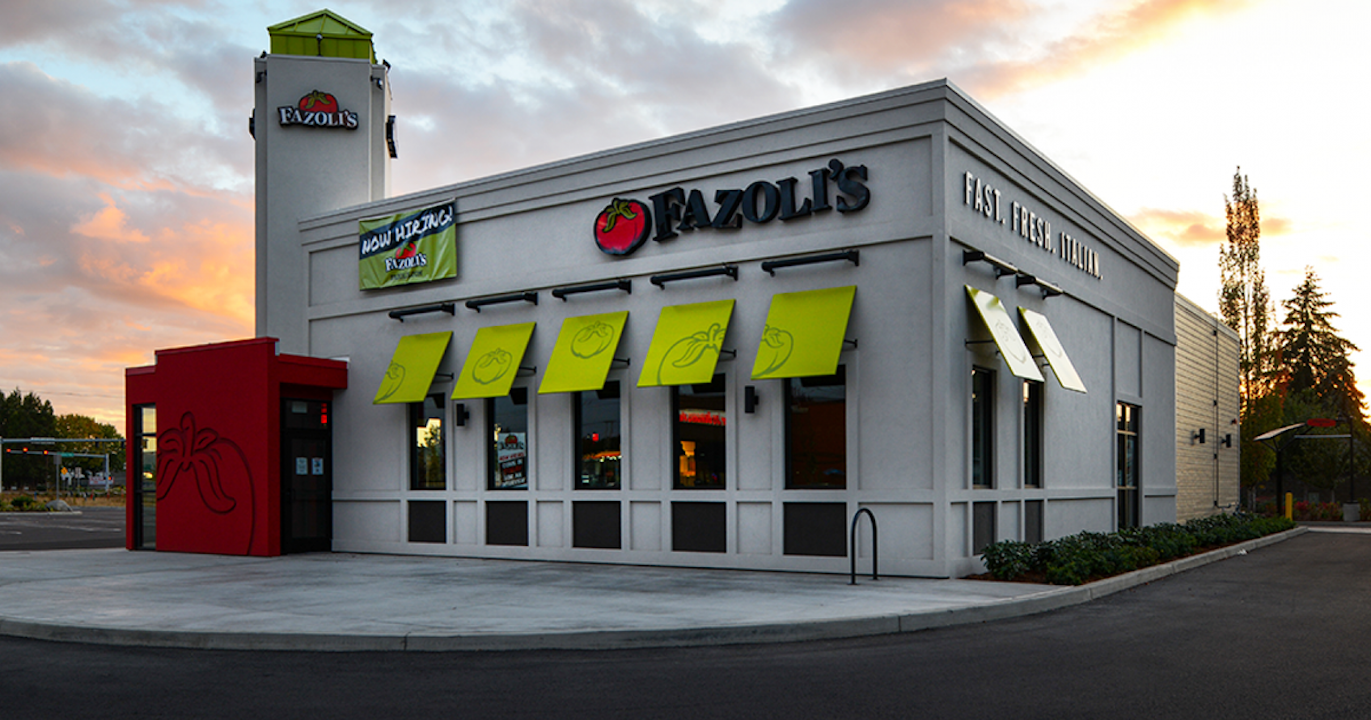
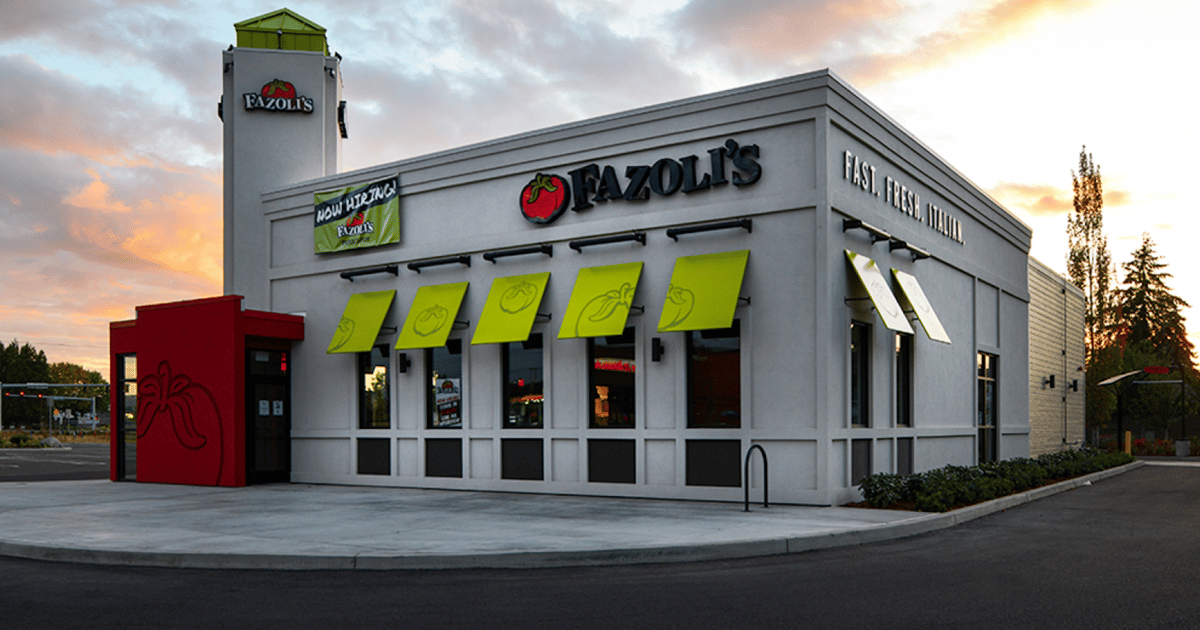
While the legal and financial battles rage in court, the operational realities for FAT Brands’ portfolio of restaurants are also being shaped by the company’s financial straits. The company has confirmed the closure of 12 corporate-owned Fazoli’s restaurants. These closures are situated across Kentucky and Michigan, representing a tangible impact on local employment and consumer access to the brand.
A spokesperson for FAT Brands provided context for these closures, stating they are "part of ongoing evaluation of locations, financial performance, and overall brand strategy." The company emphasizes that these closures "do not reflect the company’s overall growth strategy." To support this claim, the spokesperson highlighted an ambitious development pipeline, projecting the opening of approximately 75 to 100 new restaurants within the current year and maintaining a robust development pipeline that encompasses an estimated 1,000 units. This forward-looking statement aims to reassure stakeholders that despite the current challenges, FAT Brands remains committed to expansion and long-term growth.
Broader Implications and Future Outlook
The ongoing legal and financial challenges faced by FAT Brands have significant implications for its various stakeholders, including employees, franchisees, creditors, and consumers. The outcome of the March 11th hearing, where the court will weigh the arguments from both FAT Brands and the Ad Hoc Group regarding the deposition demands, is poised to significantly influence the direction and pace of the bankruptcy proceedings. A ruling in favor of the bondholders could lead to a more intensive examination of the company’s affairs, potentially uncovering further issues or leading to leadership changes. Conversely, a ruling that upholds FAT Brands’ objections could allow the company to proceed with its restructuring plan with fewer external impediments.
The situation at FAT Brands is emblematic of broader trends within the restaurant industry, particularly for multi-brand operators. The sector is highly sensitive to economic fluctuations, consumer spending habits, and operational costs. Companies with significant debt burdens, especially those accumulated during periods of aggressive expansion or acquisition, can find themselves vulnerable when economic conditions shift. The interplay between financial leverage, operational performance, and legal scrutiny creates a complex ecosystem where companies must constantly adapt to survive.
The precedent set by FAT Brands’ restructuring and the bondholders’ assertive actions could also inform future dealings between distressed companies and their creditors. The bondholders’ willingness to pursue aggressive legal strategies, including demanding executive depositions and filing lawsuits, reflects a growing trend of investor activism in bankruptcy cases. This suggests that companies in financial distress may face more rigorous oversight and accountability from their debt holders moving forward.
FAT Brands’ future hinges on its ability to successfully navigate the Chapter 11 process, restructure its debt, and regain financial stability. The company’s stated commitment to growth, backed by a substantial development pipeline, offers a glimmer of optimism. However, the immediate focus remains on resolving the contentious demands from its bondholders and demonstrating a clear path toward profitability and long-term viability. The coming weeks and months will be critical in determining whether FAT Brands can emerge from this challenging period as a stronger, more resilient entity. The resolution of the current legal disputes and the execution of its strategic plans will be closely watched by industry observers and financial markets alike.