

The question of whether the era of the large pizza chain is waning has been a persistent one in recent years, fueled by ongoing challenges within the sector post-pandemic. Data from Technomic’s Top 500 reveals a stark reality: in 2024, a significant 61% of pizza chains experienced a decline in sales. This trend has continued into 2025, with prominent players like Papa Johns and Pizza Hut navigating periods of intense speculation and strategic recalibration.
Yum Brands, the parent company of Pizza Hut, has publicly acknowledged exploring the potential sale of the iconic brand, signaling a major shift for one of the industry’s long-standing giants. Simultaneously, Papa Johns CEO Todd Penegor indicated in November that the company was "open-minded" to acquisition opportunities, further underscoring the consolidation and strategic reevaluation occurring within the sector.
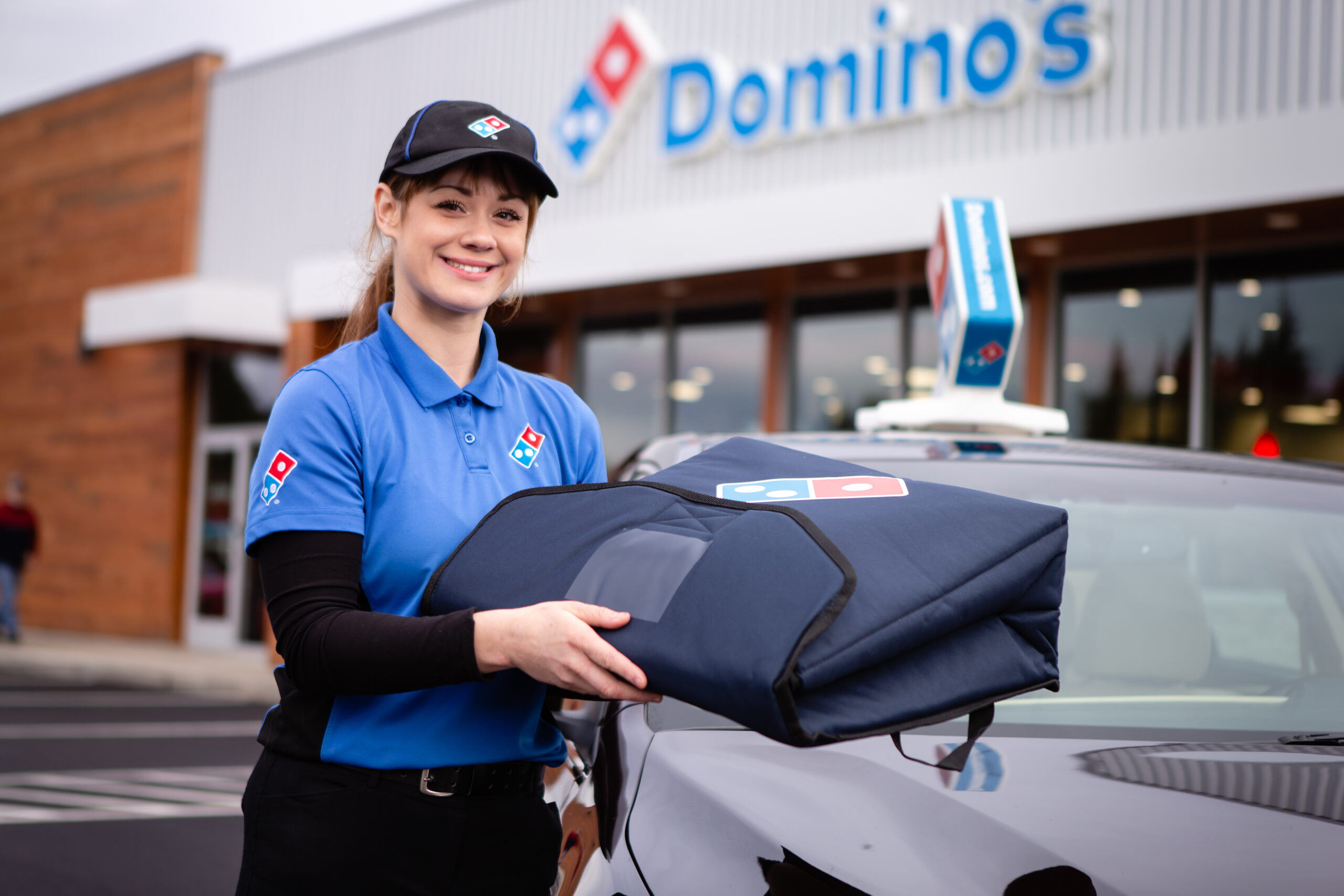
In contrast to these headwinds, Domino’s Pizza has demonstrated remarkable resilience and growth. The company recently reported a robust 3.7% same-store sales growth for the fourth quarter of 2025, a performance that was notable for its improvement across all income demographics. This achievement is particularly significant in an economic climate marked by uncertainty, which has disproportionately affected lower-income consumer spending.
Domino’s CEO Russell Weiner addressed the prevailing narrative of a struggling pizza category directly during his fourth-quarter earnings call. He stated, "There seems to be a narrative out there that pizza is a challenged and declining category. That is just not true. Looking back to 2019 you’ll find a category that has grown approximately 1-2% per year, including last year. The pizza category is certainly mature, but do not let the challenges at some of our higher-profile competitors drive a false narrative. Their results are a direct reflection of our strength." Weiner’s assertion highlights a strategic divergence: while competitors grapple with fundamental issues, Domino’s has leveraged its core strengths and adapted effectively to market dynamics.
Domino’s Strategic Pillars for Success
Domino’s ascendance can be attributed to several key strategic decisions and ongoing initiatives that have bolstered its market position. A pivotal move was the company’s decision to embrace third-party delivery platforms, a significant departure from its long-standing reliance on in-house delivery and carryout. This strategic pivot began in 2023 with a partnership with Uber Eats, followed by an expansion to DoorDash in 2024. These collaborations have not only expanded the reach of Domino’s but have also transformed both delivery and carryout into robust growth channels, catering to a broader spectrum of consumer preferences and accessibility needs.
The company has also adeptly utilized creative discounting strategies to drive customer traffic, particularly during periods of economic sensitivity. While many quick-service brands in 2025 found their promotional efforts indicating slowing consumer demand, Domino’s adopted a more aggressive and targeted approach. During its recent earnings calls, CEO Russell Weiner underscored the success of initiatives like "Boost Weeks" and the "Best Deal Ever" promotion from the previous quarter. These campaigns effectively blended customization options with compelling value propositions, resonating strongly with today’s budget-conscious and digitally savvy consumer base. This strategy acknowledges the heightened price sensitivity among consumers without sacrificing the perceived value and convenience of the brand.
A Modernized Brand Identity
Further cementing its market leadership, Domino’s unveiled a significant brand refresh in October 2025. This initiative focused on stylistic updates, including new color palettes, updated typography, and the introduction of its first-ever jingle, performed by recording artist Shaboozey. While this rebranding effort brought a contemporary flair and the visibility of a major marketing campaign, it was comparatively streamlined when contrasted with the more comprehensive turnaround strategies undertaken by other major quick-service players. This suggests a focus on enhancing brand perception and recognition without fundamentally altering the operational blueprint that has proven successful.
Competitor Challenges and Transformation Efforts
The landscape for Domino’s competitors presents a contrasting narrative of significant challenges and ambitious, albeit sometimes faltering, turnaround efforts.
Papa Johns: A Cycle of Turnarounds and Restructuring
Papa Johns embarked on a series of strategic initiatives aimed at revitalizing its performance. In 2025, under the leadership of then-new CEO Todd Penegor, the company introduced its "Back to Basics" strategy. This marked the third major turnaround effort in recent years, following earlier "Back to Better" and "Back to Better 2.0" initiatives in 2024. Despite the clear nomenclature, the "Back to Basics" strategy was multifaceted, encompassing a reevaluation of the core pizza menu, simplification of offerings, recalibration of ovens, localized marketing efforts, a barbell pricing model, and a forward-looking approach to menu innovation.
The company experienced a brief resurgence in the second quarter of 2025, achieving its first same-store sales growth in 18 months. However, this positive momentum proved short-lived, with weaker performance returning in the subsequent two quarters. By the close of 2025, Papa Johns addressed persistent rumors of a potential $2 billion takeover bid that had reportedly been withdrawn. CEO Penegor stated that the company would "fully consider" acquisition opportunities if the right proposal emerged, indicating a potential willingness to explore significant structural changes.
Further signs of distress emerged during the company’s fourth-quarter earnings call. Papa Johns announced a significant corporate layoff of 7% of its workforce and revealed plans to close approximately 300 stores by 2027. Notably, the "Back to Basics" strategy was not mentioned during the call. Instead, the company indicated a shift in focus, including the elimination of the Papadias and Papa Bites platforms. Concurrently, it announced plans to test new, potentially operationally complex, menu items such as toasted sandwiches and chicken tenders, signaling a departure from its previous emphasis on simplicity. These developments suggest a continued struggle to find a sustainable path to growth and profitability.
Pizza Hut: Strategic Sale Exploration and Store Reductions
Similar to Papa Johns, Pizza Hut is also implementing a strategy that involves significant store closures. The company plans to shutter 250 locations in the first half of 2026. These closures are part of a broader transformation strategy being undertaken while its parent company, Yum Brands, actively explores potential sale options for the brand. Pizza Hut’s revitalization plan is reportedly centered on "vibrant marketing, modernization of technology, and franchise agreements."
Pizza Hut has historically been a weaker performer within the Yum Brands portfolio, having experienced eight consecutive quarters of same-store sales declines and facing challenges in international markets. A key differentiator for Yum Brands is its diversified portfolio, which includes the highly successful Taco Bell, a consistent driver of overall company sales. This allows Yum Brands to absorb the challenges at Pizza Hut to a greater extent than a single-brand entity like Domino’s or Papa Johns might. However, the potential sale of Pizza Hut could significantly reshape the competitive dynamics of the pizza market.
Implications for the Pizza Industry
The divergent paths of Domino’s and its major competitors paint a clear picture of the current state of the pizza industry. While the overall category may be mature, as CEO Weiner suggests, the ability to adapt to evolving consumer demands, leverage technology, and implement effective operational strategies is proving to be the critical differentiator. Domino’s proactive approach, its willingness to embrace new delivery models, and its consistent focus on value and customer engagement have solidified its position.
The potential sale of either Papa Johns or Pizza Hut, or both, could trigger a significant consolidation and restructuring within the pizza sector. This could lead to new ownership structures, revised brand strategies, and potentially a more concentrated market dominated by a few key players. For consumers, these shifts could translate into changes in menu offerings, pricing, and accessibility.
As of early 2026, Domino’s strategy of streamlined execution and market responsiveness has positioned it as the undeniable leader in the pizza sector. Its ability to navigate economic uncertainties and maintain consistent growth suggests a business model that is both resilient and adaptable, setting a benchmark for competitors seeking to regain their footing in an increasingly dynamic marketplace. The coming years will likely reveal whether the current challenges facing Papa Johns and Pizza Hut lead to successful turnarounds or further consolidation, ultimately reshaping the competitive landscape of the global pizza industry.