

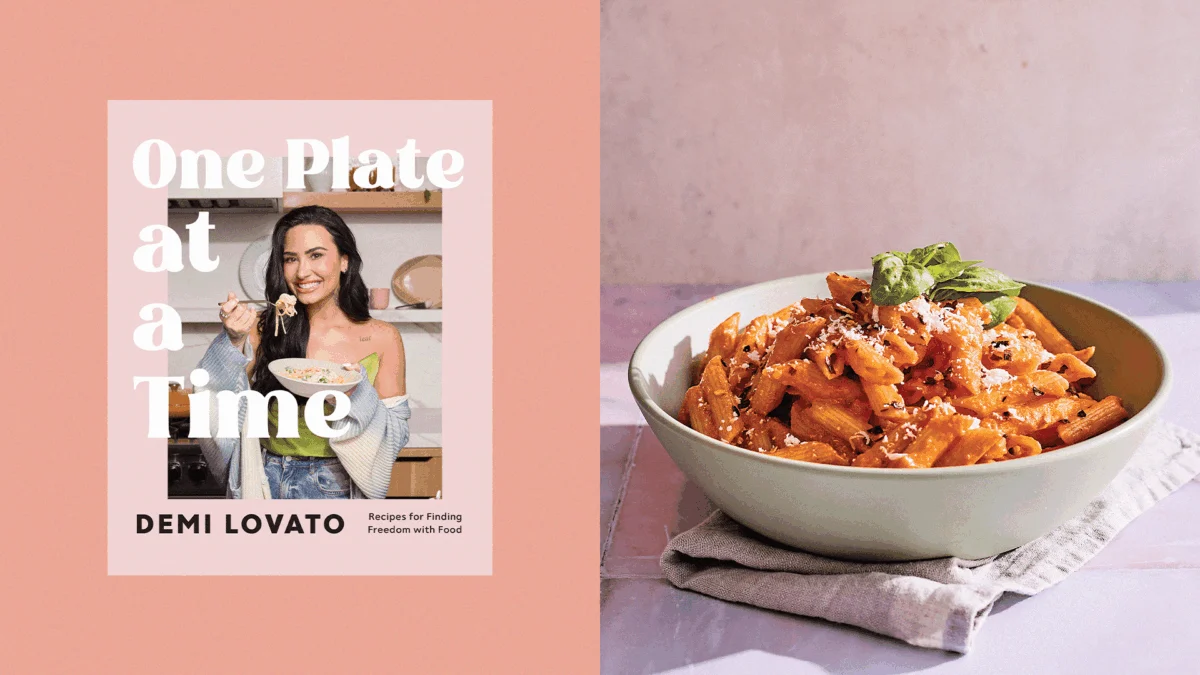
Global music sensation and mental health advocate Demi Lovato has publicly shared a transformative personal journey, detailing how the simple act of cooking and engaging with food in a social context became a profound catalyst for healing from years of disordered eating. This intimate revelation, culminating in her upcoming cookbook, "One Plate at a Time: Recipes for Finding Freedom With Food," published by Flatiron Books with photography by Matt Armendariz, marks a significant chapter in her ongoing commitment to holistic well-being and destigmatizing mental health struggles. The narrative extends beyond typical culinary ventures, positioning food preparation and consumption as powerful tools for psychological liberation and fostering positive community connections.
For an extended period, Lovato candidly admits to meticulously avoiding food-centric gatherings and experiencing profound discomfort at the prospect of being observed while eating. Even during periods of intensive treatment for her eating disorder, dining alongside peers presented a formidable obstacle. The pervasive fear of judgment regarding her food choices, coupled with intense self-consciousness about perceived messiness or the use of her hands during meals, created an isolating experience. These lingering feelings, she acknowledges, continue to surface occasionally, underscoring the enduring nature of recovery from complex eating disorders. This personal account sheds light on the often-invisible battles individuals face, highlighting the intricate psychological barriers that can transform a fundamental human need into a source of anxiety and shame.
A Pivotal Evening: The Genesis of Culinary Comfort
A pivotal moment in Lovato’s recovery trajectory, however, emerged from an unexpected source: the communal kitchen. She recounts a specific evening that served as a "game changer," forever altering her perception of food and its social role. Friends, described as accomplished cooks, joined her, and the group embarked on preparing a pasta dish. Initially, Lovato assumed a secondary role, merely assisting her more experienced companions. Yet, the vibrant, infectious energy that filled the kitchen that night proved transformative. It was during this session that she became "hands-on" in the food preparation process for the very first time, a stark contrast to her previous avoidance.
This collaborative endeavor stripped away the fear that had long surrounded food. The shared act of creation fostered a sense of camaraderie and achievement. "I remember thinking, ‘I might really like this,’” Lovato reflects on the moment of realization. The fear dissipated as they collectively brought the meal to life. Critically, she found herself genuinely eager to eat the prepared dish, not only because she had contributed to its making but also because she recognized the inherent potential of food to serve as the heart of a positive social ritual. This experience illuminated the joy embedded in shared culinary efforts, revealing a beautiful and exciting community that gathers around food.
The Therapeutic Power of Social Gastronomy
The insights gleaned from Lovato’s experience align with established principles in nutritional psychology and eating disorder recovery. Experts, such as Evelyn Tribole, co-author of the influential book Intuitive Eating, emphasize that sharing food prepared with others can be profoundly nurturing and supportive for individuals navigating disordered eating patterns. This perspective underscores a fundamental shift: from viewing food as a source of contention and isolation to recognizing it as a medium for connection and healing. The ability to engage with food in a way that unites rather than separates offers a significant pathway to "freedom in the kitchen."

The psychological benefits of communal eating and cooking are well-documented. Research suggests that sharing meals can reduce feelings of loneliness and isolation, improve mental well-being, and foster stronger social bonds. For individuals recovering from eating disorders, re-establishing positive associations with food in a supportive, non-judgmental environment is crucial. Collaborative cooking provides a structured yet flexible framework for exposure therapy, allowing individuals to confront food-related anxieties in a controlled setting, gradually building confidence and comfort. The act of creating a meal together shifts the focus from individual consumption and self-scrutiny to collective effort and shared enjoyment, re-framing food as a tool for connection rather than a source of personal struggle.
"One Plate at a Time": A Manifesto for Freedom
Lovato’s cookbook, "One Plate at a Time: Recipes for Finding Freedom With Food," is positioned not merely as a collection of recipes but as a practical guide for adopting a more liberated and intuitive approach to eating. The book, slated for publication in 2026, aims to empower readers to cultivate a relationship with food that is rooted in self-care and nourishment on every level. While Lovato acknowledges the inherent health aspects of home cooking, she deliberately refrains from extensively delving into them within her book. Her primary objective, she clarifies, is to facilitate greater freedom around food, rather than imposing new restrictions or dietary rules.
This philosophy is particularly pertinent given the widespread prevalence of eating disorders and body image issues. According to the National Association of Anorexia Nervosa and Associated Disorders (ANAD), at least 9% of the U.S. population will experience an eating disorder in their lifetime, with millions more struggling with disordered eating patterns. Lovato’s approach offers a refreshing alternative to the often-rigid and anxiety-inducing world of diet culture, which frequently categorizes foods as "good" or "bad." Instead, her work promotes a gentle, self-directed exploration of food choices, guided by internal cues and personal well-being.
The Unintended Health Dividend of Home Cooking
Despite not explicitly focusing on the health benefits, Lovato observes an almost "inevitable result" of regular home cooking: a natural reduction in the consumption of processed foods. Since she embarked on a consistent routine of grocery shopping and cooking, her awareness of the quality and wholesomeness of what she eats has significantly increased. This shift is not driven by restrictive rules but by an organic preference for ingredients that genuinely nourish her body and mind.
The health implications of reducing processed food intake are substantial and widely recognized by public health organizations. Processed foods, often high in unhealthy fats, sugars, and sodium, are linked to various chronic diseases, including obesity, type 2 diabetes, and cardiovascular issues. By encouraging a return to scratch cooking, Lovato’s approach indirectly advocates for a diet rich in whole, unprocessed ingredients, aligning with broader nutritional recommendations for long-term health. This subtle, non-prescriptive path to healthier eating resonates with the principles of intuitive eating, which prioritizes listening to one’s body and making choices that feel good, rather than adhering to external dietary mandates.
Celebrity Advocacy and Public Health Implications
Demi Lovato’s decision to share such a vulnerable and empowering aspect of her recovery journey carries significant weight due to her global platform. As a prominent public figure who has openly discussed her struggles with mental health, addiction, and eating disorders, her narrative offers a powerful message of hope and possibility to millions. Her advocacy helps to destigmatize these conditions, encouraging others to seek help and reminding them that recovery is attainable.

The release of "One Plate at a Time" further solidifies her role as an influential voice in the wellness space. By presenting cooking as a pathway to freedom and healing, she challenges conventional notions of diet and body image, promoting a more compassionate and sustainable approach to food. This advocacy extends beyond individual recovery, contributing to a broader cultural conversation about mental health, self-care, and the profound connection between food, mind, and community. Her work has the potential to inspire a new generation to explore cooking not just as a chore, but as an act of self-love and a means of building richer, more meaningful connections with others.
Culinary Craft: "Penne alla Nada" as an Example
The cookbook features recipes that reflect Lovato’s evolved culinary philosophy, including an intriguing dish titled "Penne alla Nada." Described as an alcohol-free version of penne alla vodka, this recipe exemplifies the book’s innovative and inclusive approach. Traditional penne alla vodka often incorporates a small amount of vodka to enhance the sauce’s flavor profile. Lovato’s adaptation demonstrates how classic dishes can be reimagined to suit various dietary preferences or recovery journeys without sacrificing taste or enjoyment. This particular recipe underscores the theme of "freedom" by offering a delicious alternative that aligns with a sober lifestyle, reflecting Lovato’s well-known commitment to sobriety. It’s a testament to her belief that nourishing meals can be both comforting and creatively adapted to individual needs.
A Future Built on Nourishment and Connection
Lovato’s journey underscores a fundamental truth: our relationship with food is deeply intertwined with our overall well-being. Her commitment to living a "good, long life" has found a powerful anchor in the kitchen. Cooking, for her, is not merely about sustenance; it is an act of love, a meditative practice, and a profound expression of self-care. It represents a conscious choice to engage with life more fully, embracing food as a source of joy, connection, and vitality.
The narrative Lovato presents through her personal story and her forthcoming cookbook offers a compelling blueprint for anyone seeking a more harmonious relationship with food. It emphasizes that the journey to freedom is often incremental, marked by small, courageous steps, and deeply enriched by community and conscious choices. By sharing her vulnerability and subsequent triumphs, Demi Lovato continues to be a beacon of hope, demonstrating that even the most entrenched struggles can yield to a future built on nourishment, connection, and profound self-acceptance.
"One Plate at a Time: Recipes for Finding Freedom With Food" by Demi Lovato is set to be published by Flatiron Books in 2026. The book, featuring photographs by Matt Armendariz, will be available for purchase at demicookbook.com and other major retailers. A featured recipe from the book, "Penne alla Nada," can be viewed at [insert hypothetical recipe URL if available, or just mention it’s in the book].