

The global coffee industry is a dynamic ecosystem, constantly evolving with innovations in cultivation, processing, distribution, and consumption. This week’s DCN Weekly Coffee News highlights significant developments across continents, from comprehensive harvest guides and ambitious agricultural revitalization projects to cutting-edge research programs and the expansion of sustainable coffee solutions. The industry is demonstrating a robust capacity for adaptation and growth, driven by a commitment to quality, sustainability, and consumer engagement.
Khipu Coffee Illuminates Peruvian Coffee Sector with Comprehensive Harvest Guide
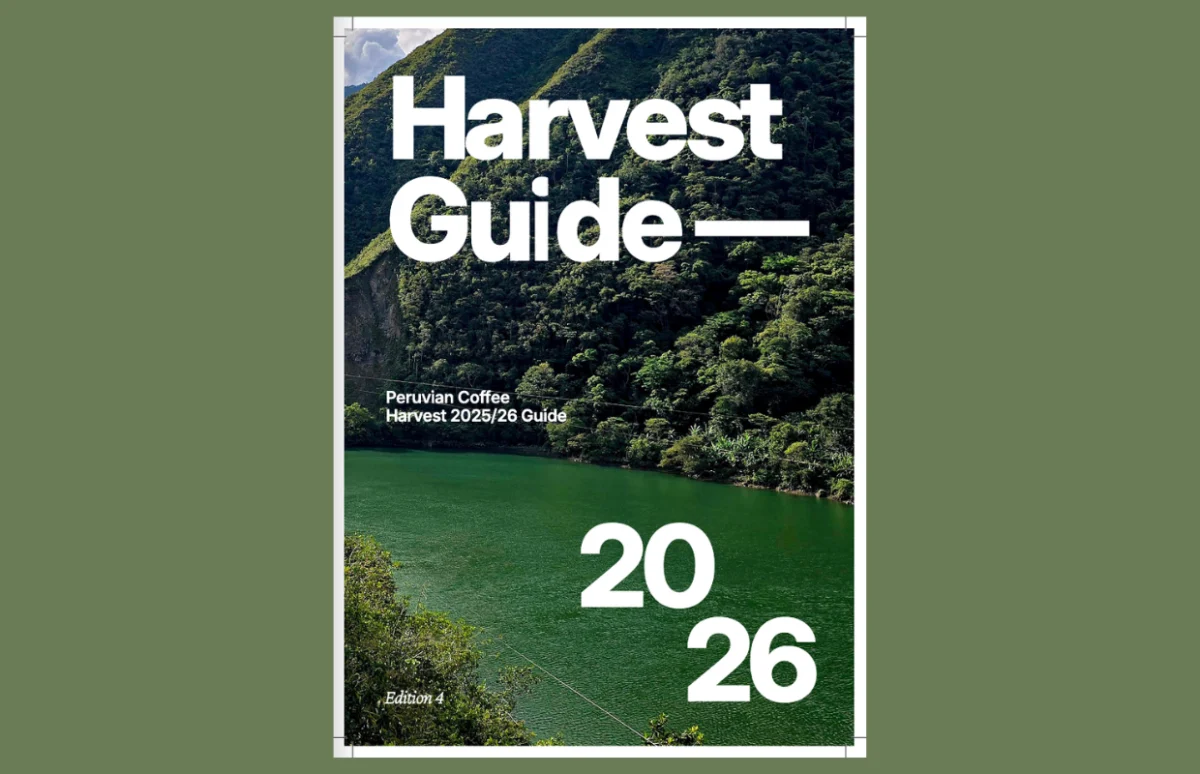
UK-based Khipu Coffee, a prominent exporter and importer of Peruvian green coffee, has released its highly anticipated 2025/26 Peruvian Coffee Harvest Guide. This in-depth digital publication offers an unprecedented look into the evolving landscape of Peru’s specialty coffee sector. The guide delves into critical areas such as the restructuring of producer networks, the burgeoning domestic coffee culture, the nuanced regional maturity of coffee growing areas, the diverse array of coffee varieties being cultivated, and sophisticated sensory analysis techniques.
Peru, a nation with a rich coffee-growing heritage, has been navigating significant shifts in its agricultural and economic landscape. The guide’s release comes at a time when global demand for high-quality, traceable coffee continues to rise, prompting producers and exporters to refine their practices and understand market trends more deeply. Khipu Coffee’s initiative to provide such a detailed resource underscores a commitment to transparency and knowledge sharing within the international coffee community. The insights contained within the guide are expected to be invaluable for roasters, importers, and baristas seeking to understand the nuances of Peruvian coffee, from farm to cup. The comprehensive approach taken by Khipu Coffee aims to foster greater appreciation for the complexities and potential of Peruvian coffee on the global stage.
Liberia’s Ambitious Coffee Revitalization Effort Gains Momentum with Seedling Distribution
The Liberian Agricultural Commodity Regulatory Authority (LACRA) has taken a significant step forward in its mission to revive the nation’s dormant coffee sector by distributing an impressive 700,000 Liberica coffee seedlings. This widespread distribution is a cornerstone of a broader national strategy aimed at re-establishing Liberia as a notable coffee-producing country. The initiative, reported by the Liberia Daily Observer, is part of a multi-faceted government-backed program that includes the establishment of new nurseries and a substantial 20-year partnership with JR Farms Group Inc., a venture valued at US$60 million.
Liberia’s coffee industry historically held significant economic importance, but decades of underinvestment and neglect led to its decline. The current revitalization efforts represent a concerted push to reverse this trend, leveraging international partnerships and domestic resources. The distribution of Liberica seedlings is particularly noteworthy, as this varietal is known for its resilience and distinct flavor profile, offering a unique selling proposition in the global market. The success of this program will not only depend on the initial distribution but also on the ongoing support provided to farmers, including training in modern cultivation techniques, pest and disease management, and post-harvest processing. The long-term implications of this project could be transformative for Liberia’s rural economy, creating jobs and generating export revenue.
Australian Research Program Spearheads Innovation in Coffee Production
In a significant investment in the future of coffee cultivation, AgriFutures Australia, in collaboration with key industry partners, has launched a five-year, AUD $4 million (approximately US$2.6 million) Australian Coffee Research Program. This ambitious program unites leading institutions, including Southern Cross University, Plant Health Australia, the University of Queensland, and the Australian Grown Coffee Association. The program’s objectives are multifaceted, focusing on enhancing productivity, conducting rigorous coffee variety trials, strengthening biosecurity measures, and identifying opportunities for expanding coffee production within Australia.
Australia, while not historically a major coffee-producing nation, has a growing specialty coffee sector and a favorable climate in certain regions for cultivation. This research program signals a strategic commitment to unlocking the nation’s potential in coffee agriculture. The focus on productivity and variety trials is crucial for developing coffee strains that are well-suited to Australian conditions and resistant to local pests and diseases. Furthermore, the emphasis on biosecurity is paramount in protecting the nascent industry from invasive species and pathogens. The expanded production opportunities that the program aims to identify could lead to greater self-sufficiency in coffee supply and contribute to the growth of regional economies. The collaborative nature of the program, bringing together academic expertise and industry stakeholders, is a promising model for driving innovation in the agricultural sector.
U.S. Welcomes World Coffee Championships Judge Skills Program to North Carolina
The United States is set to host its inaugural World Coffee Championships (WCC) Judge Skills Program, a significant development for the country’s competitive coffee scene. Carrboro Coffee Roasters and Open Eye Cafe, located in Carrboro, North Carolina, will serve as the venue for this prestigious training event in August. The program is designed to equip aspiring judges with the necessary skills and knowledge to officiate at WCC events, offering a structured pathway towards WCC Judge Certification.
The Barista Judge Skills Program is scheduled to take place from August 14-15, followed by the Brewers program from August 16-17. This initiative addresses a growing need for qualified judges within the U.S. coffee community, which has seen a surge in participation in professional coffee competitions. The program’s curriculum is expected to cover a range of critical judging criteria, including sensory evaluation, palate calibration, and adherence to competition rules and protocols. By bringing this program to the U.S., WCC and its partners are investing in the development of a more robust and globally recognized judging infrastructure, ultimately enhancing the credibility and quality of coffee competitions held domestically. The event is anticipated to draw participants from across the country, fostering a community of skilled coffee professionals dedicated to excellence.
Lavazza Introduces Innovative Tabli Brewer and Plastic-Free Coffee Tablets in the U.S. Market
Italian coffee giant Lavazza has officially launched its groundbreaking Tabli single-serve system in the United States, following a highly successful preorder window in June and July. This innovative system distinguishes itself by utilizing compressed tablets made entirely from ground coffee, eschewing the environmentally contentious plastic capsules that have dominated the single-serve market. The Tabli machine is now available for purchase through Lavazza’s U.S. website, retailing at $129.99.
The introduction of Tabli represents a significant step towards more sustainable coffee consumption. Traditional single-serve coffee systems, while convenient, generate substantial plastic waste. Lavazza’s Tabli system offers consumers a comparable level of convenience without the environmental burden. The coffee tablets are designed to provide a rich and aromatic single cup of coffee, embodying Lavazza’s commitment to quality and innovation. The company has stated its ambition to lead the charge in developing eco-friendly coffee solutions, and the Tabli launch in the U.S. market is a clear demonstration of this commitment. This move is expected to resonate with environmentally conscious consumers and potentially influence other manufacturers to explore similar sustainable alternatives.
Kahwa Coffee Expands Headquarters and Production Capacity in Florida
St. Petersburg, Florida-based Kahwa Coffee has significantly bolstered its operational capabilities with the acquisition of a new, expansive 24,742-square-foot property located at 4001 35th St. N. This strategic move effectively doubles the company’s headquarters and production space, enabling Kahwa Coffee to accommodate its continuous growth in both its retail and wholesale operations. The expansion was reported by TBBW.
Founded in 2007, Kahwa Coffee has established itself as a prominent roaster and retailer in the Florida market. The company’s growth trajectory has necessitated this considerable expansion to meet increasing demand. The larger facility will allow for enhanced roasting capacity, improved logistical operations, and potentially the development of new product lines. This investment underscores Kahwa Coffee’s confidence in its business model and its commitment to serving a growing customer base. The expansion is also indicative of the broader economic vitality within the Florida specialty coffee sector, suggesting a healthy and expanding market.
Second Cup Appoints Joe Walker as New Chief Executive Officer
Canadian coffee chain Second Cup Coffee Co. has announced the appointment of Joe Walker as its new Chief Executive Officer. Walker brings a wealth of experience from previous executive roles at prominent companies such as Wingstop, Starbucks, and Yolk Brands. His appointment, as reported by Fast Casual, is expected to drive the strategic direction of Second Cup’s Canadian operations while simultaneously supporting the company’s international development initiatives.
Walker’s extensive background in the food and beverage industry, particularly his experience with global brands like Starbucks, positions him to bring fresh perspectives and proven strategies to Second Cup. The company, which has been undergoing a period of strategic review and potential repositioning, will likely benefit from Walker’s leadership in navigating the competitive Canadian coffee market and exploring new avenues for international growth. His mandate will involve enhancing the customer experience, optimizing operational efficiency, and fostering innovation within the brand. The appointment signifies a new chapter for Second Cup as it aims to strengthen its market presence and expand its reach.
Massimo Zanetti Beverage USA Executive Achieves Prestigious Coffee Grader License
Nora Johnson, Vice President of Commodities at Massimo Zanetti Beverage USA (MZB-USA), has earned the esteemed Intercontinental Exchange (ICE) Certified Coffee Grader license. This achievement marks Johnson as the second woman within MZB-USA to attain this certification and positions her as the youngest current holder of the title. The ICE Coffee Grader certification is a testament to her comprehensive knowledge and expertise in the grading and quality assessment of coffee beans.
The role of a certified coffee grader is critical in the global coffee trade, involving the precise evaluation of coffee quality based on a standardized set of criteria, including aroma, flavor, body, acidity, and defect identification. Johnson’s certification underscores MZB-USA’s commitment to maintaining the highest standards of quality control throughout its supply chain. Her expertise will be invaluable in sourcing and procuring premium coffee beans for the company’s diverse portfolio of brands. This accomplishment also highlights MZB-USA’s dedication to professional development and its investment in cultivating top-tier talent within the organization. The recognition of Johnson’s achievement reflects positively on the company’s operational excellence and its pursuit of quality assurance.
DoorDash Receives FAA Certification for Drone Delivery Expansion
DoorDash, a leading food delivery platform, has taken a significant leap forward in its logistics capabilities with the launch of DoorDash Air, its in-house drone delivery program. This development follows the company’s successful attainment of Part 135 air carrier certification from the Federal Aviation Administration (FAA). The certification grants DoorDash the authority to operate as a commercial air carrier, paving the way for the integration of drone technology into its delivery network. The program, developed by DoorDash Labs, is poised to revolutionize last-mile delivery, offering faster and potentially more efficient delivery options.
The FAA’s Part 135 certification is a stringent regulatory approval process that requires operators to meet rigorous safety and operational standards. By achieving this, DoorDash has demonstrated its commitment to safe and reliable drone operations. While specific details regarding the deployment of aircraft and the full rollout plan are expected later this year, the certification itself signifies a major milestone. DoorDash Air has the potential to address challenges associated with urban congestion and expand delivery reach into areas that may be less accessible by traditional delivery methods. This move positions DoorDash at the forefront of drone delivery innovation within the broader logistics and e-commerce sectors, signaling a future where aerial delivery becomes an increasingly common component of the delivery landscape.
Kaapi Machines Secures Strategic Investment to Fuel Growth and Service Expansion
India-based Kaapi Machines, a company specializing in coffee equipment and services, has announced a significant strategic partnership with Sedna, a provider of B2B HoReCa (Hotel, Restaurant, Catering) solutions. As part of this collaboration, Kaapi Machines has secured a strategic equity investment of ₹50 crore, equivalent to approximately US$5.7 million. This substantial financial infusion is earmarked for enhancing Kaapi Machines’ service infrastructure, advancing its technological capabilities, expanding its warehousing operations, and accelerating its overall growth trajectory.
The Indian coffee market has been experiencing robust growth, driven by an increasing consumer appreciation for specialty coffee and the expansion of the HoReCa sector. Kaapi Machines, by partnering with Sedna and securing this investment, is positioning itself to capitalize on this trend. The funds will enable the company to scale its operations, improve the efficiency of its service network, and invest in innovative solutions that cater to the evolving needs of its clients. This strategic move is expected to strengthen Kaapi Machines’ competitive position within the Indian market and potentially open doors for international expansion. The partnership signifies a commitment to innovation and customer service, crucial elements for success in the dynamic HoReCa industry.
New from CoffeeIndustryJobs.com
The coffee industry continues to offer a diverse range of career opportunities, from farm to cup. CoffeeIndustryJobs.com remains a vital resource for professionals seeking to advance their careers in this dynamic sector. The platform consistently lists a variety of roles, reflecting the industry’s broad scope and its ongoing need for skilled talent across all areas of operation.
In Case You Missed It: DCN’s Top Stories of the Past Week
This past week, Daily Coffee News (DCN) provided extensive coverage of pivotal developments and insightful analyses within the coffee world. Among the featured stories, a compelling article explored the intricate relationship between coffee’s flavor profile and caffeine, highlighting how roasting processes contribute to a palatable beverage despite caffeine’s inherent bitterness. Another significant piece delved into recent research suggesting a potential link between moderate daily coffee consumption and a reduced risk of depression and anxiety, offering a nuanced perspective on coffee’s impact on mental well-being.
The ongoing effects of climate change on coffee cultivation were also a key focus, with a story detailing the renewed attention being given to Excelsa coffee varieties as potential candidates for more resilient coffee farming. Innovations in waste management within the coffee industry were showcased through a report on Korean researchers’ development of a rapid process to convert wet coffee grounds into biochar. Further research illuminated the complexities of creating bird-friendly coffee landscapes, emphasizing the necessity of integrated forest ecosystems alongside shade-grown practices.
In a move to support producers in volatile markets, Fairtrade International announced an increase in its minimum prices for certified coffee, reflecting a commitment to a stronger safety net for farmers. Finally, a compelling Italian study suggested that regular consumption of espresso and moka pot coffee may be associated with a reduced risk of a specific type of liver disease, adding another layer to the growing body of research on coffee’s health benefits. These stories collectively underscore the multifaceted nature of the coffee industry, encompassing scientific research, agricultural sustainability, economic fairness, and consumer health.
