

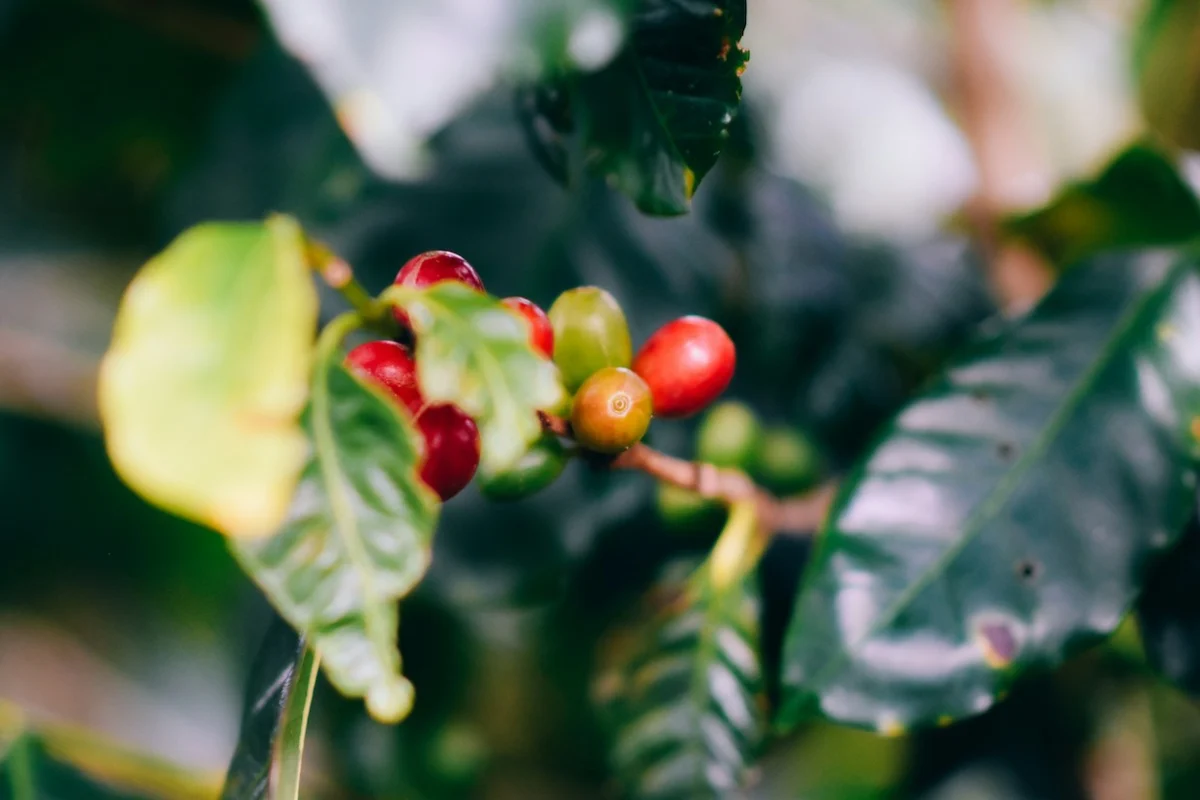
A new study by the European Commission’s Joint Research Centre (JRC) is modeling the potential economic impacts of implementing stricter pesticide residue limits on imported commodities, including coffee, into the European Union. This research comes as the EU continues to refine its agricultural and food safety policies, which could have significant repercussions for global coffee supply chains, particularly for exporting nations that may rely heavily on the EU market. The study specifically examines the effects of reducing residue limits for 18 hazardous pesticides that are already banned within the EU but have been detected on some imported goods. This analysis encompasses 235 commodities originating from 86 exporting countries, underscoring the broad scope of potential policy shifts.
EU Pesticide Policy: A Deep Dive into Economic Modeling
The JRC’s preliminary analysis aims to provide a quantitative assessment of how changes in pesticide regulations might affect trade flows, production costs, and ultimately, consumer prices. While the specific commodities and their origins are being thoroughly investigated, the inclusion of coffee highlights the sensitive nature of this agricultural sector. Coffee-producing nations, many of which are developing economies, often face challenges in meeting the stringent regulatory standards of developed markets due to differences in agricultural practices, available technology, and economic resources.
This initiative is not the first time stricter EU pesticide rules have caused concern for coffee exporters. Previously, Vietnamese coffee exporters, a major global supplier, have expressed apprehension regarding the potential impact of tighter residue limits. Vietnam, like many coffee-producing countries, has been working to align its agricultural practices with international standards, but the pace of regulatory change and the specific thresholds set by importing nations can create ongoing adaptation pressures. The JRC study’s findings, once released, are expected to inform future policy assessments and could lead to discussions on how to support exporting countries in meeting new standards, potentially through technical assistance, knowledge sharing, or phased implementation timelines. The ultimate goal of such policies is to enhance food safety and environmental protection within the EU, but the economic consequences for global agricultural trade remain a critical consideration.
EU Packaging Waste Regulation: Impact on Coffee Capsules
The European Union’s Packaging and Packaging Waste Regulation (PPWR) officially came into effect on August 12th, marking a significant development for the coffee industry, particularly concerning single-serve coffee capsules. Under the new regulation, machine-compatible coffee capsules are now formally recognized and categorized within the legal definition of packaging. This reclassification means that these capsules will be subject to the comprehensive packaging waste-responsibility requirements outlined in the PPWR.
The regulation sets ambitious targets for packaging waste management, stipulating that all packaging must be recyclable by 2030 and that packaging waste must be recycled at scale by 2035. For coffee capsule manufacturers and distributors, this implies a substantial shift in their operational and product stewardship strategies. Companies will need to ensure their capsule designs are compatible with EU recycling infrastructure, invest in more sustainable materials, and potentially participate in extended producer responsibility (EPR) schemes. The move is intended to drive innovation in packaging design and promote a more circular economy for consumer goods, but it presents immediate challenges for a segment of the coffee market that has seen considerable growth in recent years due to its convenience. The industry will likely see increased focus on developing compostable or easily recyclable capsule alternatives, as well as robust collection and recycling programs to meet the upcoming deadlines.
Loring Smart Roast Enhances Customer Support with New Knowledge Base
Loring Smart Roast, a California-based manufacturer of coffee roasting equipment, has launched a comprehensive, mobile-friendly online Knowledge Base. This new platform is designed to serve as a central repository for essential information for both Loring’s customers and its network of service technicians. The Knowledge Base consolidates a wide range of resources, including machine manuals, detailed technical specifications, troubleshooting guides, repair information, and pre-installation documents.
This initiative represents a significant step forward in Loring’s commitment to providing robust post-purchase support and enhancing the user experience for its clients. By centralizing these critical documents and resources, Loring aims to empower its customers to more effectively operate, maintain, and troubleshoot their roasting equipment, thereby minimizing downtime and optimizing performance. The platform’s mobile-friendliness ensures that users can access this vital information conveniently from any device, whether they are on the roastery floor or in the field. The introduction of the Knowledge Base complements Loring’s existing suite of digital tools, which includes its advanced Roast Architect profiling software, further solidifying the company’s reputation for technological innovation and customer-centric service in the competitive coffee roasting industry.
WatchHouse Charts Ambitious U.S. Expansion
London-based coffee chain WatchHouse is significantly expanding its presence in the United States, with plans to open its fourth Manhattan café and a strategic entry into the Los Angeles market slated for 2027. According to a Bloomberg report citing an unnamed source, the company is also actively scouting potential locations in other major U.S. cities, including Austin, Chicago, and Miami. This aggressive expansion strategy follows a substantial $14.8 million Series B funding round that WatchHouse announced earlier this year.
The infusion of capital has clearly empowered WatchHouse to accelerate its global growth ambitions, with a particular focus on the lucrative and competitive U.S. coffee market. The company’s expansion into new major metropolitan areas signifies a confident outlook on its ability to replicate its success in London and other international markets. The U.S. coffee sector is characterized by both strong demand and intense competition, with established players and a steady stream of emerging brands vying for market share. WatchHouse’s approach, often characterized by its emphasis on premium coffee, sophisticated café design, and a strong community focus, appears to be a key differentiator. The success of its expansion will likely depend on its ability to adapt its brand experience to diverse American consumer preferences while maintaining operational efficiency and brand consistency across its growing footprint.
Javvy, a Functional Coffee Brand, Reportedly Explores Sale
Javvy, a South Carolina-based company specializing in functional beverages, is reportedly exploring an early-stage sale process. According to a Reuters report, anonymous sources familiar with the matter indicate that the company has hired investment bank Houlihan Lokey to manage the potential transaction. The sale could potentially value Javvy at approximately $1 billion, a significant valuation for a company in the functional beverage space.
The functional beverage market has seen considerable growth in recent years, driven by increasing consumer interest in health and wellness products that offer benefits beyond basic nutrition. Javvy, with its focus on protein-infused coffee, appears to have tapped into this trend effectively. The potential sale signals strong interest from investors or strategic buyers in acquiring a well-positioned brand within this expanding market segment. The valuation of $1 billion, if realized, would underscore the significant market appeal of innovative beverage concepts that cater to evolving consumer demands for both taste and health-conscious attributes. The outcome of this exploration will be closely watched by the broader beverage industry as an indicator of market appetite for functional coffee products and the potential for further consolidation or acquisition activity.
Westrock Coffee Reports Robust Growth at Arkansas Beverage Facility
Westrock Coffee Company has announced continued production growth at its ready-to-drink (RTD) beverage facility in Conway, Arkansas, during the second quarter of 2026. The facility, which commenced operations in 2024, has become a significant contributor to the company’s overall performance. Westrock Coffee reported a notable increase in company-wide sales, which rose by 8.8% to reach $305.7 million.
The Beverage Solutions segment, which includes the operations of the Conway plant, experienced even more substantial growth, with sales increasing by 16.8% to $243.9 million. This strong performance at the Arkansas facility highlights the success of Westrock’s strategic investments in expanding its ready-to-drink capabilities. The RTD market continues to be a key growth area for the beverage industry, driven by consumer demand for convenient, high-quality, and often health-conscious beverage options. Westrock’s ability to scale production and meet this demand effectively positions it for continued success in the competitive beverage manufacturing landscape. The company’s financial results demonstrate the positive impact of its operational expansions and its strategic focus on high-growth market segments.
StoneX Attributes Sales Surge to Coffee Expansion
StoneX Group Inc., a diversified financial services and commodities trading company, has reported strong growth in its fiscal third quarter, with a significant portion of its success attributed to its expansion into physical coffee, cocoa, and cotton trading. The company announced total quarterly net operating revenue of $719.7 million, marking an impressive 47% increase compared to the previous year. Furthermore, net income more than doubled, reaching $127.9 million.
This robust financial performance underscores the strategic value of StoneX’s diversification efforts. The company’s foray into physical commodities trading, particularly in the coffee sector, has proven to be a key driver of revenue and profitability. The expansion into physical coffee trading was notably bolstered by StoneX’s acquisition of Mercon Specialty in 2024 and the subsequent launch of StoneX Specialty Coffee. These strategic moves have allowed StoneX to build a significant presence in the global coffee supply chain, enabling it to capture opportunities across origination, processing, and trading. The company’s integrated approach, combining financial expertise with physical commodity operations, appears to be a successful formula for navigating volatile markets and delivering strong returns to shareholders.
Death Wish Coffee Appoints New Chief Marketing Officer
Death Wish Coffee, known for its high-caffeine content and distinctive brand identity, has announced the appointment of Sasha Auguste as its new Chief Marketing Officer (CMO). Auguste brings a wealth of experience in marketing, innovation, and e-commerce, having previously led these functions at YumEarth, a popular organic candy brand. Her prior experience also includes a role at Kidfresh, a children’s food company.
This strategic appointment comes less than a year after Death Wish Coffee named Steve Gardiner, a former executive from Nature’s Bakery, as its Chief Executive Officer (CEO) in September 2025. The dual leadership appointments signal a period of significant organizational development and a renewed focus on growth for the company. Auguste’s expertise in brand building, particularly in consumer-packaged goods and e-commerce, is expected to be instrumental in driving Death Wish Coffee’s marketing initiatives, expanding its market reach, and enhancing its direct-to-consumer strategies. The company’s trajectory suggests a commitment to professionalizing its operations and leveraging experienced leadership to capitalize on its established brand recognition and loyal customer base.
George & Willy Unveils Premium Wooden Bakery Display Case
New Zealand-based design company George & Willy has introduced its latest product, the Wooden Bakery Display Case Pro. This ambient countertop cabinet is specifically designed to enhance the presentation of baked goods in cafes, bakeries, and retail environments. The display case measures 48 inches in width, 24.4 inches in depth, and 24.4 inches in height, offering ample space for showcasing a variety of products.
Constructed with an oak frame and featuring tempered glass panels, the Wooden Bakery Display Case Pro offers both durability and an aesthetically pleasing design that complements a range of interior styles. It includes two adjustable shelves, which can be configured to create three distinct display levels, allowing for flexible merchandising and an appealing visual arrangement of pastries, breads, and other baked items. Priced at $2,280, this premium display case represents an investment for businesses looking to elevate their in-store presentation and create a more inviting atmosphere for their customers. George & Willy’s focus on design-led, functional products continues to appeal to businesses seeking to enhance their retail experience.
Bonavita’s #TagATeacher Campaign Celebrates Educators
Home coffee equipment manufacturer Bonavita has launched its #TagATeacher campaign, a philanthropic initiative aimed at recognizing and rewarding educators in the United States. Through this campaign, Bonavita is committed to awarding a coffee brewer to a nominated U.S. teacher every Friday throughout August. The initiative highlights Bonavita’s appreciation for teachers and their dedication to shaping future generations.
Since the campaign’s inception on July 27th, Bonavita has reported a significant level of engagement, receiving 185 nominations from teachers across more than 30 states. This response indicates a strong community connection and a widespread desire to acknowledge the hard work and commitment of educators. By providing home brewers, Bonavita aims to offer teachers a small but meaningful way to enjoy their mornings and perhaps find a moment of respite. The campaign not only serves as a positive brand initiative but also fosters a sense of community and gratitude, aligning with the values of many coffee enthusiasts who appreciate the rituals and comforts associated with a good cup of coffee.
Industry Insights and Recent Developments
New from CoffeeIndustryJobs.com
The coffee industry continues to see a demand for skilled professionals across various sectors. CoffeeIndustryJobs.com serves as a vital platform connecting employers with qualified candidates. Recent listings highlight opportunities ranging from roasting and quality control to retail management and marketing. The site plays a crucial role in supporting the growth and development of the coffee sector by facilitating talent acquisition for businesses.
ICYMI: Key News from the Past Week
In a somber development, damage assessments are underway in Colombia following a devastating magnitude 7.4 earthquake that struck the coffee-growing regions of western Colombia. The earthquake, which occurred on Monday, has resulted in at least 250 fatalities, with ongoing efforts to ascertain the full extent of the damage and the impact on communities and infrastructure, including coffee farms.
Intriguing research suggests that coffee and sleep may not be the antagonistic pairing often perceived. A large Swedish study involving middle-aged adults found that habitual coffee consumption exhibited little significant correlation with self-reported sleep quality or daytime sleepiness. This finding could prompt a re-evaluation of widely held beliefs about coffee’s impact on sleep patterns.
The definition of "strong" coffee is proving to be a nuanced concept, heavily influenced by cultural context. Consumers seeking a "strong" coffee may be referring to a variety of attributes, including bitterness, dark roast color, aromatic qualities, or the stimulating effects associated with caffeine. Understanding these diverse interpretations is crucial for coffee businesses aiming to meet customer expectations.
The 2026 Best of Hawaiʻi coffee competition has announced its winners, with a natural-process Gesha coffee from Miranda’s Farms in Kaʻū earning the top score. In conjunction with this announcement, the Hawaii Coffee Association has revealed plans to introduce a statewide coffee auction next year, aiming to further promote and elevate Hawaiian coffee on the global stage.
Southern California-based roasting company Goodboybob has significantly expanded its retail footprint, doubling its number of cafes in July with two new openings occurring within weeks of each other on opposite coasts of the United States. This rapid expansion signals strong growth and market penetration for the brand.
La Marzocco, the renowned Italian espresso machine manufacturer, is venturing further into digital solutions with the launch of "Sistema." This subscription-based web platform is designed to monitor the usage, performance, and maintenance data of fleets of connected La Marzocco commercial espresso machines, offering operators enhanced insights and control.
U.S. coffee chain Dutch Bros is reportedly pursuing the acquisition of dozens of recently closed Salad and Go sites. The deal, valued at approximately $105 million, involves acquiring locations formerly operated by the fast-salad chain, which is currently undergoing Chapter 11 bankruptcy proceedings. This move could represent a significant expansion opportunity for Dutch Bros into new physical spaces.
