

Darden Restaurants Inc. has once again demonstrated its resilience and strategic prowess, significantly outpacing the broader restaurant industry in its third fiscal quarter, which concluded on February 22. The dining giant reported a robust 5.9% increase in total sales, reaching $3.3 billion, and an impressive consolidated same-store sales growth of 4.2% across its diverse portfolio of 11 brands. This performance stands in stark contrast to industry-wide trends, which, according to Black Box Intelligence data, saw a 1.2% decline in same-store sales and a 3% drop in guest counts during the same period.
The disparity in performance underscores Darden’s consistent ability to connect with consumers, a trend that has been evident for several quarters. "We’ve been consistently outperforming industry same-restaurant sales, and this quarter our gap widened as each of our four largest brands (Olive Garden, LongHorn Steakhouse, Cheddar’s Scratch Kitchen, and Chuy’s) exceeded the industry by more than 400 basis points," stated Rick Cardenas, president and chief executive officer of Darden Restaurants, during a conference call on Thursday. Cardenas attributed this success to the dedicated efforts of restaurant teams who "continued to be brilliant with the basics, once again leading to impressive guest satisfaction scores." He further emphasized that "historically high team member and manager retention levels" are crucial enablers of the exceptional guest experiences that Darden brands consistently deliver. The quarter also benefited from strong holiday sales, with several brands achieving record Valentine’s Day figures, reinforcing consumer trust in Darden’s establishments for special occasions.
Olive Garden’s Strategic Value Proposition and Operational Excellence
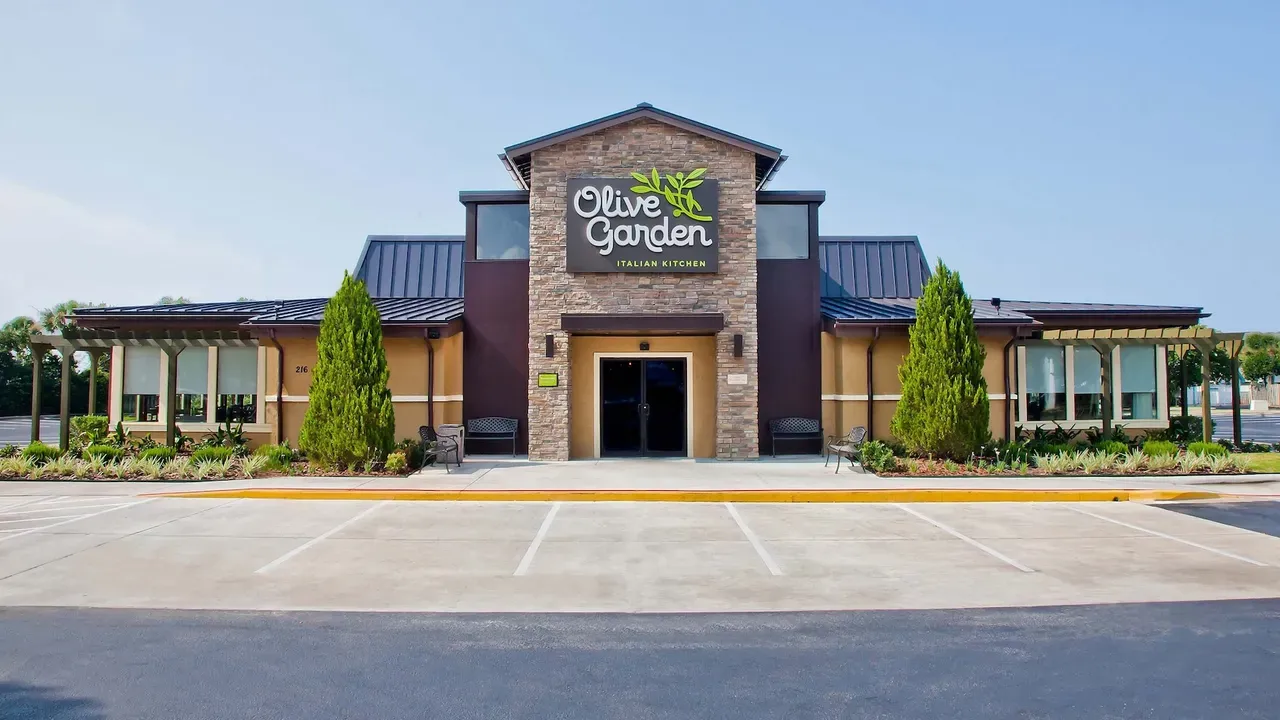
Olive Garden, Darden’s flagship brand, experienced a notable 3.2% growth in same-store sales during the quarter, a performance Cardenas credited to "strong operational execution." A key driver of this success has been the unwavering focus on fundamental guest offerings, such as the consistent availability of unlimited breadsticks, soup, or salad refills. This commitment has resulted in new all-time high guest satisfaction scores for service and matched their previous high for overall guest satisfaction.
The brand’s strategic introduction of its "Lighter Portion" menu section in January has also proven to be a significant catalyst. This initiative, featuring seven new dishes priced under $15, offers guests greater choice by providing smaller, more accessible portions of popular items. Cardenas highlighted the minimal operational complexity of this expansion, noting that "since they’re just smaller portions of existing items, there is minimal operational complexity, and the restaurant teams can execute at a high level." The response has been overwhelmingly positive, with Olive Garden observing a "significant" increase in guest frequency among those ordering these lighter options. This trend is particularly interesting as it caters to a spectrum of diner needs, from those managing dietary restrictions, including individuals on GLP-1 weight-loss medications, to those simply seeking value without compromising on the dining experience. Cardenas elaborated, "We do know that the Olive Garden menu has abundant portions, and ‘abundant’ means different things to different people." The lighter options have shown particular strength during weekend lunch services, a period previously without a dedicated lunch menu, thereby expanding the brand’s appeal throughout the week.
Furthermore, Olive Garden has strategically leveraged limited-time offers (LTOs) to drive traffic and excitement. In February, the popular Four Cheese Manicotti returned as an LTO starting at $12.99, accompanied by portobello mushroom ravioli and braised beef tortelloni. The highly successful "Buy One, Take One" offer, reintroduced last year as an LTO for the first time since the pandemic, was maintained at its previous starting price of $14.99. This promotion, allowing diners to enjoy a pasta dish in-house and take a second, pre-cooked pasta dish home for later, was enhanced this year with the addition of a rigatoni alla vodka option, further broadening its appeal. Darden has also continued its expansion strategy for Olive Garden, opening a net of 17 new restaurants in the past year, bringing the total to 944 locations by the end of the quarter.
LongHorn Steakhouse: Quality, Affordability, and Culture Drive Growth
LongHorn Steakhouse, Darden’s second-largest brand, emerged as a standout performer, leading the company with a remarkable 7.2% same-store sales growth. President and CEO Rick Cardenas attributed this sustained momentum to the brand’s unwavering commitment to its core strategy, centered on "Quality, simplicity, and culture." He emphasized the team’s dedication to ensuring "every item they serve meets their high quality standards." This focus on quality is reinforced through rigorous training and certification programs, with all restaurant managers being recertified for culinary standards and directors of operations undergoing hands-on culinary training during the quarter.
LongHorn’s distinctive brand culture, characterized by strong employee loyalty, has demonstrably translated into robust customer loyalty. Cardenas noted the significance of LongHorn being recognized by Glassdoor as one of the best places to work, an award determined solely by employee feedback. This positive internal environment directly influences the external guest experience.
Intriguingly, LongHorn has found a unique advantage in the current economic climate, particularly with elevated beef prices. Cardenas explained that the brand has "significantly underpriced beef costs in the grocery store over time," making its offerings more attractive relative to home-cooking alternatives. The logic is straightforward: when consumers face the prospect of preparing an expensive steak at home, the risk of a culinary misstep is high. As Cardenas humorously put it, "When a consumer has to cook a very expensive steak at home and they mess it up, they still have to eat it. When a consumer goes to a restaurant and orders a steak and we mess it up, we eat it, and they still eat a great steak." This highlights LongHorn’s ability to consistently deliver on quality, with steaks cooked to the proper temperature "very close to 100% of the time," and a commitment to guest satisfaction when deviations occur. The brand continues its physical expansion, opening a net of 22 new restaurants over the past year, bringing its total to 608 locations.
Fine Dining Segment Shows Renewed Strength
Darden’s fine dining segment, comprising The Capital Grille, Ruth’s Chris Steak House, and Eddie V’s, experienced a welcome resurgence, with all three brands reporting positive same-store sales growth for the first time in a considerable period. The category collectively saw a 2.1% increase in comparable sales. This growth was bolstered by strong private dining sales at The Capital Grille and Eddie V’s, and the continued success of the three-course prix-fixe menu at Ruth’s Chris Steak House. Cardenas highlighted the resonance of Ruth’s Chris’s value-driven prix-fixe offering, noting its success in attracting lapsed customers and encouraging repeat visits. "We’re seeing guests that were lapsed… come back, and we’re seeing guests that have ordered that come back [to order it again]. So we think this is a good platform for them," he remarked. The Capital Grille added two new locations, reaching a total of 73, while Ruth’s Chris Steak House and Eddie V’s maintained their respective footprints at 82 and 30 locations.
Diverse Portfolio: Yard House Leads "Other Businesses"
The performance of Darden’s "other businesses" segment, which includes brands such as Cheddar’s, Chuy’s, Yard House, Seasons 52, The Capital Burger, and, for now, Bahama Breeze, delivered consolidated same-store sales growth of 3.9%. Yard House once again emerged as the leading performer within this diverse group. Cardenas also confirmed positive comparable sales for Cheddar’s and Seasons 52. Darden recently announced its strategic decision to exit the Bahama Breeze brand, with plans to sell 14 existing locations and convert the remaining 14 to other brands within its portfolio.
Yard House’s success is attributed to its strategic leverage of a "socially energized bar and distinctive culinary offerings with broad appeal," positioning it as a sought-after social gathering space. This strategy proved particularly effective on Valentine’s Day, with over half of its 92 locations (an increase of three from the previous year) setting daily sales records. Cheddar’s Scratch Kitchen continued to be recognized for its affordability, maintaining its top ranking among major casual-dining brands according to Technomic.
Financial Outlook and Key Performance Indicators
Looking ahead, Darden has provided an optimistic financial outlook for fiscal year 2026. The company forecasts total sales growth of approximately 9.5%, with same-store sales expected to increase by around 4.5%. Net new restaurant openings are projected to be approximately 70 locations. Darden is guiding for net earnings per share to fall between $10.57 and $10.67.
Darden Q3 by the Numbers:
- Revenue: $3.35 billion
- Net Earnings: $310.6 million
- Earnings Per Share: $2.68
- Same-Store Sales: Up 4.2%
Unit Counts (with net change over the past year):
- Olive Garden: 944 (+17)
- LongHorn Steakhouse: 608 (+22)
- Cheddar’s Scratch Kitchen: 184 (+2)
- Chuy’s: 108 (+2)
- Yard House: 92 (+3)
- Ruth’s Chris Steak House: 82 (0)
- The Capital Grille: 73 (+2)
- Seasons 52: 45 (0)
- Eddie V’s: 30 (0)
- Bahama Breeze: 27 (-16, with remaining earmarked for sale or conversion)
- The Capital Burger: 3 (-1)