

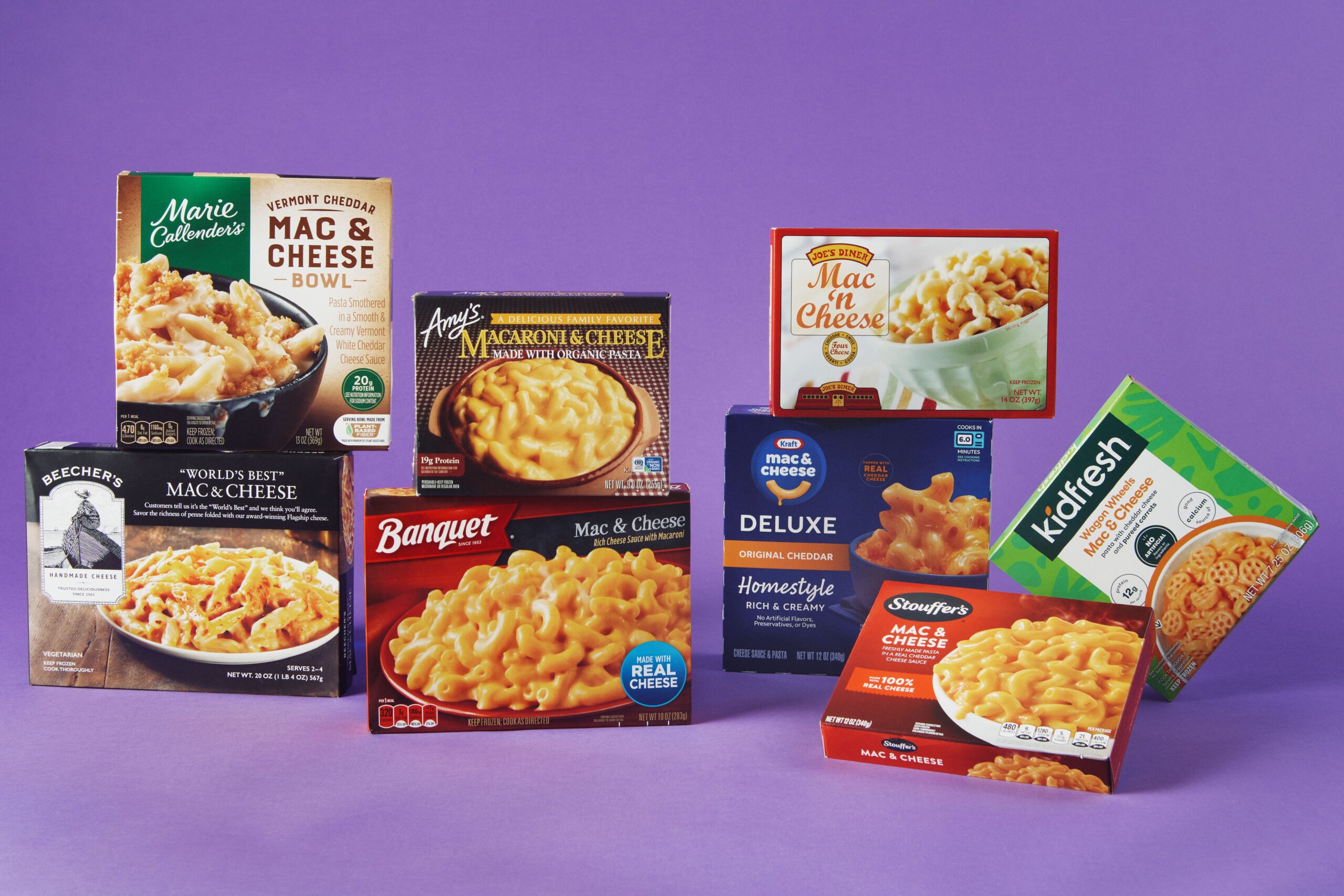
In a significant evaluation reflecting evolving consumer preferences for high-quality convenience meals, a recent comprehensive taste test has identified the leading frozen macaroni and cheese products available across national grocery chains. This rigorous assessment, conducted by a panel of culinary experts, aimed to distinguish offerings that genuinely deliver on promises of ultra-creamy comfort or sharp, homemade-tasting cheesiness from those that fall short of consumer expectations. The results underscore a dynamic market where historical culinary traditions converge with modern demands for speed and accessibility, culminating in products that redefine what is possible in the frozen food aisle.
From Roman "Placenta" to Pantry Staple: A Brief History of Macaroni and Cheese
The journey of macaroni and cheese from ancient delicacy to a quintessential comfort food is a testament to its enduring appeal. While the modern iteration of elbow macaroni drenched in a rich cheddar sauce might seem distinctly American, its origins can be traced back millennia. Historical records suggest a rudimentary form of pasta and cheese layering was enjoyed by the Romans, notably a dish known as "placenta." Roman senator Marcus Porcius Cato, in 160 BCE, documented a recipe for "placenta" that involved stacking sheets of whole grain dough with cheese, honey, and bay leaves. While a far cry from today’s creamy concoction, it represents an early exploration of combining carbohydrates with dairy for a satisfying meal.
Centuries later, similar concepts emerged across Europe. Medieval Italian cookbooks featured dishes like "lasagne," which included pasta layered with cheese. By the 14th century, the English cookbook The Forme of Cury described a dish of "macrows" (an early form of pasta) with butter, cheese, and spices, baked in an oven. The French also developed various gratins and casseroles incorporating pasta and cheese. However, it was in 18th-century England that a dish more closely resembling modern macaroni and cheese began to take shape, often served as a sophisticated side dish for the aristocracy.
The dish’s true ascent to culinary icon status, particularly in North America, is often attributed to Thomas Jefferson. During his time as minister to France in the late 1780s, Jefferson encountered pasta dishes and, upon returning to the United States, famously served "macaroni pie" at a state dinner in 1802. His recipe, brought from Italy, involved boiling pasta, mixing it with cheese (likely Parmesan or Gruyère), and baking it. This presidential endorsement significantly boosted the dish’s profile among the American elite.
The widespread popularization of macaroni and cheese, however, came with the industrial revolution and the advent of mass-produced pasta and processed cheese in the 20th century. The post-World War II era, marked by rapid urbanization and a surge in dual-income households, created a fertile ground for convenience foods. Brands like Kraft introduced boxed macaroni and cheese dinners in the late 1930s, offering an inexpensive, shelf-stable meal that could be prepared in minutes. This innovation cemented mac and cheese’s place as a household staple, transitioning it from a labor-intensive dish to an accessible, comforting meal for all. The evolution continued with the development of frozen food technology, further simplifying preparation and broadening its reach, setting the stage for the rigorous evaluations conducted today.
The Rise of Frozen Convenience: Market Dynamics and Consumer Demand
The growth of the frozen food sector, particularly ready-to-eat meals, has been a defining trend in the modern food industry. Driven by increasingly busy lifestyles, a desire for minimal meal preparation, and advancements in food preservation, the global frozen food market was valued at approximately $260 billion in 2023 and is projected to reach over $380 billion by 2032, according to market research reports. Within this expansive market, frozen entrées, including macaroni and cheese, represent a significant and consistently growing segment.

Consumers today seek a delicate balance: the speed and ease of preparation inherent in frozen foods, coupled with a growing expectation for quality, taste, and ingredients that rival homemade meals. Frozen mac and cheese perfectly encapsulates this demand, serving as a "shortcut of a shortcut." It offers a quicker alternative to even the fastest boxed varieties and significantly reduces the effort required to make the dish from scratch. This convenience is particularly appealing to individuals and families looking for a satisfying meal solution after a long day, allowing them to enjoy a warm, cheesy dinner in the time it takes to change into comfortable attire.
The challenge for manufacturers lies in meeting these elevated consumer expectations. Early frozen meals often suffered from textural compromises and muted flavors due to freezing and reheating processes. However, advancements in flash-freezing techniques, ingredient science, and packaging technology have enabled brands to produce frozen dishes that retain much of their original integrity. Food industry analysts note that brands focusing on "clean label" ingredients, authentic flavor profiles, and diverse culinary offerings are gaining significant traction. "The modern consumer isn’t just buying convenience; they’re investing in a promise of quality and an experience," explains Sarah Chen, a leading food market analyst. "Frozen meals are no longer a last resort but a deliberate choice for many, especially when comfort foods like mac and cheese are involved." This shift necessitates taste tests like the recent one, providing valuable insights into which brands are successfully navigating this complex landscape of consumer desires.
Rigorous Methodology: How the Nation’s Best Were Identified
To ensure an unbiased and comprehensive assessment, the taste test adhered to a strict methodology designed to evaluate frozen macaroni and cheese products on their intrinsic merits. The selection process began by identifying all major frozen mac and cheese brands with nationwide distribution. A critical criterion was focusing exclusively on iterations marketed with a "classic" mac-and-cheese flavor profile. This meant intentionally excluding gourmet variations that incorporate ingredients like bacon, buffalo chicken, or other significant flavor additives, ensuring a level playing field for traditional formulations. Furthermore, only products sourced from the grocery store’s freezer section were considered, eliminating refrigerated or shelf-stable versions to maintain consistency in product category.
Preparation was standardized to minimize variables and replicate a typical consumer experience while ensuring optimal results for tasting. Each frozen mac and cheese was heated directly from the freezer, strictly following the package instructions provided by the manufacturer. While most contenders offered both microwave and oven heating options, the panel unanimously opted for oven preparation. This decision allowed all products to be heated simultaneously, ensuring they reached the tasters at a consistent, ideal temperature. Crucially, each macaroni and cheese was prepared in its original, unmarked, oven-safe container and presented to the panel in a blind fashion, without any identifying brand information. This blind tasting protocol was essential to prevent brand loyalty, marketing influence, or prior perceptions from affecting the objective evaluation of taste and texture.
The evaluation criteria were meticulously defined to uphold high standards for what constitutes excellent frozen comfort food. The sauce was paramount; it had to be smooth, well-emulsified, and possess a genuinely creamy consistency. Any sauces that were deemed soupy, stodgy, gluey, or exhibited signs of "broken sauce" (where oil separates and pools on top) were immediately disqualified or heavily penalized. Flavor-wise, the sauce needed to taste authentically cheesy, not just vaguely savory. While the panel did not expect the nuanced notes of artisanal Gruyère or grassy Fontina, they sought the classic, comforting profile of cheddar: salty-savory with a gentle tanginess. Any additional complex cheese notes were considered a bonus, but the fundamental cheddar character was non-negotiable.
Equally important was the integrity of the pasta. The noodles were expected to be evenly cooked, retaining a discernible texture without being overly firm or mushy. The panel acknowledged that "al dente" perfection, as one might expect from a freshly prepared pasta dish, was an unrealistic expectation for a frozen product. However, a paste-like texture resulting from overcooked pasta or an excessively thick sauce was considered a significant flaw. The absence of these common pitfalls—broken sauce, mushy pasta, or bland flavor—was critical for any contender to remain in the running, underscoring the panel’s commitment to identifying products that genuinely delivered on the promise of high-quality frozen convenience.
The Winning Formulas: A Deep Dive into Top Performers
After extensive blind tastings and detailed evaluations against the established criteria, three distinct frozen macaroni and cheese brands emerged as frontrunners, each excelling in a specific category while collectively setting a high bar for quality in the convenience food market.

Stouffer’s: The Unwavering Classic
Stouffer’s, a household name synonymous with frozen dinners for decades, demonstrated its mastery in delivering a consistently satisfying classic macaroni and cheese. Its ingredient list reflects the genre’s typical components: cooked macaroni noodles, skim milk, water, cheddar cheese, and cheddar club cheese – a blend often used to achieve a smooth, meltable consistency.
Despite initial reservations from Senior Test Kitchen Editor Jesse Szewczyk regarding its "electric orange" hue, other tasters unexpectedly found this vibrant color appealing, associating it with traditional American cheddar mac and cheese. Once the panel began tasting, any aesthetic concerns quickly dissipated. Stouffer’s larger-than-average elbow macaroni was uniformly cooked, achieving a tender yet not mushy texture. The sauce, the cornerstone of any great mac and cheese, struck a comforting balance of saltiness and gooey creaminess, effectively coating each noodle. A subtle nutty undertone, often lacking in blander competitors, further elevated its profile.
The consensus was that Stouffer’s wasn’t attempting to be an artisanal, gourmet offering but rather a perfectly executed, crowd-pleasing classic. Senior Visuals Editor Megan Paetzhold encapsulated the sentiment, remarking, "This is what I think about when I think of frozen mac and cheese," a testament to its ability to meet and exceed fundamental consumer expectations for the category. Its consistent performance and widespread availability make it a reliable choice for those seeking the quintessential frozen mac and cheese experience.
Trader Joe’s: The Four-Cheese Connoisseur’s Choice
For those whose palates lean away from the "Day-Glo" aesthetic and towards a more refined, multi-dimensional cheese experience, Trader Joe’s entry proved to be a standout. Marketed as a white-cheddar mac and cheese, it distinguishes itself with a sophisticated four-cheese blend that includes Havarti, Gouda, and Swiss alongside cheddar. This combination promises a depth of flavor that many single-cheese formulations cannot achieve.
Initially, the dish presented a slightly dry appearance upon serving, which raised some eyebrows. However, these initial visual impressions were quickly overturned by the first bites, as compliments rapidly ensued from the tasting panel. Senior Cooking and SEO Editor Joe Sevier immediately identified the complexity of the four-cheese blend, praising its "dynamic, layered flavor." This indicated a successful integration of different cheese profiles, each contributing distinct notes without overwhelming the overall balance. Senior Service Editor Kelsey Jane Youngman specifically highlighted the creamy texture of the sauce, noting how it consistently coated each elbow noodle. She also commended the pasta’s integrity, observing that it remained sturdy enough to maintain its shape without succumbing to a pasty consistency—a common pitfall in frozen pasta dishes.
Tasters frequently remarked on a comforting toastiness in the flavor profile, complemented by a well-balanced sharp tang. These nuanced details appealed to both purists who appreciate a strong cheese presence and those who seek a "big-flavor" experience. Trader Joe’s offering successfully caters to a consumer segment that desires convenience without compromising on a more sophisticated, gourmet-adjacent flavor profile, demonstrating the brand’s ability to innovate within the frozen food category.
Beecher’s: Elevating Frozen to Gourmet
Beecher’s Handmade Cheese boldly declares its product the "World’s Best" mac & cheese directly on its packaging, a claim that, while ambitious, has been substantiated by its high rankings in numerous prior taste tests. Its ingredient list hints at a more complex profile, featuring both cheddar and Jack cheeses, alongside a chipotle purée that incorporates lime juice, honey, and a blend of herbs. This combination suggests a departure from traditional mac and cheese, aiming for a more adventurous, layered flavor.

The tasting panel’s unanimous vote for Beecher’s as the overall best was accompanied by a significant caveat: it "doesn’t taste like mac and cheese" in the conventional sense. This distinction was largely due to its innovative approach. For instance, it was the only contender to use penne pasta instead of the more common elbow macaroni. This larger, sturdier noodle shape provided a more substantial and satisfying chew, differentiating it texturally from the competition.
The sauce was another point of departure. Tasters described it as more akin to a rich, cheese-laced cream sauce, drawing comparisons to an "American-style Alfredo" rather than a classic cheddar sauce. Its flavor profile skewed sharp and nutty, with a subtle whisper of chile from the chipotle purée. This addition provided an unexpected depth and warmth without introducing overt heat, making it intriguing rather than spicy. The overall impression was that Beecher’s transcended the typical frozen meal experience. Contributing Writer Andrea Strong articulated this perfectly, stating, "you could convince a date that you made this from scratch." This sentiment highlights Beecher’s success in bridging the gap between frozen convenience and restaurant-quality, homemade taste, positioning it as a premium option for discerning consumers willing to pay a higher price point for an elevated culinary experience.
Implications for the Industry and the Future of Comfort Food
The findings of this comprehensive taste test carry significant implications for the frozen food industry and reflect broader trends in consumer behavior. The success of brands like Stouffer’s, Trader Joe’s, and Beecher’s underscores a multifaceted consumer demand: some seek the nostalgic, reliable comfort of a classic, while others crave innovative flavor profiles and premium ingredients even in convenience formats.
For manufacturers, the challenge remains to innovate within the constraints of freezing technology and mass production while meeting diverse palates. The ability of Beecher’s to command a premium price point and redefine expectations for frozen mac and cheese indicates a growing market for "gourmet convenience." This segment values high-quality ingredients, unique flavor combinations, and an experience that mimics fresh preparation. Food innovation experts suggest that brands will continue to invest in R&D to develop cleaner labels, more sophisticated flavor profiles, and advanced packaging solutions that enhance texture and taste upon reheating.
Moreover, the enduring appeal of macaroni and cheese, from its ancient Roman precursors to its modern frozen forms, highlights the fundamental human need for comfort food. In a fast-paced world, the psychological satisfaction derived from a warm, cheesy, and easy-to-prepare meal remains a powerful driver of consumer choice. Culinary historians often point to comfort foods as pillars of culinary heritage, providing familiarity and emotional solace. The frozen food industry is effectively capitalizing on this inherent demand, offering accessible versions of beloved classics.
Looking ahead, the frozen comfort food market is likely to see continued growth, driven by an aging population seeking ease, younger generations prioritizing convenience, and a general societal trend towards reducing cooking time without sacrificing enjoyment. The successful brands will be those that not only deliver on the promise of convenience but also consistently surprise and delight consumers with quality, innovation, and an unwavering commitment to flavor. The recent taste test serves as a crucial benchmark, demonstrating that even in the realm of frozen foods, excellence is achievable, and the pursuit of the perfect, ready-to-eat comfort meal continues to evolve.