


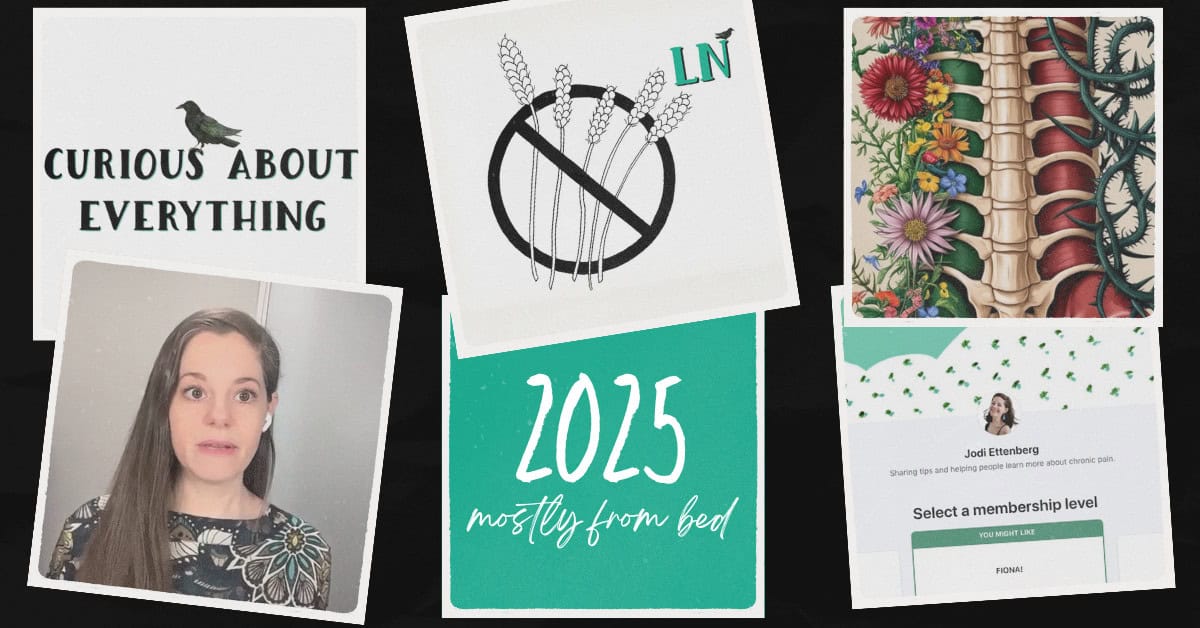
Jodi Ettenberg, the founder of Legal Nomads and a prominent advocate for patients with Spontaneous Intracranial Hypotension (SIH), has released a comprehensive year-end report for 2025, detailing a series of professional and institutional achievements completed while navigating severe physical disability. The report highlights a significant intersection of patient advocacy, medical research, and global accessibility, marking a year where Ettenberg integrated her background as a corporate lawyer with her current role as a leader in the spinal cerebrospinal fluid (CSF) leak community. Despite a significant health setback at the beginning of the year, the 2025 data indicates a robust expansion of her digital resources and a pivotal role in advancing standardized medical reporting for rare neurological conditions.
Background and Context: The Evolution of Legal Nomads and SIH Advocacy
To understand the scope of Ettenberg’s 2025 achievements, it is necessary to examine the trajectory of her career and the medical conditions that reshaped it. Originally a high-level corporate attorney, Ettenberg transitioned into travel journalism and entrepreneurship in 2008, founding Legal Nomads. The platform initially focused on the intersection of food and travel, particularly for those with Celiac disease. However, in 2017, Ettenberg sustained a spinal CSF leak following a routine medical procedure.
A spinal CSF leak occurs when a hole or tear in the dura mater—the tough membrane covering the brain and spinal cord—allows cerebrospinal fluid to escape. This results in Spontaneous Intracranial Hypotension, a condition characterized by debilitating "orthostatic" headaches that worsen when the patient is upright. For Ettenberg, this led to a radical constriction of physical movement, with her "uptime" (the time she can spend standing or sitting upright) measured in strict increments to avoid neurological collapse. Since 2017, she has transitioned from a global traveler to a "supine creator," utilizing digital tools to manage a business and lead non-profit initiatives from a bed-bound position.
Chronology of 2025: From Physical Setback to Institutional Leadership
The 2025 calendar year began with a significant medical crisis for Ettenberg. On December 25, 2024, a physical accident unspooled her "leak baseline," resulting in a near-total loss of upright capacity for several months. This setback forced a prioritization of tasks, focusing on digital curation and administrative leadership that could be managed via mobile devices.
By mid-2025, Ettenberg’s focus shifted toward institutional governance. As the Board President of the Spinal CSF Leak Foundation, she oversaw a complex executive search and hiring process. This period also coincided with "Leakweek," an annual awareness campaign that saw record-breaking community engagement. In the latter half of the year, Ettenberg moved into the realm of clinical literature, co-authoring a medical research paper and presenting at a major neuroradiology conference. This chronology reflects a strategic move from individual content creation toward systemic advocacy and medical collaboration.
Advancing Medical Standards: The SIH-RADS Research Paper
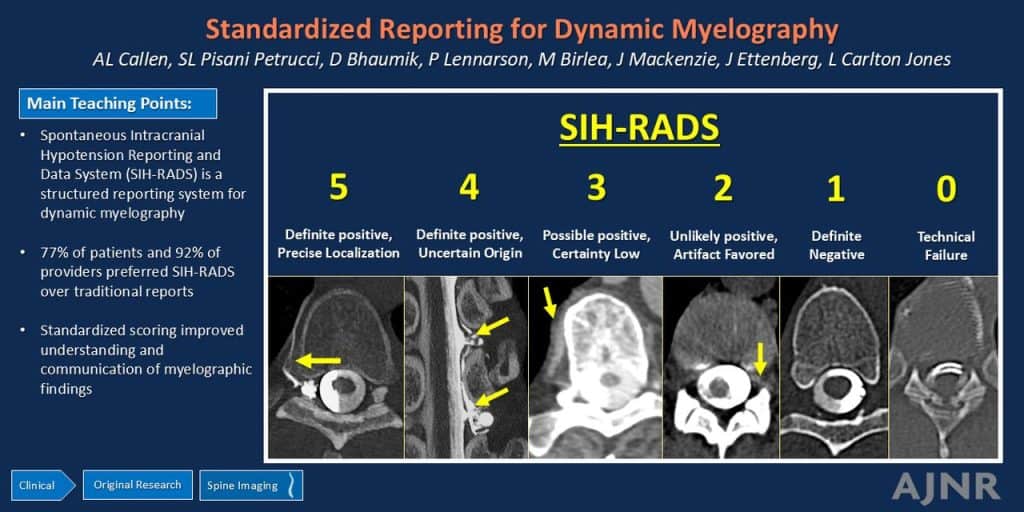
One of the most significant milestones of 2025 was Ettenberg’s contribution to a peer-reviewed research paper published in the American Journal of Neuroradiology (AJNR). Collaborating with a team of physicians, Ettenberg served as a patient author for a study proposing a new standardized reporting measure known as SIH-RADS (Spontaneous Intracranial Hypotension Reporting and Data System).
The paper, titled "Enhancing Clarity in Dynamic Myelography Reporting," addresses a critical gap in the diagnosis of spinal CSF leaks. Dynamic myelography is a specialized imaging technique used to locate dural defects in real-time. Before the proposal of SIH-RADS, reporting for these procedures lacked standardization, often leading to ambiguity between radiologists and referring physicians. The SIH-RADS system aims to:

- Standardize Nomenclature: Provide a uniform language for describing various types of leaks, such as CSF-venous fistulas or dural tears.
- Improve Diagnostic Accuracy: Assist physicians in categorizing the certainty of a leak location, which is vital for planning surgical or interventional treatments.
- Enhance Patient Understanding: Create reports that are more accessible to patients, allowing them to participate more effectively in their care plans.
Data from the study indicated that both patients and referring providers preferred the SIH-RADS system over traditional narrative reporting, suggesting a potential shift in how rare spinal conditions are documented globally.
Global Accessibility and the Celiac Community: Quantitative Impact
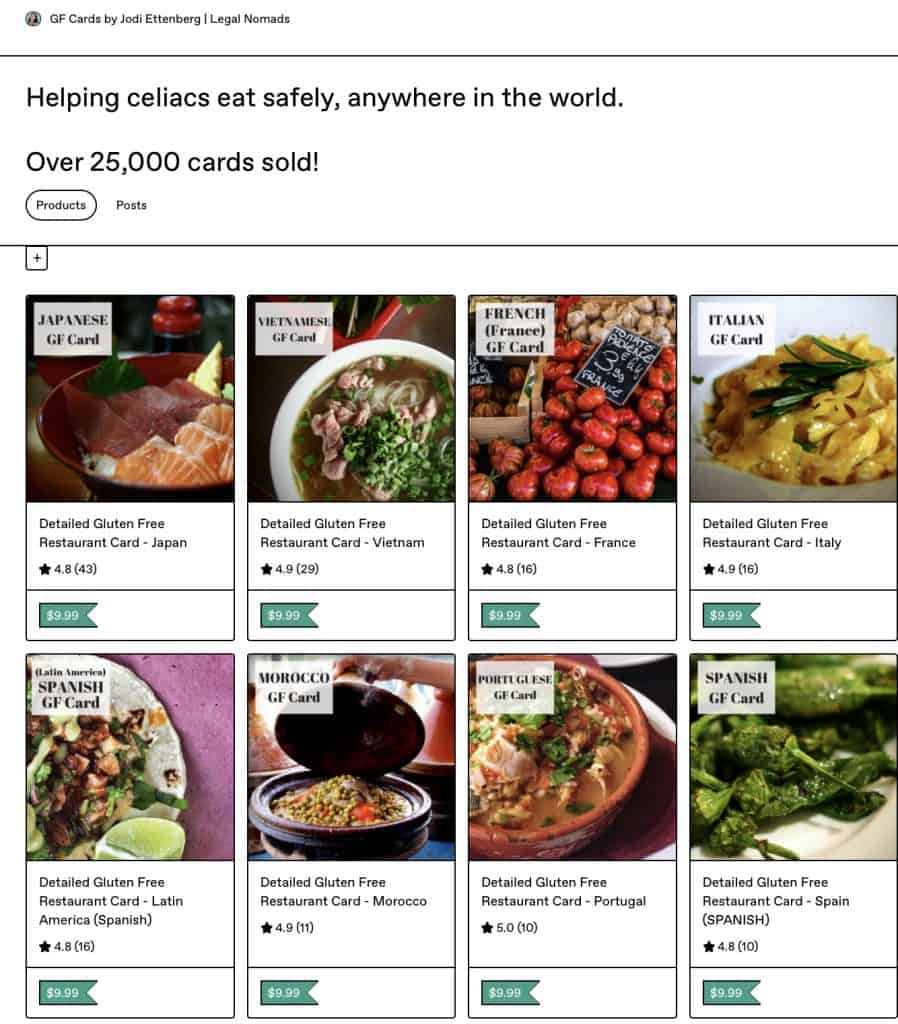
Parallel to her medical advocacy, Ettenberg continued to expand the commercial and educational branches of Legal Nomads. In 2025, the platform reached a significant quantitative milestone: the sale of the 25,000th Celiac Translation Card. These cards are specialized tools designed to help travelers with Celiac disease communicate strict dietary requirements in foreign languages, focusing on cross-contamination and hidden gluten sources.

The year saw the addition of three new languages—Croatian, Korean, and Khmer—bringing the total library to 21 languages. This expansion is particularly relevant for regions like South Korea and Cambodia, where traditional diets often contain soy sauce or grain-based thickeners that pose a high risk to Celiac patients. Furthermore, Ettenberg published two comprehensive "Essential Gluten-Free Guides" for Cambodia and South Korea. These guides, often exceeding 5,000 words, provide a detailed analysis of local ingredients, safe street food options, and hospital-vetted terminology. This work remains a primary revenue stream for Legal Nomads, supporting Ettenberg’s ability to conduct pro bono volunteer work for the Spinal CSF Leak Foundation.
Institutional Governance: Leading the Spinal CSF Leak Foundation
Ettenberg’s role as Board President of the Spinal CSF Leak Foundation in 2025 marked a transition into high-level non-profit management. A primary objective for the year was the recruitment of a new Executive Director to stabilize the organization’s operations. The process was a significant administrative undertaking, involving:
- Candidate Vetting: Managing over 130 applications from across the non-profit sector.
- Legal Coordination: Working with pro bono employment counsel to navigate the legal complexities of executive hiring and remote work structures.
- Strategic Onboarding: Developing a scoring and interview process that integrated board members and medical advisors.
Under Ettenberg’s leadership, the Foundation also successfully executed "Leakweek 2025," raising $4,217 through community-led initiatives. These funds are designated for the launch of the first international patient registry for spinal CSF leak, a data-driven project aimed at tracking long-term patient outcomes and identifying patterns in misdiagnosis.
Public Speaking and Media Engagement
Despite her physical limitations, Ettenberg maintained a presence in professional discourse through digital and hybrid speaking engagements. In June 2025, she participated in a "fireside chat" at a medical conference with Dr. Andrew Callen, a neuroradiologist from the University of Colorado. The discussion focused on the barriers to care for SIH patients, specifically the psychological and systemic challenges of navigating a rare disease that is not easily visible on standard imaging.

Additionally, Ettenberg was featured on "The Hearing," a global legal podcast produced by Thomson Reuters. The interview explored her transition from law to advocacy, offering a case study in how legal training—specifically in the areas of evidence, logic, and systemic analysis—can be applied to medical patient advocacy. The episode highlighted a growing trend of "alternative careers for lawyers," positioned within the context of disability and remote entrepreneurship.
Analysis of Broader Implications and Future Outlook
The 2025 report from Jodi Ettenberg provides a factual basis for analyzing the evolving role of the "expert patient" in modern medicine. Her ability to contribute to a medical research paper and lead a national foundation while confined to a supine position underscores the impact of assistive technology and the digital economy on professional inclusivity.

From a medical perspective, the introduction of SIH-RADS represents a move toward the "democratization" of medical data, where standardized reporting allows for better international collaboration among specialists. For the Celiac community, the continued expansion of translation resources indicates that despite a global shift toward digital menus, there remains a critical need for high-fidelity, offline communication tools in high-stakes health environments.
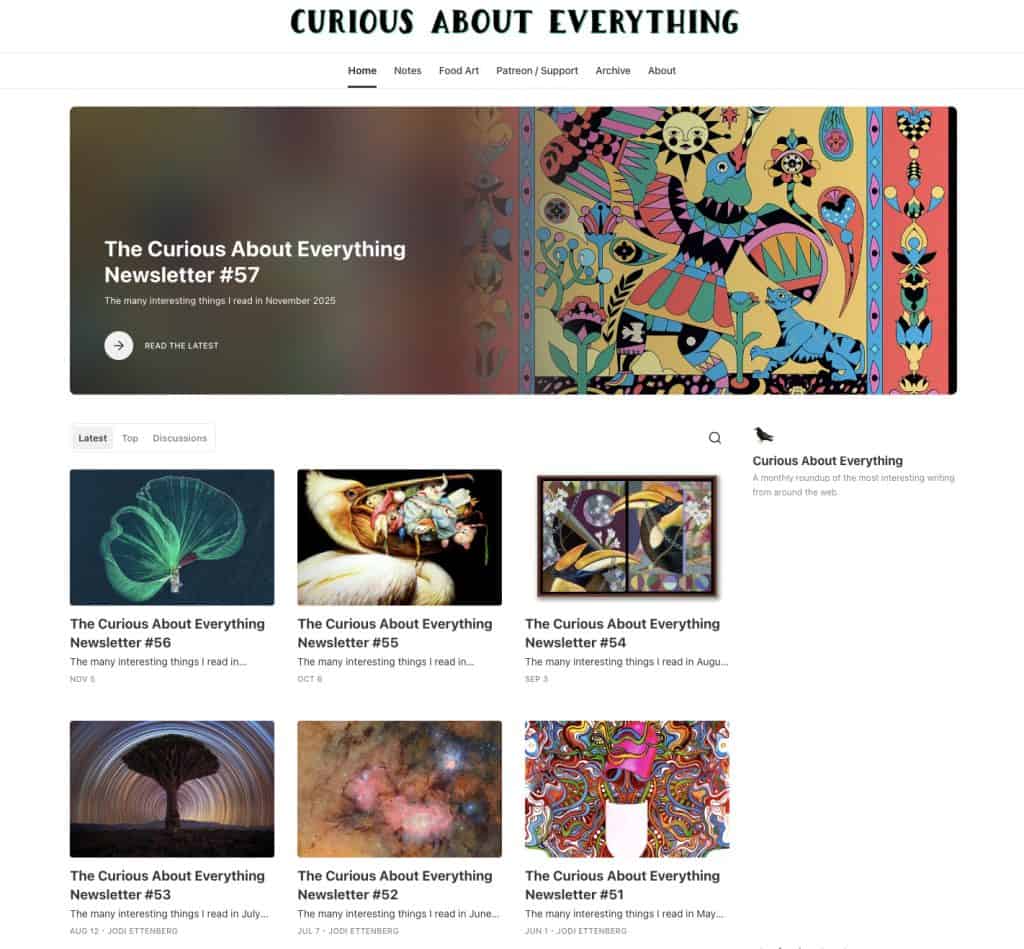
Looking toward 2026, the data suggests that Ettenberg’s focus will shift toward the stabilization of the Spinal CSF Leak Foundation’s new leadership and the continued expansion of her "Curious About Everything" newsletter, which currently serves as a primary touchpoint for her community of over 50,000 readers. The 2025 milestones serve as a benchmark for how individuals with high-acuity chronic illness can maintain significant professional output through strategic prioritization and institutional collaboration.