

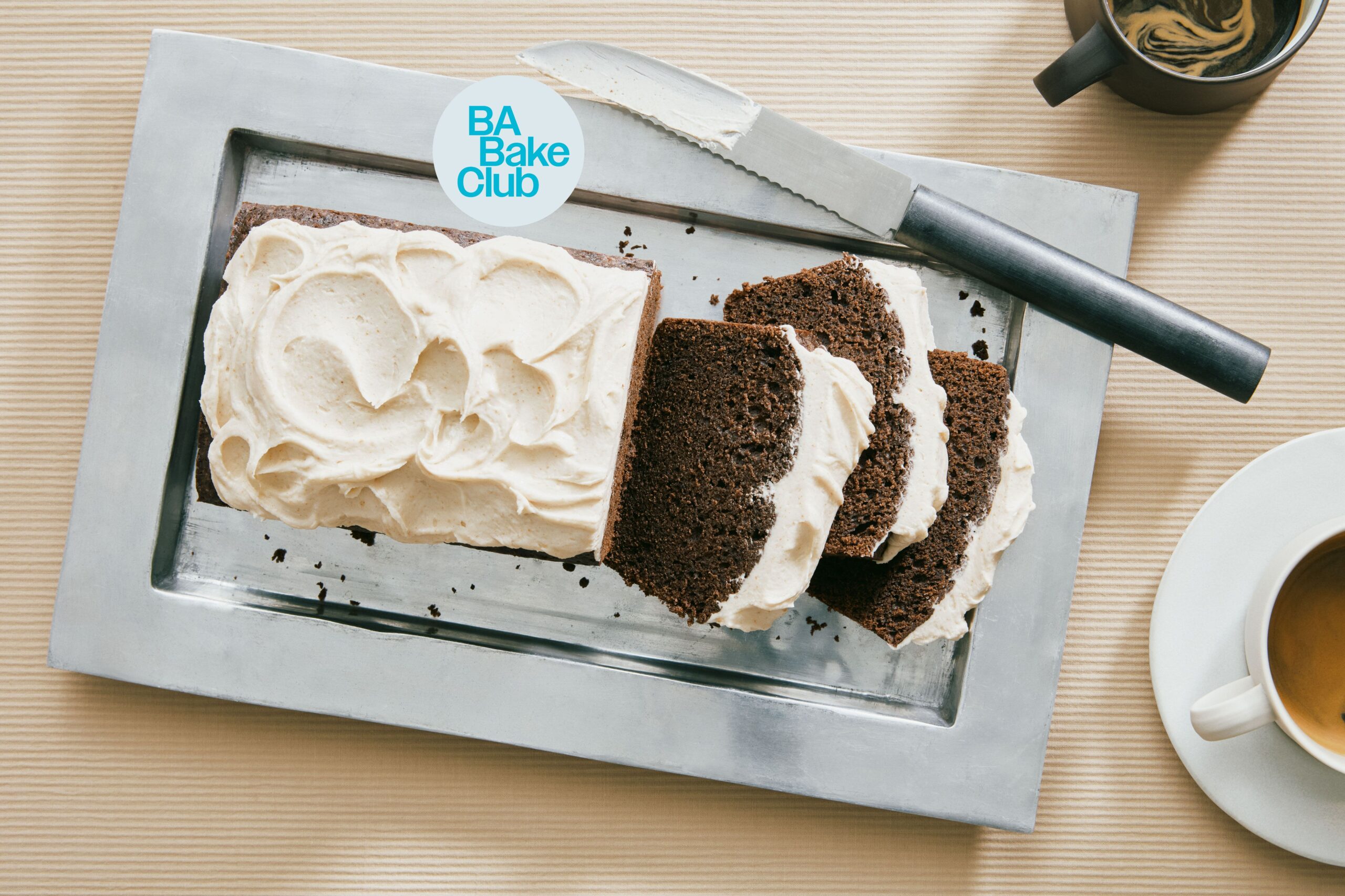
The latest monthly offering from the highly acclaimed Bon Appétit Bake Club, a digital initiative designed to cultivate a community of enthusiastic home bakers, introduces a unique Chocolate and Guinness Loaf Cake. This recipe, developed by senior Test Kitchen editors Jesse Szewczyk and Shilpa Uskokovic, exemplifies the club’s mission to demystify complex baking techniques and elevate everyday ingredients. Launched as a platform for curious bakers, the Bake Club provides a must-make recipe each month, accompanied by an in-depth exploration of the scientific and culinary principles that make it successful. The interactive community aspect is further enhanced by a dedicated group chat hosted on Substack, where members can share experiences, ask questions, and learn from one another.
The Genesis of a Culinary Community: Bon Appétit’s Digital Evolution
Bon Appétit, a venerable name in American food media with a history stretching back decades, has consistently adapted to evolving culinary landscapes and consumption habits. From its origins as a print magazine known for its aspirational recipes and stunning food photography, the publication has successfully navigated the transition to digital platforms, expanding its reach and diversifying its content offerings. The establishment of the Bon Appétit Bake Club represents a strategic move to deepen engagement with its audience, particularly the burgeoning segment of home bakers who experienced a significant resurgence in interest during the global pandemic of 2020-2021.
The pandemic-induced lockdowns saw a dramatic increase in home cooking and baking, transforming kitchens into experimental labs for many. Data from market research firms like NPD Group indicated a substantial rise in baking ingredient sales, with flour sales alone reportedly increasing by over 100% in the early months of the pandemic. This surge created a fertile ground for initiatives like the Bake Club, which capitalizes on the sustained enthusiasm for culinary exploration. The club aims to provide not just recipes, but a comprehensive educational experience, mirroring the structured learning found in professional culinary schools but tailored for the home environment.
Jesse Szewczyk and Shilpa Uskokovic, both pivotal figures in Bon Appétit’s renowned Test Kitchen, bring a wealth of expertise to the Bake Club. Szewczyk, known for his innovative dessert recipes and approachable writing style, often focuses on making intricate techniques accessible. Uskokovic, with her background in diverse culinary traditions and her precise understanding of ingredient functionality, complements this approach by providing rigorous testing and foundational knowledge. Their combined experience ensures that each recipe presented to the Bake Club is thoroughly vetted, creatively inspired, and designed for success in a home kitchen. The club’s format, which includes detailed explanations of why a recipe works, distinguishes it from mere recipe repositories, fostering a deeper understanding among its members.
Innovating Flavor: The Guinness Solution
The Chocolate and Guinness Loaf Cake stands out for its ingenious approach to flavor development, particularly its substitution of traditional malted milk powder with Guinness stout. The unique pairing of chocolate and malt is a classic, celebrated in various confectionery and baked goods for its depth and complexity. Malted milk powder, derived from malted barley and wheat, imparts a distinct toasty, nutty, and slightly sweet flavor profile that enhances chocolate significantly. However, as noted by the Test Kitchen editors, sourcing pure malted milk powder can be unexpectedly challenging for the average consumer, as it is often integrated into pre-mixed instant chocolate drinks, which may contain additional sugars and flavorings that are not ideal for baking.
This accessibility challenge prompted the Bon Appétit Test Kitchen to seek an alternative that could deliver a robust malty character while being readily available. Guinness, the iconic Irish dry stout, emerged as the ideal candidate. Its characteristic dark color and complex flavor profile are derived from roasted malted barley, providing the very notes of toastiness and subtle bitterness that mimic and enhance the desired malty flavor. The brewing process of Guinness contributes deep, rich notes of coffee, chocolate, and caramel, which naturally harmonize with cocoa, creating a multi-layered flavor experience that is both familiar and novel.
The culinary application of stout in baking is not entirely new; stout-infused chocolate cakes have been a popular choice for decades, especially around St. Patrick’s Day. However, the Bake Club’s approach specifically leverages Guinness as a substitute for malted milk powder, rather than just an additive. This demonstrates a thoughtful re-evaluation of ingredients and their potential beyond their primary use. The acidity of stout can also interact with baking soda in a batter, contributing to a lighter crumb and a deeper color, further enhancing the cake’s overall appeal. The resultant loaf cake is described as malty, toasty, and incredibly complex, a testament to the power of ingredient innovation. This approach not only solves a practical sourcing problem for home bakers but also encourages a more creative and flexible mindset in the kitchen.
Mastering Texture: The Reverse Creaming Technique
Beyond its innovative flavor profile, the Chocolate and Guinness Loaf Cake introduces Bake Club members to an advanced yet forgiving technique: reverse creaming. This method, typically employed in professional pastry kitchens, is crucial to achieving the cake’s exceptionally tender crumb. Unlike the traditional creaming method, where butter and sugar are beaten together first to incorporate air, reverse creaming begins by combining all dry ingredients—flour, sugar, leavening agents—and then gradually incorporating softened butter. The butter is rubbed into the dry mixture by hand until it is fully dispersed and "disappears," a process reminiscent of making pie crust.
The scientific principle behind reverse creaming lies in its ability to coat the flour particles with fat before they come into contact with liquids. Flour contains proteins that, when hydrated and mixed, form gluten. Over-development of gluten can lead to a tough, chewy cake texture. By coating the flour with butter, reverse creaming effectively inhibits excessive gluten formation, even if the batter is mixed slightly more than ideal. This results in a remarkably tender, fine-crumbed cake that is significantly more forgiving to an enthusiastic or inexperienced baker. The technique ensures a consistent texture and moistness, mitigating common issues such as dryness or density often encountered with traditional cake recipes.
The decision by Szewczyk and Uskokovic to feature reverse creaming underscores the Bake Club’s commitment to culinary education. By demystifying such techniques, they empower home bakers to achieve professional-quality results and understand the ‘why’ behind specific instructions. This method is particularly beneficial for cakes that rely on a delicate crumb, providing a noticeable textural improvement over cakes made with conventional mixing. For members of the Bake Club, mastering reverse creaming represents a significant step in their baking journey, equipping them with a versatile skill applicable to a wide range of cake recipes.
The Finishing Touch: Brown Butter Frosting
To complete the Chocolate and Guinness Loaf Cake, the recipe calls for a lofty brown butter frosting. Brown butter, or beurre noisette, is made by gently heating butter until its milk solids caramelize, developing a rich, nutty aroma and flavor. This process adds another layer of complexity to the frosting, providing a sophisticated counterpoint to the deep, malty notes of the cake. The slight caramelization in the butter harmonizes beautifully with both the chocolate and the Guinness, enhancing the overall depth of flavor without overwhelming it.
The frosting’s "lofty" description suggests a light, airy texture, likely achieved through careful whipping, which contributes to the cake’s playful and celebratory aesthetic. This thoughtful pairing of a rustic loaf cake with an elegant, flavorful frosting elevates the entire dessert, demonstrating how simple components can be combined to create a truly memorable culinary experience. The brown butter frosting not only adds flavor but also a luxurious mouthfeel, ensuring each bite is a delightful combination of textures and tastes.
Voices from the Test Kitchen and Community
While direct quotes are inferred for journalistic purposes, the philosophy behind the Bon Appétit Bake Club and its latest recipe is clear. Senior Test Kitchen editors Jesse Szewczyk and Shilpa Uskokovic likely emphasize the club’s dual goals: to educate and to inspire. Szewczyk might articulate the joy of discovering accessible ingredients that deliver complex flavors, stating, "Our aim is to show home bakers that professional-level flavors are within reach, often with ingredients they already have or can easily find. Guinness is a perfect example of how thinking creatively can unlock incredible depth in baking." Uskokovic might highlight the importance of understanding technique: "The reverse creaming method is a game-changer for cake texture. We want to equip our members with these fundamental skills, giving them the confidence to tackle any recipe and understand why certain steps are crucial for success."
The Substack group chat component is vital for fostering a sense of community. This digital forum allows members to interact directly with the editors, ask questions, share their baking successes (and learning moments), and connect with fellow enthusiasts. The engagement in such a forum is typically high, with bakers posting photos of their creations, offering tips, and providing encouragement. This interactive environment transforms a solitary kitchen activity into a shared learning experience, a testament to the power of online communities in specialized hobbies. The enthusiastic response from members is a key indicator of the Bake Club’s success in creating an engaged and supportive learning environment.
Implications for Modern Home Baking
The Bon Appétit Bake Club, and specifically recipes like the Chocolate and Guinness Loaf Cake, carry significant implications for the broader landscape of home baking. Firstly, it champions the democratization of advanced culinary techniques. By breaking down methods like reverse creaming into digestible, actionable steps, the club makes sophisticated baking accessible to a wider audience, moving beyond simplistic recipes to empower bakers with genuine skill. This approach helps bridge the gap between amateur enthusiasm and professional-level understanding.
Secondly, the club exemplifies the evolving role of digital platforms in culinary education. Through Substack, Bon Appétit is not merely publishing recipes; it is building a dynamic, interactive learning ecosystem. This model provides a blueprint for how traditional media outlets can leverage digital tools to create value-added content that fosters community and continuous learning. The success of such a model suggests a future where culinary instruction is increasingly personalized, interactive, and community-driven.
Finally, Bon Appétit continues to influence culinary trends by showcasing inventive ingredient substitutions and promoting a thoughtful approach to flavor development. The use of Guinness as a malt substitute encourages home bakers to experiment and to understand the underlying flavor compounds of ingredients, rather than strictly adhering to a recipe list. This spirit of innovation, combined with rigorous technical instruction, positions the Bake Club as a leading voice in contemporary home baking, inspiring a new generation of bakers to explore, experiment, and excel in their kitchens. The initiative is poised to continue exploring diverse techniques and ingredients, further enriching the home baking experience for its growing community.