

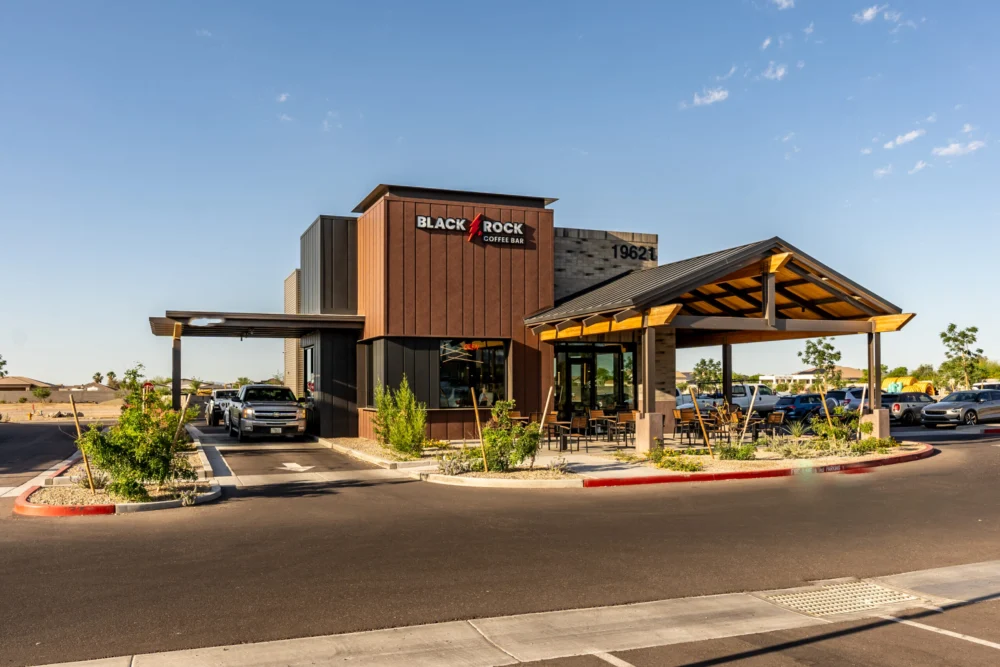
Scottsdale, Arizona-based Black Rock Coffee Bar is positioning itself as a significant contender in the increasingly competitive specialty coffee market, demonstrating robust growth and outlining an aggressive expansion strategy. The emerging beverage chain recently reported a compelling 9.3% increase in same-store sales for the fourth quarter ending December 31, underscoring its ability to attract and retain customers in a dynamic industry. This growth trajectory, coupled with a bold long-term vision of reaching 1,000 stores by 2035, signals a strategic push to capture a larger share of the burgeoning coffee market.
The company’s financial results for the fourth quarter reflect a strong performance, with revenues climbing to $53.6 million, a substantial 25.3% increase compared to the same period in the previous year. Net income saw a dramatic surge of 137.4%, reaching $1.6 million, a significant turnaround from a net loss of $4.2 million in the fourth quarter of 2024. This financial rebound is a testament to the company’s operational efficiency and its successful market penetration strategies.
A Scalable Playbook for Growth
The driving force behind Black Rock Coffee Bar’s impressive sales and revenue growth is a combination of strategic initiatives and a proven development playbook. The addition of 12 new stores in the fourth quarter alone, bringing the total portfolio to 181 locations, played a pivotal role. However, the company’s ambitions extend far beyond its current footprint. The long-term target of 1,000 stores by 2035 highlights a commitment to sustained expansion and market dominance.
"Performance across our growth markets highlights the effectiveness of our scalable development playbook and the impact of our strategic initiatives," stated Black Rock Coffee CEO Mark Davis in a recent press release. "This is reflected in another quarter of outperformance by our newest cohort on sales, store-level profit, employee retention, and guest satisfaction." This quote suggests a data-driven approach to site selection and store operations, where new locations are expected to meet or exceed performance benchmarks set by established stores. The emphasis on employee retention and guest satisfaction further indicates a focus on building a sustainable and customer-centric business model.
Navigating a Competitive Landscape
The specialty coffee sector is characterized by intense competition, with established giants and a wave of agile, emerging brands vying for consumer attention. Black Rock Coffee Bar faces formidable rivals such as Dutch Bros, another rapidly expanding chain that recently reported a healthy 7.7% same-store sales growth for the same fourth quarter. This parity in growth rates between two emerging players suggests a market that, while competitive, still possesses ample room for diverse and innovative concepts to thrive. The ability of multiple brands to achieve double-digit revenue growth and positive same-store sales indicates a growing overall demand for high-quality coffee experiences.
The coffee market has evolved significantly from a simple commodity to a lifestyle choice. Consumers are increasingly seeking unique flavor profiles, artisanal preparation methods, and a welcoming atmosphere. Emerging chains like Black Rock Coffee Bar are capitalizing on this trend by differentiating themselves through their product offerings, store design, and customer service. This broader market trend benefits all players who can effectively tap into consumer desires for more than just a caffeine fix.
Full-Year Performance and Future Projections
For the entirety of the fiscal year, Black Rock Coffee Bar demonstrated substantial expansion, opening a total of 32 new stores. This aggressive pace of new store openings contributed to the company’s overall double-digit sales and revenue growth, even in the face of operational income declines. While the specific reasons for the operational income decline were not detailed, it could be attributed to the significant investment required for rapid expansion, such as pre-opening expenses, new staff training, and initial marketing efforts for newly launched locations.
Looking ahead, the company has set ambitious goals for 2026, projecting the opening of 36 new cafés. Concurrently, they anticipate continued same-store sales growth in the mid-single digits. This forward-looking strategy indicates a balanced approach to expansion, combining aggressive new unit development with a focus on optimizing existing store performance.
"Looking into 2026, our momentum through year-end combined with our continued focus on a differentiated guest experience, people-first culture, and disciplined expansion strategy, gives us confidence in our outlook and the long-term value we are building for shareholders," CEO Mark Davis elaborated. This statement reinforces the company’s commitment to its core values and strategic pillars, suggesting that future growth will be underpinned by a consistent brand experience and a strong internal culture. The mention of "long-term value for shareholders" indicates a focus on sustainable profitability and shareholder returns as key performance indicators.
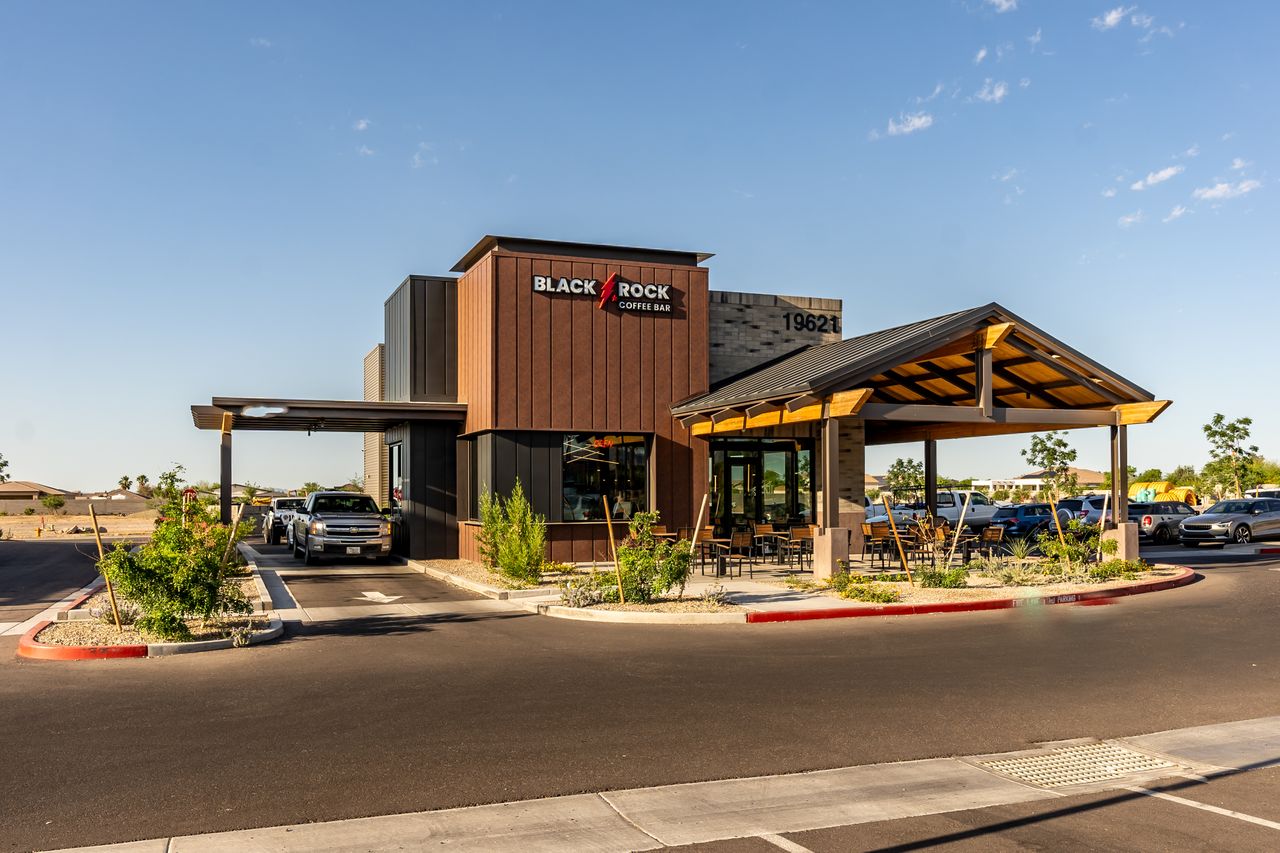
Financial Snapshot and Key Metrics
The financial reporting for the fourth quarter provides a clear picture of Black Rock Coffee Bar’s recent performance. The revenue figure of $53.6 million represents a significant year-over-year increase, showcasing the impact of both new store openings and enhanced sales at existing locations. The remarkable surge in net income from a loss to a substantial profit highlights improved profitability and operational leverage. This turnaround is particularly encouraging for investors and stakeholders, indicating that the company is moving towards a more robust and sustainable financial footing.
The breakdown of financial performance can be further contextualized by considering industry benchmarks. For instance, a 25.3% revenue increase is considerably higher than the average growth rates seen in the broader quick-service restaurant (QSR) sector, suggesting Black Rock Coffee Bar is outperforming many of its peers. The significant swing in net income also points to effective cost management and pricing strategies that are translating into bottom-line growth.
Strategic Implications and Market Outlook
Black Rock Coffee Bar’s aggressive expansion plans and strong financial results have several implications for the wider coffee and beverage industry. Firstly, it signals a continued trend of consolidation and growth among emerging chains, which are increasingly challenging the dominance of established players. The company’s focus on a "scalable development playbook" suggests that they have a replicable model for launching and operating new stores, which is crucial for rapid expansion.
Secondly, the success of Black Rock Coffee Bar, alongside competitors like Dutch Bros, indicates a sustained consumer appetite for specialized coffee experiences. This trend encourages further innovation in product development, store design, and customer engagement. Brands that can offer a unique value proposition, whether through innovative beverages, a strong community focus, or a commitment to sustainability, are likely to capture a larger market share.
The company’s stated goal of 1,000 stores by 2035 places it on a trajectory to become a national force in the coffee sector. Achieving this goal will require sustained capital investment, efficient supply chain management, and a continued focus on talent acquisition and development. The company’s ability to maintain its culture and brand identity across a vast network of locations will be critical to its long-term success.
Furthermore, the emphasis on "differentiated guest experience" and "people-first culture" suggests that Black Rock Coffee Bar recognizes the importance of human capital and customer loyalty. In an industry where service can be a key differentiator, investing in employees and fostering positive customer interactions is paramount. This approach can lead to higher customer retention rates, positive word-of-mouth marketing, and a stronger brand reputation.
The competitive landscape also means that Black Rock Coffee Bar must remain agile and responsive to evolving consumer preferences. The rise of plant-based milk alternatives, the demand for ethically sourced ingredients, and the growing interest in low-sugar or functional beverages are all trends that the company will need to address to maintain its growth momentum.
Looking Ahead: The Path to 1,000 Stores
The journey to 1,000 stores is a marathon, not a sprint. Black Rock Coffee Bar’s strategic planning appears to be geared towards long-term sustainable growth. The projected opening of 36 cafés in 2026 indicates a measured but significant expansion pace. This will likely involve a combination of company-owned stores and potentially franchising in certain markets, although specific details on their expansion model have not been publicly disclosed.
The company’s confidence in its future outlook, as expressed by CEO Mark Davis, is rooted in its operational performance, strategic initiatives, and a clear vision for value creation. As Black Rock Coffee Bar continues to expand its footprint, its ability to maintain consistency in product quality, customer service, and brand experience across all its locations will be a key determinant of its success. The market will be watching closely to see how this emerging coffee powerhouse navigates the challenges and opportunities that lie ahead in its ambitious quest to become a leading player in the global coffee industry. The company’s performance in the coming years will provide valuable insights into the evolving dynamics of the specialty coffee market and the strategies that are proving most effective for growth and profitability.