

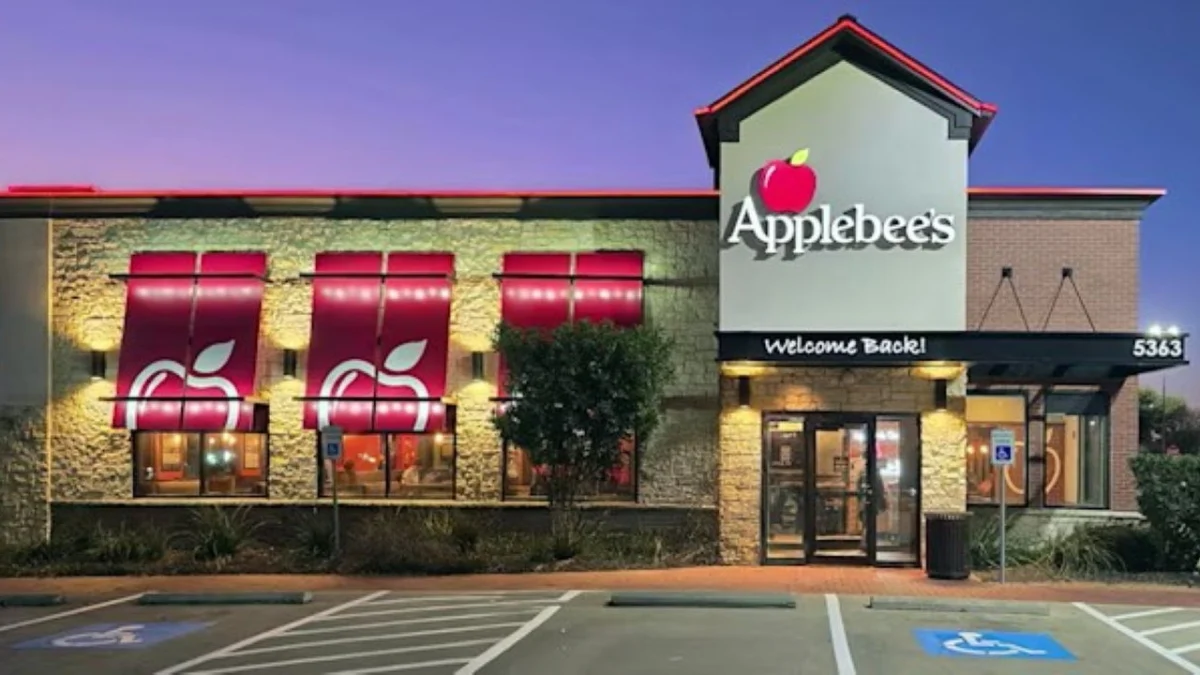
An Applebee’s franchisee, Neighborhood Restaurant Partners (NRP), operating over 50 locations across Florida, Georgia, and Alabama, has filed for Chapter 11 bankruptcy protection in the Northern District of Georgia. The filing, dated March 25, 2026, signals significant financial distress for the franchisee, which primarily acquired its portfolio of restaurants in 2012. This move comes as the casual dining giant, Applebee’s, and its parent company, Dine Brands, navigate a complex economic landscape impacting the restaurant industry.
Financial Strain and Contributing Factors
Court documents reveal that NRP lists assets valued between $1 million and $10 million, juxtaposed against liabilities ranging from $10 million to $50 million. A substantial portion of these debts, exceeding $13 million, is owed to lender Equity Bank. The franchisee’s financial woes are attributed to a confluence of challenging market conditions, including escalating operational costs and a noticeable pullback in consumer spending. These pressures have directly impacted profitability, forcing NRP to shutter nine restaurants in the past year and an additional five in early 2026. Despite attempts to divest these struggling locations, the company has been unsuccessful in securing buyers.
Dine Brands Steps In as Stalking Horse Bidder
In a development that preceded NRP’s bankruptcy filing, parent company Dine Brands had agreed in February to assume control of the distressed franchisee. This strategic move positions Dine Brands as the "stalking horse bidder" in the bankruptcy proceedings. John Peyton, CEO of Dine Brands and President of Applebee’s, articulated the company’s approach in a statement, emphasizing a commitment to the long-term health of the Applebee’s system.
"Serving as the stalking horse bidder gives us the opportunity to be strategic and selective in supporting the long-term health of the system, and this portfolio of restaurants has historically had solid performance," Peyton stated. "We’re approaching this the same way we always do — with a focus on stability, growth, and doing what’s right for our guests, team members, and franchise partners."
Peyton further underscored that while individual franchisees may encounter unique operational challenges, the Applebee’s brand itself remains robust. This distinction is crucial as it separates the performance of a single franchisee from the overall health and market perception of the national chain.
A Strategic Shift Towards Company-Owned Locations
The bankruptcy of Neighborhood Restaurant Partners highlights a broader strategic shift within Dine Brands. In recent quarters, the company has been transitioning away from a purely franchised model, acquiring a select number of company-owned locations. This move is intended to optimize operations, enhance profitability, and allow for more direct investment in brand initiatives.
In March 2025, Dine Brands took ownership of nearly 50 restaurants from franchisees. Peyton explained this decision during the company’s fourth-quarter 2024 earnings call, stating that it allows for the acceleration of remodels and a more direct financial commitment to improving the business. He characterized this as "putting its money where its mouth is."
This approach aligns with Peyton’s earlier remarks to analysts, where he described the company-owned portfolio as "instrumental in strengthening brand performance and supporting the overall health of our system." As of the end of 2025, Dine Brands operated 72 company-owned restaurants, representing approximately 2% of its total system, which also includes IHOP and dual-branded IHOP/Applebee’s locations.
"Operating these restaurants helps us maintain a presence in key markets while providing us the ability to reinvest directly in the business, refine initiatives, and create proof points that can scale across the system," Peyton elaborated.
Industry Context and Performance Metrics
The challenges faced by Neighborhood Restaurant Partners are not isolated incidents within the casual dining sector. The industry has been grappling with evolving consumer preferences, increased competition from off-premise dining options, and persistent inflationary pressures on food and labor costs.
Despite these headwinds, Applebee’s has demonstrated resilience in its overall performance. For the full year 2024, the chain reported a 1.3% increase in same-store sales, a notable improvement compared to a 4.2% decline in the preceding year. This uptick suggests that strategic adjustments and brand initiatives are beginning to yield positive results for the broader Applebee’s network.
The bankruptcy filing of a large franchisee like NRP, however, serves as a stark reminder of the financial vulnerabilities that can affect individual operators, even within a recovering market. The success of Dine Brands’ intervention will likely hinge on its ability to effectively manage and revitalize the acquired NRP locations, integrating them into its strategy for sustained brand growth and operational excellence.
Chronology of Events and Implications
- 2012: Neighborhood Restaurant Partners (NRP) acquires a significant portfolio of Applebee’s restaurants, primarily in Florida, Georgia, and Alabama.
- Recent Years (Pre-2024): Rising operational costs and a general slowdown in consumer discretionary spending begin to exert financial pressure on NRP.
- 2024: NRP is forced to close nine restaurants due to financial difficulties.
- Early 2026: An additional five NRP-owned Applebee’s locations are shuttered. Efforts to sell these assets prove unsuccessful.
- February 2026: Dine Brands agrees to take control of the struggling franchisee, Neighborhood Restaurant Partners.
- March 25, 2026: Neighborhood Restaurant Partners files for Chapter 11 bankruptcy protection in the Northern District of Georgia. Dine Brands positions itself as the stalking horse bidder in the bankruptcy proceedings.
The implications of this bankruptcy filing extend beyond the immediate financial restructuring. For Dine Brands, it represents an opportunity to gain direct operational control over a substantial number of locations, allowing for streamlined implementation of brand standards, remodels, and marketing initiatives. This could lead to improved customer experiences and enhanced profitability across these specific markets.
However, the situation also underscores the inherent risks associated with the franchise model, particularly for large-scale operators who may face disproportionate impacts from economic downturns or shifts in consumer behavior. The ability of Dine Brands to successfully navigate this acquisition and integration process will be closely watched by investors and industry analysts alike.
The legal framework of Chapter 11 bankruptcy allows NRP to reorganize its debts and operations under court supervision, aiming to emerge as a viable business. The role of Dine Brands as the stalking horse bidder is critical; it sets a baseline offer for the assets, encouraging other potential buyers to come forward with competing bids, if any exist, and ensuring a structured sale process.
The financial disclosures within the bankruptcy filings provide a transparent look into the scale of NRP’s liabilities and the specific debt owed to Equity Bank, a key creditor. The resolution of these debts will be a central focus of the bankruptcy proceedings.
Furthermore, the statement from John Peyton reiterates Applebee’s commitment to its franchise partners and the overall health of the brand. By emphasizing that the brand remains strong, he aims to reassure other franchisees, investors, and the public that the challenges faced by one operator do not reflect systemic issues within the Applebee’s network.
The increased ownership of company-operated stores by Dine Brands is a strategic maneuver designed to provide greater control over brand execution and financial performance. This allows the parent company to directly invest in the customer experience, test new initiatives, and set benchmarks for the entire system. This diversification of ownership structure can offer more stability and agility in a dynamic market.
In conclusion, the Chapter 11 bankruptcy filing by Neighborhood Restaurant Partners is a significant event for Applebee’s, highlighting the ongoing economic pressures on casual dining franchisees. Dine Brands’ proactive intervention as a stalking horse bidder signals a determined effort to preserve the value of these assets and strengthen the overall Applebee’s system. The coming months will be critical in determining the future of these 50-plus locations and their integration into Dine Brands’ evolving operational strategy.
Alicia Kelso, Executive Editor, Nation’s Restaurant News
March 25, 2026