


The 2025 calendar year marked a significant period of professional evolution and institutional leadership for Jodi Ettenberg, the founder of Legal Nomads and a prominent advocate for patients suffering from Spontaneous Intracranial Hypotension (SIH). Despite enduring a severe physical setback at the beginning of the year, Ettenberg successfully integrated her background in law, her expertise in digital entrepreneurship, and her lived experience with a chronic spinal cerebrospinal fluid (CSF) leak to influence medical research and nonprofit governance. Her activities throughout the year provide a case study in "supine productivity," demonstrating how digital infrastructure and patient-led advocacy can drive progress in specialized medical fields even when the advocate is physically restricted by a debilitating neurological condition.
Background and Context: The Intersection of Law and Medical Disability
To understand the scope of Ettenberg’s 2025 achievements, it is necessary to examine the trajectory of Legal Nomads and the nature of the condition that reoriented her career. Originally established as a travel blog following Ettenberg’s departure from a corporate law career in 2008, the platform transitioned from a travel-centric narrative to a resource-heavy business focusing on celiac disease and alternative careers for legal professionals.
In 2017, Ettenberg sustained a spinal CSF leak following a medical procedure. A spinal CSF leak occurs when the dura mater—the tough membrane that holds fluid around the brain and spinal cord—is perforated. This leads to a loss of fluid volume and pressure, causing the brain to sag within the skull when the patient is upright, a condition known as Spontaneous Intracranial Hypotension. The hallmark symptom is an agonizing positional headache that improves only when lying flat. For Ettenberg, this resulted in a profound shift from global mobility to a life largely confined to a supine position.
Chronology of 2025: From Physical Setback to Institutional Leadership
The year 2025 began with a significant medical regression. On December 25, 2024, an accidental fall in the shower caused a reopening or worsening of Ettenberg’s leak site, effectively resetting her "uptime"—the amount of time she can spend standing or sitting—to near zero. The first quarter of 2025 was defined by strict bed rest and a slow recovery of her baseline neurological function.
Simultaneously, Ettenberg managed a series of external pressures, including the hospitalization of both her father and stepmother. Despite these personal and physical challenges, she maintained her commitment to the Spinal CSF Leak Foundation, where she had been volunteering since 2021. By early 2025, the Foundation’s Board of Directors invited Ettenberg to serve as Board President, a role that required her to oversee the organization’s strategic direction and internal operations during a period of transition.
Advancing Medical Standards: The SIH-RADS Research Paper
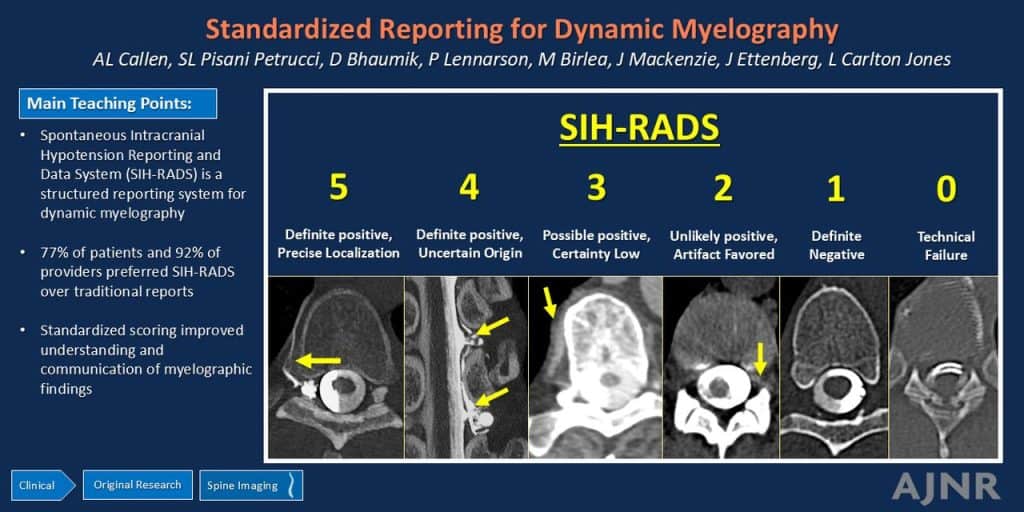
One of the most significant professional milestones of 2025 was Ettenberg’s role as a co-author on a peer-reviewed research paper published in the American Journal of Neuroradiology (AJNR). The paper, titled "Enhancing Clarity in Dynamic Myelography Reporting: Results of a Survey of Patients and Referring Providers Evaluating a Standardized Reporting System in the Myelographic Work-Up of Patients with Suspected Spontaneous Intracranial Hypotension," proposed a new standardized reporting measure known as SIH-RADS.
The Significance of Standardized Reporting
In the diagnosis of spinal CSF leaks, dynamic myelography is a critical imaging tool. It involves the injection of contrast dye into the spinal canal, followed by real-time scanning (often via CT) to observe where the fluid escapes. Historically, the reporting of these results has lacked uniformity, leading to potential miscommunication between radiologists and surgeons.

The SIH-RADS system aims to mirror other successful medical reporting standards, such as BI-RADS for breast imaging. By involving Ettenberg as a patient author, the research team ensured that the proposed reporting system remained accessible and informative for patients while meeting the rigorous technical requirements of medical professionals. Data from the study indicated that both physicians and patients preferred the SIH-RADS system over traditional narrative reporting, suggesting a high potential for clinical adoption in 2026 and beyond.
Institutional Governance and Executive Recruitment
As Board President of the Spinal CSF Leak Foundation, Ettenberg spearheaded a comprehensive executive search and hiring process in 2025. Following the departure of the previous leadership, the Foundation required a new Executive Director to manage its daily operations and fundraising efforts.

The Recruitment Process
Under Ettenberg’s direction, the Foundation implemented a rigorous, multi-stage hiring protocol:
- Application Volume: The search attracted over 130 applicants, reflecting a high level of interest in the rare disease advocacy space.
- Structured Interviewing: Ettenberg designed a scoring matrix and a series of standardized interview questions to minimize bias and ensure a focus on core competencies.
- Legal Compliance: Leveraging her legal background, Ettenberg collaborated with pro bono employment counsel to navigate the complexities of non-profit hiring and contract law.
The process culminated in the successful onboarding of a new Executive Director, allowing Ettenberg to shift her focus back toward long-term strategy and research advocacy.
Entrepreneurial Resilience: Celiac Advocacy and Digital Content
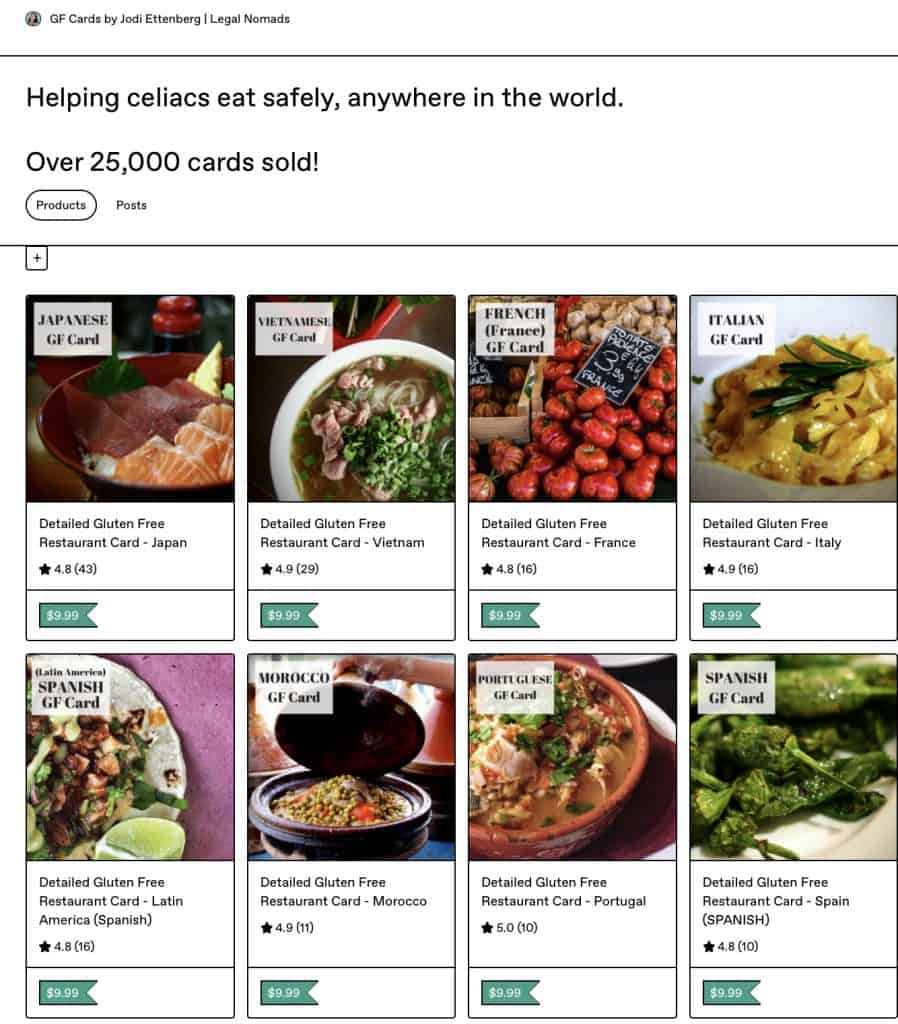
While fulfilling her duties for the Foundation, Ettenberg continued to operate Legal Nomads as a specialized resource for the celiac community. In 2025, she reached a significant commercial milestone by selling her 25,000th celiac translation card. These cards, which provide detailed, medically accurate explanations of gluten-free requirements in local languages, are considered essential tools for travelers with autoimmune conditions.
Expansion of Resources
Ettenberg expanded the Legal Nomads catalog in 2025 by:
- Adding New Languages: The introduction of Khmer, Korean, and Croatian translation cards brought the total number of available languages to 21.
- Publishing Comprehensive Guides: New "Essential Gluten-Free Guides" for Cambodia and South Korea were released. These guides, often exceeding 5,000 words, provide a deep dive into local ingredients, cross-contamination risks, and safe dining practices, moving beyond simple restaurant recommendations.
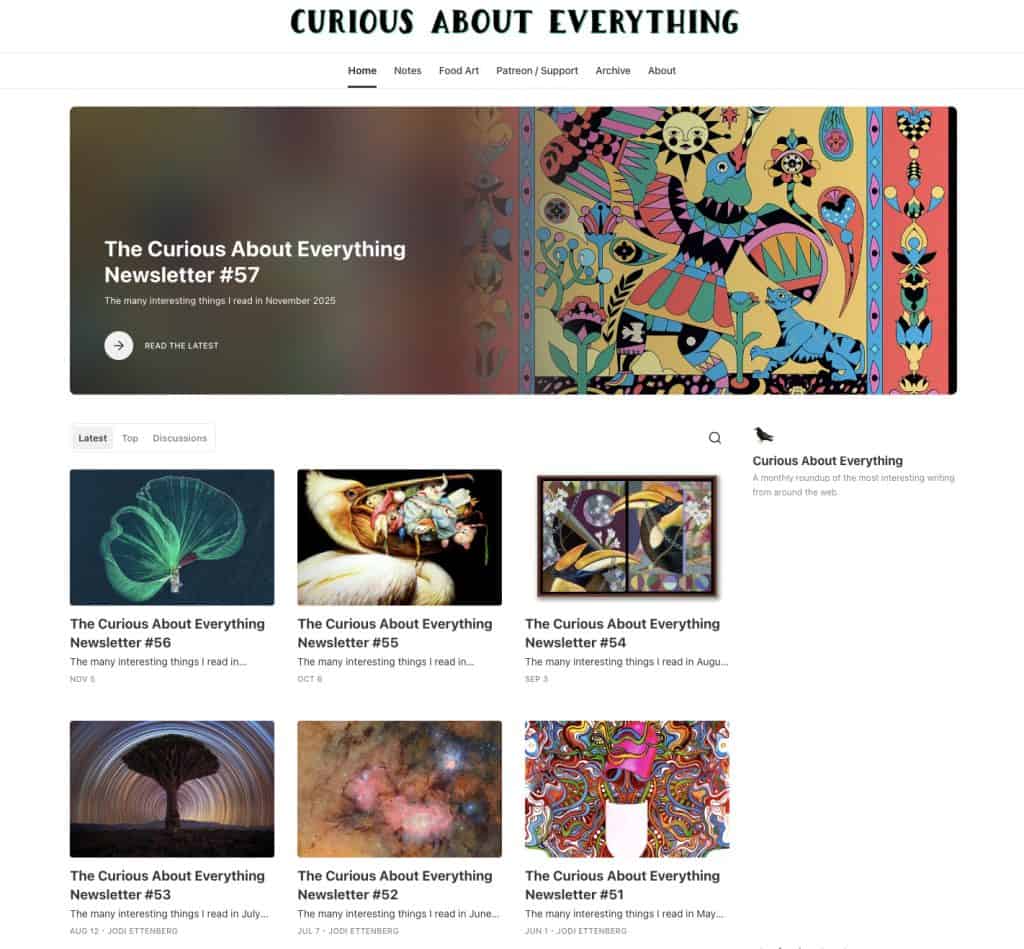
- Newsletter Consistency: Despite her health limitations, Ettenberg maintained the monthly publication of her "Curious About Everything" newsletter, which reached its 57th issue in December 2025.
Public Speaking and Professional Engagement
In a rare departure from her supine work environment, Ettenberg participated as a speaker at a medical conference focused on intracranial hypotension. She engaged in a "fireside chat" with Dr. Andrew Callen, a prominent neuroradiologist from the University of Colorado. The session explored the barriers to care from both the patient and provider perspectives, addressing the diagnostic delays and psychological toll associated with SIH.
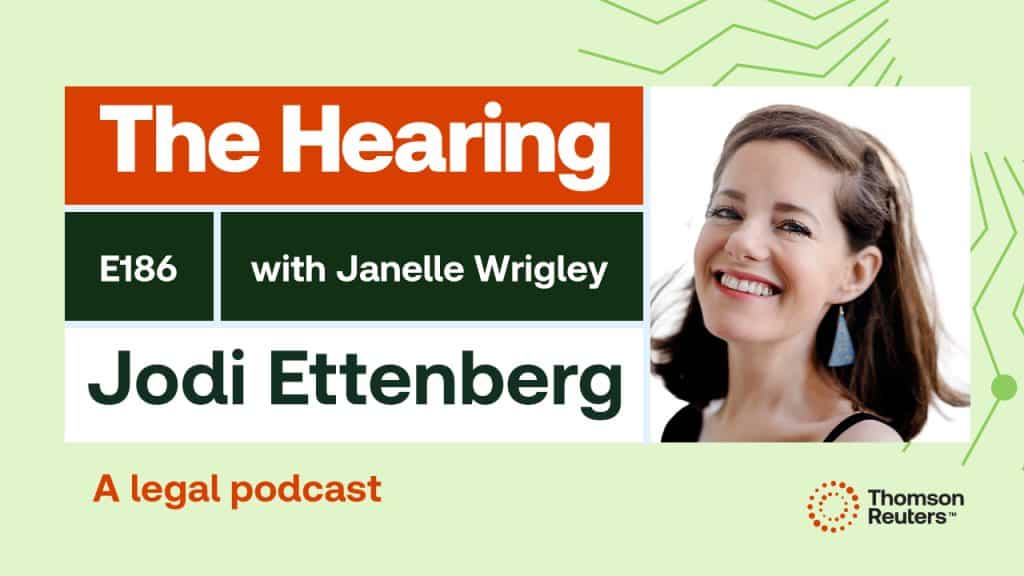
Furthermore, Ettenberg’s influence within the legal community was reinforced through her appearance on The Hearing, a podcast produced by Thomson Reuters. The episode focused on "finding purpose beyond law," where Ettenberg discussed how her legal training facilitated her transition into medical advocacy and how other professionals can manage radical career shifts necessitated by health or personal choice.
Broader Impact and Implications for Patient-Led Research
The achievements of Jodi Ettenberg in 2025 illustrate a growing trend in the medical field: the professionalization of the patient advocate. Her ability to contribute to a medical research paper, lead a 501(c)(3) organization, and maintain a niche business while bedbound highlights the transformative power of digital communication in the disability space.
Data-Driven Outcomes
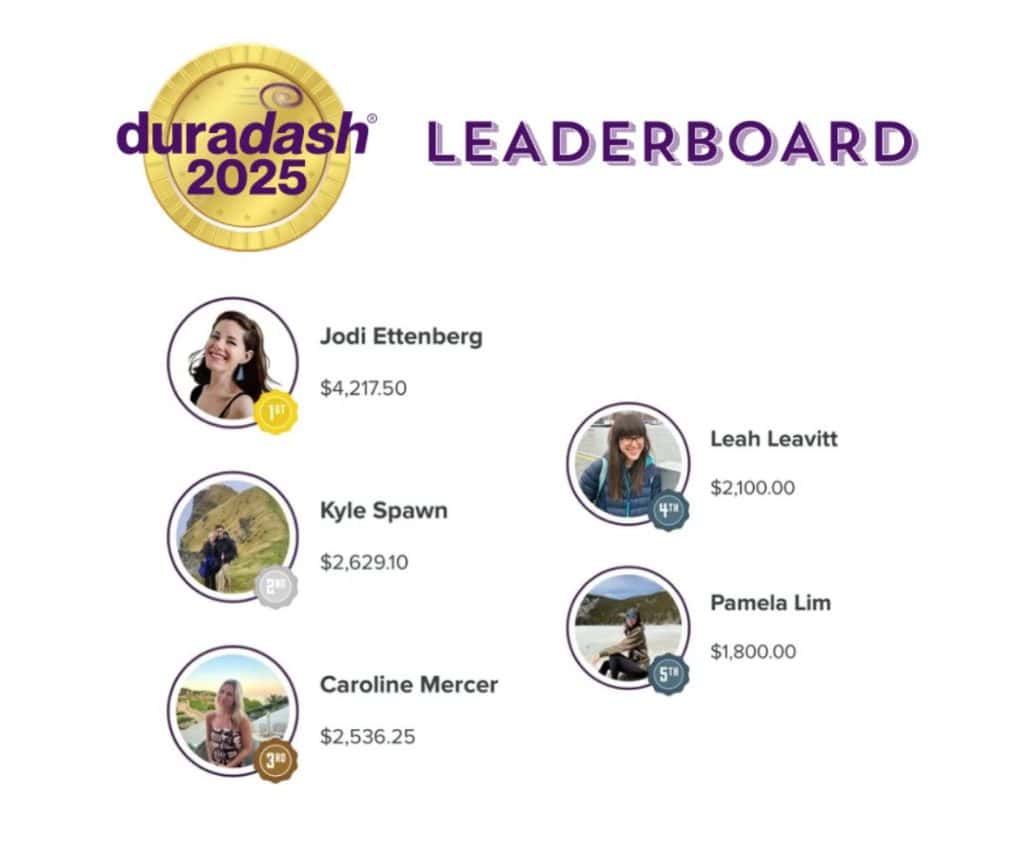
The financial impact of Ettenberg’s community engagement was evidenced during "Leak Week" 2025, the Foundation’s annual awareness initiative. Her community-led fundraising efforts raised $4,217 USD, placing her at the top of the organization’s leaderboard and contributing to the broader goal of funding research into dural defects and SIH treatments.
Analytical Summary
Ettenberg’s work in 2025 suggests that the divide between "patient" and "professional" is increasingly porous. By applying the analytical rigor of a legal education to the complexities of a rare medical condition, Ettenberg has provided a template for how patients can move from passive recipients of care to active participants in the medical and institutional systems that govern their lives. As 2026 approaches, the Foundation’s launch of the first international patient registry for spinal CSF leak—a project Ettenberg helped oversee—is expected to further decentralize medical knowledge and empower the patient community globally.