

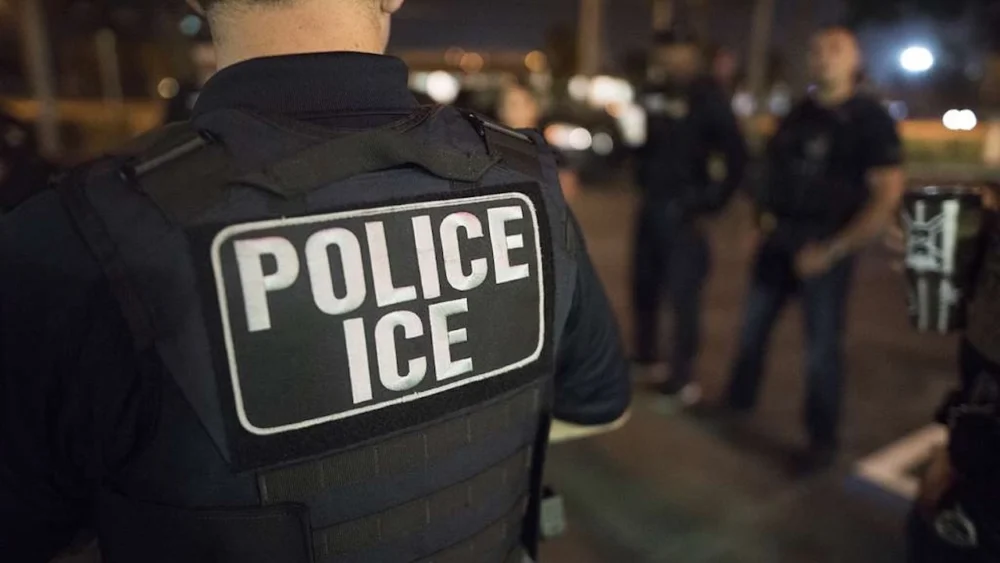
A significant legislative proposal has emerged in the U.S. Congress, aiming to provide financial relief to small businesses that have experienced economic hardship due to heightened national immigration enforcement activities over the past year. The "Small Business ICE Disruption Fund Act," introduced by Senator Edward Markey (D-Mass.), seeks to establish a grant program to compensate businesses for revenue losses and operational disruptions stemming from immigration raids and increased enforcement campaigns.
The proposed legislation comes at a time when various urban centers across the nation, including Minneapolis, Chicago, and Los Angeles, have reported intensified immigration enforcement operations. These operations, often conducted by U.S. Immigration and Customs Enforcement (ICE), have led to a documented impact on the local economies, particularly affecting small businesses that rely on a stable workforce and consistent customer flow. The bill, if enacted, would allocate $200 million to create a fund designed to offer grants of up to $1 million per business, or a maximum of $500,000 per physical location. This initiative is intended to provide a much-needed financial cushion for independent establishments that have found themselves caught in the crosshairs of these enforcement actions.
Background: The Escalation of Immigration Enforcement and its Economic Ripple Effects
The past year has seen a notable increase in the frequency and visibility of immigration enforcement actions across the United States. These operations, often characterized by workplace raids and targeted arrests, have been part of broader immigration policy shifts. While the stated goals of such enforcement are typically to uphold immigration laws and maintain national security, critics and affected communities have raised concerns about the unintended economic consequences.
Small businesses, which form the backbone of the American economy, are particularly vulnerable to sudden disruptions. Many operate on thin margins and rely heavily on a steady workforce and predictable customer traffic. When immigration enforcement actions lead to the detention or deportation of employees, or create an atmosphere of fear and uncertainty within a community, these businesses can suffer significantly. This can manifest as labor shortages, reduced operating hours, decreased customer confidence, and ultimately, substantial revenue losses.
Reports from cities experiencing increased enforcement highlight the severity of these impacts. In Minneapolis, for instance, businesses have reported difficulties in maintaining staffing levels and a palpable decrease in customer foot traffic following immigration-related operations. Similarly, Chicago and Los Angeles have seen instances where businesses have had to temporarily close or drastically alter their operations due to the effects of these crackdowns.
The Small Business ICE Disruption Fund Act: A Proposed Solution
Senator Edward Markey’s "Small Business ICE Disruption Fund Act" is designed to address these emergent economic challenges. The bill outlines a clear framework for businesses to access financial assistance. To qualify for a grant, a business must meet several criteria:
- Geographic Proximity: The business must be located in an area where a federal immigration raid or significant enforcement action has occurred within the preceding year. This criterion directly links the grant eligibility to the direct impact of enforcement activities.
- Demonstrated Revenue Loss: Applicants must be able to provide evidence of a net revenue loss of at least 25% that can be directly attributed to the immigration enforcement actions. This requirement ensures that the funds are directed towards businesses genuinely suffering from these disruptions.
- Absence of Prior Relief: The legislation specifies that businesses that have already received related grants or financial assistance for the same disruptions will not be eligible. This aims to prevent duplication of benefits and ensure a broader distribution of aid.
The proposed funding of $200 million is substantial, with projections suggesting that it could support between 200 and 400 businesses nationwide. This scale of investment indicates a recognition of the widespread nature of the problem and the potential for significant economic recovery.
Voices of Support: Industry Organizations Weigh In
The legislation has garnered support from key industry groups, including the Independent Restaurant Coalition. This organization, which advocates for the interests of independent restaurants, has emphasized the precarious position of many small food service establishments in the face of immigration enforcement actions.
Erika Polmar, Executive Director of the Independent Restaurant Coalition, stated in a press release, "When immigration enforcement actions suddenly reduce staff availability or drive customers away, there is often no financial cushion to absorb the loss. The Small Business ICE Disruption Fund Act offers targeted, responsible relief to help independent businesses survive unexpected shocks and remain anchors in their communities."
This statement underscores a critical point: many small businesses, particularly in the restaurant sector, operate with limited reserves. The sudden loss of essential staff, many of whom may be immigrants, coupled with a decline in customer patronage due to community apprehension or reduced local economic activity, can be a devastating blow. The reliance of the restaurant industry on immigrant labor is a well-documented phenomenon. The U.S. Center for Migration Studies estimates that approximately one million undocumented immigrants are employed within the restaurant industry alone, highlighting the sector’s vulnerability to changes in immigration policy and enforcement.
Statistical Evidence of Impact
The anecdotal evidence of business disruption is increasingly being supported by data. Studies and reports from various regions offer a clearer picture of the economic toll. For example, a study conducted by the Latino Economic Development Center in St. Paul revealed that in the Twin Cities area, a significant percentage of Latino businesses – specifically 44% – experienced temporary closures during periods of heightened immigration enforcement.
In Los Angeles, a city that has often been at the forefront of discussions around immigration, businesses have also reported substantial financial losses. More than 44% of businesses in the Los Angeles area indicated revenue declines exceeding half of their annual earnings following ICE crackdowns. These figures paint a stark picture of the economic damage that can be inflicted upon local economies when immigration enforcement policies lead to widespread disruption.
The ripple effects extend beyond direct revenue loss. Businesses may struggle to retain their remaining staff, face increased costs for recruitment and training, and experience a decline in overall morale. The uncertainty generated by enforcement actions can also deter new investment and entrepreneurship within affected communities, potentially leading to long-term economic stagnation.
Challenges and the Path Forward
Despite the compelling arguments for its necessity and the support it has garnered from industry stakeholders, the "Small Business ICE Disruption Fund Act" faces considerable hurdles on its path to becoming law. The current political climate and the composition of Congress present significant challenges. With a Republican-controlled House of Representatives, the bill would require bipartisan support to navigate the legislative process and gain approval.
The political landscape surrounding immigration policy is highly polarized. While proponents of the bill emphasize its role in supporting local economies and providing a safety net for small businesses, opponents may raise concerns about the allocation of federal funds, the criteria for eligibility, or the broader implications for immigration enforcement. Debates over border security, asylum policies, and the treatment of undocumented immigrants often overshadow the economic impacts on businesses.
The introduction of this bill, however, signifies an important acknowledgment of the complex interplay between immigration policy, economic stability, and the well-being of small businesses. It highlights the need for a more nuanced approach that considers the economic ramifications of enforcement actions and seeks to mitigate negative consequences.
Broader Implications and Analysis
The proposed legislation, if successful, could have several significant implications:
- Economic Resilience: By providing financial assistance, the fund could help small businesses weather the storm caused by enforcement actions, preventing closures and preserving jobs. This contributes to the overall economic resilience of communities.
- Policy Reassessment: The debate surrounding the bill could prompt a broader discussion about the economic costs of current immigration enforcement strategies. It might encourage policymakers to explore more targeted or less disruptive enforcement methods.
- Worker Protection: While the bill directly aids businesses, it indirectly supports workers by helping to maintain employment opportunities. Businesses that remain operational are more likely to retain their staff, regardless of immigration status.
- Community Stability: Small businesses are often central to the social and economic fabric of their communities. Their survival contributes to neighborhood stability and vibrancy.
The "Small Business ICE Disruption Fund Act" represents a legislative effort to balance the federal government’s enforcement responsibilities with the economic realities faced by small businesses. Its success will depend on its ability to garner bipartisan consensus and demonstrate a clear, data-driven case for its necessity. As the legislative process unfolds, the bill is likely to remain a focal point for discussions on immigration policy and its far-reaching economic consequences. The ongoing narrative will be closely watched by business owners, industry advocates, and policymakers alike, as it could set a precedent for how the federal government addresses the economic fallout of immigration enforcement.