

The National Capital Region, encompassing the municipalities of Ottawa, Ontario, and Gatineau, Quebec, has undergone a significant transformation in its culinary landscape over the last two years, particularly concerning specialized dietary requirements. For individuals diagnosed with celiac disease—an autoimmune disorder where the ingestion of gluten leads to damage in the small intestine—navigating a city’s food scene requires more than just a cursory glance at "gluten-friendly" menu labels. It necessitates a rigorous understanding of cross-contamination protocols, ingredient sourcing, and kitchen management. As the region continues to grow as a gastronomic hub, the distinction between lifestyle gluten-free choices and medical celiac safety has become a focal point for local restaurateurs and health-conscious consumers alike.

The Evolution of Specialized Dining in Ottawa and Gatineau
The culinary development in the National Capital Region (NCR) has historically trailed behind larger metropolitan centers like Montreal and Toronto in terms of dedicated allergen-free facilities. However, recent data suggests a shifting trend. Health Canada estimates that approximately 1% of the Canadian population is affected by celiac disease, though many remain undiagnosed. In a city like Ottawa, with a population exceeding one million, this represents a significant demographic requiring specialized services.

Over the past 24 months, the region has seen a diversification of offerings, moving beyond simple baked goods to include complex international cuisines such as Thai, Vietnamese, and Salvadoran, all adapted for celiac safety. This evolution is driven by both consumer demand and a growing professional awareness of the risks associated with shared kitchen spaces. For celiacs, asymptomatic ingestion of gluten can lead to long-term health complications, including nutritional deficiencies and increased risks of other autoimmune disorders. Consequently, the rise of 100% dedicated gluten-free facilities in Ottawa marks a critical milestone in local public health and hospitality.

Dedicated Gluten-Free Facilities: The Gold Standard of Safety
The most secure environments for celiac diners are dedicated facilities where no gluten-containing ingredients enter the premises. Ottawa currently hosts several key establishments that have set the benchmark for this "gold standard."

Strawberry Blonde Bakery, with its primary location in Westboro and a secondary outpost, has become a cornerstone of the community. Beyond being gluten-free, the facility is vegan, nut-free, and kosher, catering to a broad spectrum of dietary restrictions. Their operations include custom cake production and a rotating seasonal menu, with nationwide shipping capabilities that underscore the scalability of allergen-free business models.

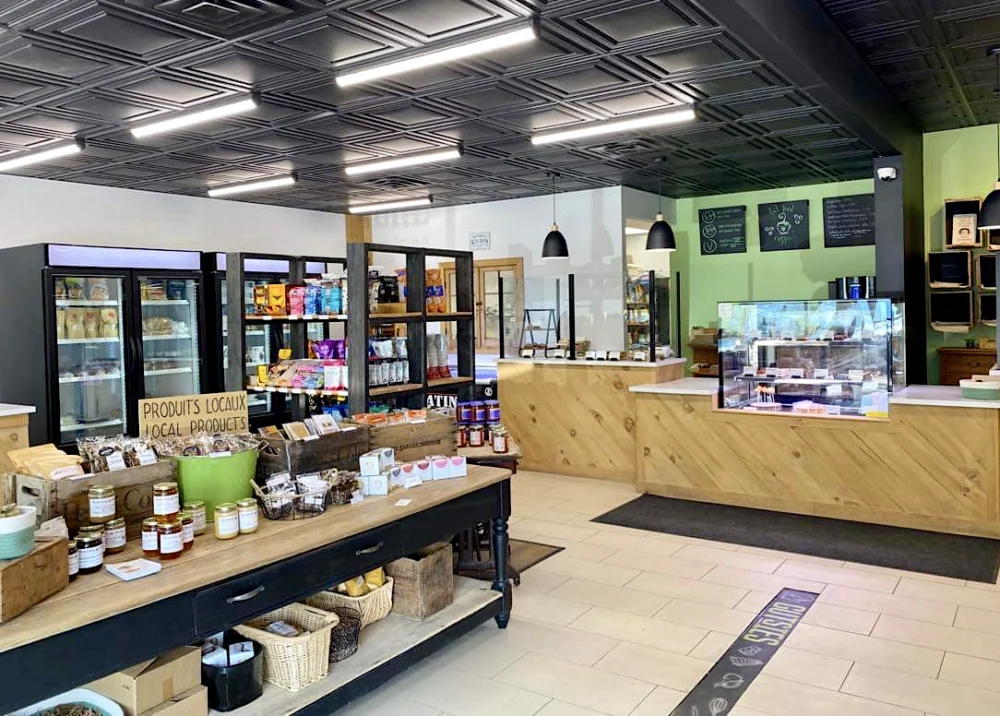
In the suburb of Orleans, Gutsies has redefined the retail and bakery model by acting as both a producer and a curated boutique. Founded by Natasha, whose daughter was diagnosed with celiac disease, the shop serves as a distribution point for hard-to-find gluten-free items from Montreal and Toronto. Their inventory includes high-quality frozen pizza dough, fresh pastries from Montreal’s La Marquise Sans Gluten, and additive-free soups. The presence of such a facility highlights the importance of lived experience in driving food safety standards.

Further catering to the suburban and online markets are 2 Sprinkles (formerly 5 Cupcakes) and Voila Gluten-Free Bakeree. 2 Sprinkles operates primarily through farmers’ markets and online orders, specializing in baked donuts and artisanal breads. Voila, located in Kanata, emphasizes natural sweeteners and low-sodium options, catering to the intersection of celiac disease and other health-conscious dietary needs.

Cross-Contamination Protocols in Non-Dedicated Establishments
While dedicated facilities offer the highest safety, many celiacs rely on traditional restaurants that have implemented strict cross-contact prevention measures. The National Capital Region features several establishments where staff are trained to handle medical-grade dietary restrictions.

In the Mediterranean sector, The Greek Souvlaki Shack on Bank Street has gained a reputation for its house-made gluten-free pita and dedicated fryers. The use of a dedicated fryer is a critical distinction; shared fryers are a common source of cross-contamination in the industry. Similarly, La Dolce Vita on Preston Street has achieved certification from the Gluten-Free Food Program (GFFP), offering an extensive menu of pasta, gnocchi, and pizza.

The Asian culinary scene in Ottawa also shows a high degree of celiac awareness. Establishments like Social Thai, Siam Bistro, and Khao Thai have become staples for the community. These restaurants often utilize naturally gluten-free ingredients like rice flour and coconut milk, though they must remain vigilant against hidden gluten in soy sauces and marinades. In the Vietnamese category, Authentic Vietnamese Pho House and La Maison Pho in Aylmer provide celiac-safe options by ensuring that rice noodles are boiled in separate water from wheat-based egg noodles.

Regional Specialties: Poutine and International Street Food
Poutine, a quintessential Canadian dish, presents unique challenges for celiacs due to the frequent use of wheat flour as a thickener in gravy and the risk of shared fryers. While the closure of "That Food Truck" (T.F.T) in 2024 left a void in the Ottawa market, Patate Lou Lou in Aylmer continues to serve the region with a dedicated gluten-free gravy and safe frying practices.

Street food and market stalls have also embraced the gluten-free movement. Spring Chips, a fixture at the Byward Market and Lansdowne, offers potato spirals with gluten-free seasoning, provided diners utilize their mobile "tent" setups which maintain stricter controls than their full-service trucks. Chicha Canada introduces a South American tradition to the region, serving a naturally gluten-free, rice-based beverage that caters to both the gluten-free and dairy-free demographics.

The Latin American sector is perhaps the most naturally accommodating. Tortilla Maker of Canada in Orleans produces fresh corn tortillas and tamales using traditional methods that avoid wheat entirely. Arepas Place Ottawa and Gooneys Sandwichworks specialize in Venezuelan arepas—cornmeal cakes that are inherently gluten-free. Additionally, La Cabana on Merivale Road offers Salvadoran pupusas, providing a diverse array of safe, culturally rich dining options.
Market Analysis and Regulatory Context
The growth of the gluten-free market in the National Capital Region is reflective of a global trend. The global gluten-free food market was valued at approximately USD 6.7 billion in 2022 and is projected to grow significantly through 2030. In Canada, however, regulatory frameworks for allergen labeling in restaurants are less stringent than those in the United Kingdom or the European Union.

In the UK, the Food Information Regulations 2014 require food businesses to provide accurate information about 14 allergens, including cereals containing gluten. This has led to a standardized system of menu marking that is often more reliable than the voluntary systems found in many Canadian provinces. Local advocacy groups, such as the Ottawa Celiac Association, play a vital role in filling this regulatory gap by conducting independent reviews and providing resources for both diners and restaurant owners.

Impact on the Local Economy and Tourism
A robust celiac-safe dining scene has broader implications for regional tourism. Travelers with dietary restrictions often choose destinations based on the availability of safe food. By fostering a diverse and verifiable gluten-free environment, Ottawa and Gatineau position themselves as inclusive destinations.

The presence of high-quality options like Wolf Down (Berlin-style döner), Thali (Indian cuisine by Chef Joe Thottungal), and specialty ice cream shops like The Merry Dairy and Moo Shu Ice Cream—both of which offer house-made gluten-free waffle cones—enhances the city’s reputation for culinary excellence. These establishments demonstrate that dietary restrictions do not necessitate a compromise in flavor or innovation.

Conclusion and Future Outlook
The National Capital Region has transitioned from a challenging environment for celiacs into a sophisticated landscape of specialized dining. This shift is characterized by a move toward transparency, the implementation of dedicated kitchen equipment, and a deeper understanding of the medical necessity behind gluten-free preparation.

As the region continues to develop, the ongoing challenge will be maintaining these standards amidst rising food costs and labor shortages in the hospitality sector. However, the success of dedicated bakeries and certified restaurants suggests that the demand for celiac-safe dining is not a passing trend but a permanent fixture of the NCR’s economy. For the celiac community, these developments represent more than just a meal; they signify a return to the social and cultural rituals of dining out, facilitated by a network of knowledgeable and dedicated culinary professionals.