

The National Capital Region (NCR), spanning Ottawa, Ontario, and Gatineau, Quebec, has undergone a significant transformation in its culinary landscape over the past decade. For residents and visitors living with celiac disease—an autoimmune condition where the ingestion of gluten leads to damage in the small intestine—the region now offers a sophisticated ecosystem of dedicated facilities and knowledgeable establishments. This evolution reflects a broader global trend in the food and beverage industry, where the gluten-free market is projected to grow at a compound annual growth rate (CAGR) of approximately 9.8% through 2030. In Ottawa, this growth is characterized by a shift from mere "gluten-friendly" options to rigorous cross-contamination protocols and dedicated 100% gluten-free environments.

The Medical Necessity of Cross-Contamination Protocols
In the context of celiac disease, the distinction between a "gluten-friendly" menu and a "celiac-safe" environment is a matter of medical necessity rather than dietary preference. Clinical data indicates that even microscopic amounts of gluten—as little as 20 parts per million (ppm)—can trigger an autoimmune response in sensitive individuals. While many mainstream restaurants offer gluten-free substitutions, the risk of cross-contact remains high in shared kitchens. This includes the use of shared fryers, communal cutting boards, and uncleaned utensils.

In the United Kingdom, stringent food labeling regulations (such as the FIC 1169/2011) have set a global benchmark for allergen transparency. While Canadian regulations continue to evolve, the burden of safety often falls on the consumer to verify kitchen practices. Consequently, the rise of dedicated gluten-free facilities in the NCR provides a critical safety net for the celiac community, ensuring that meals are prepared in environments entirely free of wheat, barley, and rye.

Dedicated Gluten-Free Bakeries and Specialty Facilities
The cornerstone of the NCR’s gluten-free infrastructure is its network of dedicated facilities. These establishments eliminate the risk of cross-contamination at the source.

Strawberry Blonde Bakery
Located in the Westboro neighborhood and expanding its reach through delivery and nationwide shipping, Strawberry Blonde Bakery has established itself as a leader in the "alternative" baking sector. The facility is not only 100% gluten-free but also vegan, nut-free, and kosher. Their operations focus on seasonal rotations and custom confectioneries, providing a safe alternative for individuals with multiple intersecting food allergies.

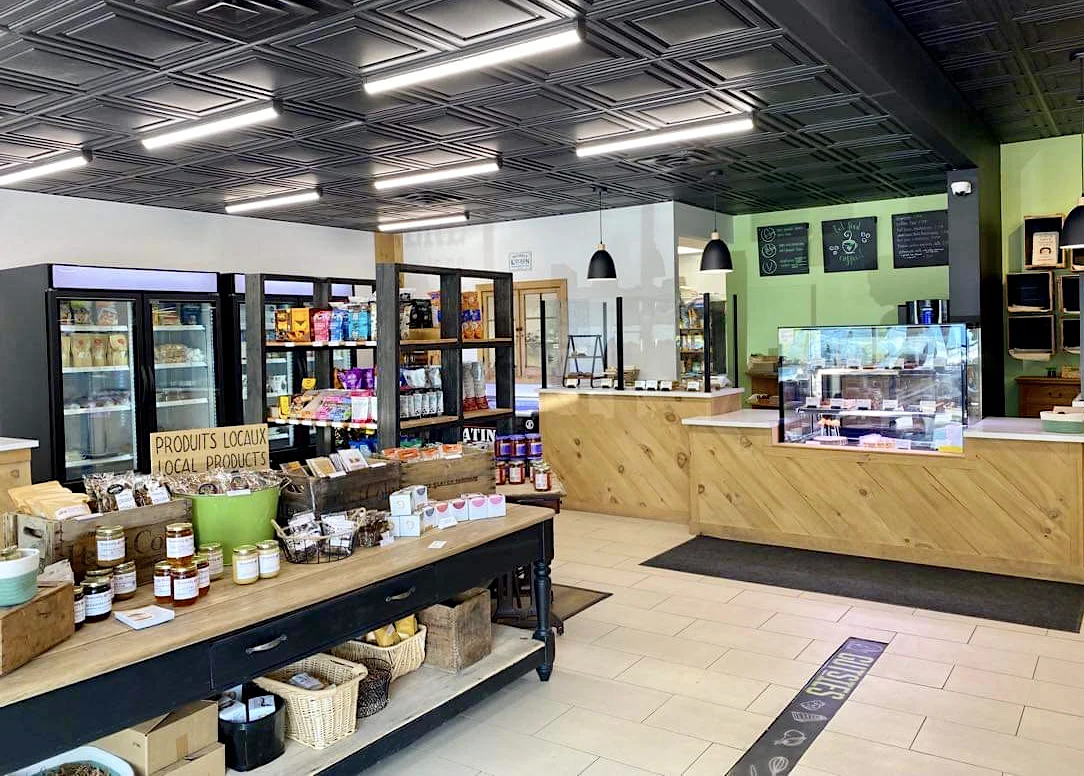
Gutsies (Orléans)
Founded by Natasha—a parent motivated by her daughter’s celiac diagnosis—Gutsies operates as both a bakery and a specialized grocery hub. The store strategically sources high-quality gluten-free goods from larger markets like Montreal and Toronto, filling a logistical gap in the Ottawa suburbs. Their product line includes fresh breads, pastries, and additive-free soups designed for those with additional sensitivities, such as Mast Cell Activation Syndrome (MCAS).

Voila Gluten-Free Bakeree
Based in Kanata, Voila focuses on health-conscious baking, utilizing natural sweeteners and maintaining low-sodium profiles. Their menu caters to a broad demographic of allergen-sensitive diners, including those avoiding dairy, eggs, and peanuts.

2 Sprinkles
Formerly known as 5 Cupcakes, this family-owned operation transitioned through a rebrand to focus on baked (rather than fried) donuts and artisanal breads. Their presence at the Lansdowne Farmers’ Market underscores the integration of gluten-free vendors into Ottawa’s mainstream public food spaces.

Global Cuisines and Celiac-Safe Adaptations
The NCR’s ethnic diversity has facilitated a wide array of naturally gluten-free or safely adapted international cuisines. This is particularly evident in the Latin American, Indian, and Southeast Asian sectors.

Latin American and Caribbean Influence
Many traditional Latin American dishes utilize corn (masa) or rice as a primary starch, making them inherently safer for celiacs.

- The Tortilla Maker of Canada: This Orléans-based facility produces fresh tortillas and tamales using traditional family recipes, ensuring a 100% gluten-free production line.
- Gooneys Sandwichworks and Arepas Place: Both establishments focus on Venezuelan arepas—cornmeal pockets that are naturally gluten-free. Arepas Place, which began as a market stall, recently expanded to a brick-and-mortar location on Bank Street, reflecting the high demand for safe, portable meals.
- La Cabana: Specializing in Salvadoran pupusas, this restaurant offers both corn and rice flour options, with a menu clearly demarcating gluten-free safety.
Indian and South Asian Excellence
Under the leadership of acclaimed chefs like Joe Thottungal, the Ottawa Indian food scene has become increasingly accessible.

- Thali and Coconut Lagoon: These sister restaurants utilize menus where allergens are meticulously marked. While South Indian cuisine often relies on rice and lentils (such as in dosas and idlis), these establishments also ensure that fried items like pakoras are managed in environments that minimize cross-contact.
- Taj Indian Cuisine and East India Company: Both are long-standing institutions recommended by the Ottawa Celiac Association for their staff’s knowledge of cross-contamination risks.
Southeast Asian Challenges and Successes
The shift toward soy-based marinades in many Vietnamese and Thai restaurants has created new hurdles for celiac diners. However, establishments such as Siam Bistro and Social Thai remain notable for their awareness of soy sauce alternatives (such as tamari or fish sauce) and their ability to prevent cross-contact in high-heat wok cooking.

The Regional Staples: Pizza and Poutine
Ottawa’s culinary identity is closely tied to comfort foods like pizza and poutine. Providing celiac-safe versions of these items requires significant investment in separate equipment.
The Pizza Sector
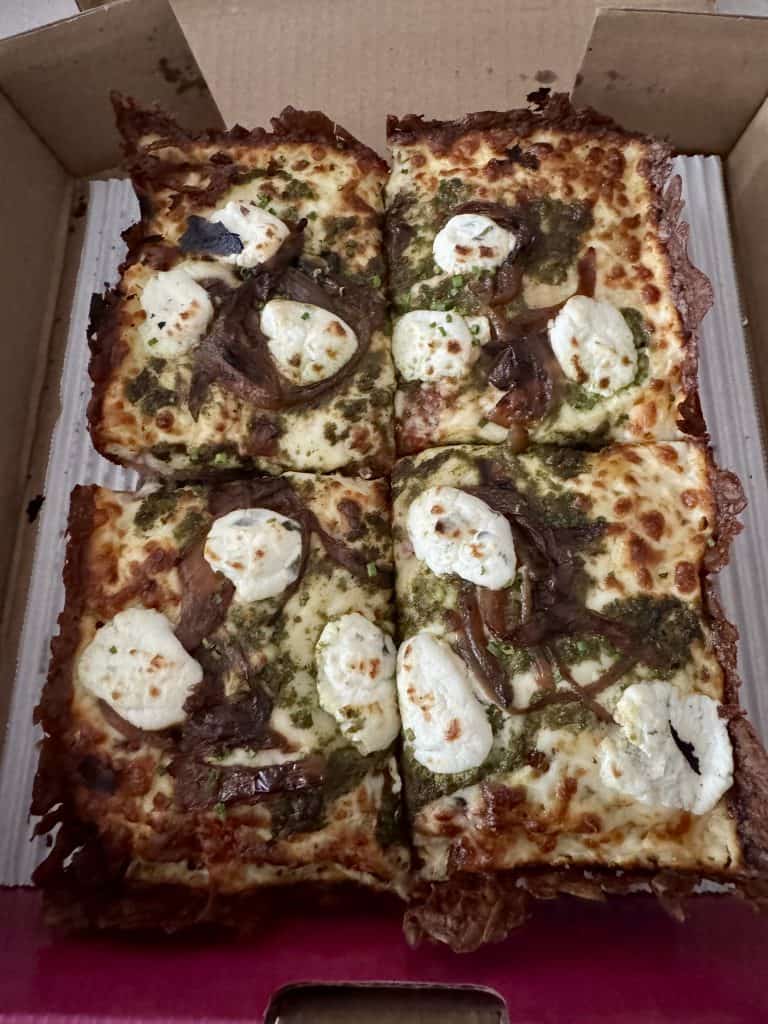
Establishments like Pizza Nerds and Pizza Stay Gold have pioneered safety protocols in shared kitchens. Pizza Nerds utilizes separate pans and dedicated preparation areas to prevent flour dust from contaminating cauliflower or gluten-free crusts. Pizza Stay Gold, specializing in Detroit-style deep dish, employs strict handling practices confirmed by safety labeling on delivery orders. La Dolce Vita on Preston Street remains a standout, holding Gluten-Free Food Program (GFFP) certification, which involves third-party auditing of their kitchen practices.

The Poutine Landscape
The challenge with poutine for celiacs lies in two areas: the gravy (often thickened with wheat flour) and the fryer (often shared with breaded items). Patate Lou Lou in Gatineau and The Great Canadian Poutinerie offer gluten-free gravy and dedicated fryers. However, the closure of popular spots like T.F.T (That Food Truck) in 2024 highlights the volatility of the mobile food sector and the ongoing need for stable celiac-safe options in the city center.

Specialized Dining and Food Truck Innovation
The rise of the food truck and market stall culture in the NCR has allowed for niche gluten-free offerings that might not be viable in a traditional restaurant format.

- Spring Chips: This stall, found at the Byward Market and Lansdowne, provides freshly fried potato spirals. The owners maintain a gluten-free environment at their "tent" setups, though they caution that their larger truck offerings may involve shared fryers—a distinction that demonstrates the level of transparency required for celiac safety.
- Wolf Down: Inspired by Berlin-style döner, this Bank Street staple offers a simplified menu where rice bowls and salads provide a safe alternative to traditional flatbread kebabs. Their "secret sauce" and protein options are formulated to be entirely gluten-free.
The Dessert and Confectionery Sector
Ice cream and gelato shops in the NCR have set high standards for allergen management. The Merry Dairy and Moo Shu Ice Cream both implement "new tub, clean scoop" policies for celiac customers, significantly reducing the risk of cross-contamination from cookie-based flavors. Both shops offer house-made gluten-free waffle cones, a rarity in the industry that provides a complete experience for diners who would otherwise be restricted to cups.

Economic and Social Implications
The availability of celiac-safe dining has a broader impact on the NCR’s economy. It fosters "inclusive tourism," where families with dietary restrictions can travel to the capital with confidence. Furthermore, the growth of these businesses supports local agriculture and specialized producers.

However, accessibility remains a challenge. For individuals with mobility issues or chronic illnesses—such as those suffering from spinal CSF leaks or other disabilities—the reliance on delivery services is paramount. The fact that many Gatineau-based gluten-free gems do not deliver across the provincial border into Ottawa represents a logistical barrier that community networks often have to bridge.
Conclusion
The National Capital Region has successfully moved beyond the "gluten-free as a fad" era, establishing a robust infrastructure for those whose health depends on strict dietary adherence. From the certified kitchens of Little Italy to the specialized food trucks of Stittsville, the region demonstrates that medical safety and culinary excellence are not mutually exclusive. As consumer awareness grows and diagnostic rates for celiac disease increase, the NCR’s commitment to dedicated facilities and transparent protocols will likely serve as a model for other Canadian municipalities. For the celiac diner, Ottawa is no longer a city of limited options, but a destination of safe, diverse, and high-quality culinary experiences.