

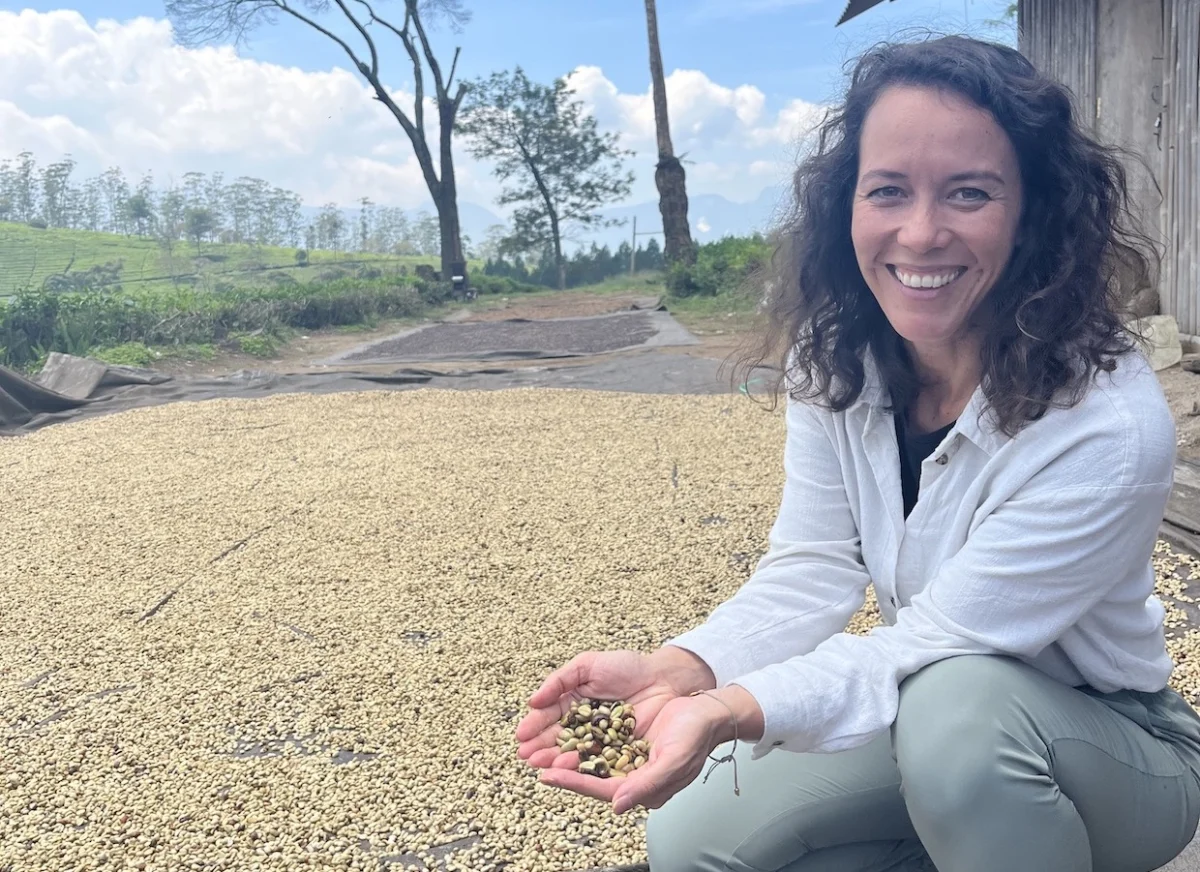
Esther Singer, a scientist with a profound background in soil and microbial ecosystems, has embarked on a new venture, establishing Segara Coffee, a specialty coffee roastery dedicated to showcasing the diverse and often overlooked arabica coffees of Indonesia. Her transition from advanced scientific research and biotechnology product development to the intricate world of coffee represents a deliberate fusion of her analytical acumen and a deep-seated passion for agricultural systems and their inherent complexities. Singer’s journey into the coffee industry is not merely a career change, but a scientifically driven exploration of a crop that embodies a vast array of biological and environmental interactions.
Singer, who identifies as German-Indonesian-Californian, spent over a decade immersed in scientific inquiry. Her early career was characterized by extensive research into soil science, ecosystems, and the intricate relationships between plants and microbes. This foundational work included a significant tenure as a scientist at the prestigious Lawrence Berkeley National Laboratory. Following her contributions to environmental and biological sciences, Singer transitioned into the dynamic field of biotechnology. In this capacity, she held a directorial role at Twist Bioscience, focusing on product and market development, where she honed her skills in translating scientific innovation into marketable solutions. It was this convergence of scientific rigor and commercial acumen that, according to Singer, ultimately led her to coffee.
“I became fascinated by coffee as an agricultural system: genetics, soil, climate, processing, fermentation, drying, roasting,” Singer shared with Daily Coffee News. “You can change one variable and potentially taste the result in the cup. That’s irresistible to a scientist.” This scientific curiosity, coupled with her later expertise in product development and marketing, laid the groundwork for Segara Coffee.
The Genesis of Segara Coffee: A Scientific Pursuit
The establishment of Segara Coffee in Reno, Nevada, in 2025, marks a significant pivot for Singer. The company’s mission is singular: to exclusively roast and offer specialty arabica coffees sourced directly from Indonesia. This focused approach allows Singer to delve deeply into the nuances of Indonesian coffee production, fostering direct relationships with farmers and producers across the archipelago. Her personal connection to Indonesia, through her Indonesian mother, has undoubtedly fueled this dedication. Growing up between German and Indonesian cultures, Singer brings a unique bicultural perspective to her endeavor, influencing her understanding of the origins and potential of Indonesian coffees.
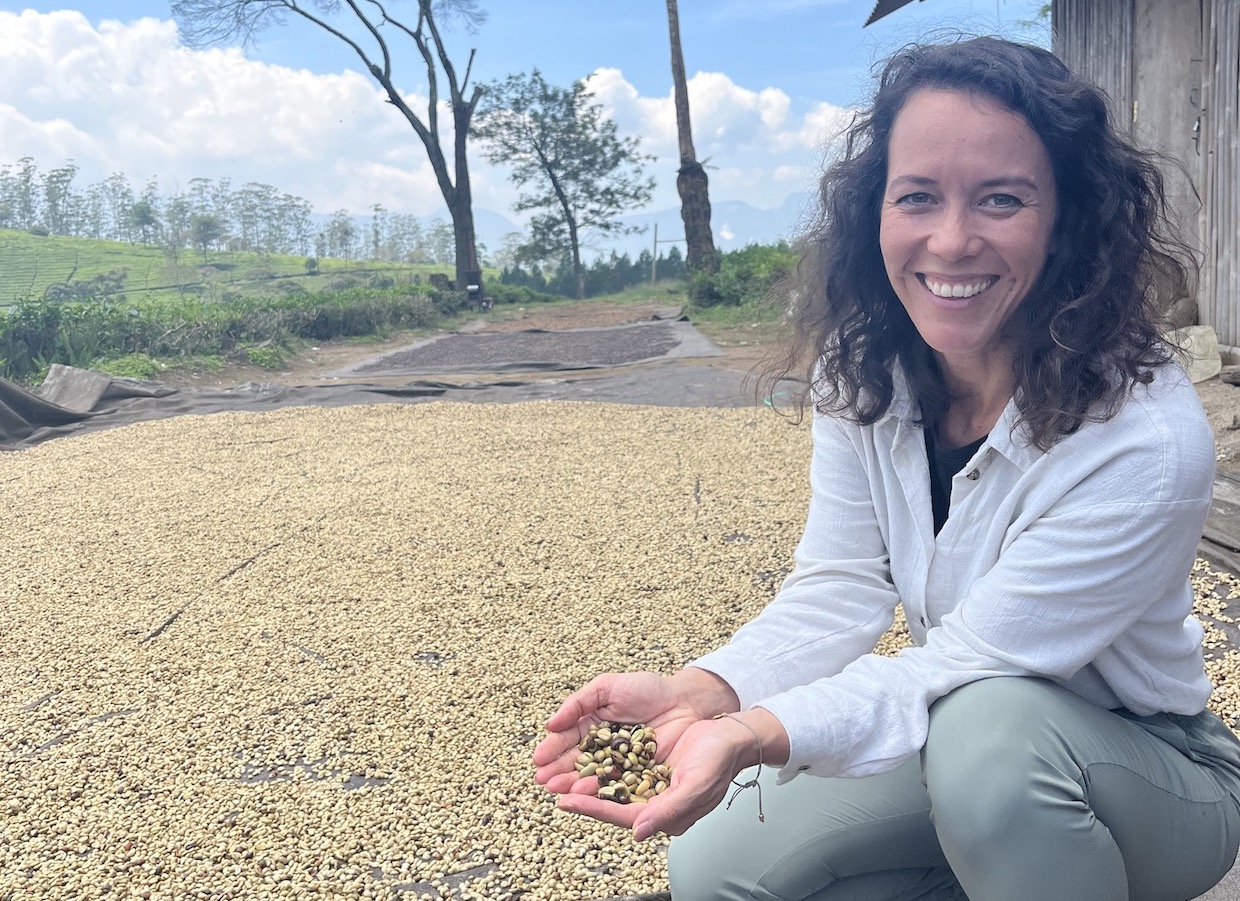
Singer’s initial encounters with Indonesian coffees in the United States revealed what she perceived as a limited representation of the country’s vast coffee-producing landscape. She observed that the coffees available often represented a narrow spectrum, primarily associated with specific regions and processing methods. This realization sparked a deeper investigation into Indonesia’s rich and varied coffee production, which is far more extensive and diverse than commonly perceived in international markets.
"The more I looked, the more there was to discover: cultivars I had never encountered in the U.S., producers doing really interesting work, different approaches to processing, and coffees that didn’t fit neatly into the profile I had learned to associate with Indonesia," Singer explained. This growing awareness led to a pivotal moment of decision. "At some point I stopped thinking, ‘Someone should bring these coffees here,’ and decided to do it myself.”
The name "Segara," meaning "sea" or "ocean" in Javanese, is a deliberate choice, symbolizing the vastness of the Indonesian archipelago and the interconnectedness Singer aims to cultivate through her coffee business. This nomenclature underscores her commitment to exploring the breadth of Indonesian coffee culture and its potential.
A Deeper Dive into Indonesian Coffee: Beyond Stereotypes
Singer’s strategic decision to focus exclusively on Indonesia is rooted in her scientific approach to understanding complex systems. Instead of building a conventional multi-origin portfolio, she opted to “go very deep into one coffee-producing country.” This allows for an intensive exploration of the country’s coffee biodiversity, farming practices, and processing innovations. By concentrating her efforts, Segara Coffee aims to build profound expertise and establish enduring relationships within Indonesia’s coffee-growing communities.
The implication of this focused strategy is the potential to introduce a wider array of Indonesian coffee profiles to the global market. Historically, Indonesian coffee, particularly from Sumatra, has often been characterized by its heavy body, earthy notes, and the distinctive profile imparted by the wet-hulling (Giling Basah) processing method. While these characteristics are integral to Indonesian coffee heritage, Singer’s research suggests that this perception represents only a fraction of the country’s coffee potential. Indonesia boasts a rich tapestry of coffee cultivars, diverse microclimates across its many islands, and a burgeoning interest among producers in experimenting with various processing techniques, including washed and natural methods, alongside innovative fermentation protocols.
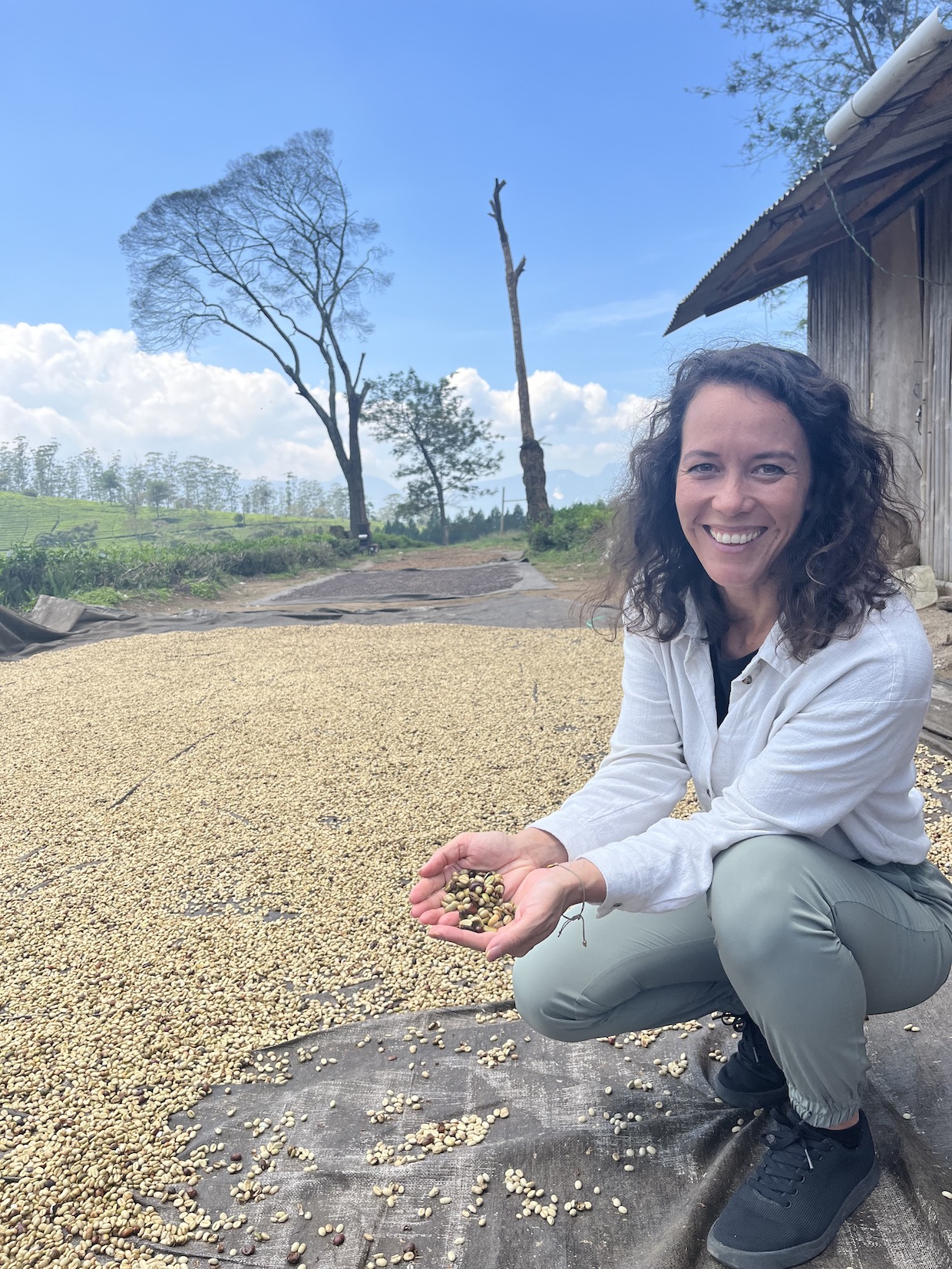
By cultivating direct relationships, Singer can gain firsthand insight into the specific agricultural practices, the unique terroir of different regions, and the dedication of individual farmers. This direct engagement is crucial for ensuring transparency and ethical sourcing, while also enabling her to identify and promote coffees that deviate from established stereotypes, showcasing the true breadth of Indonesian arabica. The year 2025, when Segara Coffee was launched, marked a period of growing consumer interest in single-origin coffees and a desire for greater traceability and understanding of coffee production. Singer’s venture aligns perfectly with these emerging trends, offering a narrative of discovery and authentic connection to a specific coffee-producing nation.
Three Questions with Esther Singer: Insights into a Scientist’s Approach to Coffee
Singer’s unique perspective on coffee is best articulated through her own words, as shared in an interview. Her answers reveal a deep appreciation for the multidisciplinary nature of coffee and a critical view of how the industry sometimes simplifies its inherent complexities.
What excites you most about coffee?
Singer’s excitement about coffee stems from its remarkable ability to act as a nexus for a multitude of scientific and artistic disciplines. "The number of disciplines that converge in a single cup," she stated, highlights her fascination with coffee’s multifaceted nature. She elaborates by detailing the scientific underpinnings: "Coffee sits at the intersection of plant genetics, soil science, ecology, agriculture, microbiology, processing, chemistry and sensory science – and then layers culture, craft and human preference on top of all of it."
This holistic view allows Singer to approach coffee from various analytical angles. As a scientist, she can investigate the "why" behind a coffee’s characteristics, exploring the biological and environmental factors that shape its flavor. As a roaster, she focuses on "how to best express" these inherent qualities, employing her technical skills to highlight the coffee’s potential. Finally, she cherishes the moment when a consumer, unconcerned with the scientific or technical intricacies, simply enjoys the beverage: "and finally hand the cup to someone who doesn’t care about any of those questions and simply says, ‘That’s delicious.’" The ability for these diverse perspectives – scientific, craft-oriented, and experiential – to coexist within a single cup is what profoundly excites her.
Beyond the technical and sensory aspects, Singer emphasizes coffee’s social power. "And ultimately, coffee is remarkably good at bringing people together. Segara’s mission is to connect human to human, and human to nature. Coffee gives us a very tangible way to do both." This reflects a broader understanding of coffee not just as a commodity or a scientific subject, but as a facilitator of human connection and an ambassador for the natural world.
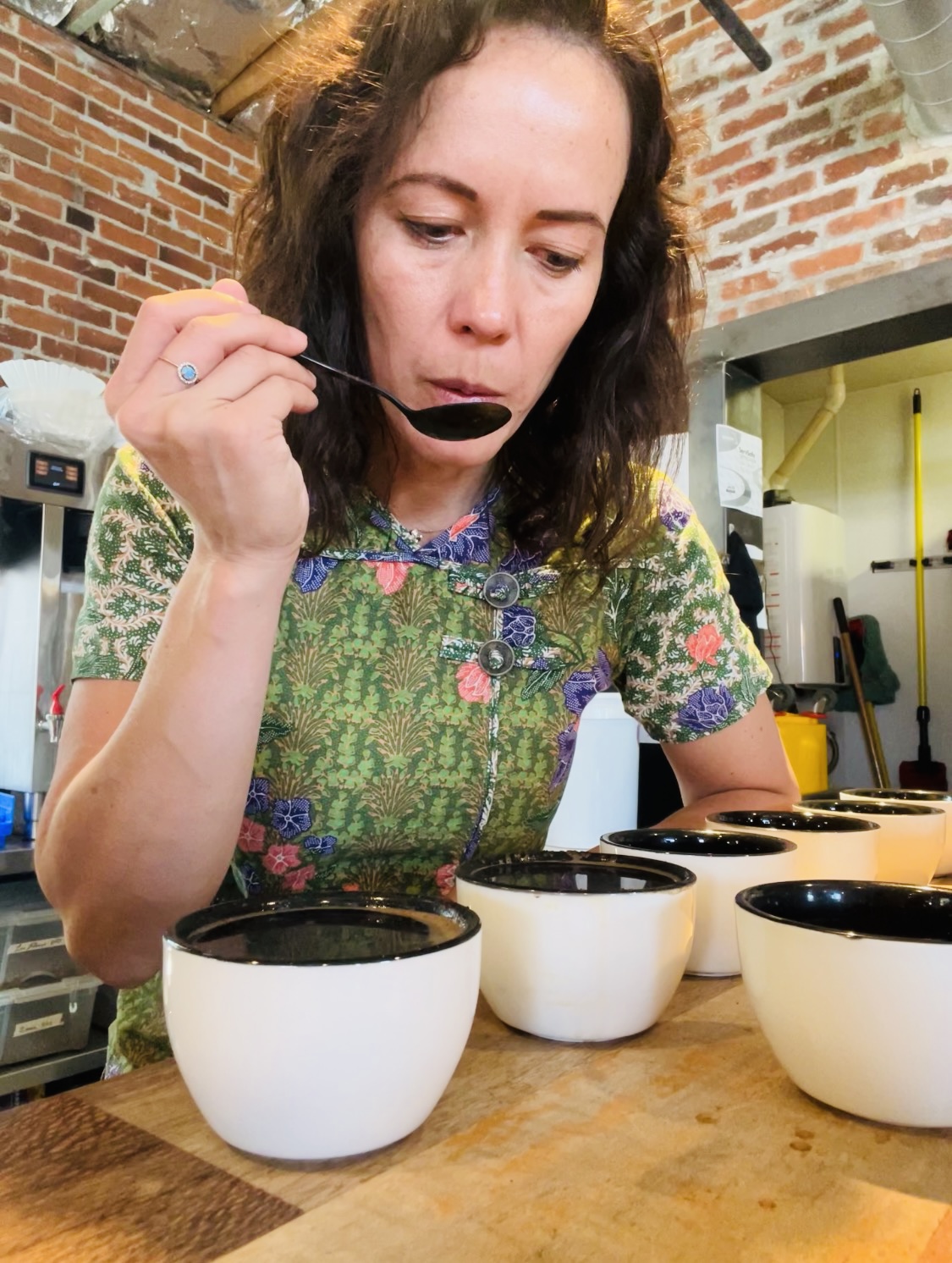
What troubles you most about coffee?
Singer expresses concern over the industry’s tendency to oversimplify and generalize, leading to a flattening of coffee’s inherent complexity. "How easily complexity gets flattened," she observed, pointing out the paradox of categorization. While categories like origin, process, roast level, and tasting notes are essential for communication and understanding within the coffee trade, they can inadvertently become rigid assumptions.
"Indonesia is a good example," Singer noted, illustrating how a region’s coffee profile can become narrowly defined. "For many consumers, Indonesian coffee became closely associated with Sumatra, wet-hulled processing, heavy body and earthy flavors. Those coffees are an important part of Indonesia’s coffee history, but a category can become limiting when we start treating it as a definition." This simplification can obscure the vast diversity of coffees produced within Indonesia, hindering appreciation for less common cultivars or alternative processing methods that yield different, yet equally valuable, flavor profiles.
Furthermore, Singer is troubled by the frequent disconnect between the final cup and its agricultural origins. "I’m also troubled by how easily the conversation about coffee can become detached from agriculture. Coffee doesn’t begin with a roaster, a barista or a beautiful cafe. It begins as a plant in the ground." Her background in environmental science instills in her a fundamental understanding that the quality and characteristics of coffee are inextricably linked to the initial stages of cultivation. "Climate, soil, plant health, labor, economics and the decisions producers make determine what is possible for everyone downstream." This perspective underscores her belief that a comprehensive understanding of coffee necessitates acknowledging and valuing the agricultural ecosystem and the human labor involved in its production.
What would you be doing if it weren’t for coffee?
If coffee were not a part of her professional life, Singer believes she would still be pursuing endeavors at the intersection of science, nature, and entrepreneurship. Her inherent drive to understand natural systems remains a constant. "I’ve always been drawn to understanding natural systems, but I’m equally motivated by turning knowledge into something tangible – something that can leave the laboratory, reach people and create connections."
Coffee, for Singer, has provided an unexpected and deeply fulfilling avenue to integrate these diverse interests. It allows her to remain connected to the natural world and her scientific roots while simultaneously building a business with a tangible, human element. "Coffee has given me an unexpected way to bring those parts of my life together. It lets me stay close to the land and to science, while building something entrepreneurial and deeply human." This suggests that her passion lies not just in discovery, but in the application of knowledge to create meaningful products and foster genuine connections.
The Broader Implications of Segara Coffee’s Approach

Segara Coffee’s focused strategy has significant implications for the specialty coffee industry. By dedicating itself to a single, complex coffee-producing nation like Indonesia, the company is poised to become a leading authority on its coffees. This deep specialization can foster greater consumer awareness and appreciation for the nuances of Indonesian arabica, moving beyond established stereotypes.
Moreover, Singer’s direct-trade model, emphasizing long-term relationships with producers, has the potential to create more stable and equitable supply chains. This approach can empower farmers by providing them with better market access and fairer prices, encouraging investment in sustainable farming practices and quality improvement. As the coffee industry increasingly grapples with the challenges of climate change, producer livelihoods, and the need for greater transparency, companies like Segara Coffee, driven by a commitment to both scientific understanding and ethical sourcing, offer a model for a more responsible and insightful future. Singer’s journey from the laboratory to the coffee roaster is a testament to the idea that scientific curiosity, when combined with a passion for agriculture and human connection, can yield remarkable results.
